CapMetro Rail
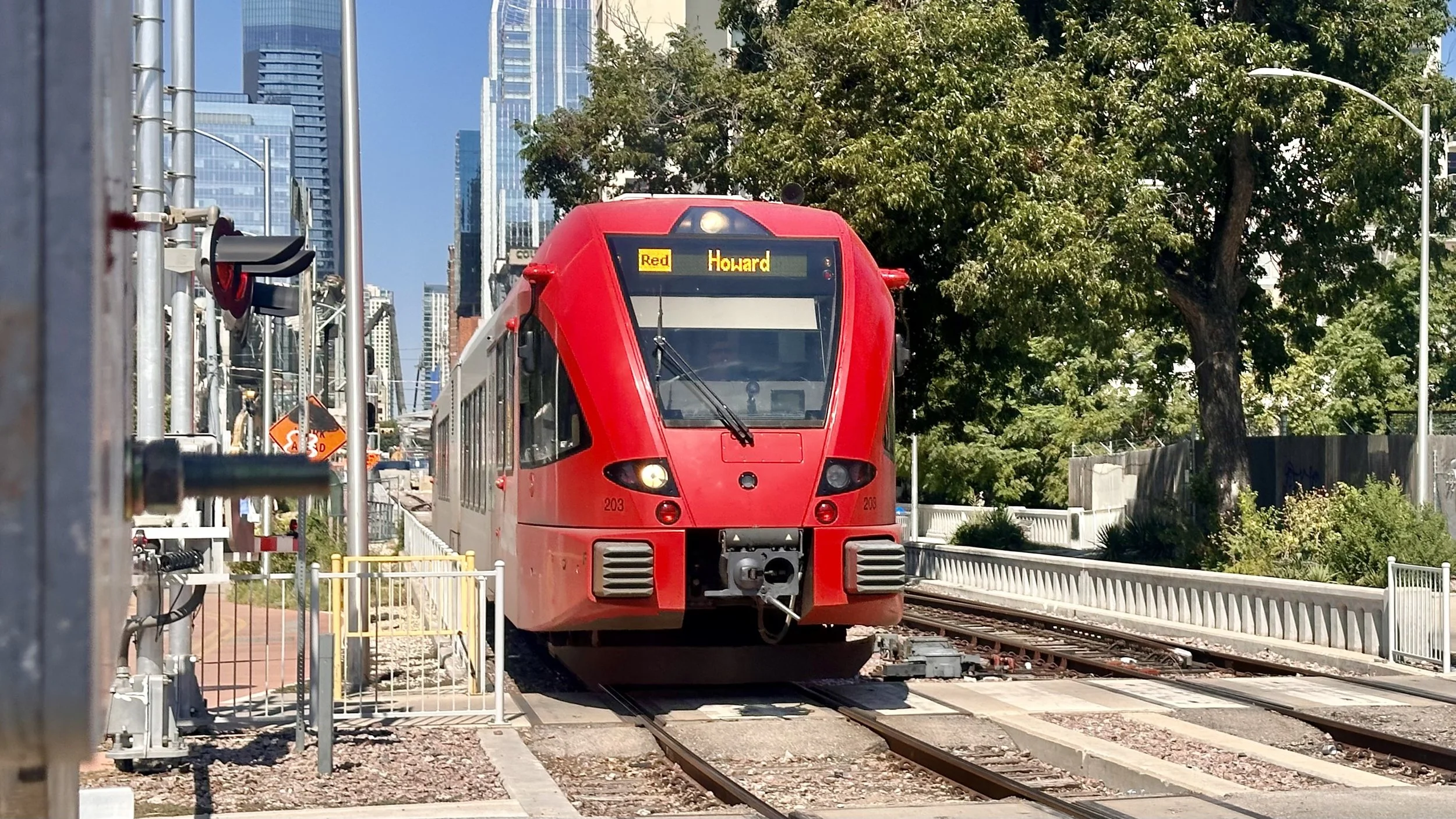
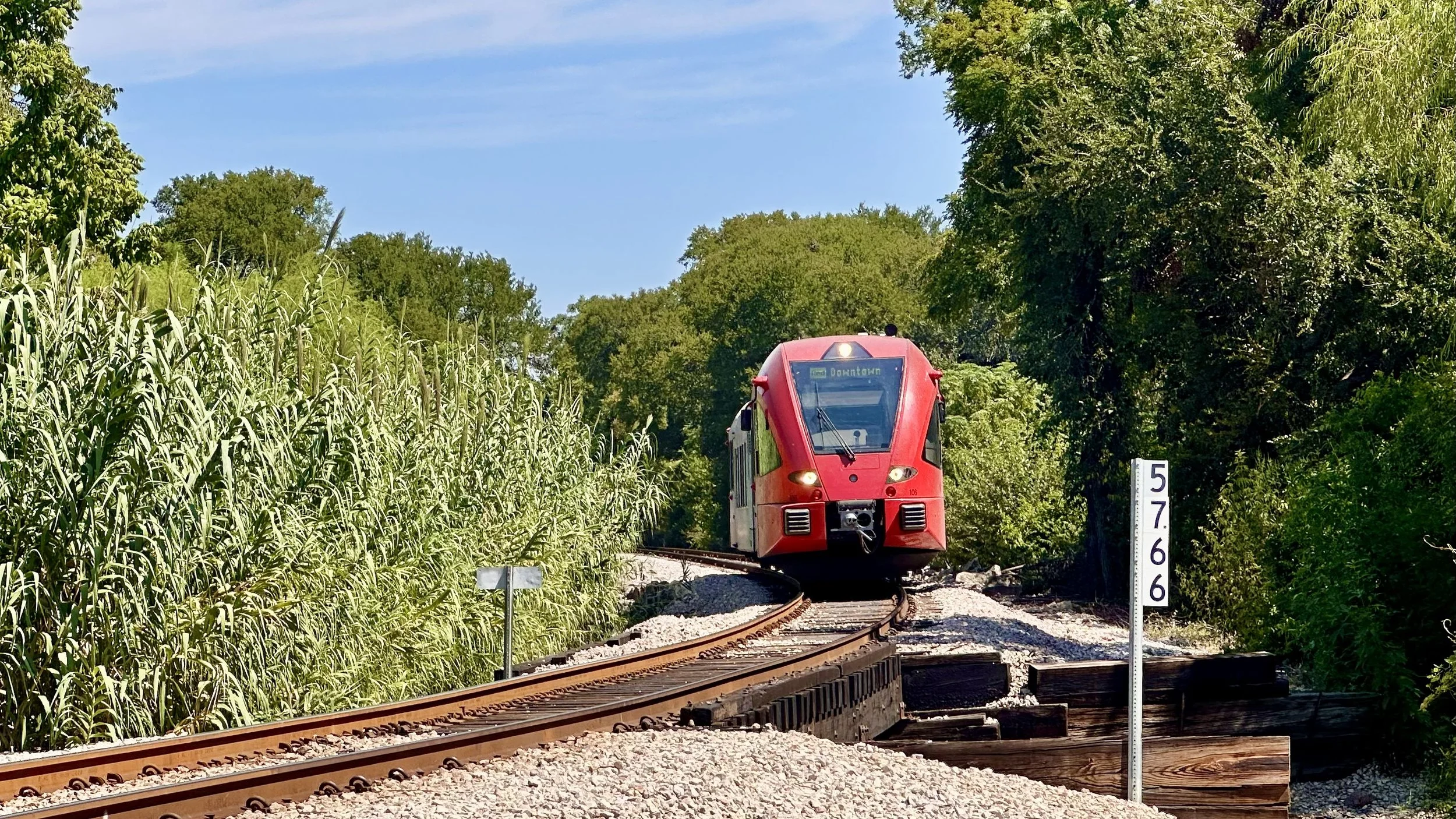
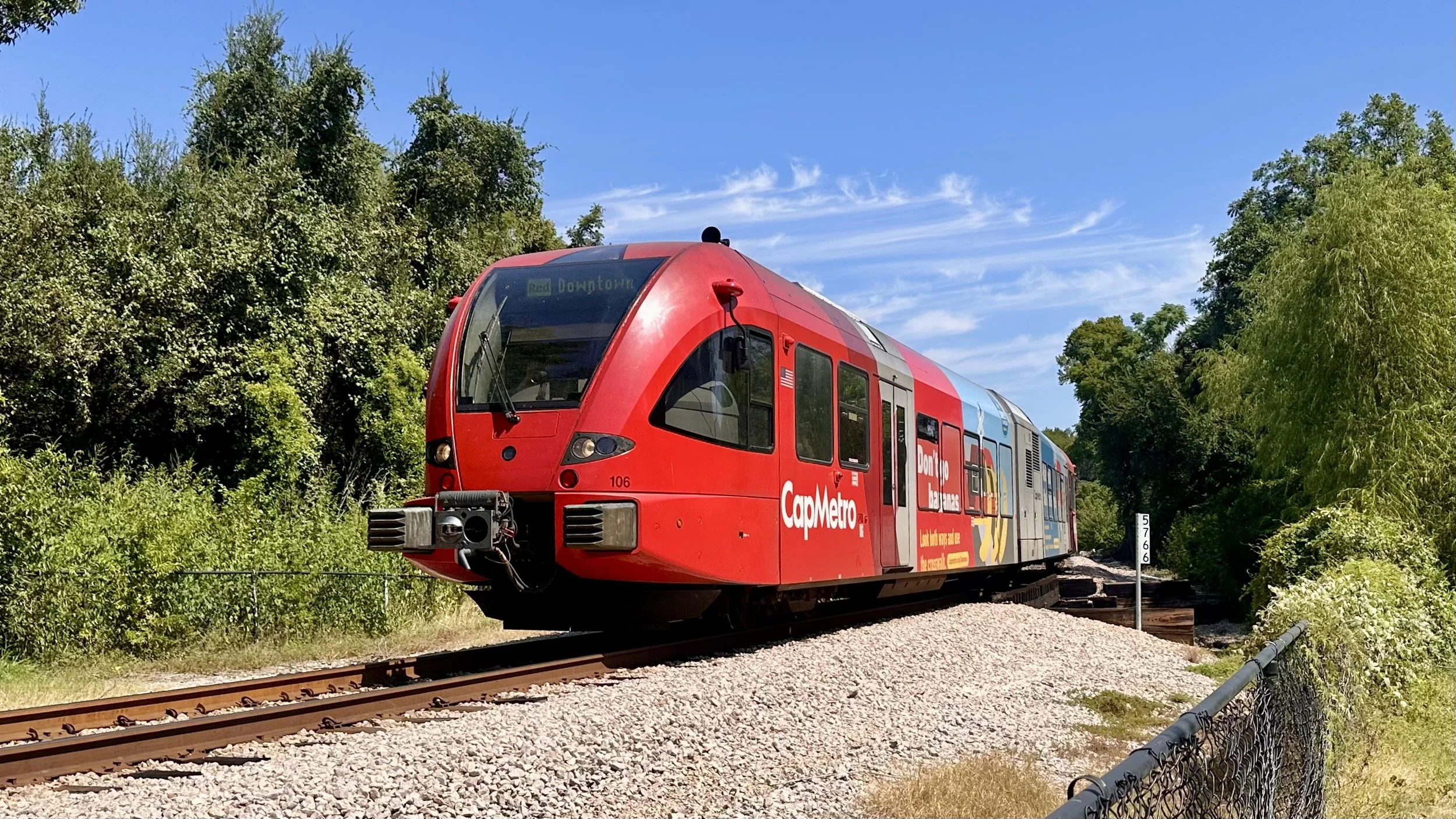
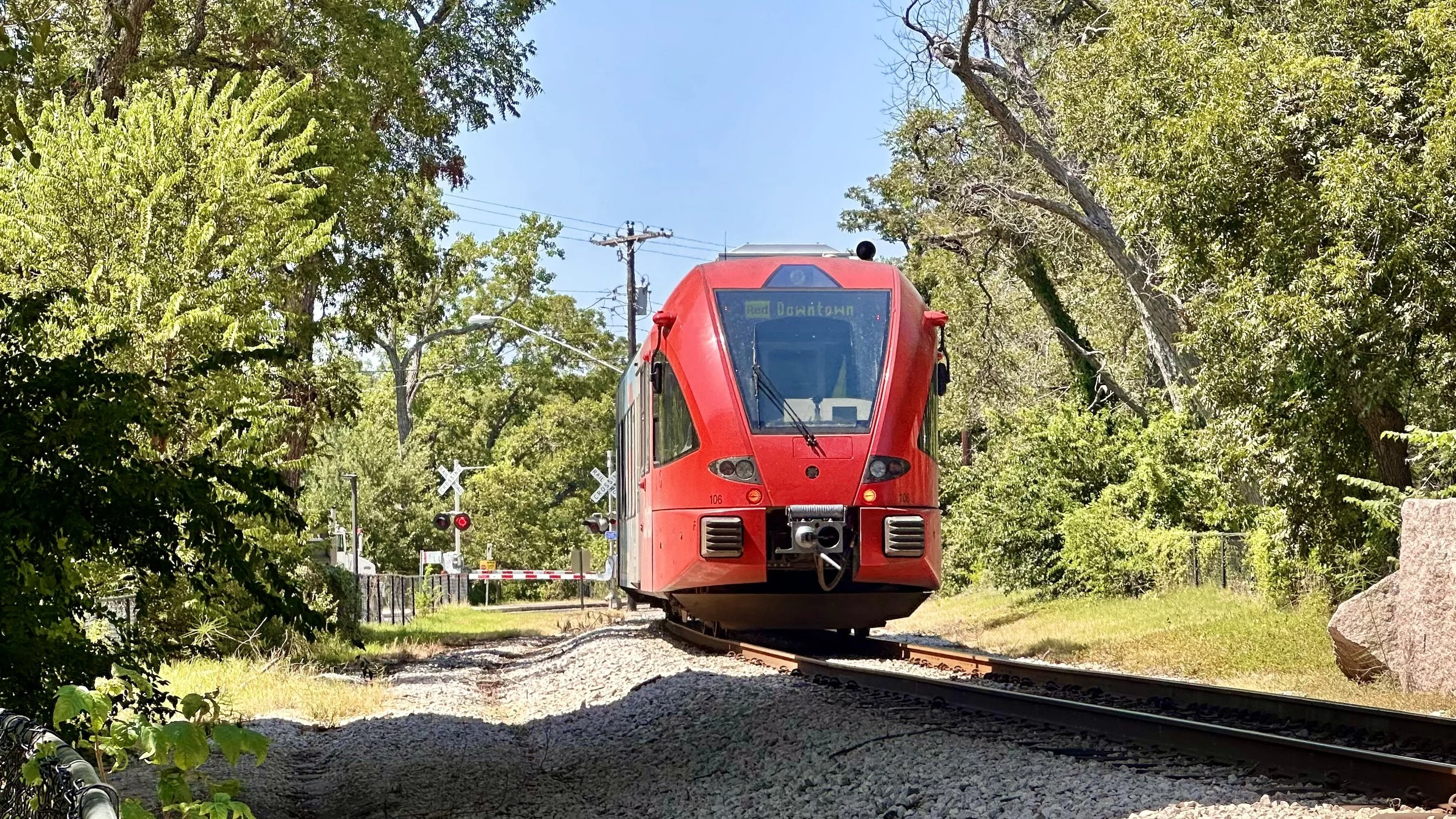
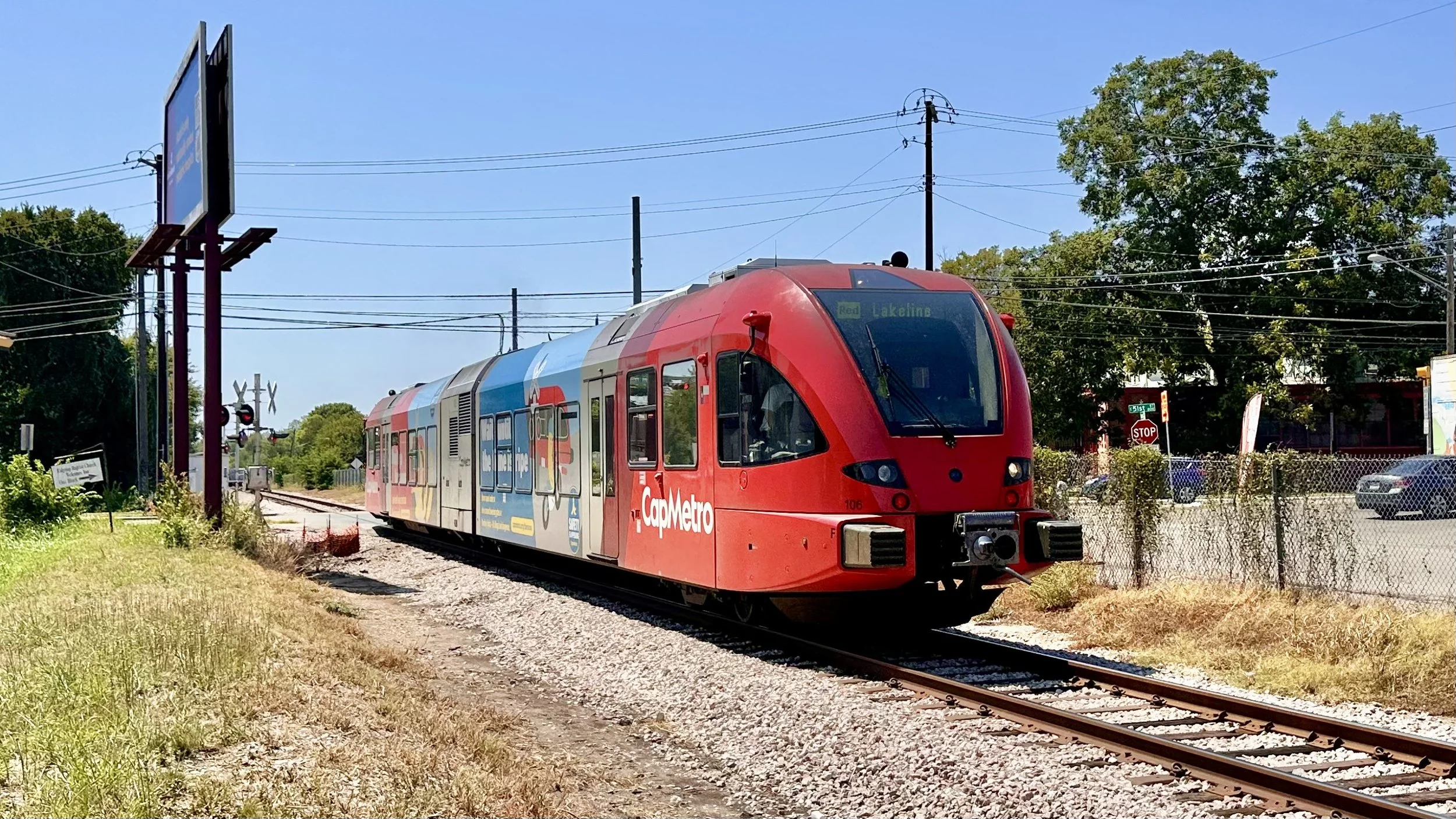
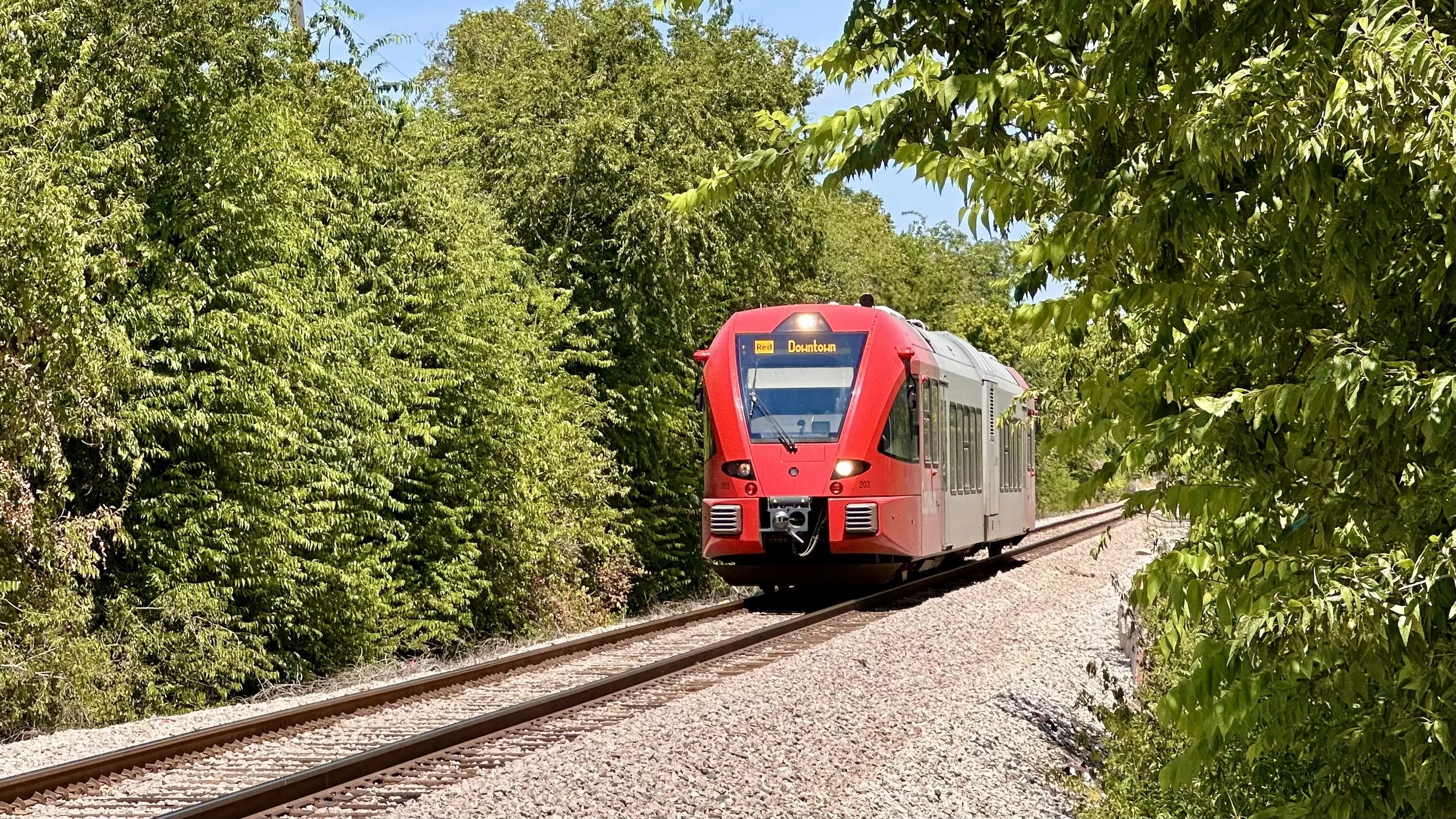
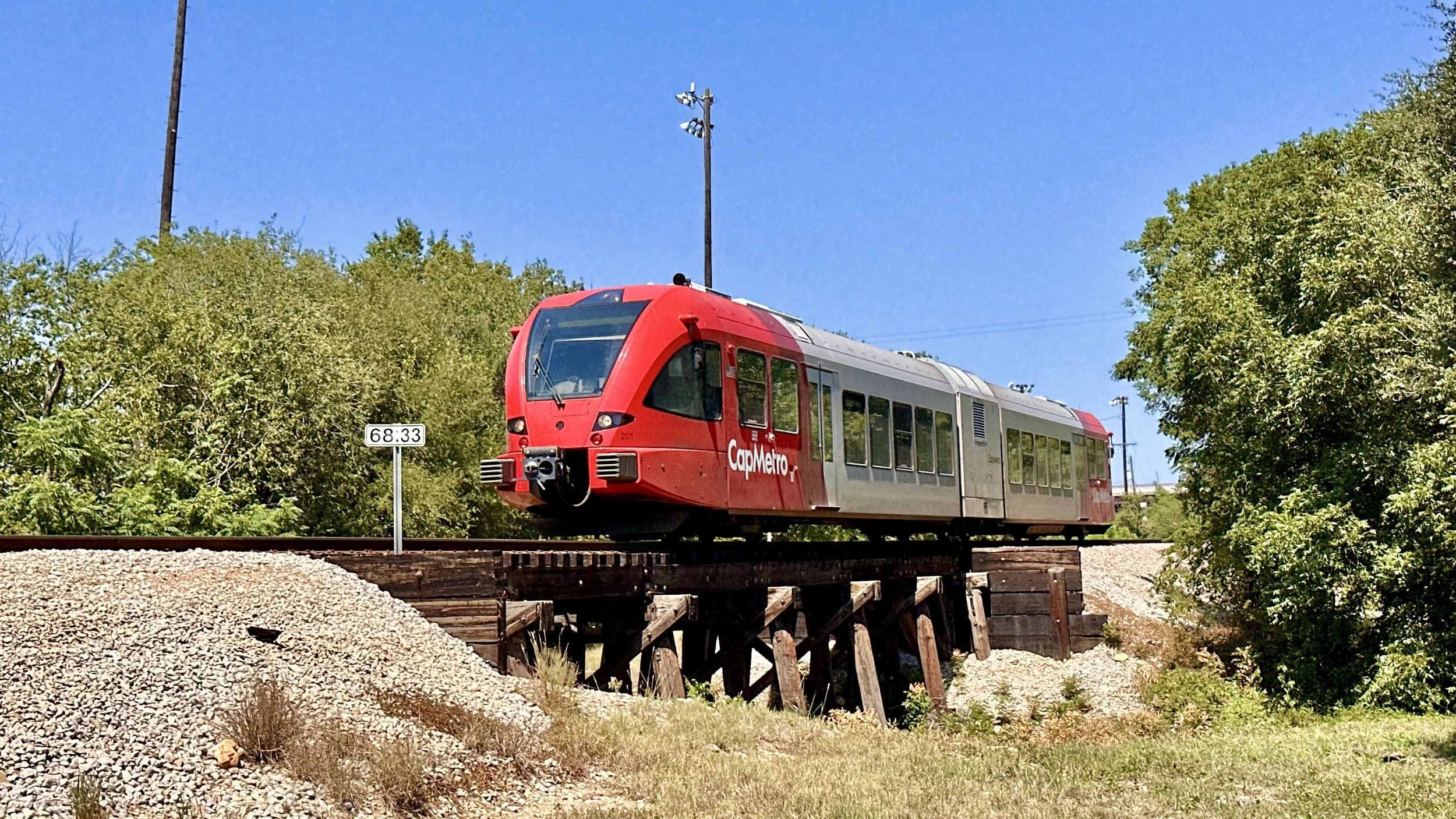
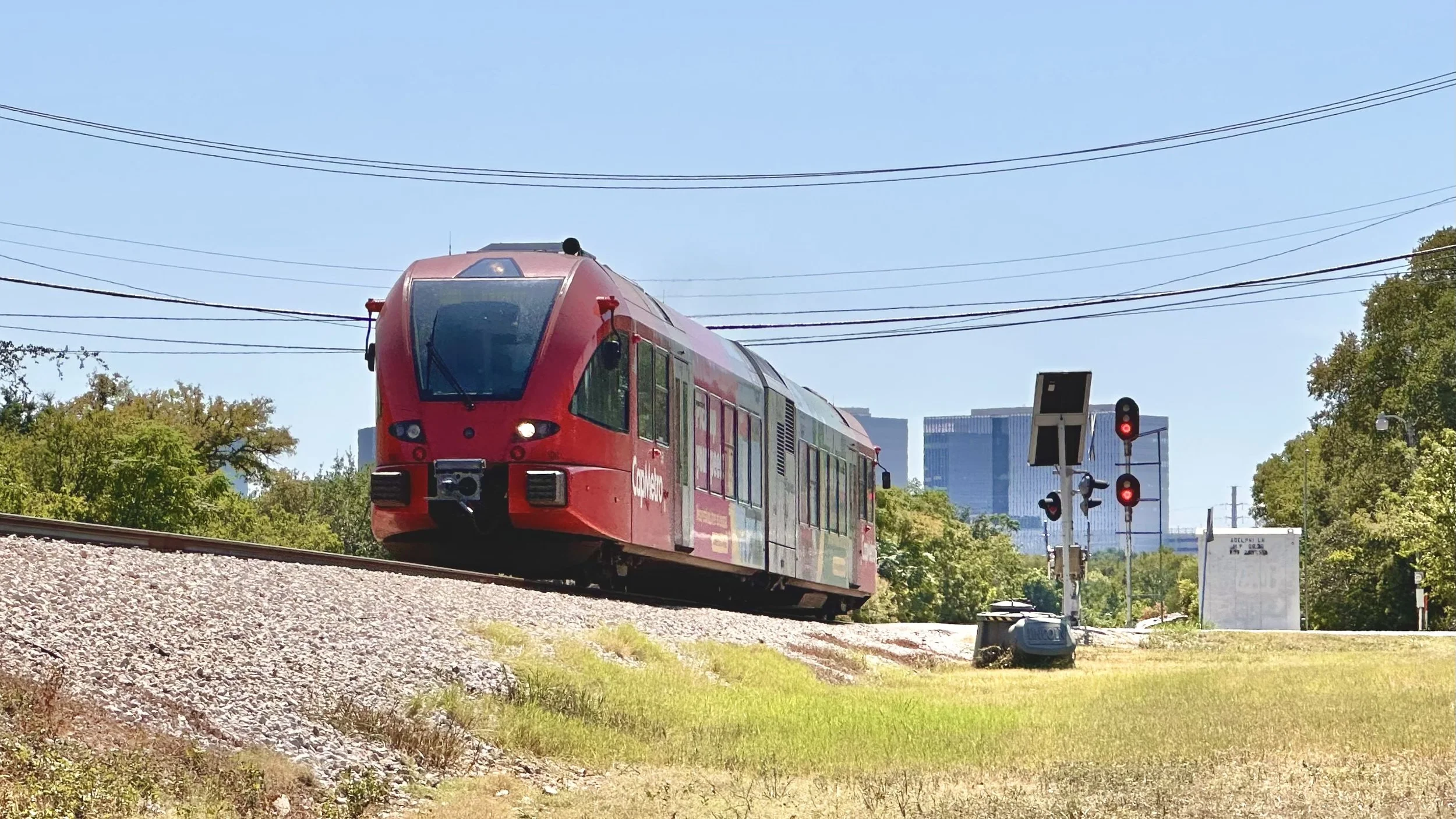
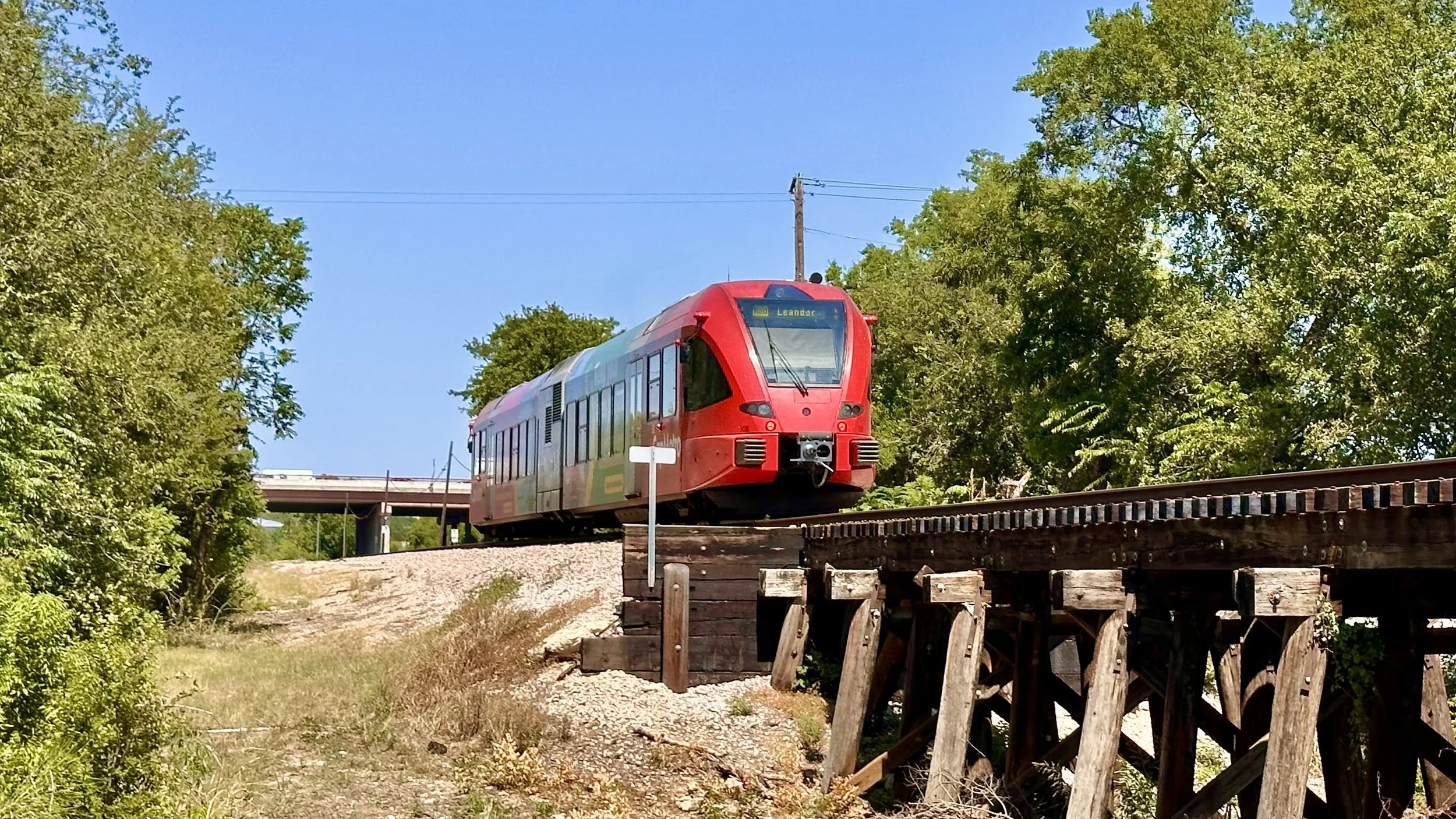
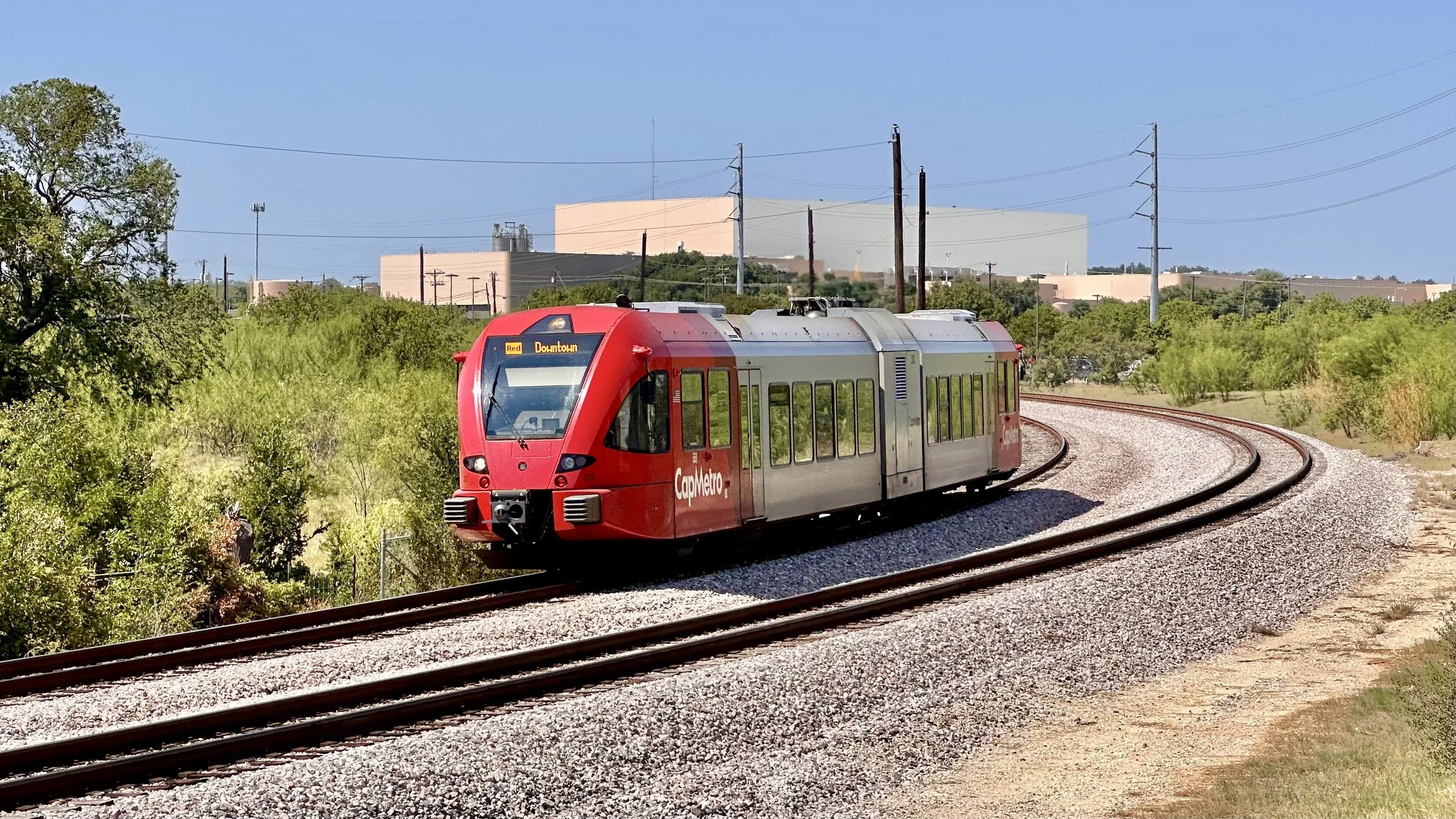
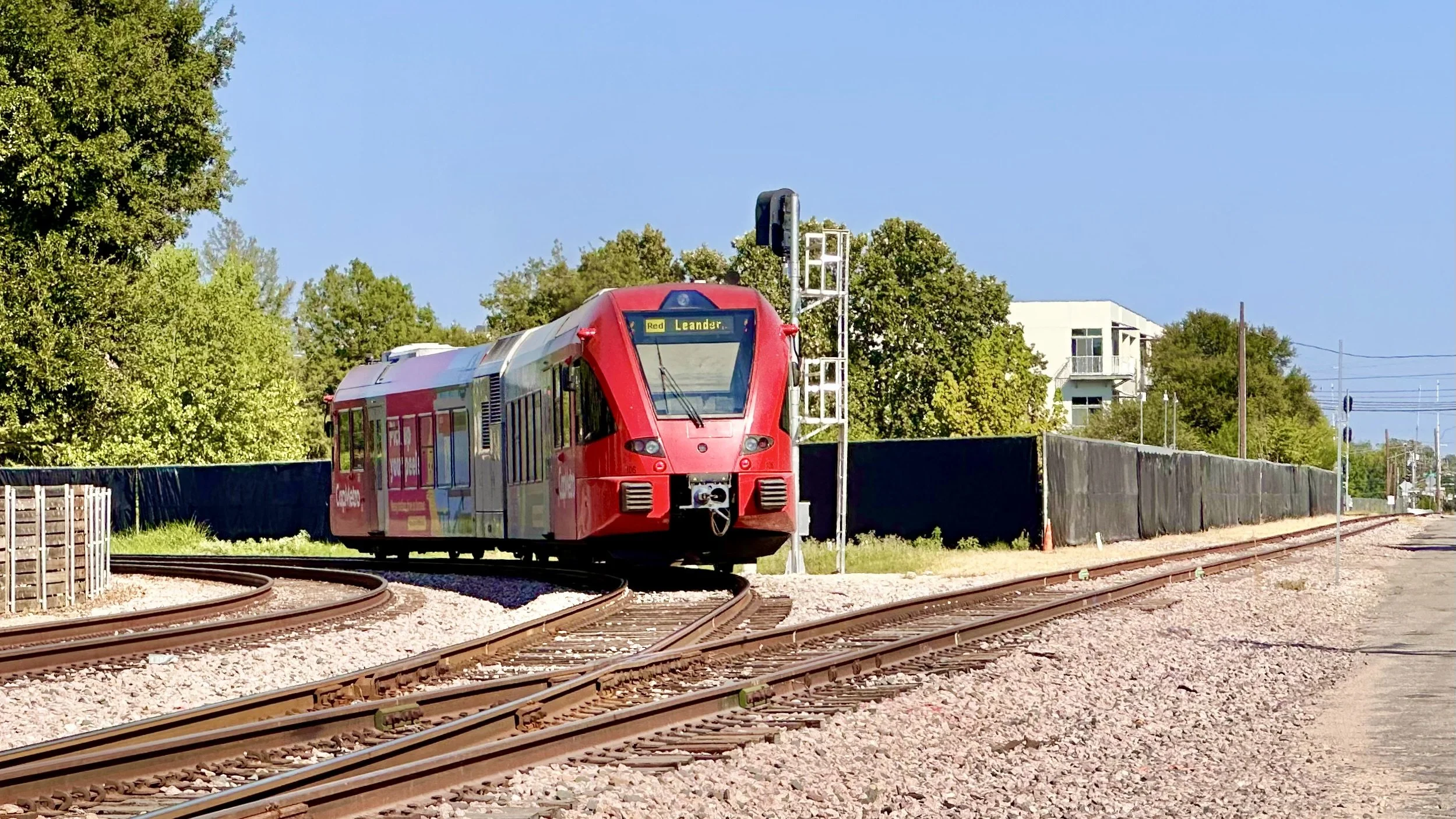
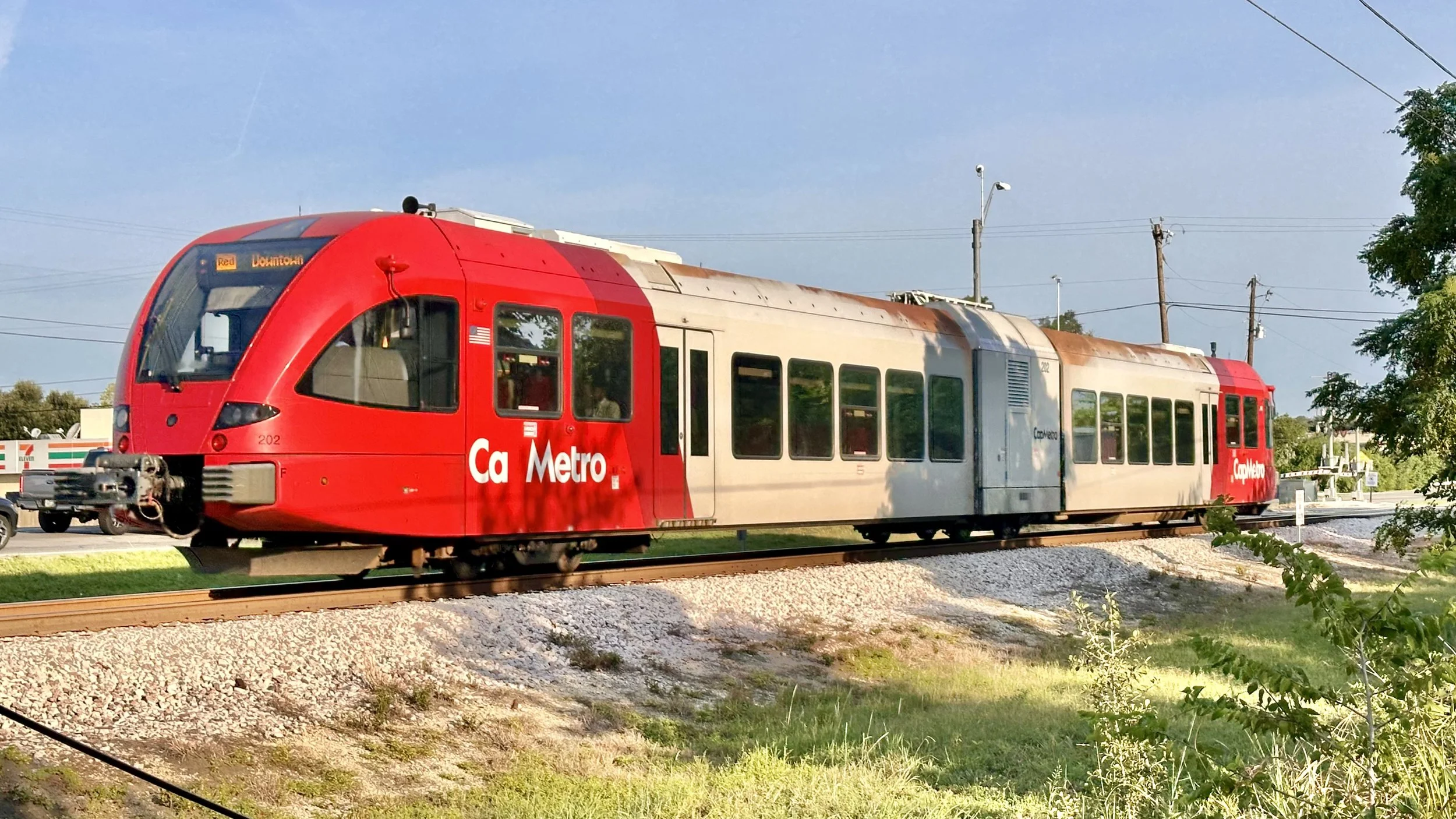
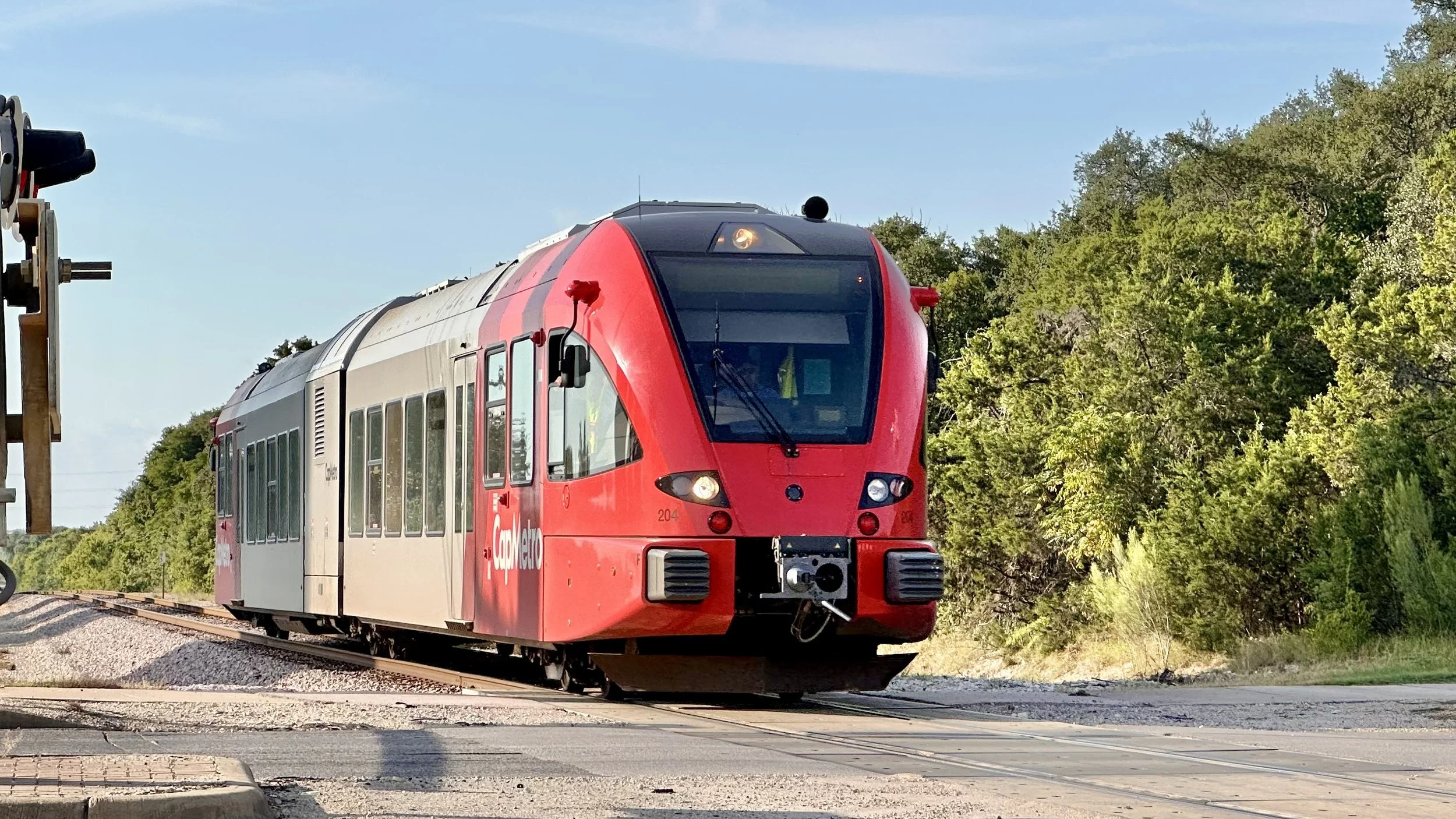
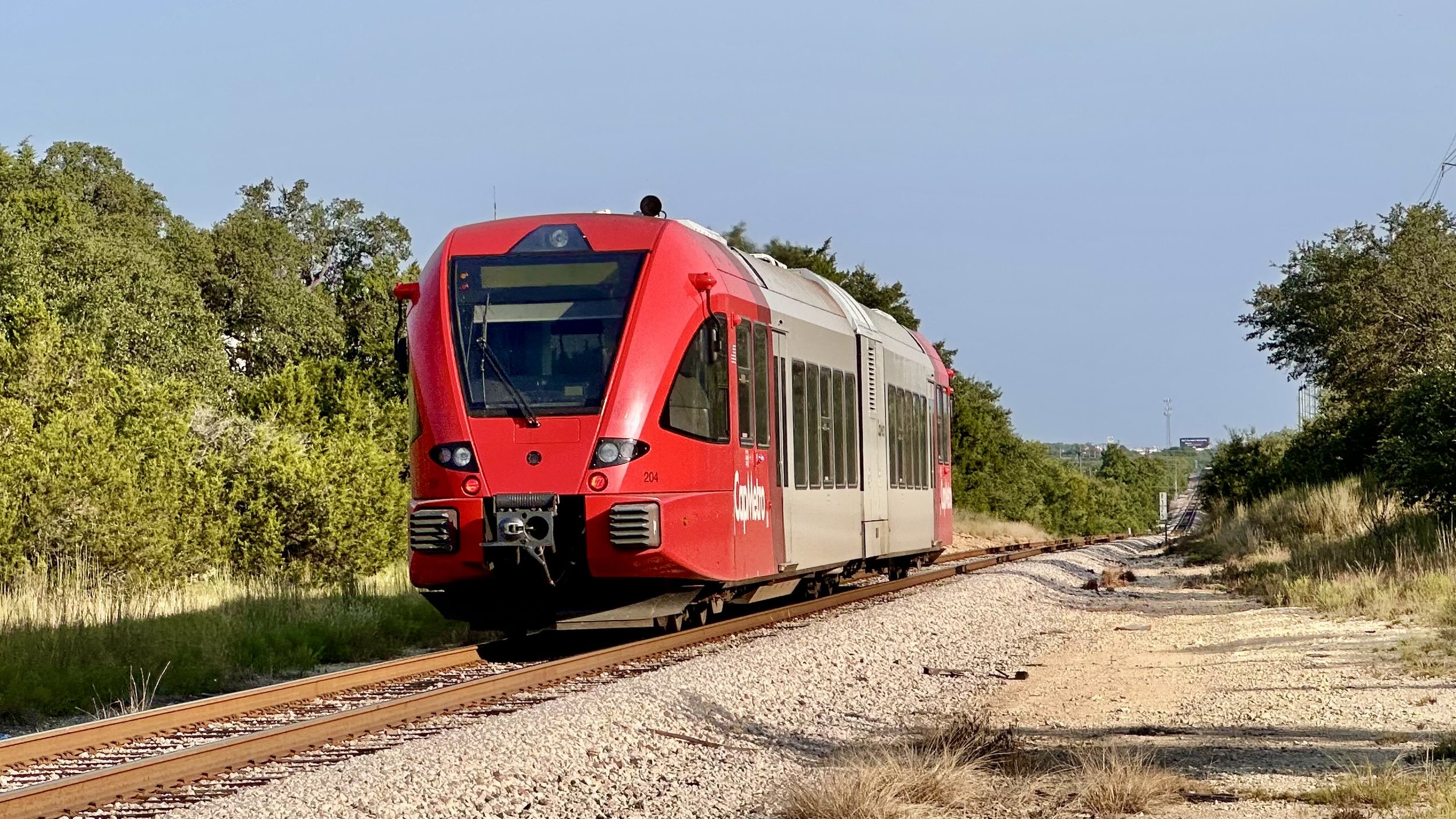
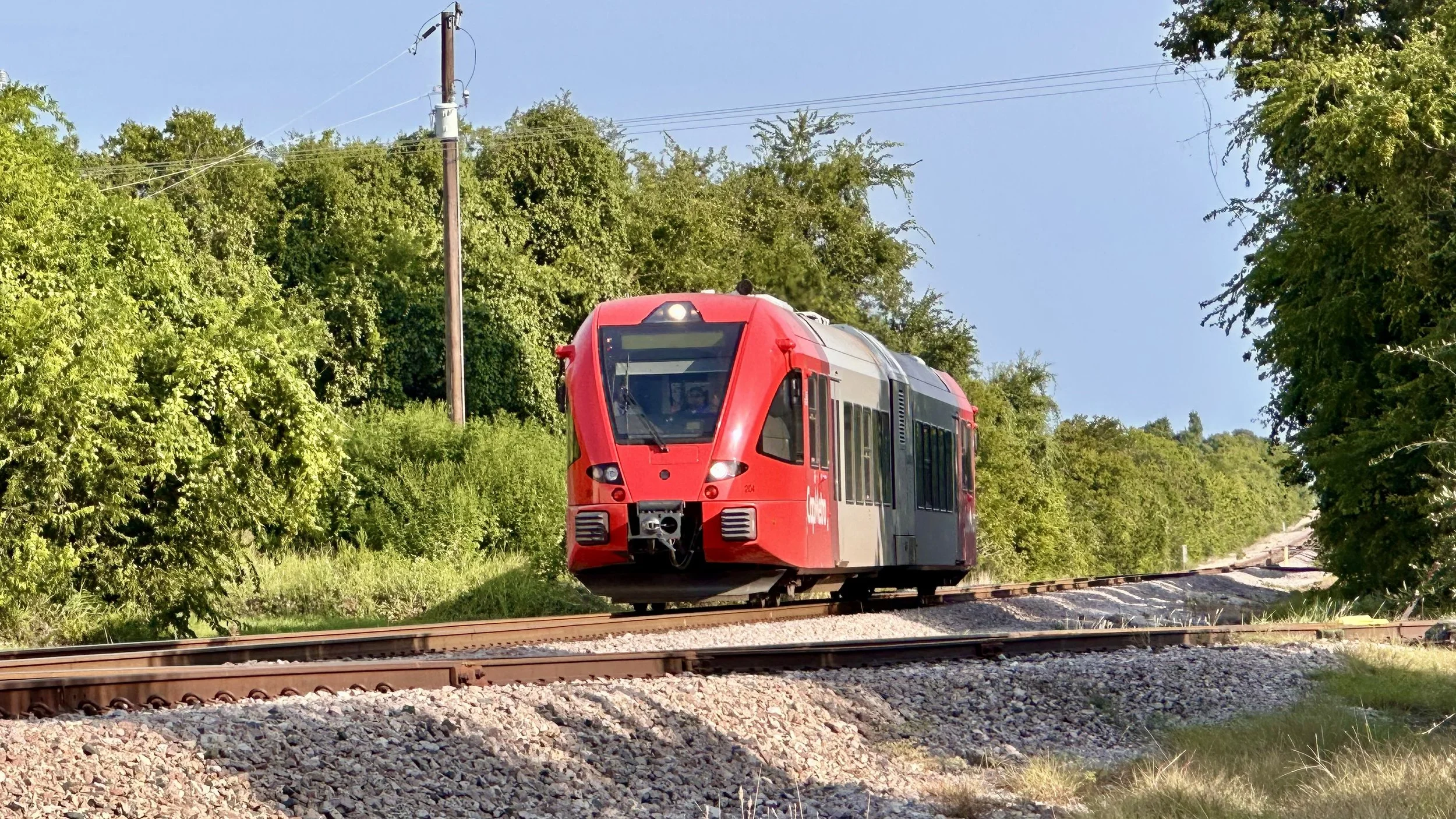
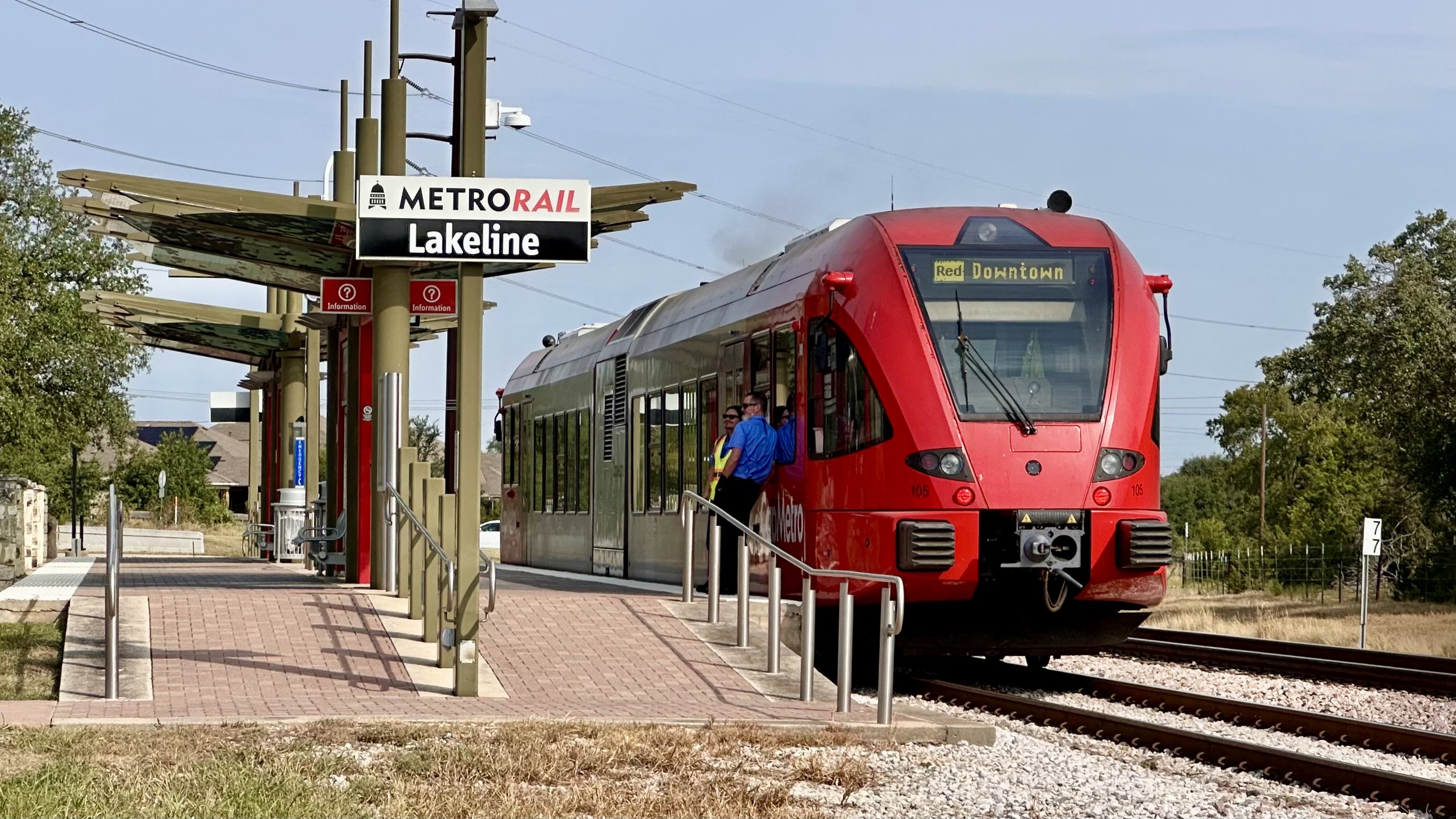
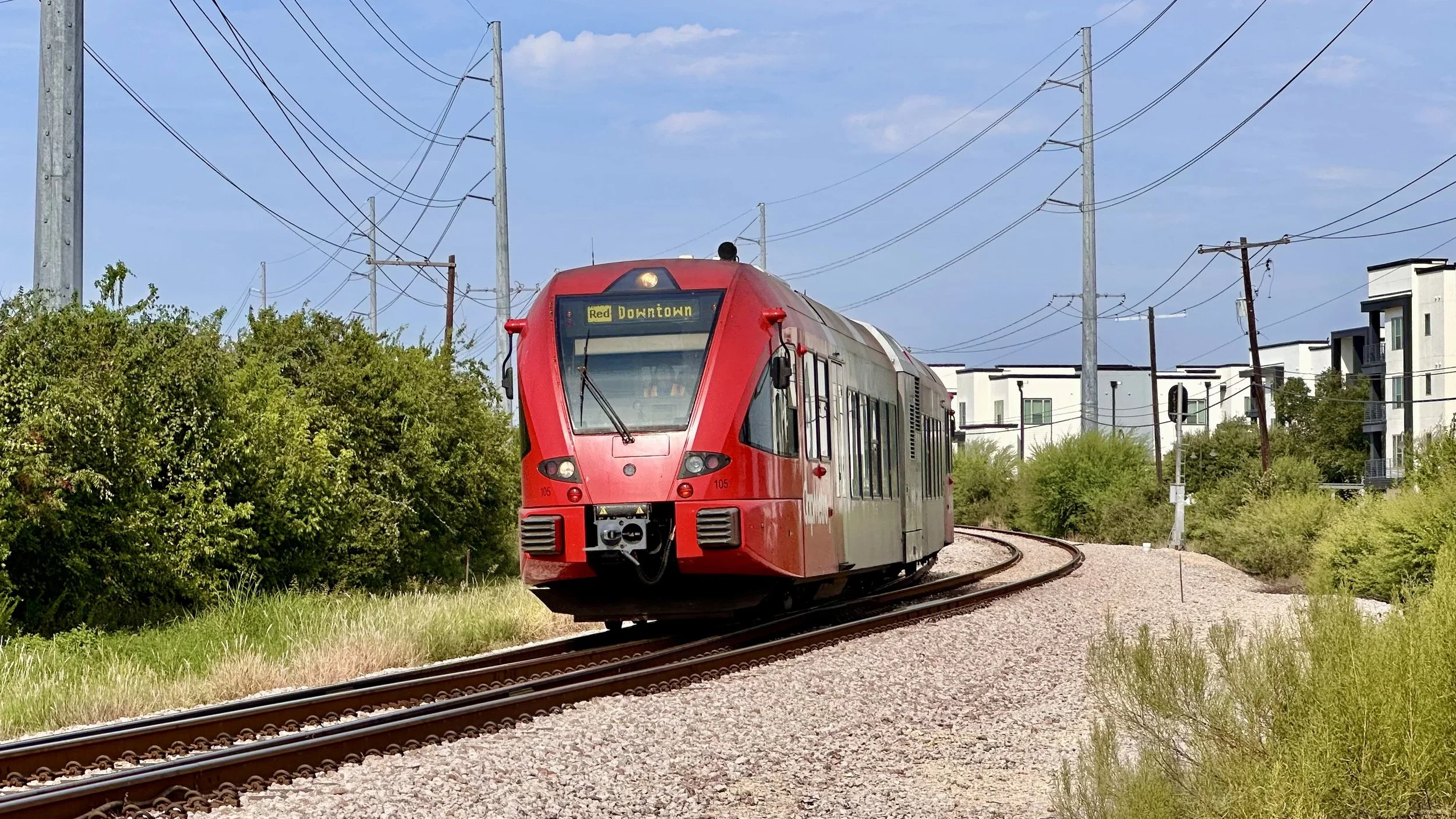
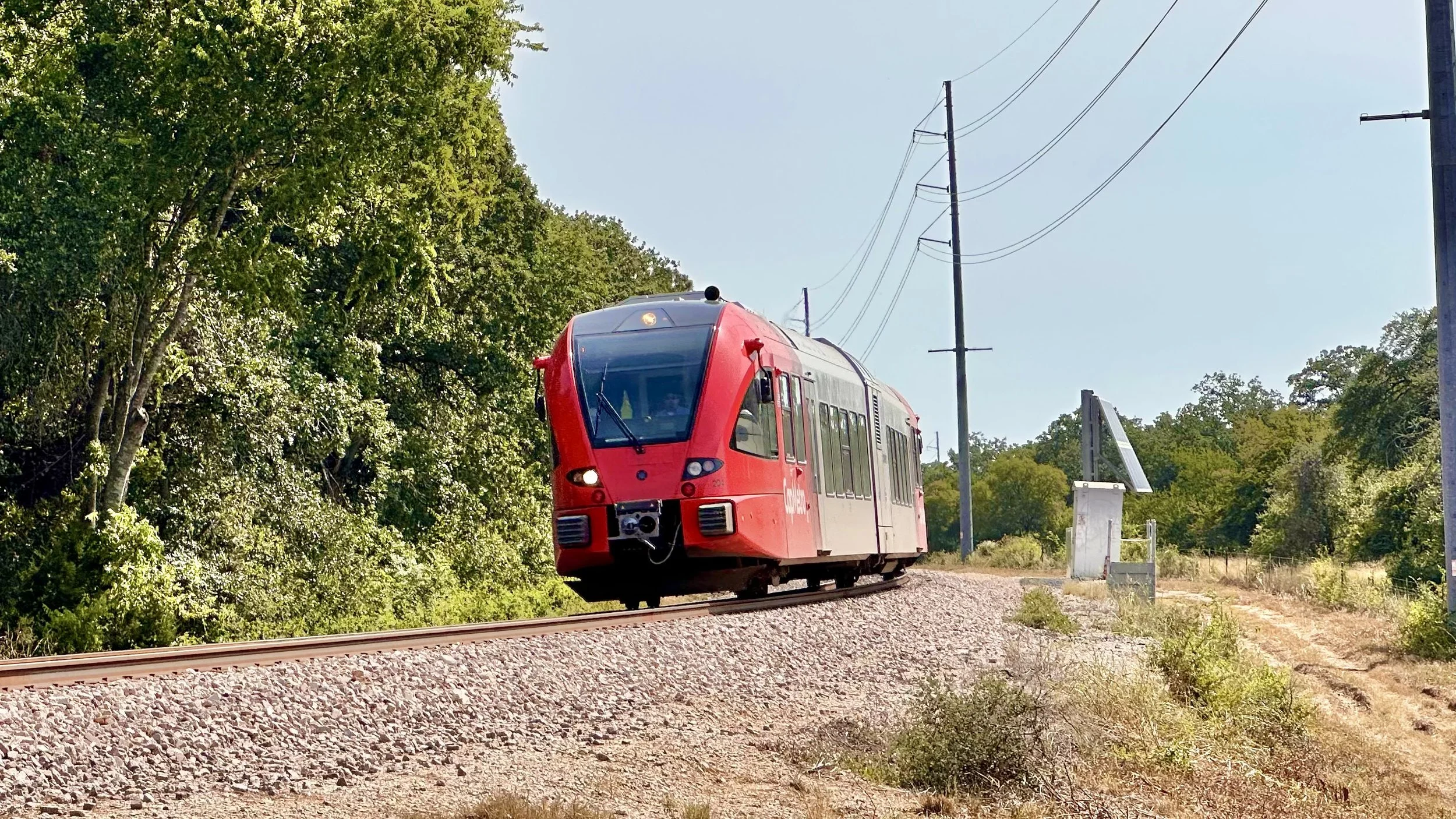
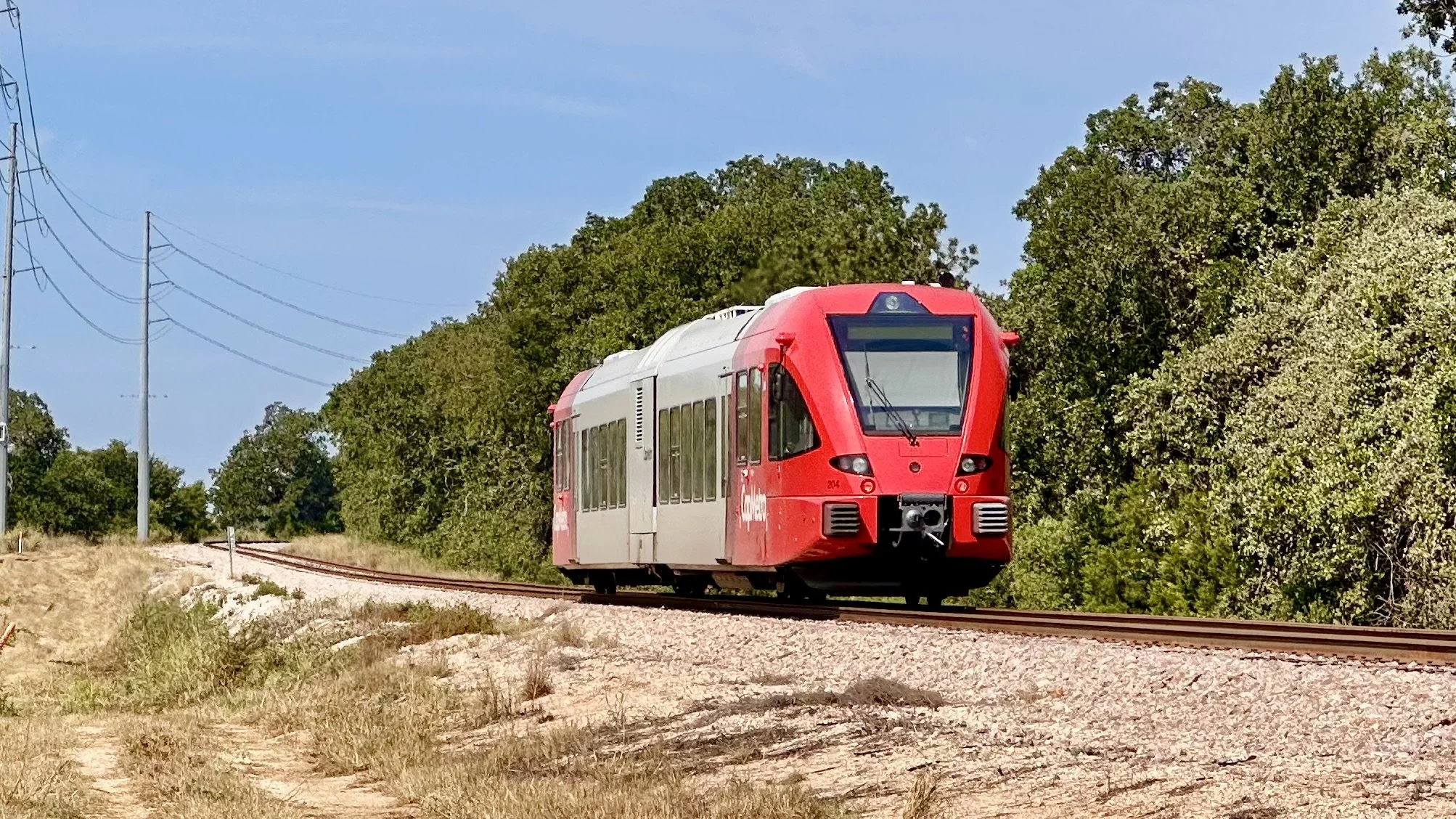
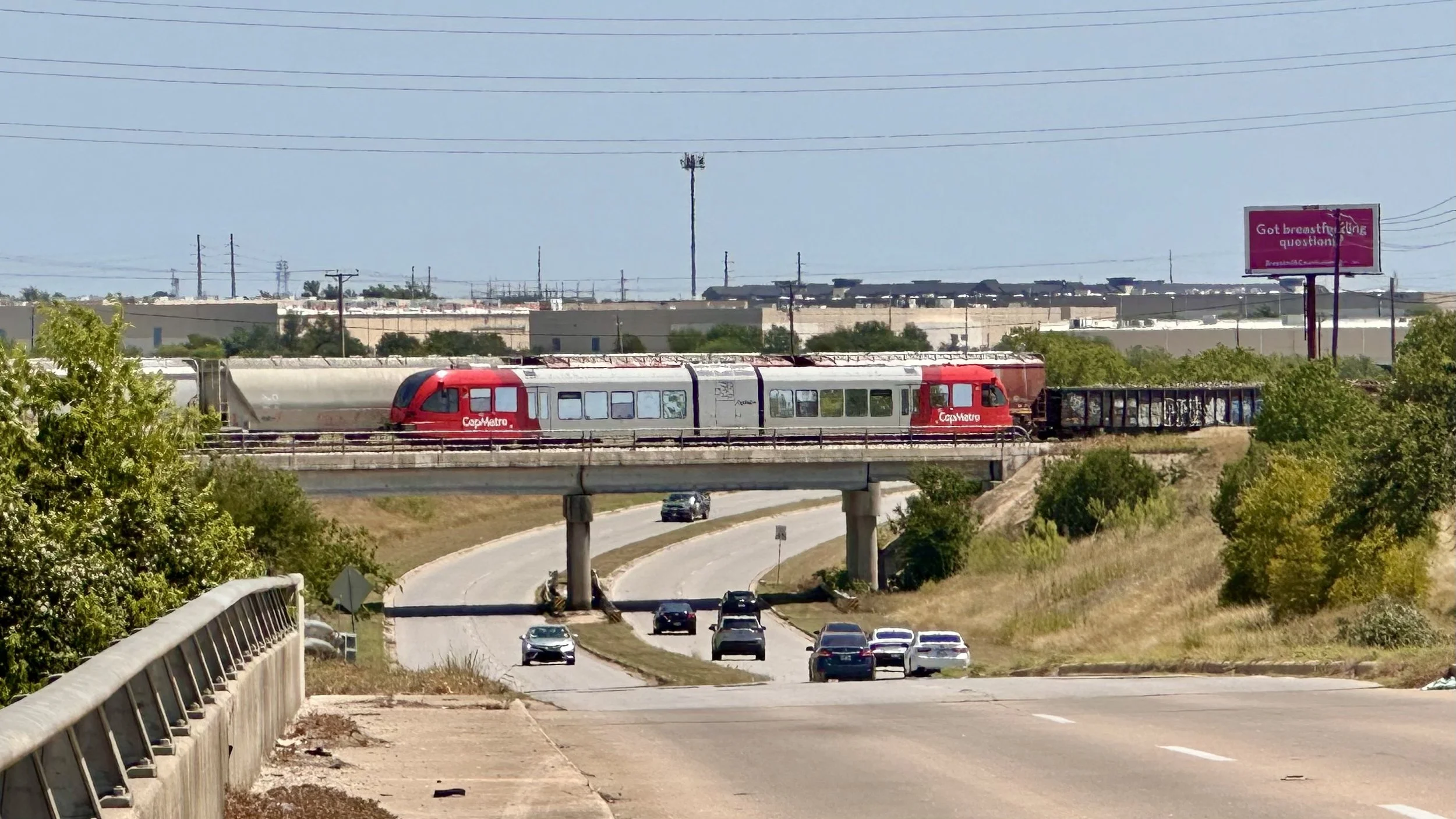
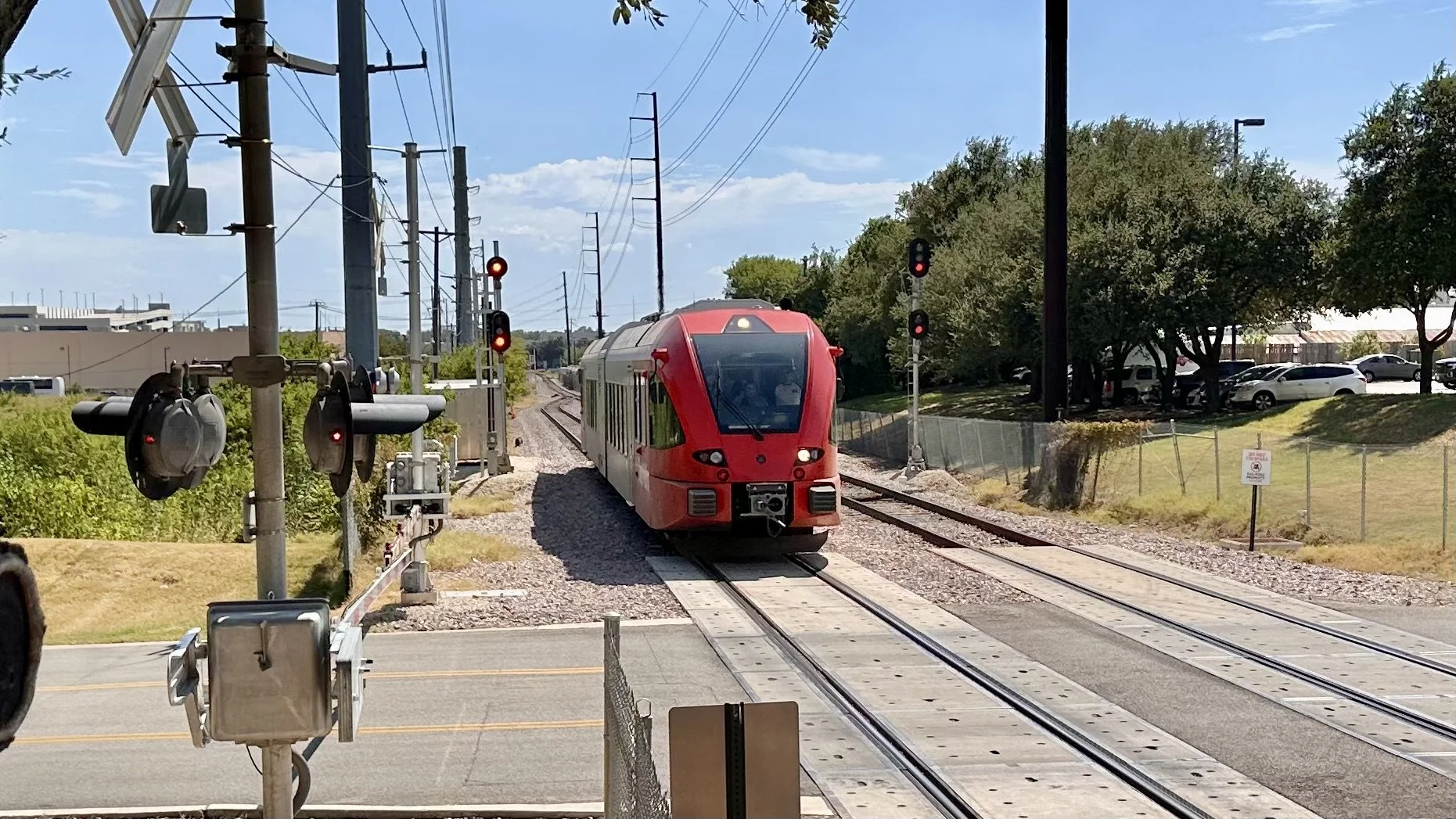
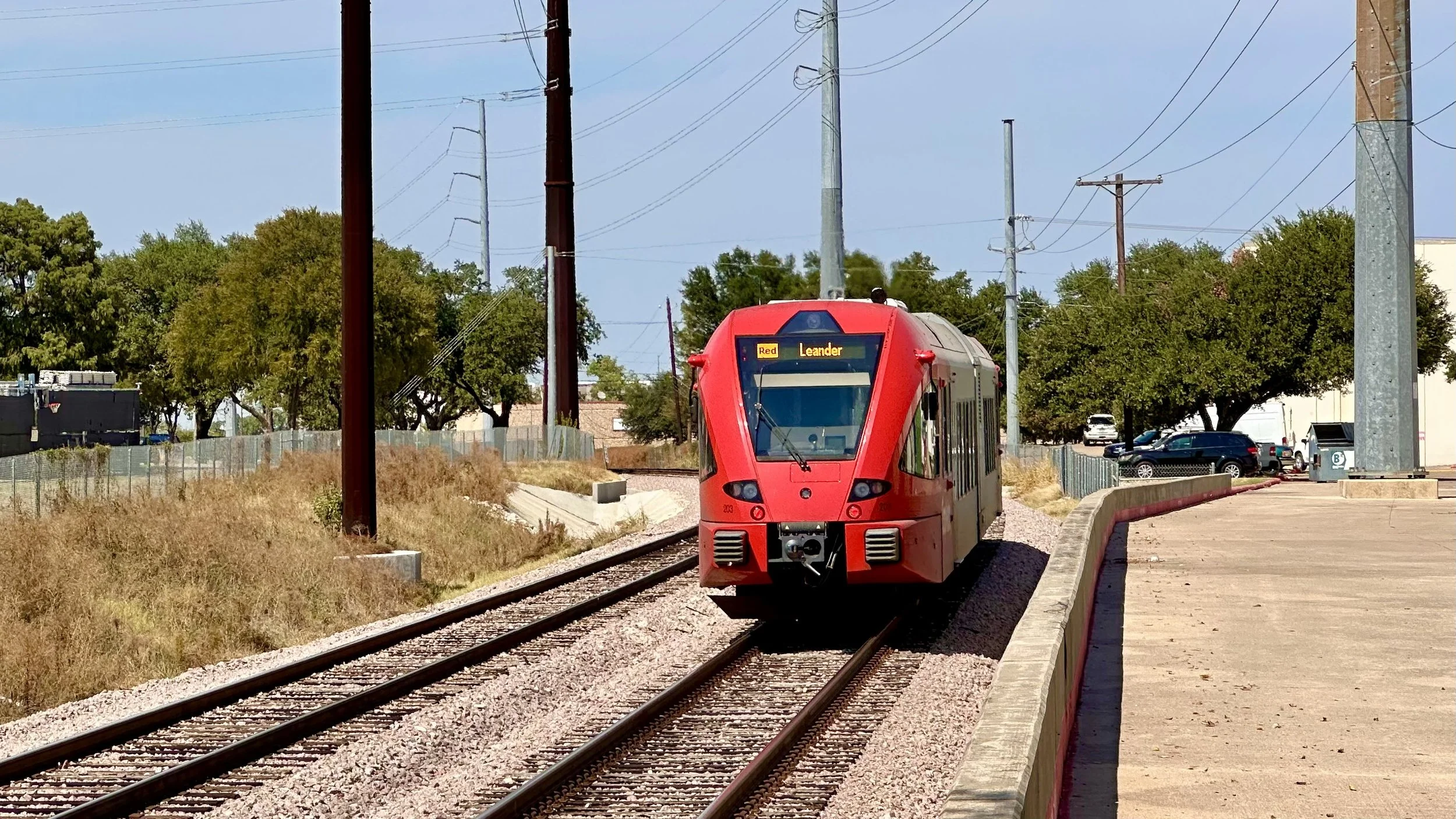
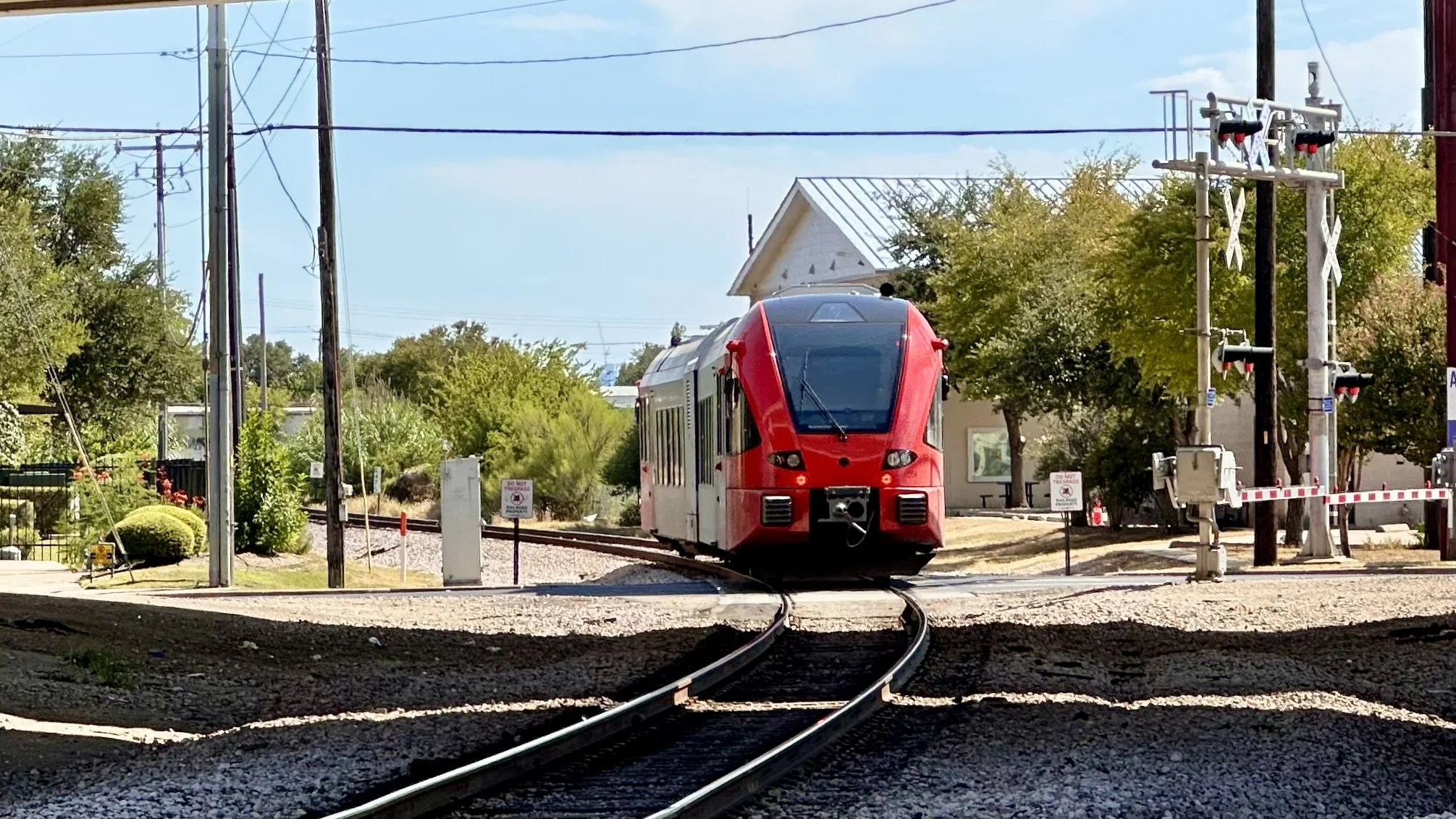
The first of a suite of DMUs to use unmodified Stadler GTW 2/6s (named according to the Swiss locomotive classification system, having two powered and six total axels), CapMetro opened its Red Line rail service between downtown Austin and its northern suburbs in 2010. Unlike almost every other DMU, double-tracking is extremely limited, platforms are only a single DMU long (Plaza Saltillo Station even has only two mini-highs, one for each door), and service is very “peaky”, essentially operating as an ultra-pint-sized traditional commuter rail. While peak-hour peak-direction commuters can see headways as short as every 20min, reverse commute frequencies are as bad as every 90min, and there are very large gaps in service during the middle of the day on portions of the line. Unfortunately, from experience, the Red Line’s operation is reflective of CapMetro’s other transit options, with busses being infrequent, inconvenient, and often phantom.
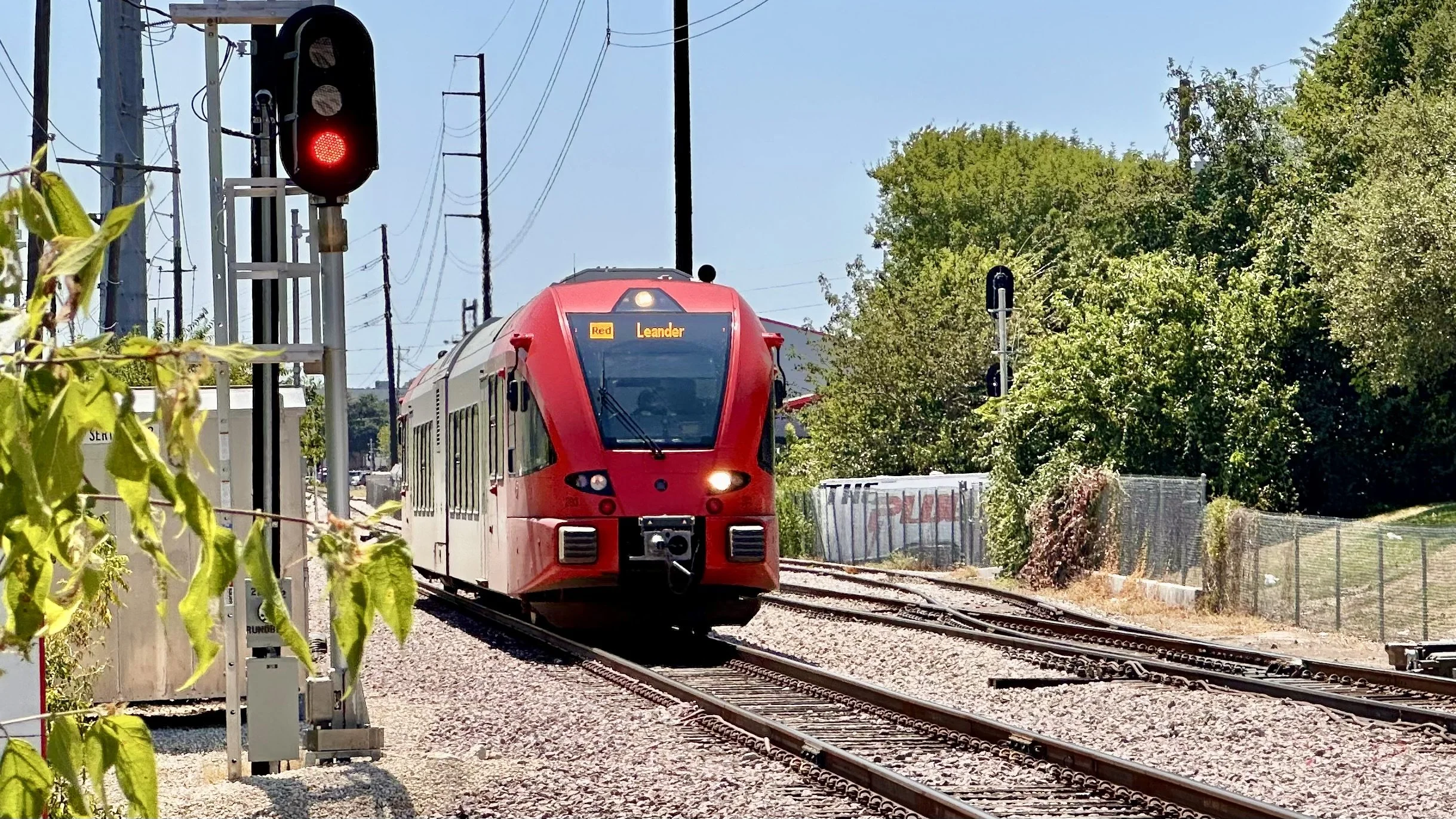
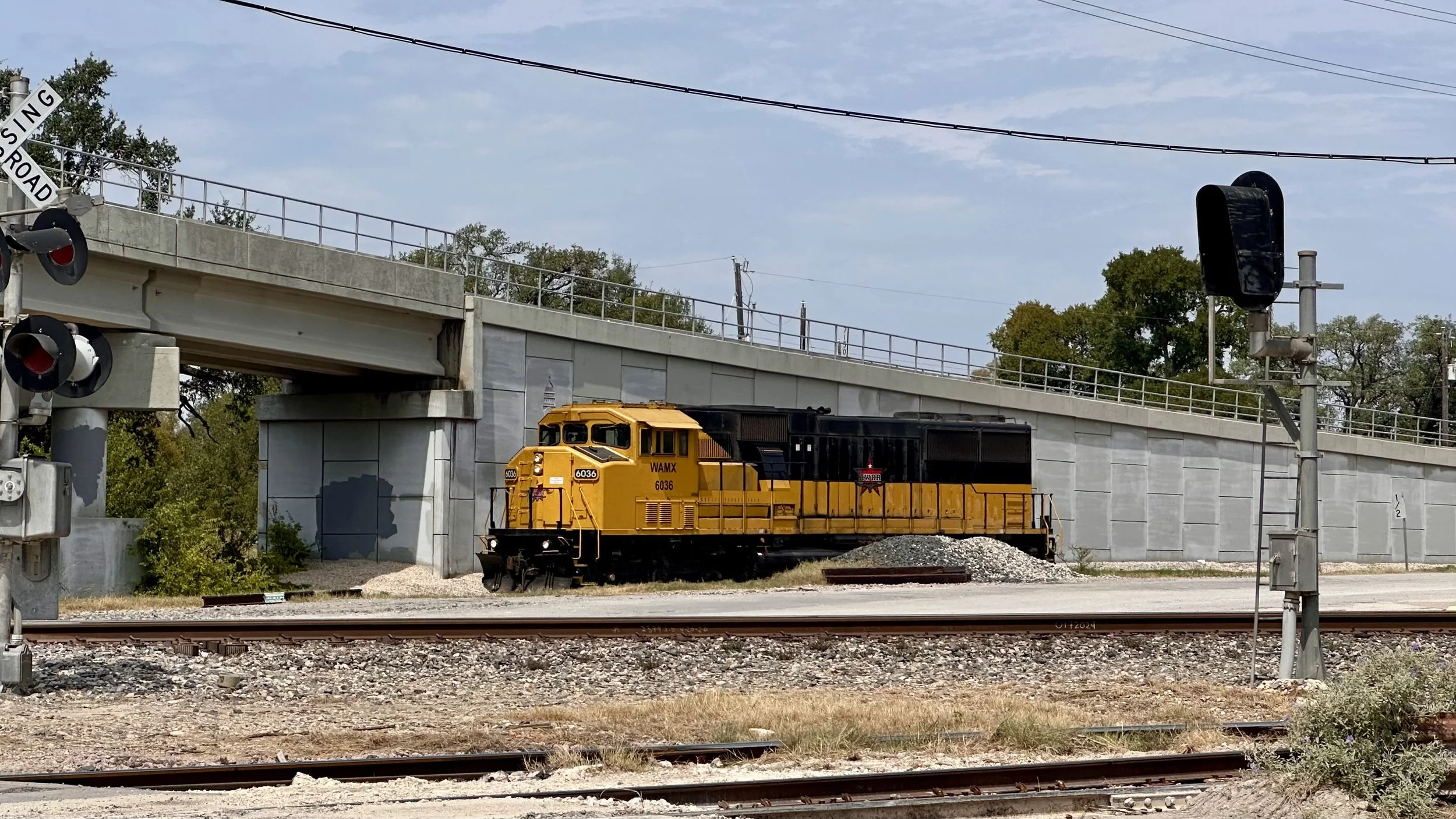
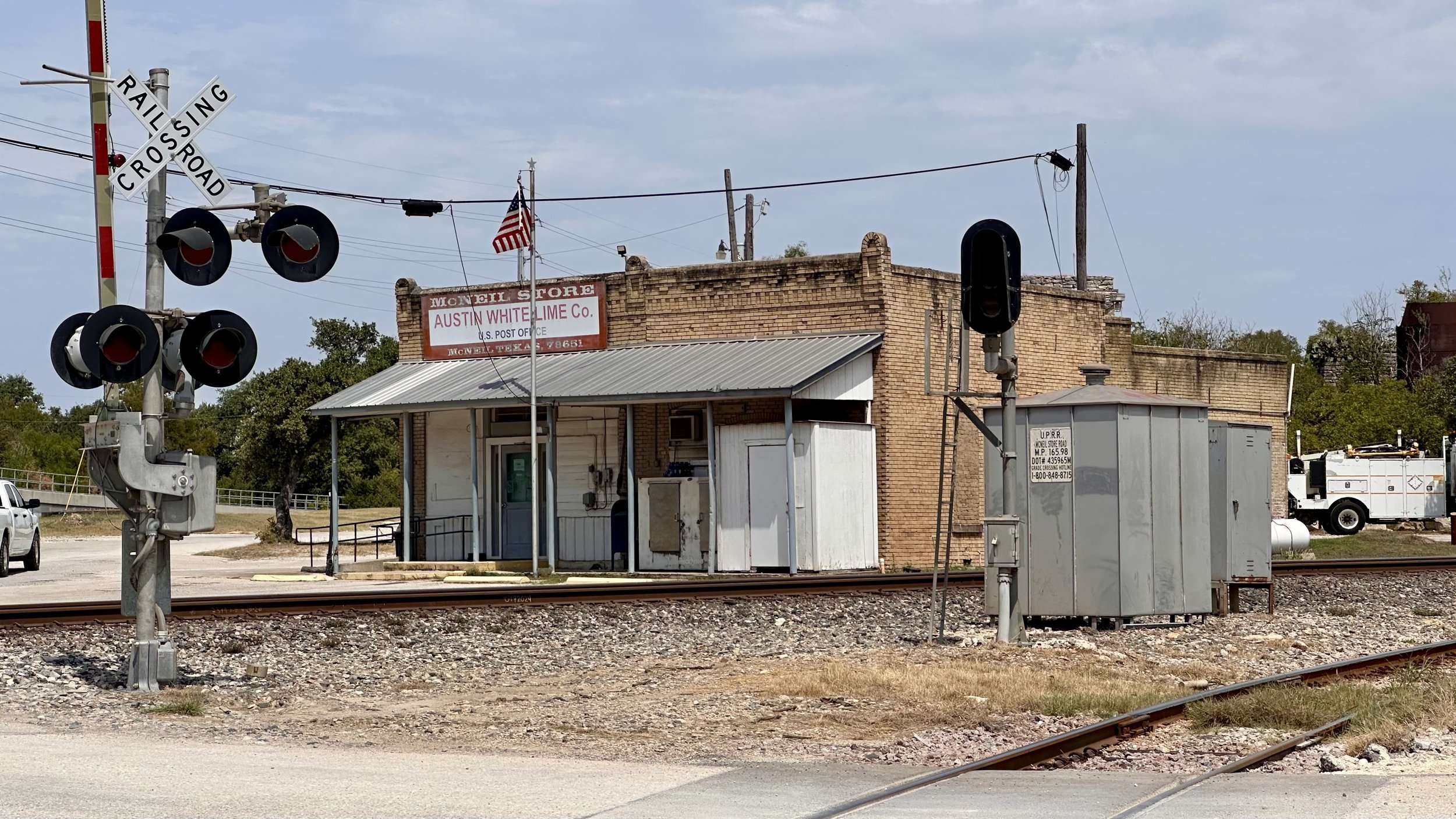
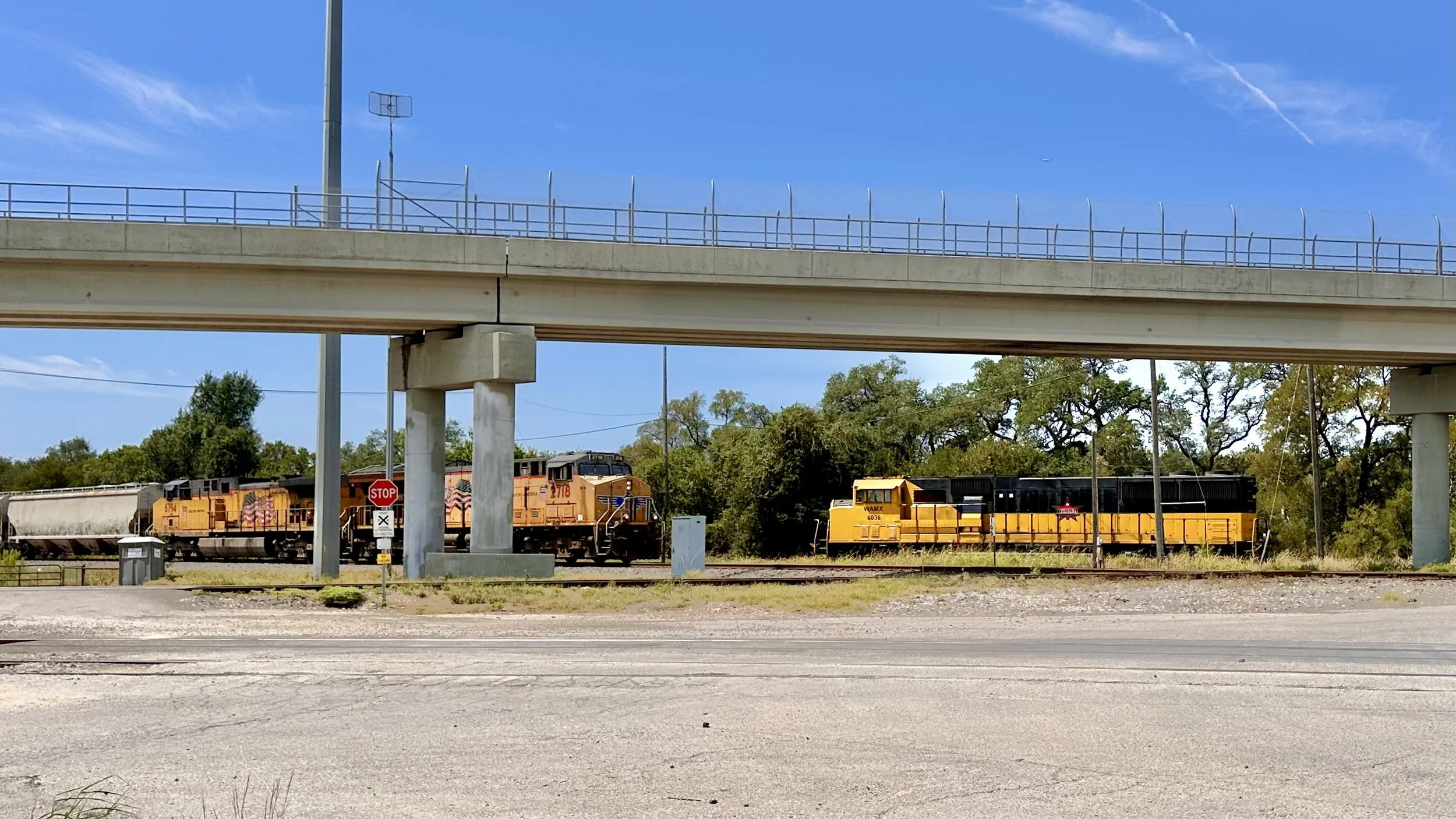
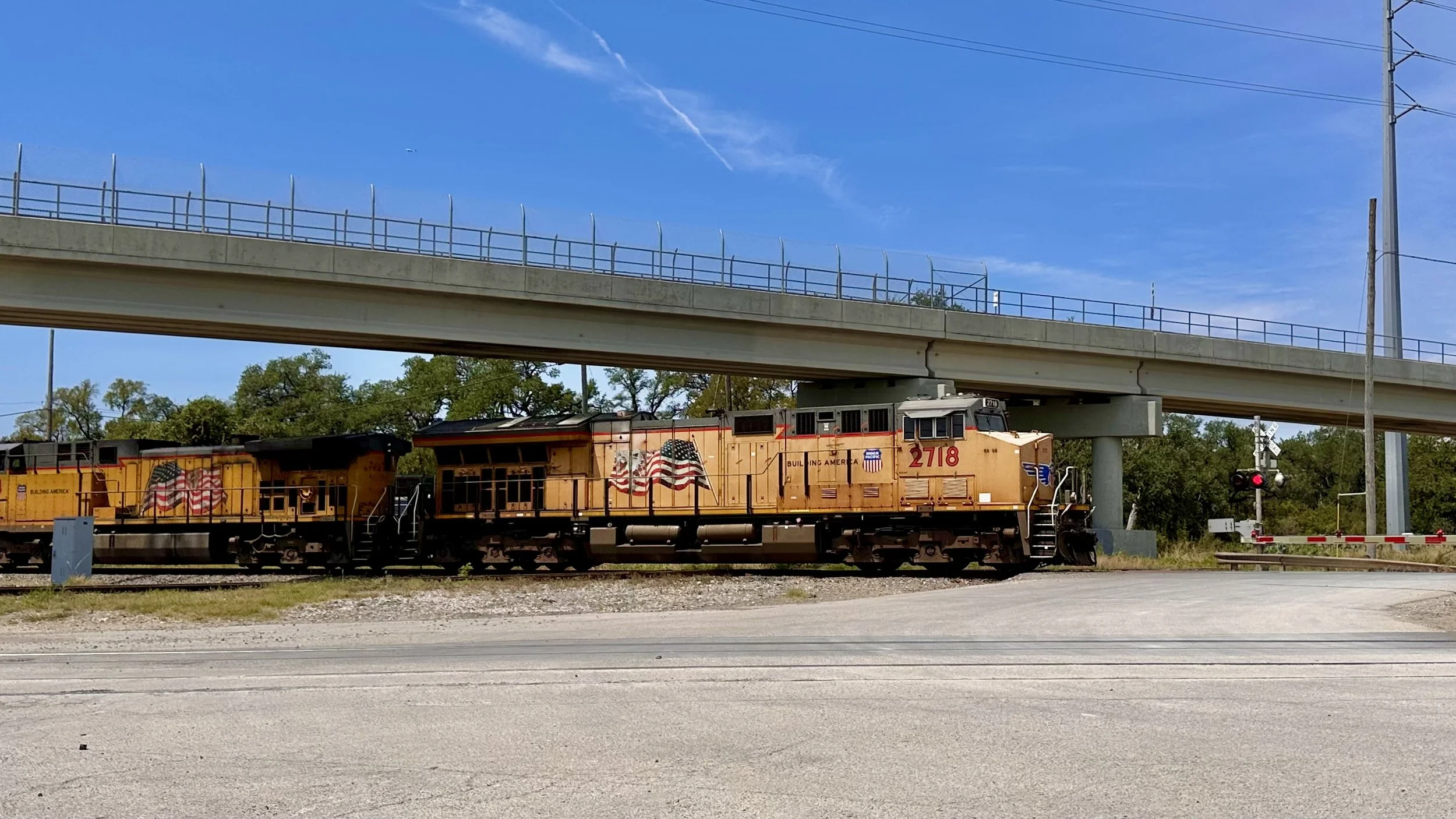
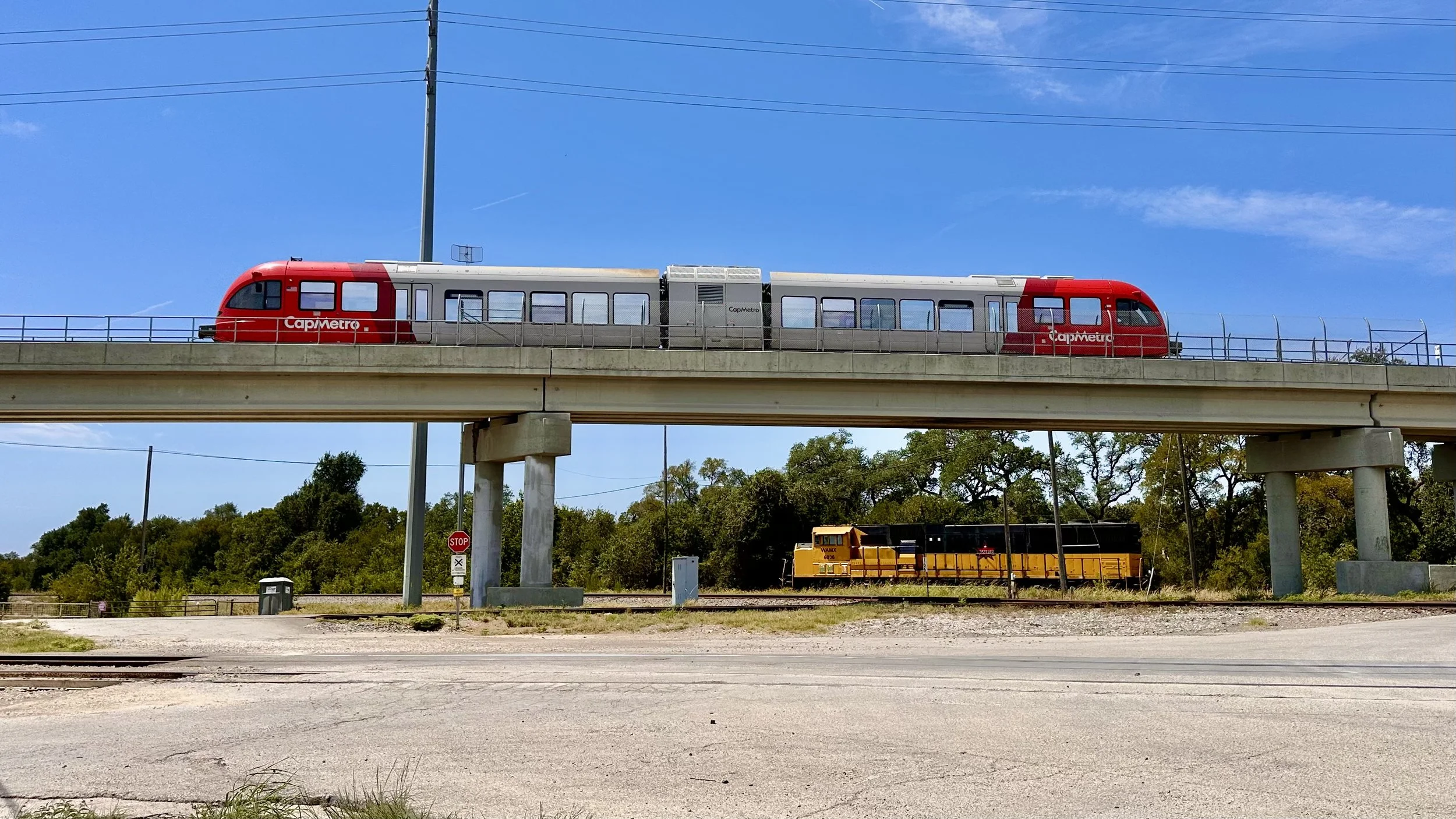
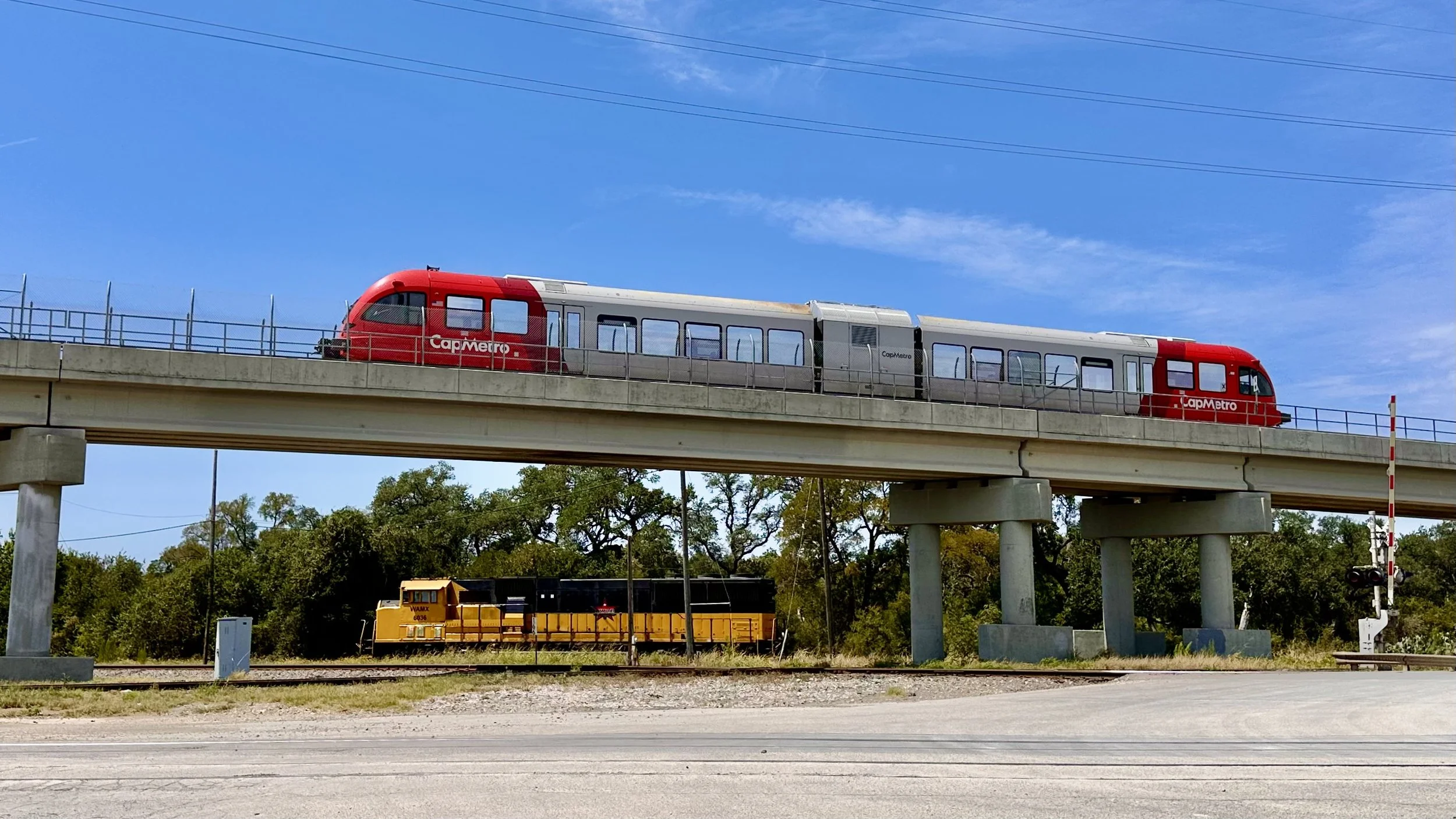
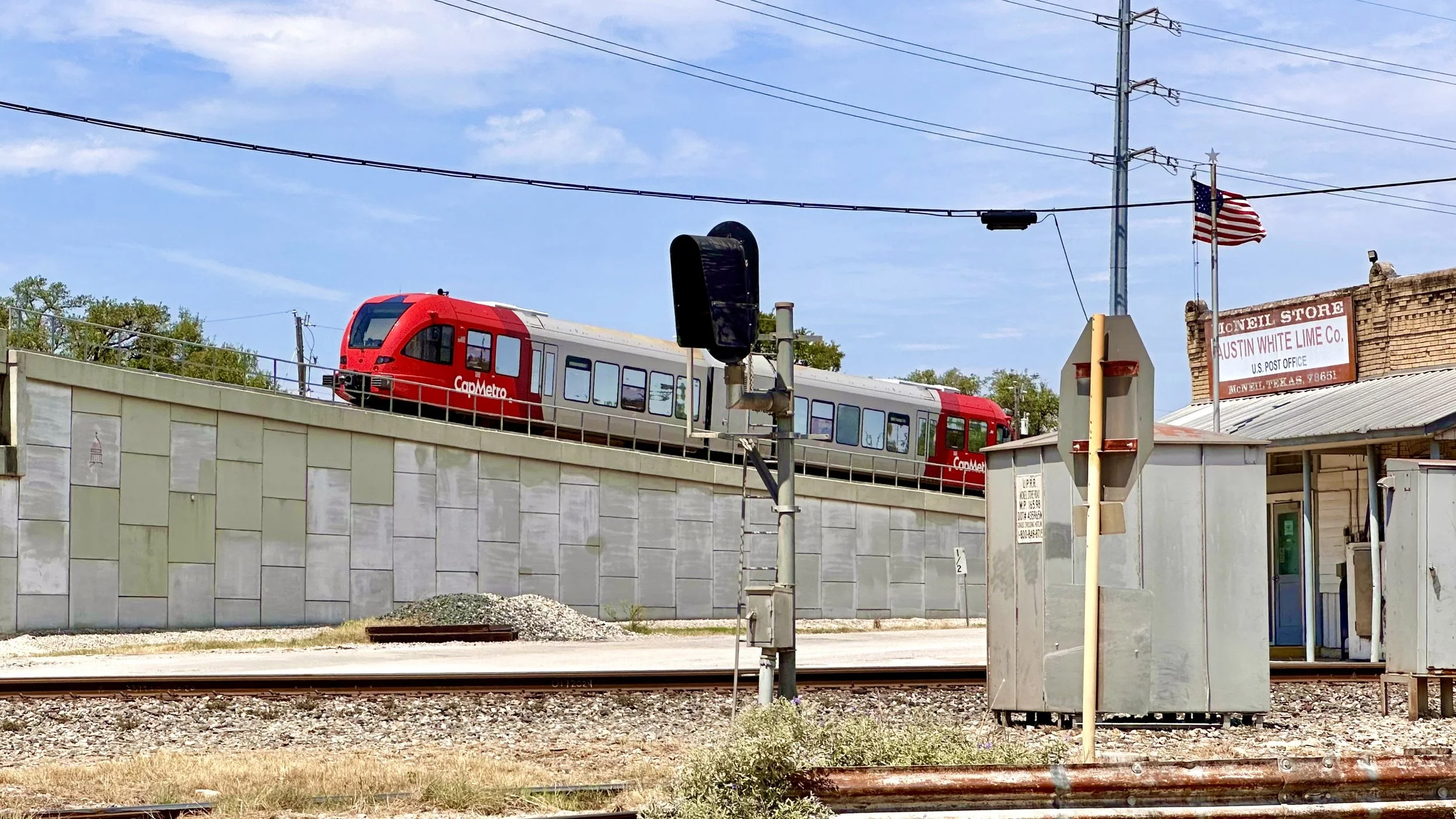
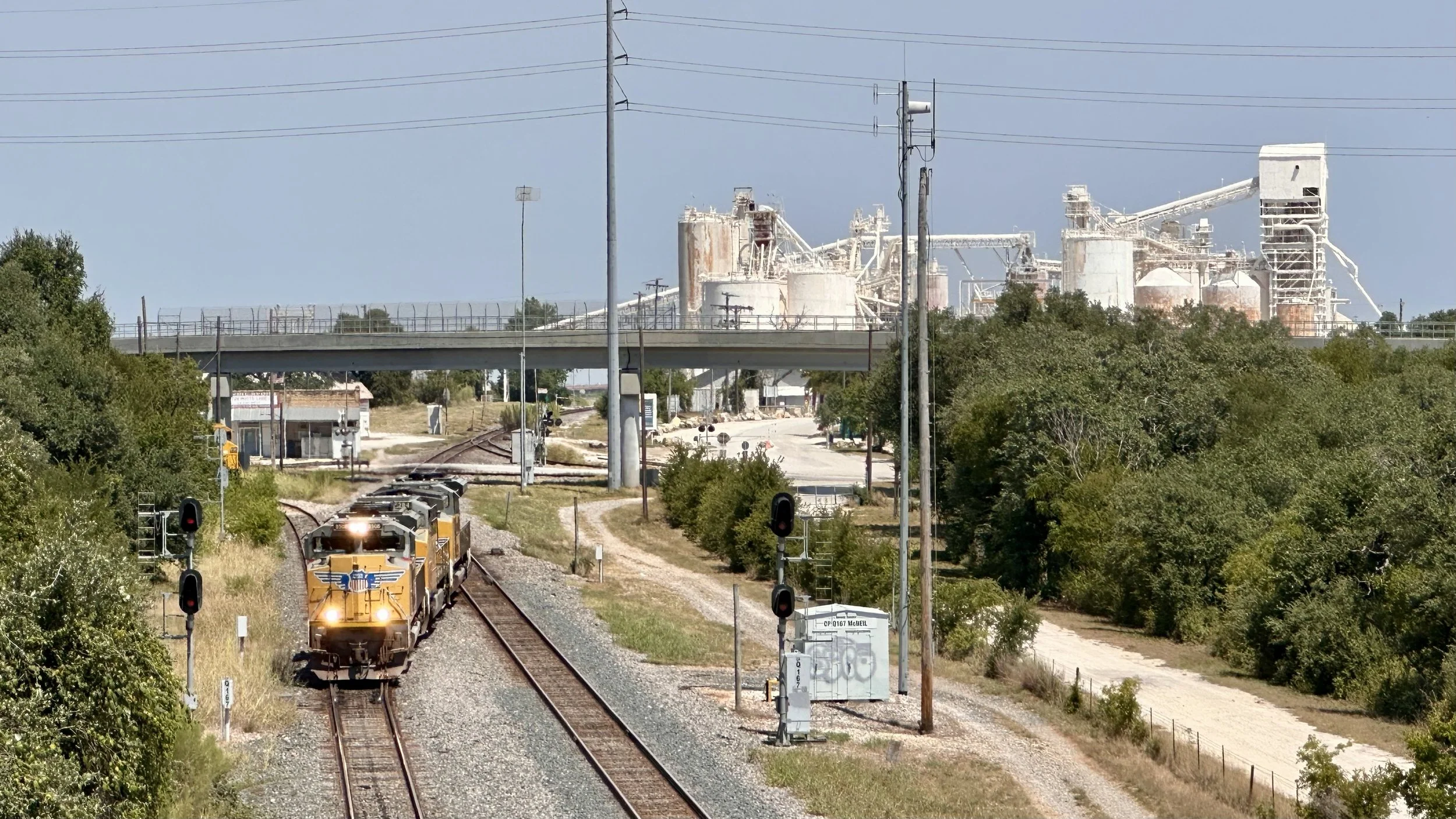
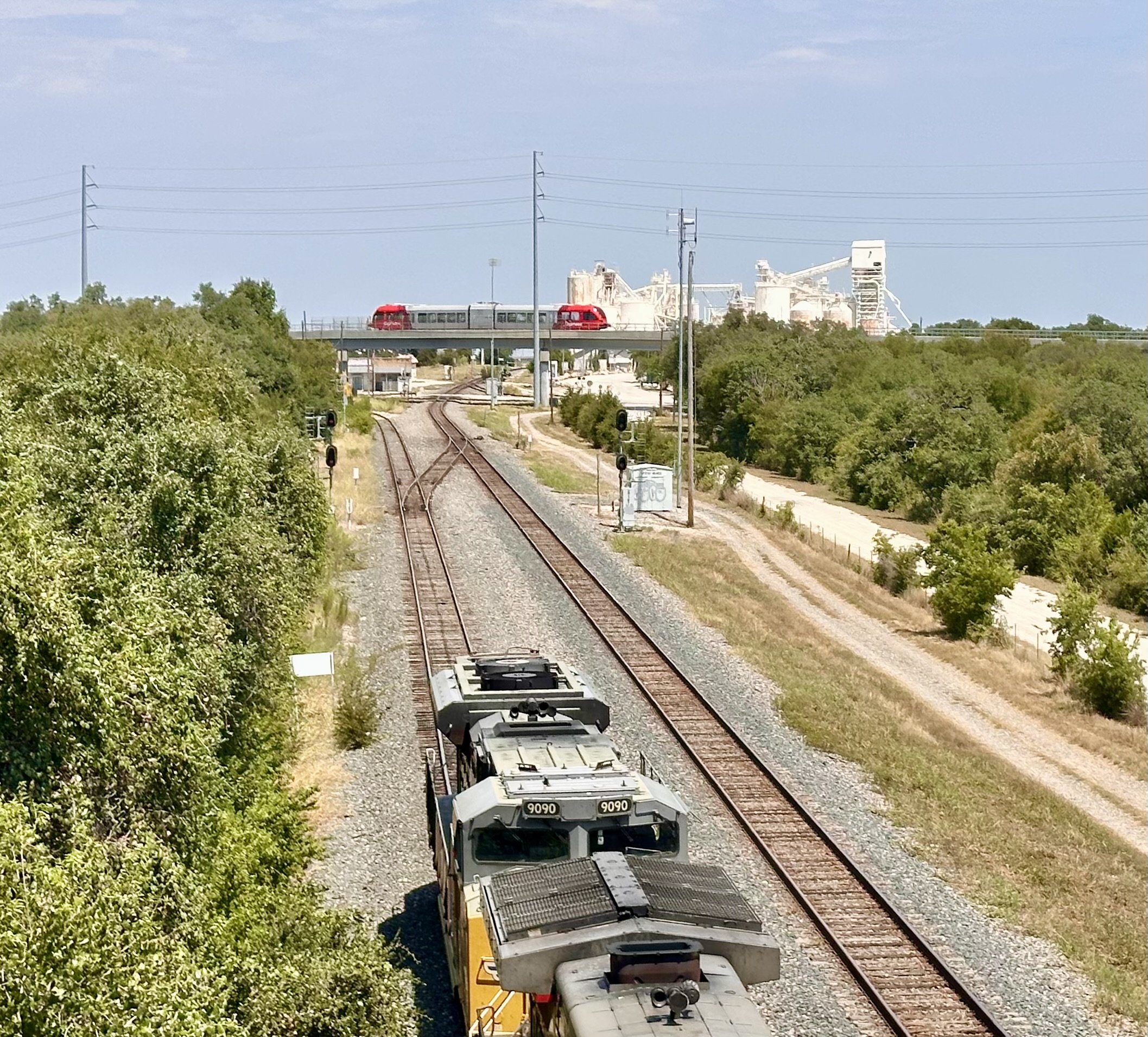
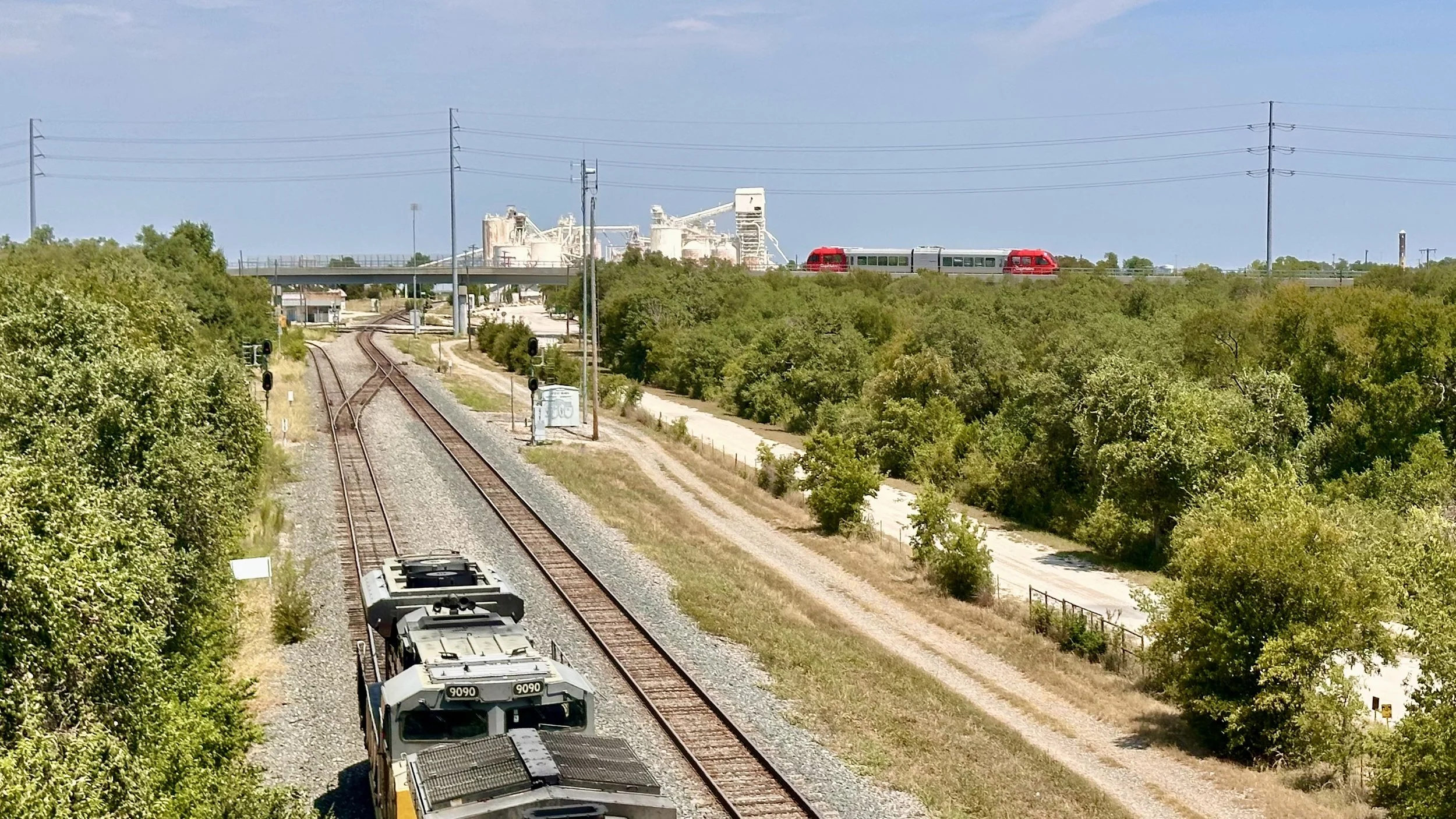
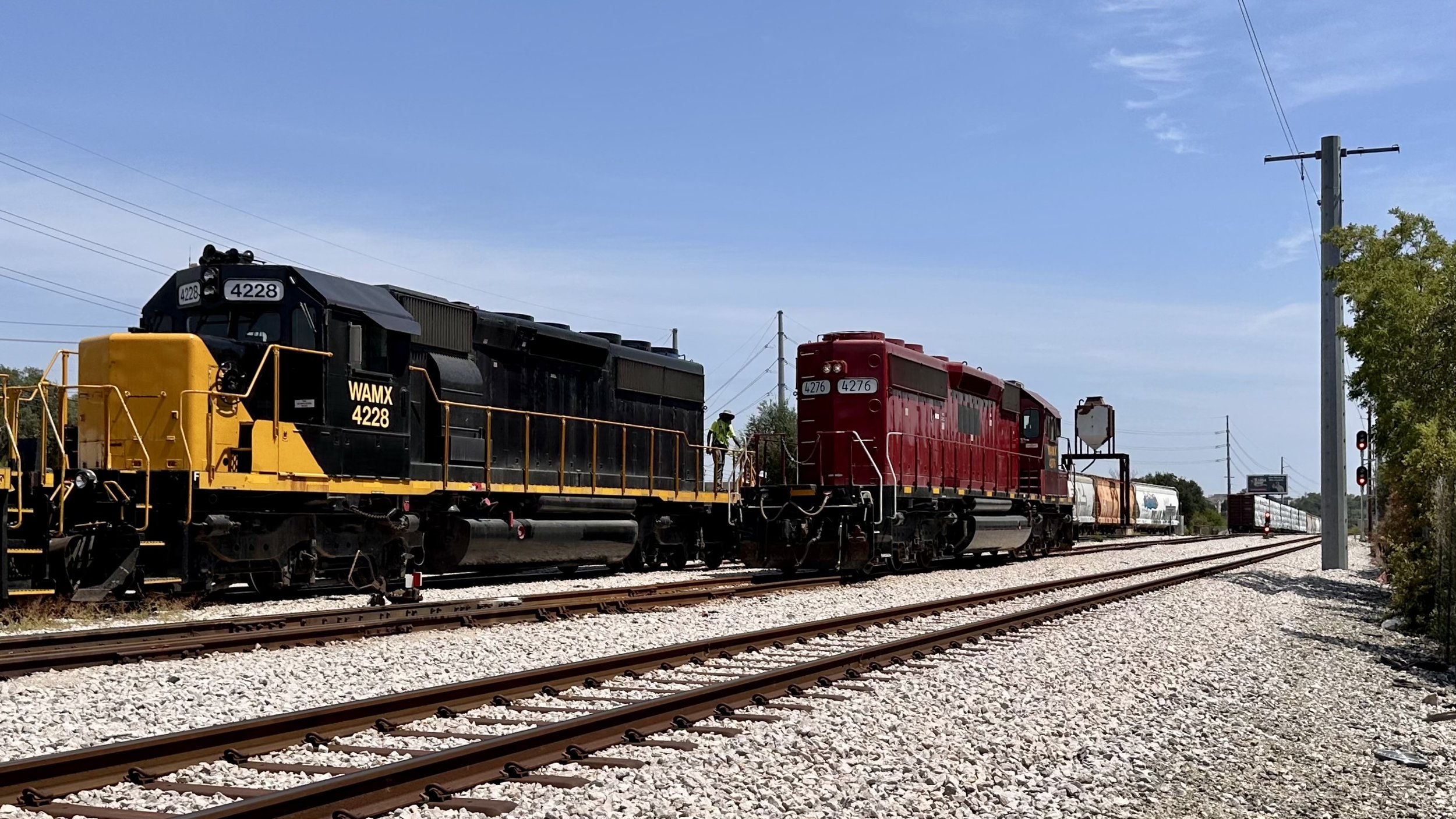
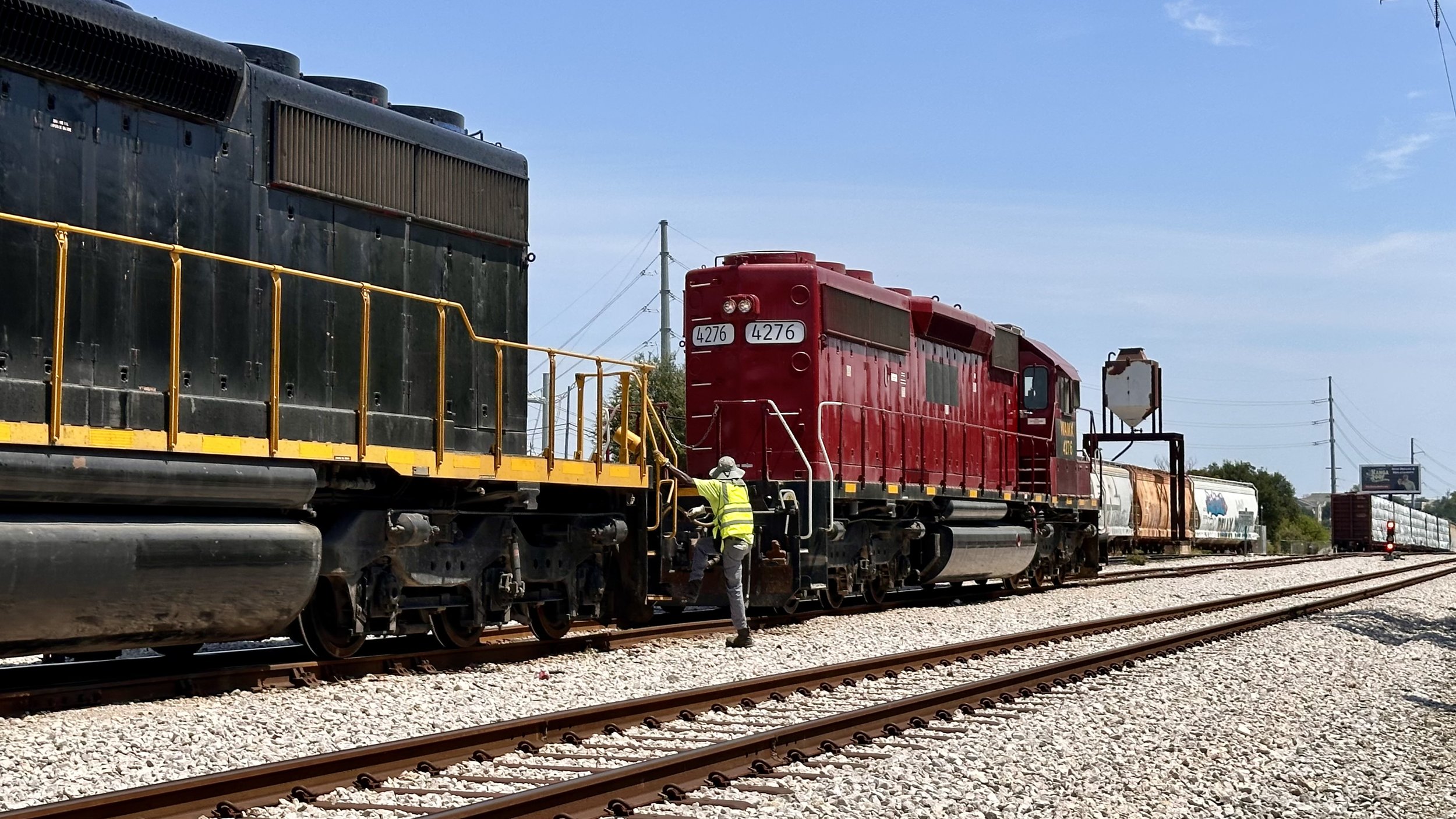
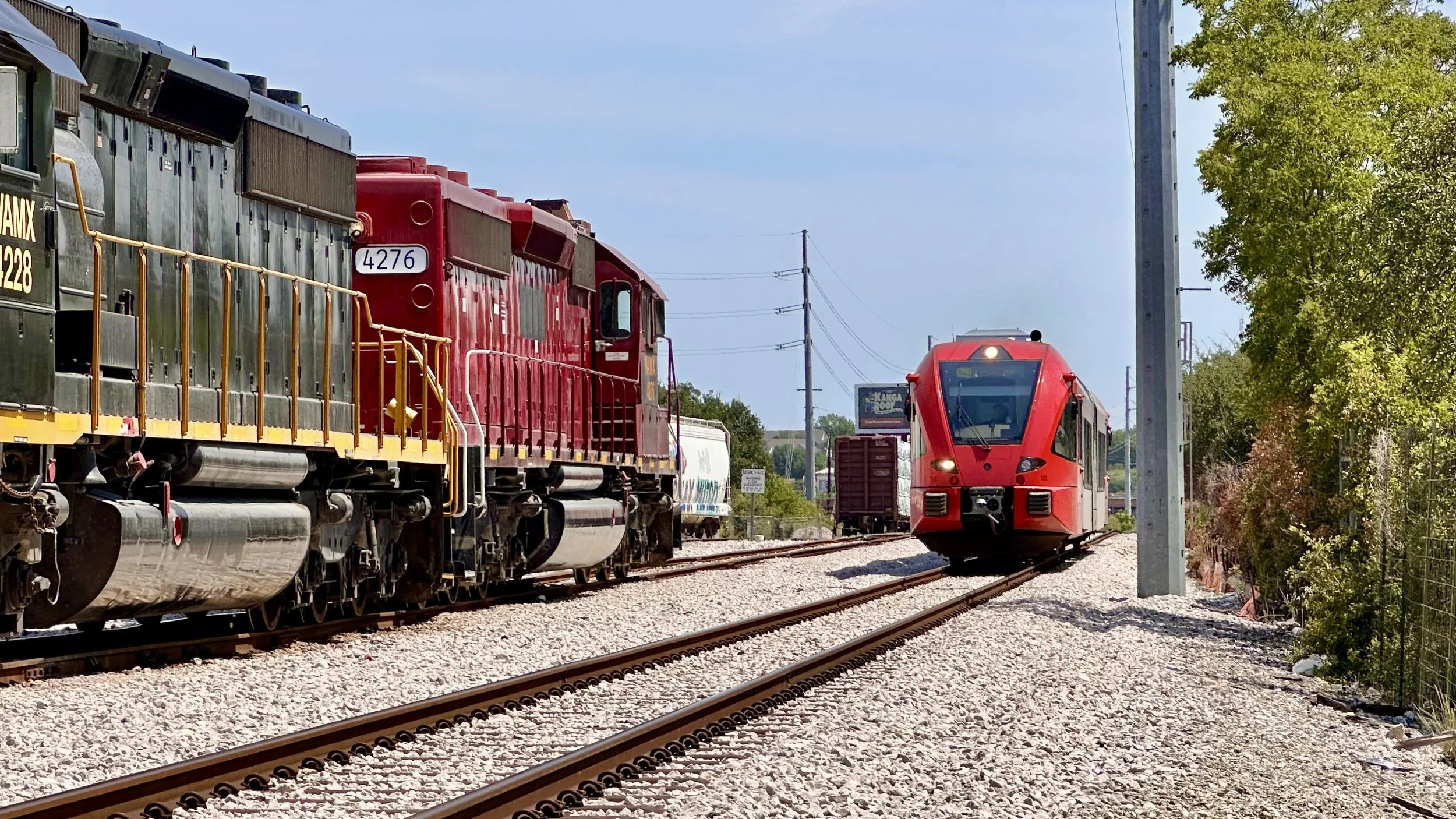
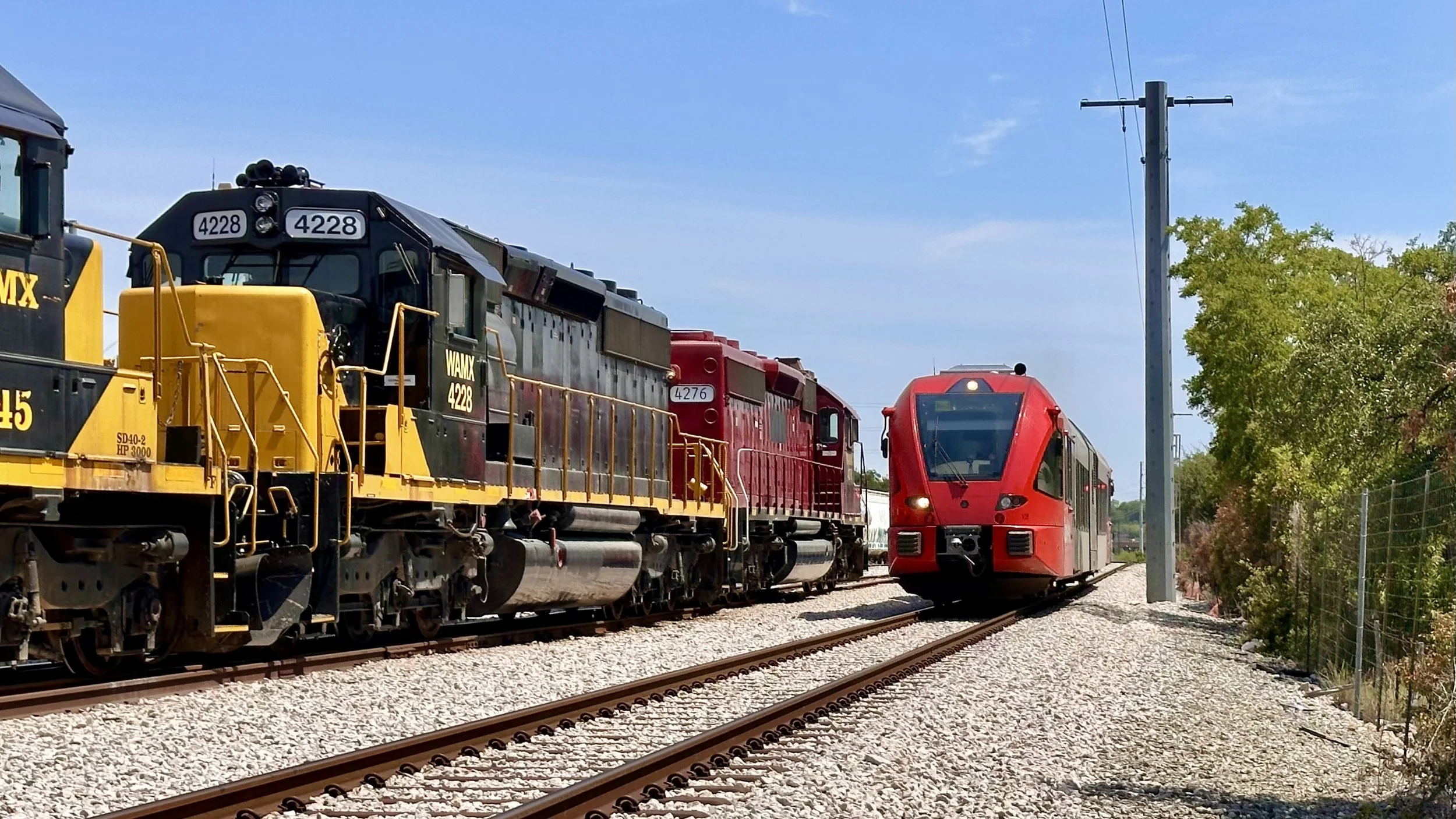
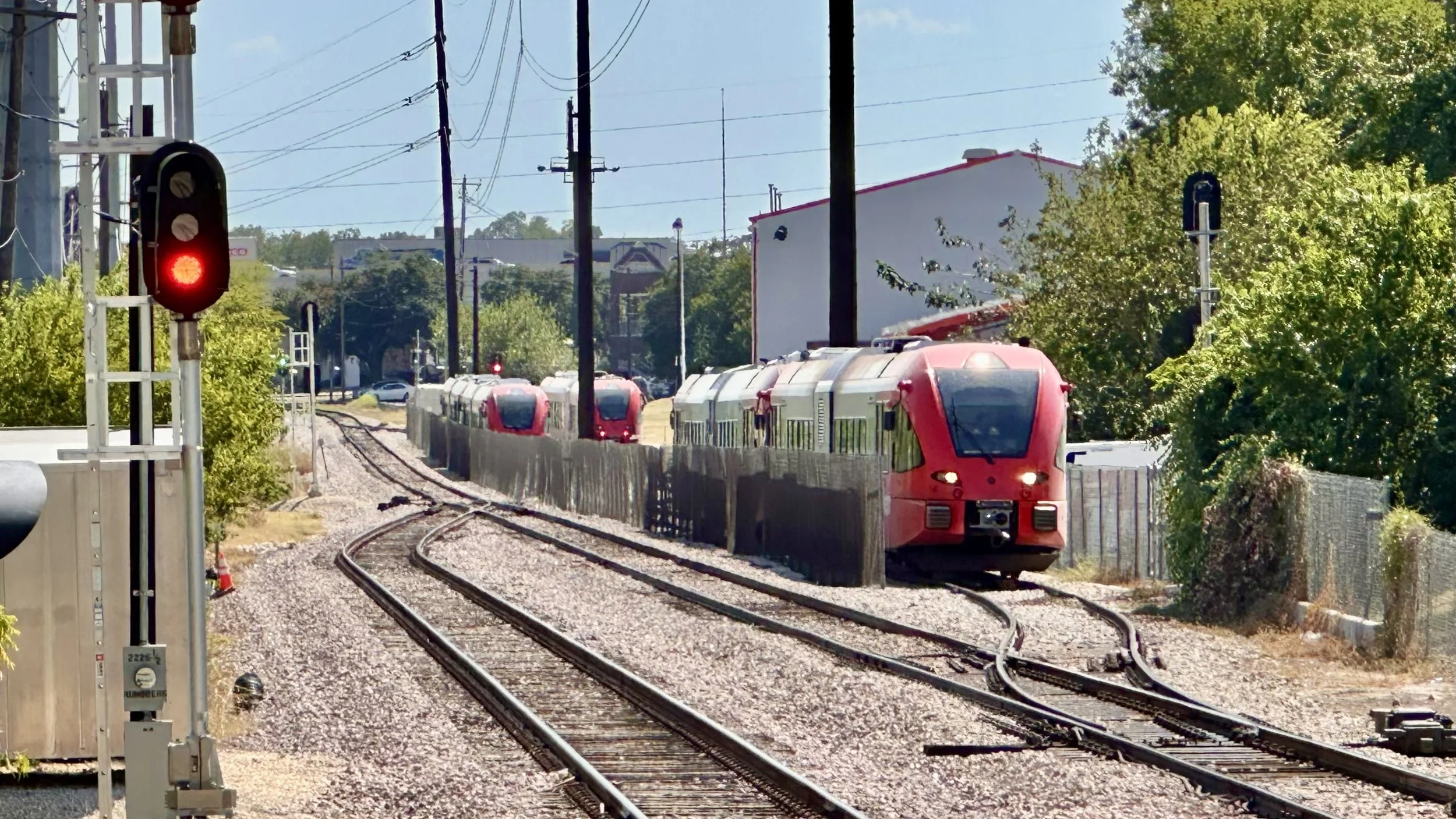
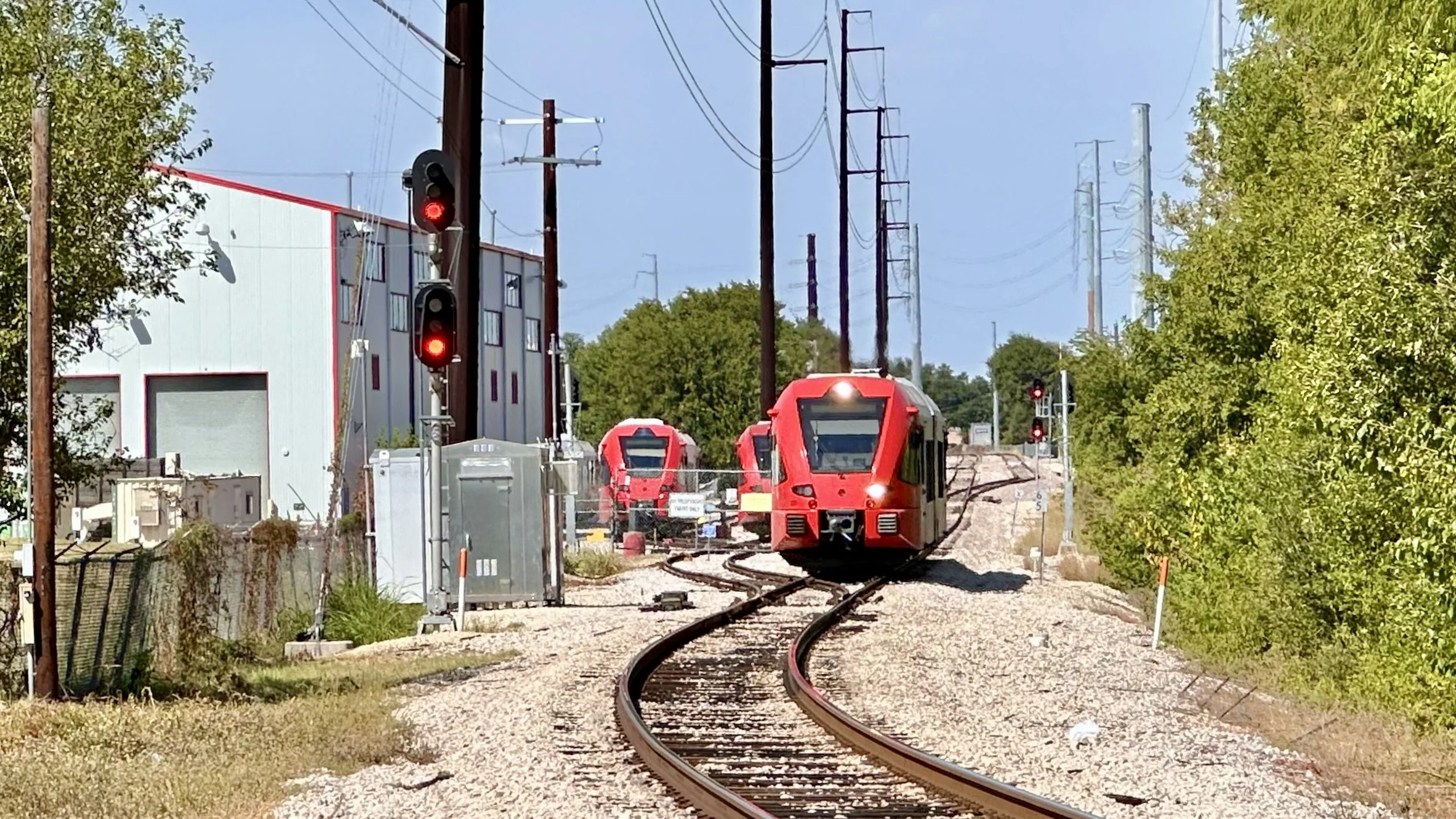
However, as bad as CapMetro Rail is for car-free urbanism, it’s simply delicious for modeling. The few on-line industries are more than made up for by the route being dead middle of the Austin Western’s mainline between its connections to UP in the east and several large limestone mines in the west. AW has a medium-sized yard near Howard Station which is bookended by large warehouse switching areas on one end and a limestone mine and UP interchange on the other. At this interchange in McNeil TX, the DMU uses a brief flyover up and over the interlocking to disentangle the DMU from interference by the busy UP mainline (upon which runs Amtrak’s Texas Eagle daily between Chicago and San Antonio).
The heavy degree of freight traffic actually influences DMU schedules. During the day, all 20 DMU round-trips run between Downtown Austin and Kramer, and 18 continue to Howard. However, only a portion continue past the freight yard at Howard, with 16 trips serving Lakeline and merely 12 reaching Leander (both primarily in the afternoon). The schedules are designed specifically to make a mid-day pocket for freight trains to access Howard Yard and the multiple major industries and mines beyond it, freeing up the main around Lakeline from 1100 to 1300 and Leander from 0900 to 1400.
As a backbone of regional transit, the Red Line is utter garbage, with limited departures, inconvenient schedules, poor integration with a similarly problematic bus system, annoying disconnection from major destinations throughout the region, and overall grossly suburban character. But as a modeling subject, the combination of heavy freight railroading, dense, operationally-varied passenger trains, and readily-available models in multiple scales from European manufacturers is a showcase of how tightly DMUs interact with traditional mainline freight railroading and makes CapMetro Rail one of the prime candidates for a mid-sized or larger prototype-based DMU layout.