eBART
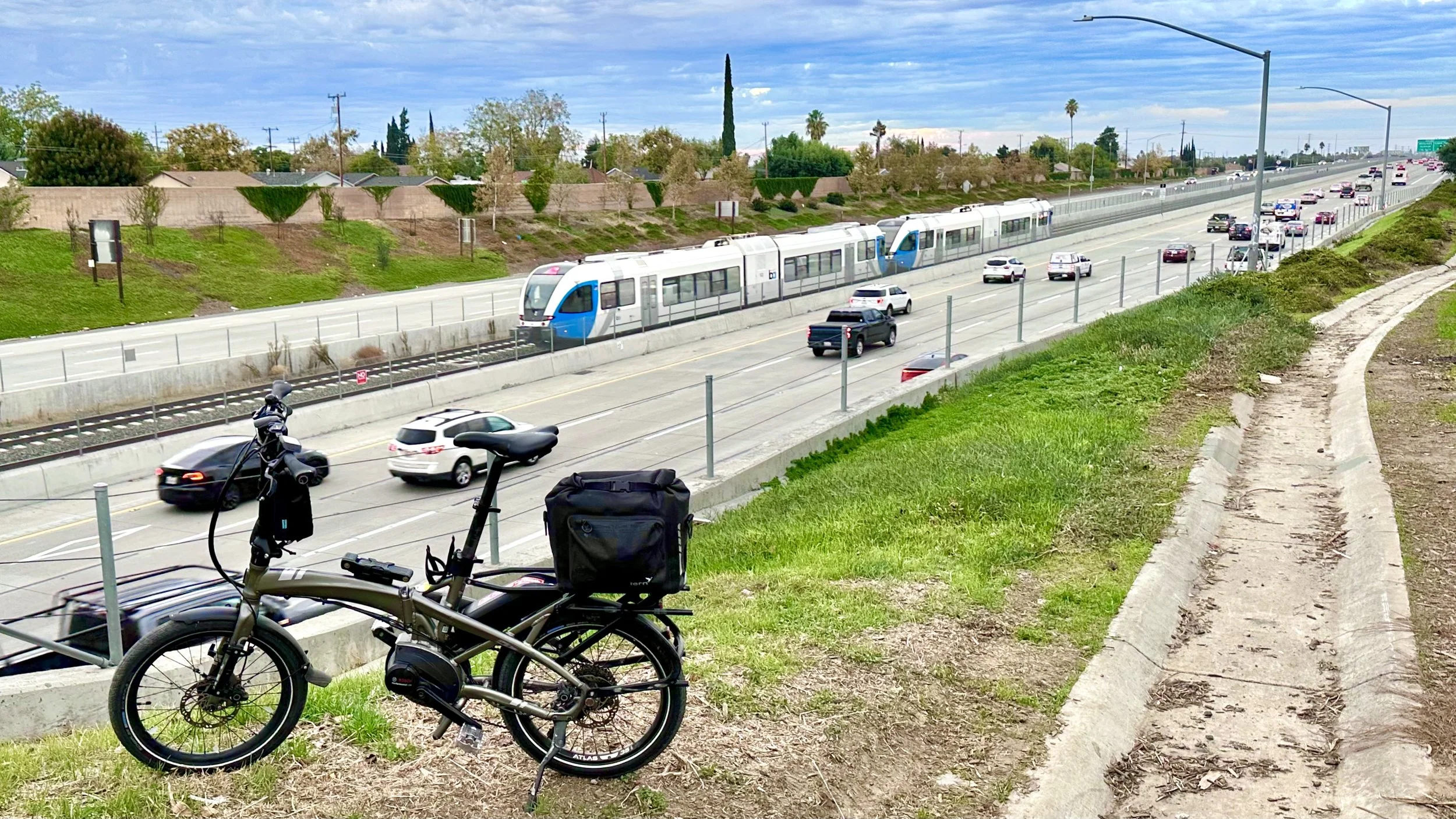
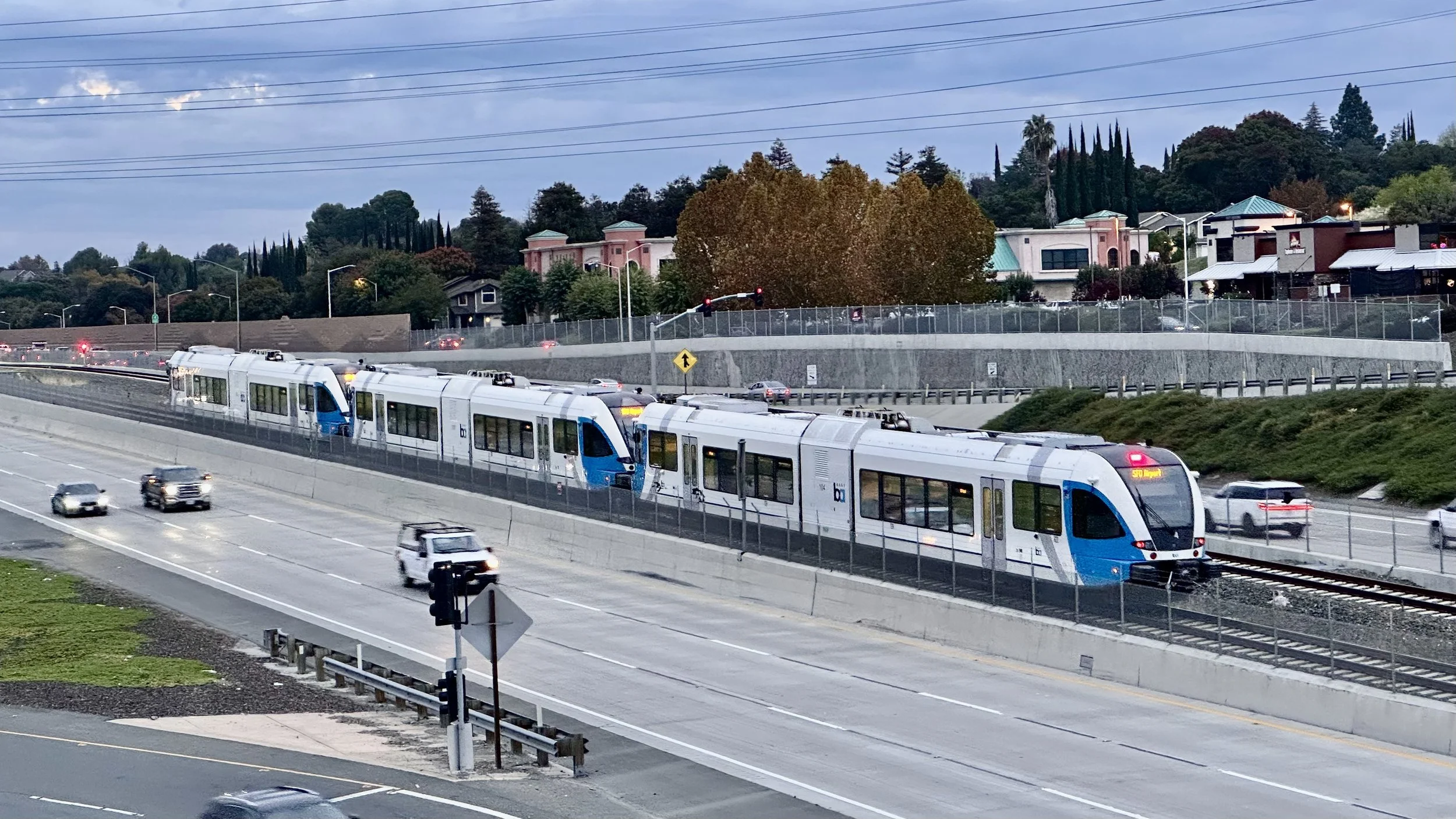
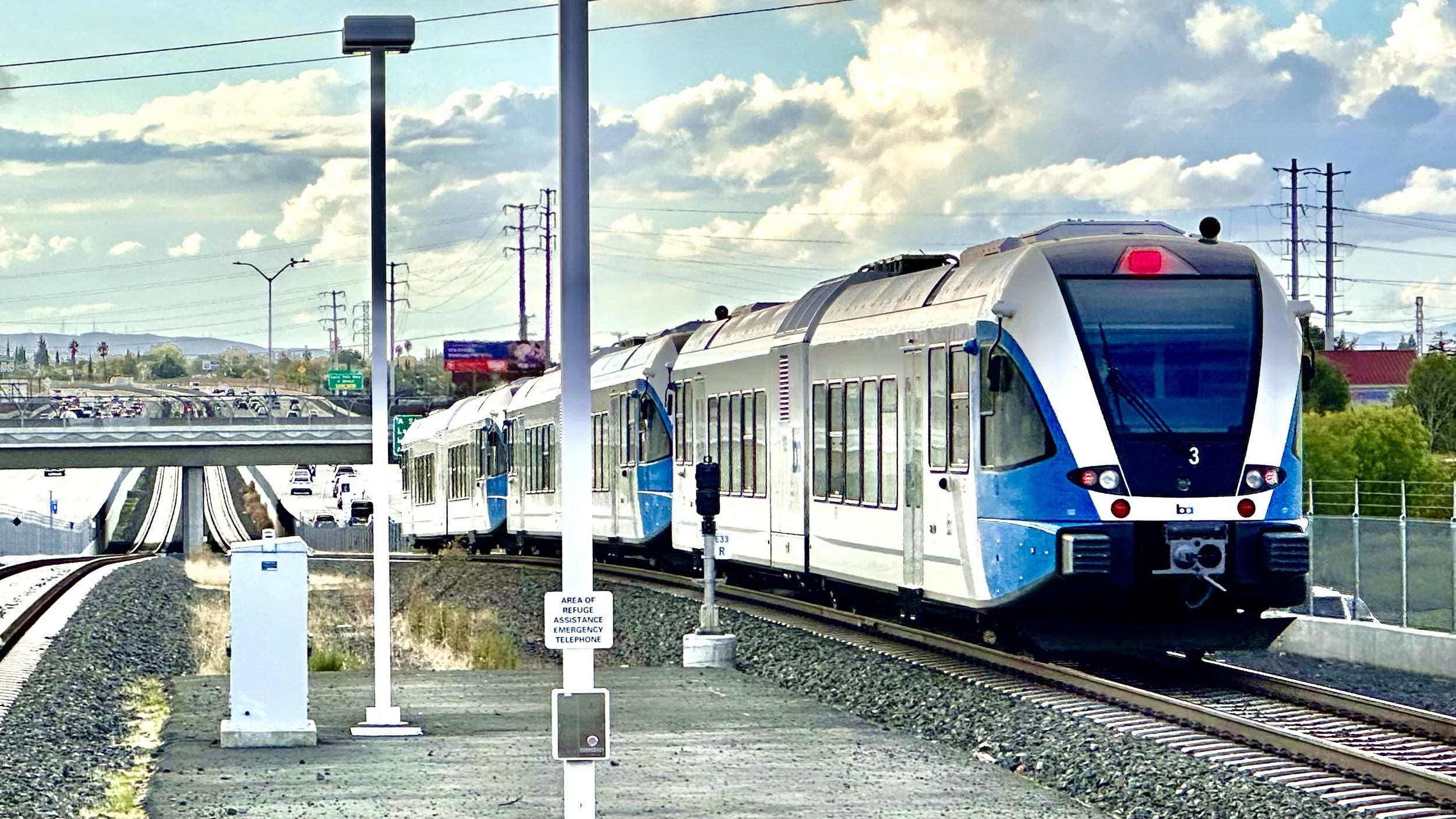
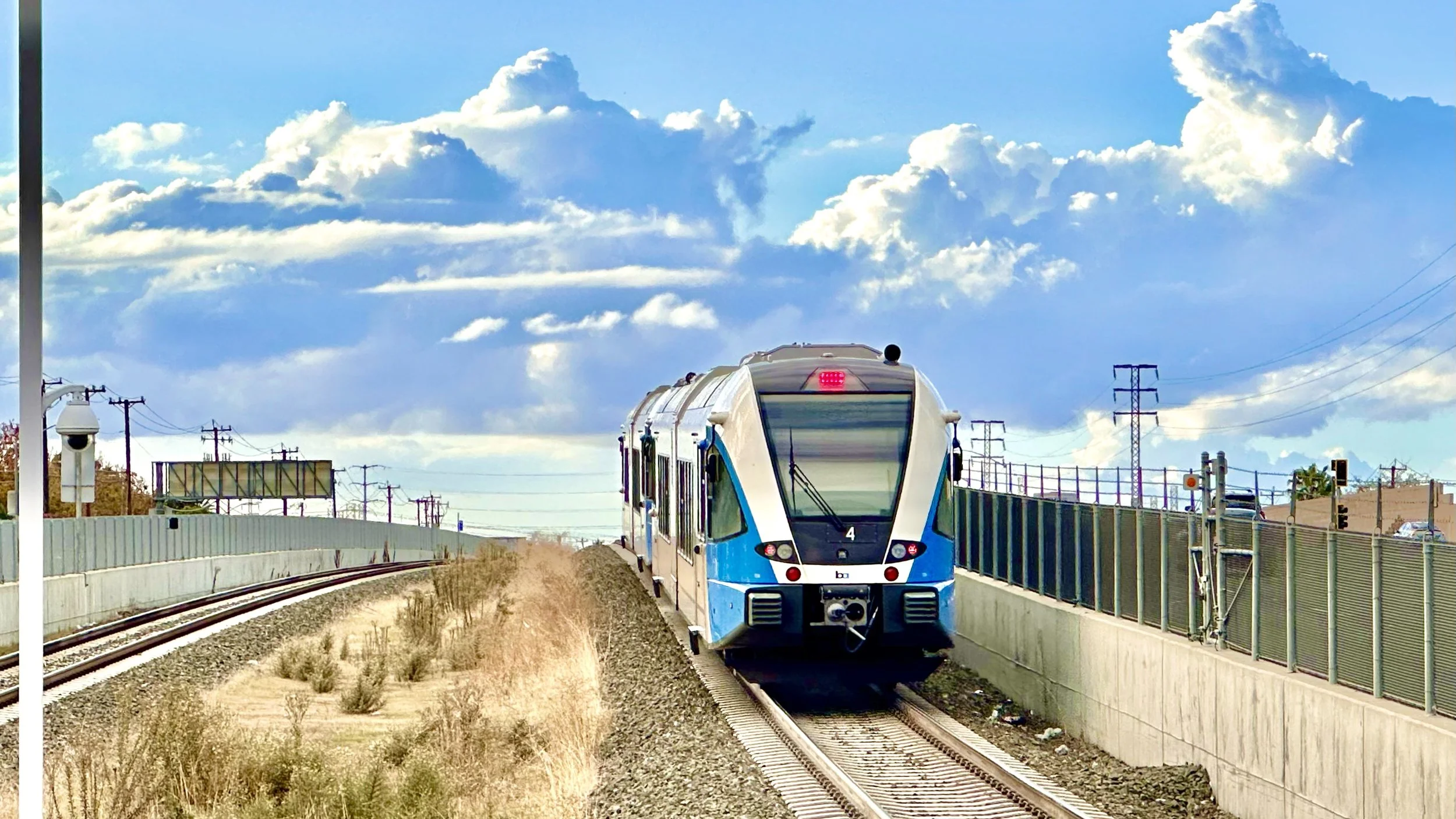
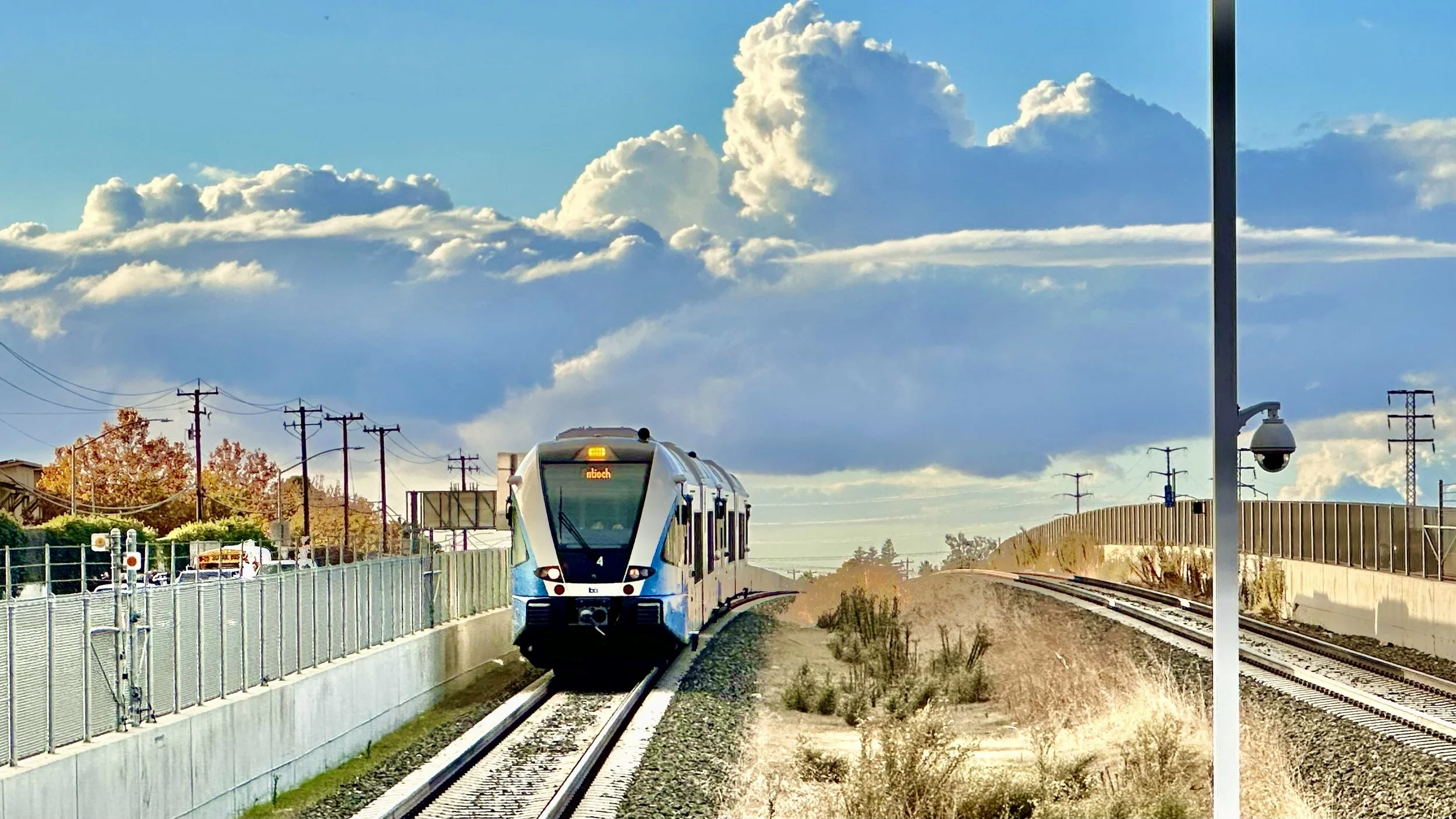
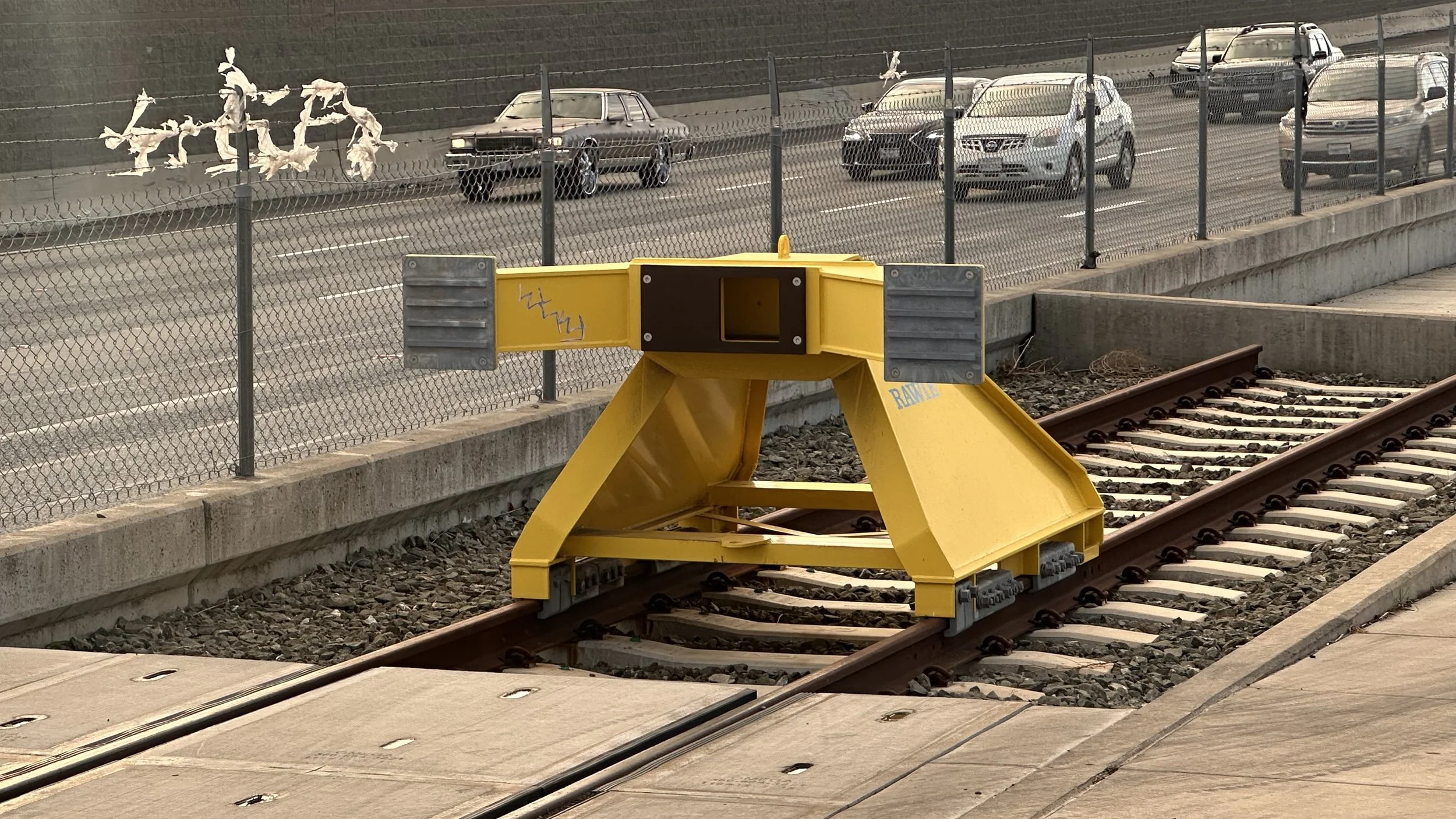
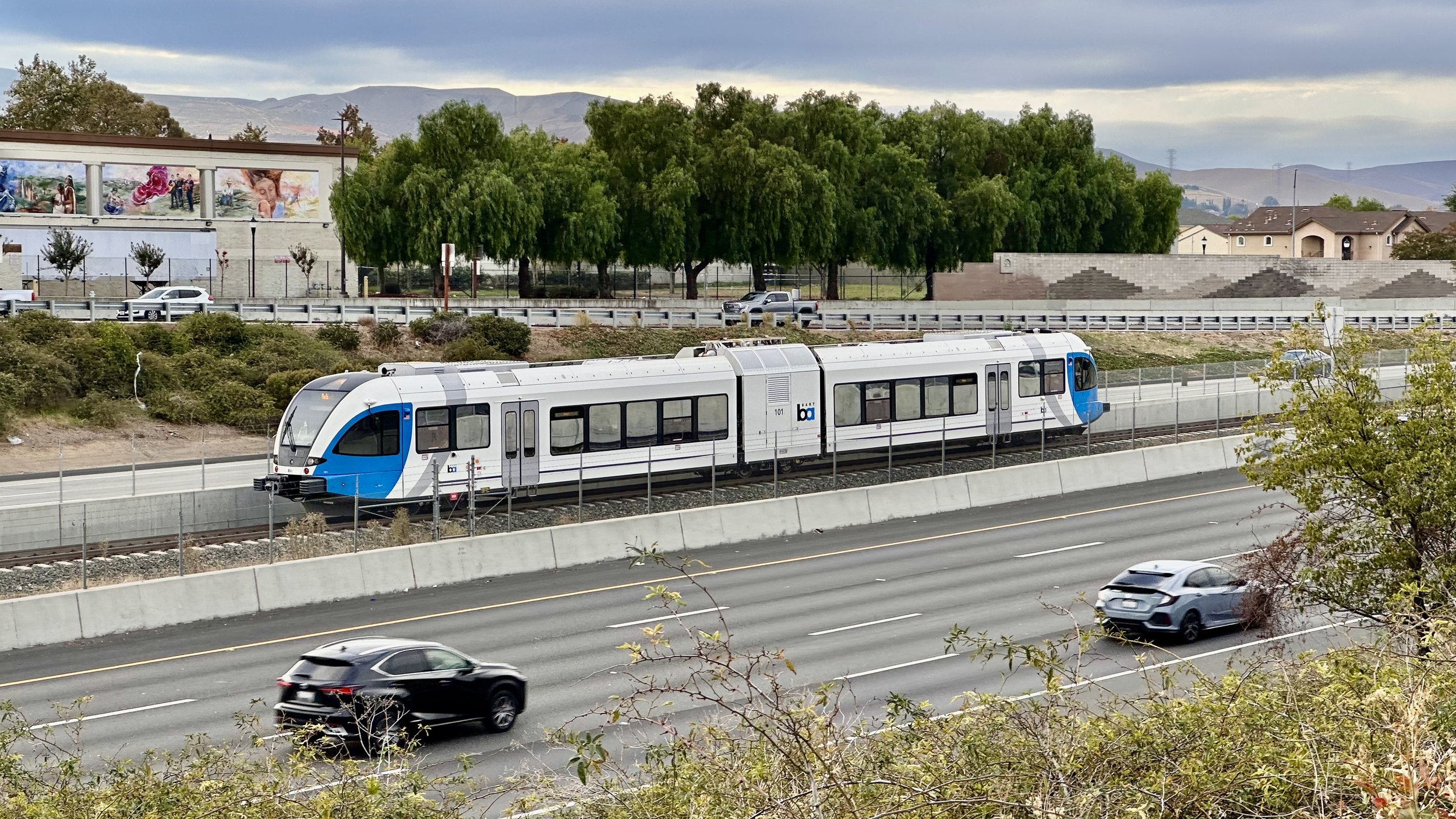
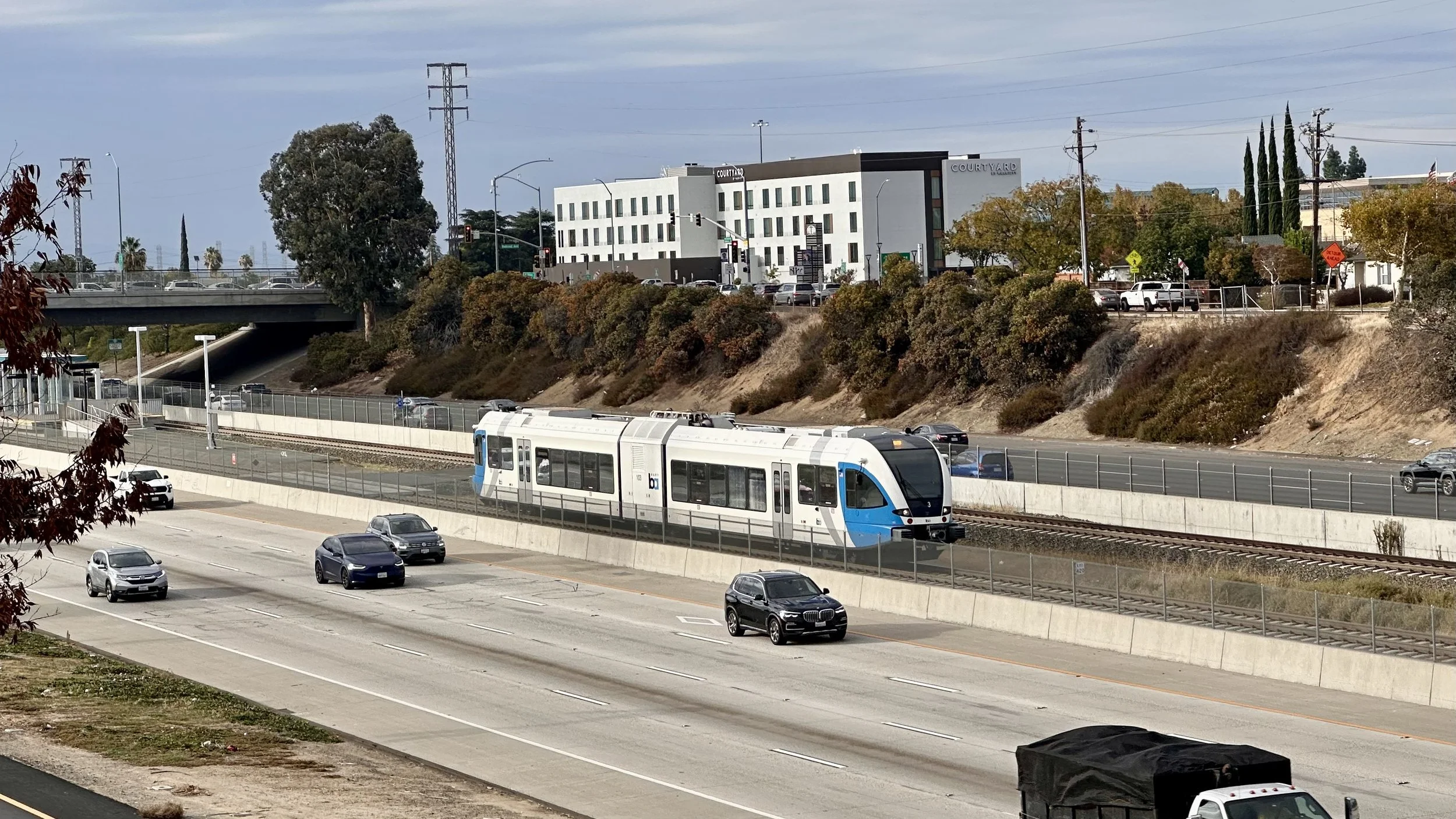
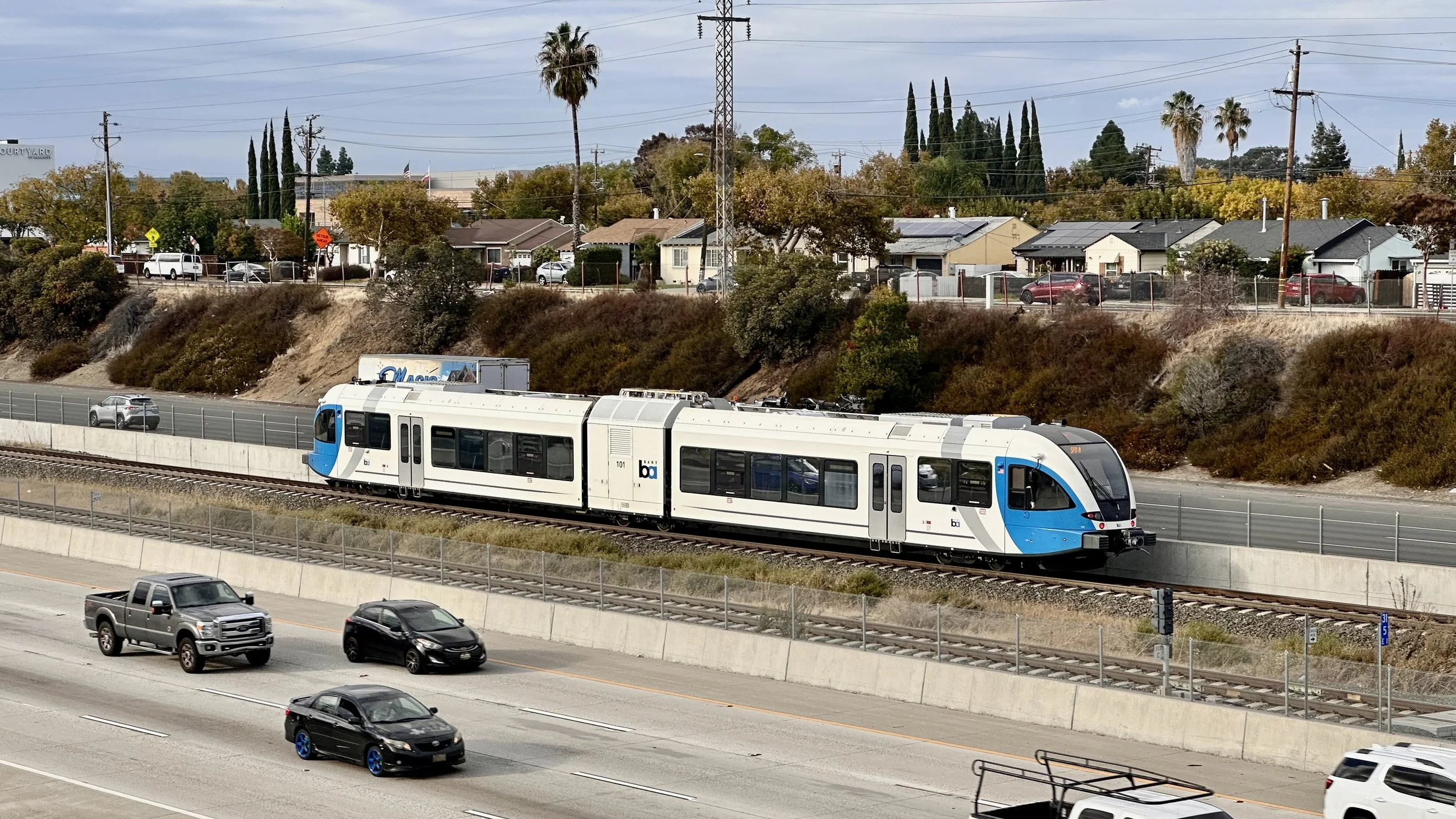
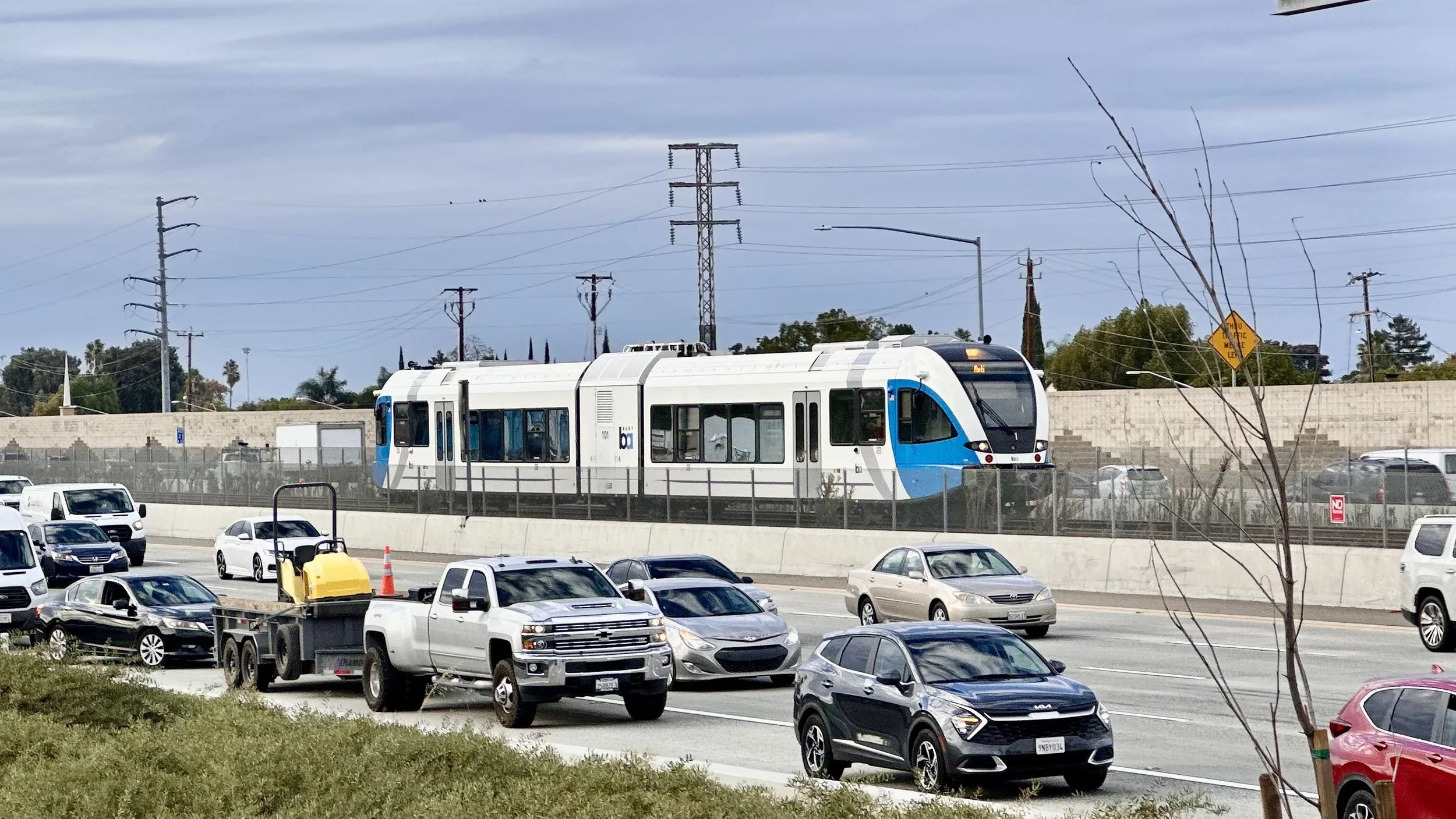
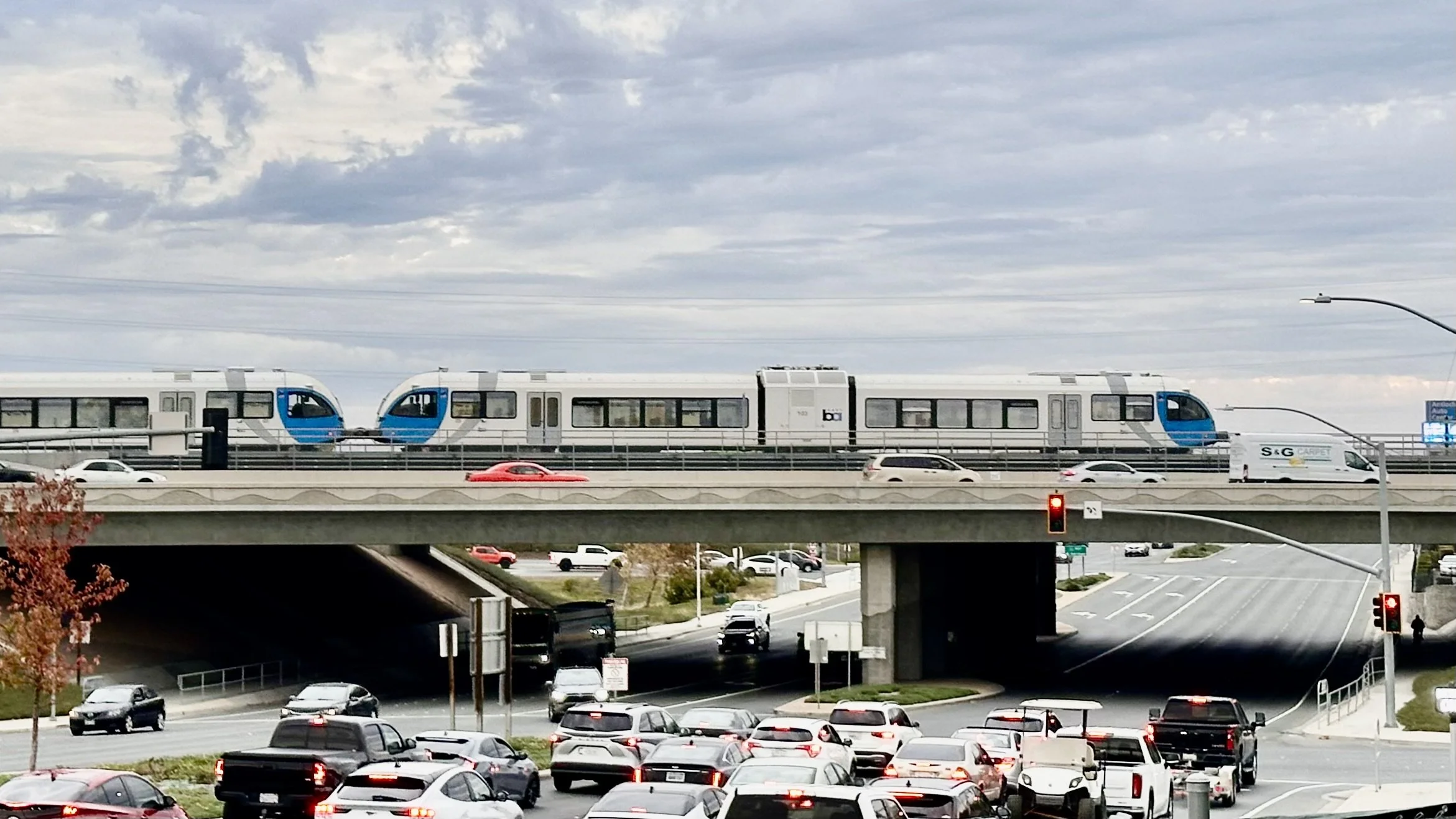
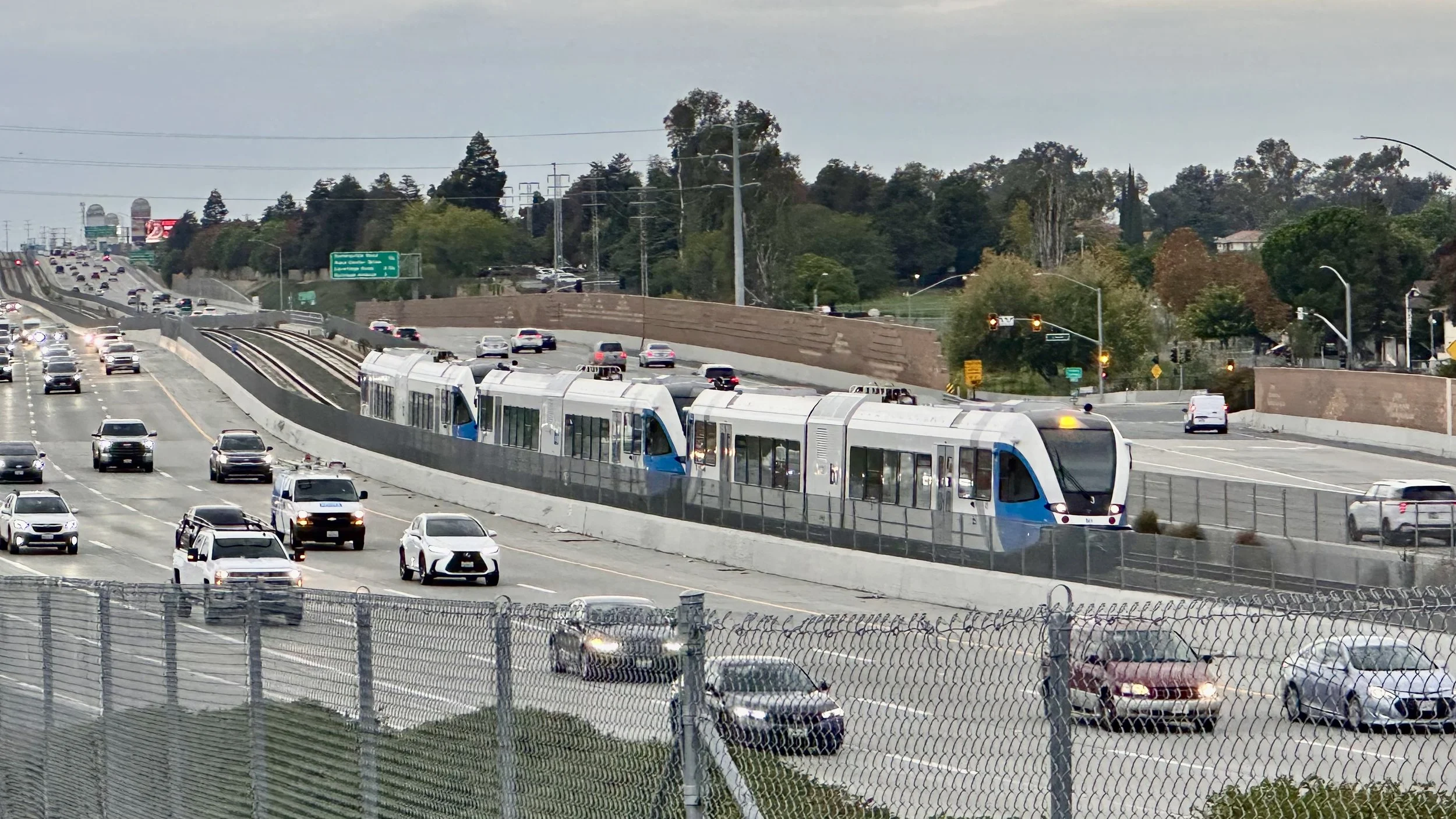
Opening in 2018 as the first de novo DMU, not built from a preexisting rail alignment, eBART is easy to lampoon. Not only does it have an extremely urbanism-hostile route, entirely down a highway median and serving only park-and-rides, not only does it have a horribly measly two-and-a-half stations, it’s a different vehicle type, different mode of power, and even different gauge from its parent subway’s broad-gauge, third-rail-powered EMUs, forcing a transfer and completely separate vehicle fleet. Youtuber BigMoodEnergy once observed “with the exception of the park-and-ride abomination called eBART, which I will never mention again because it should be stricken from the face of the earth.”
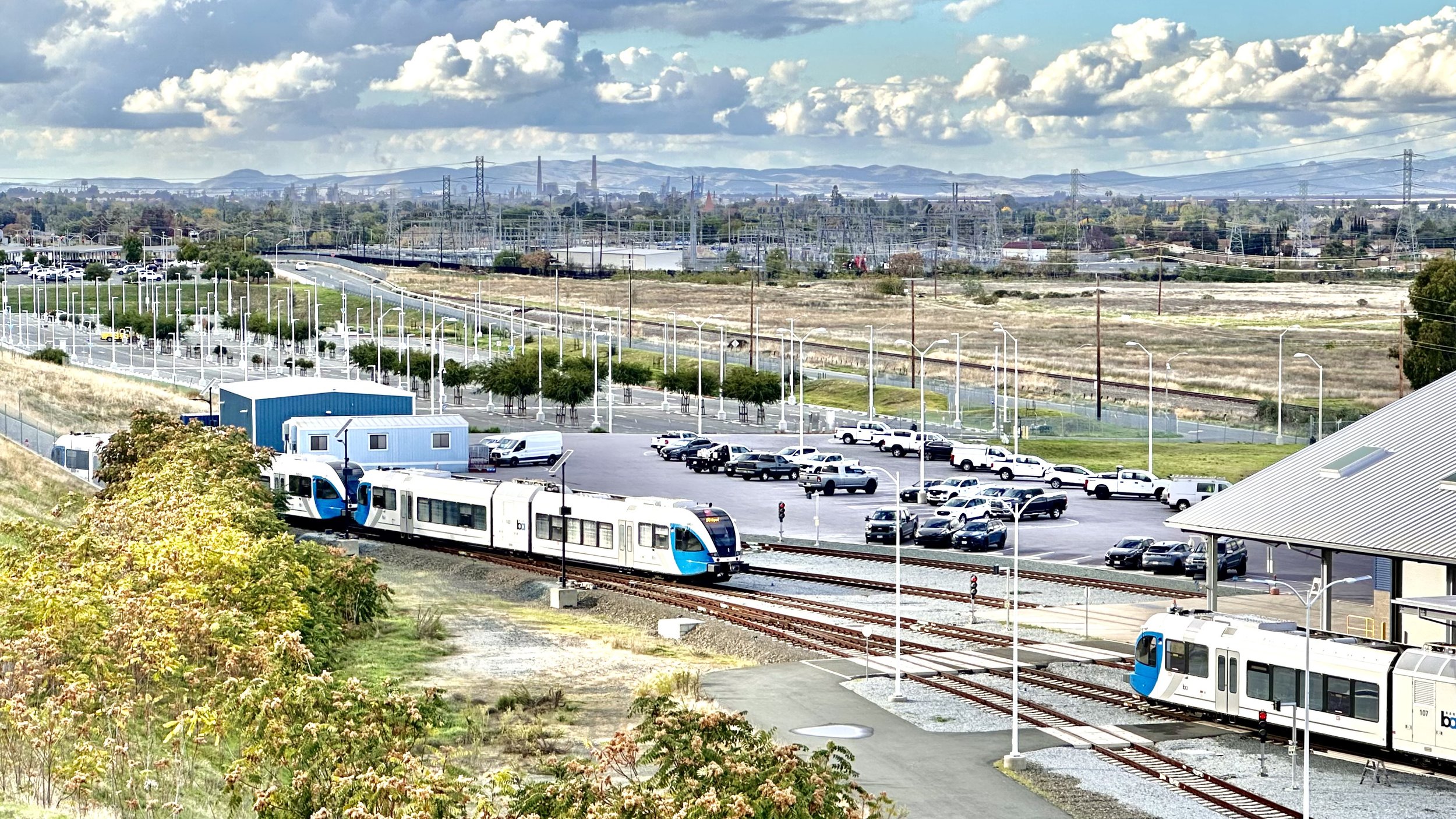
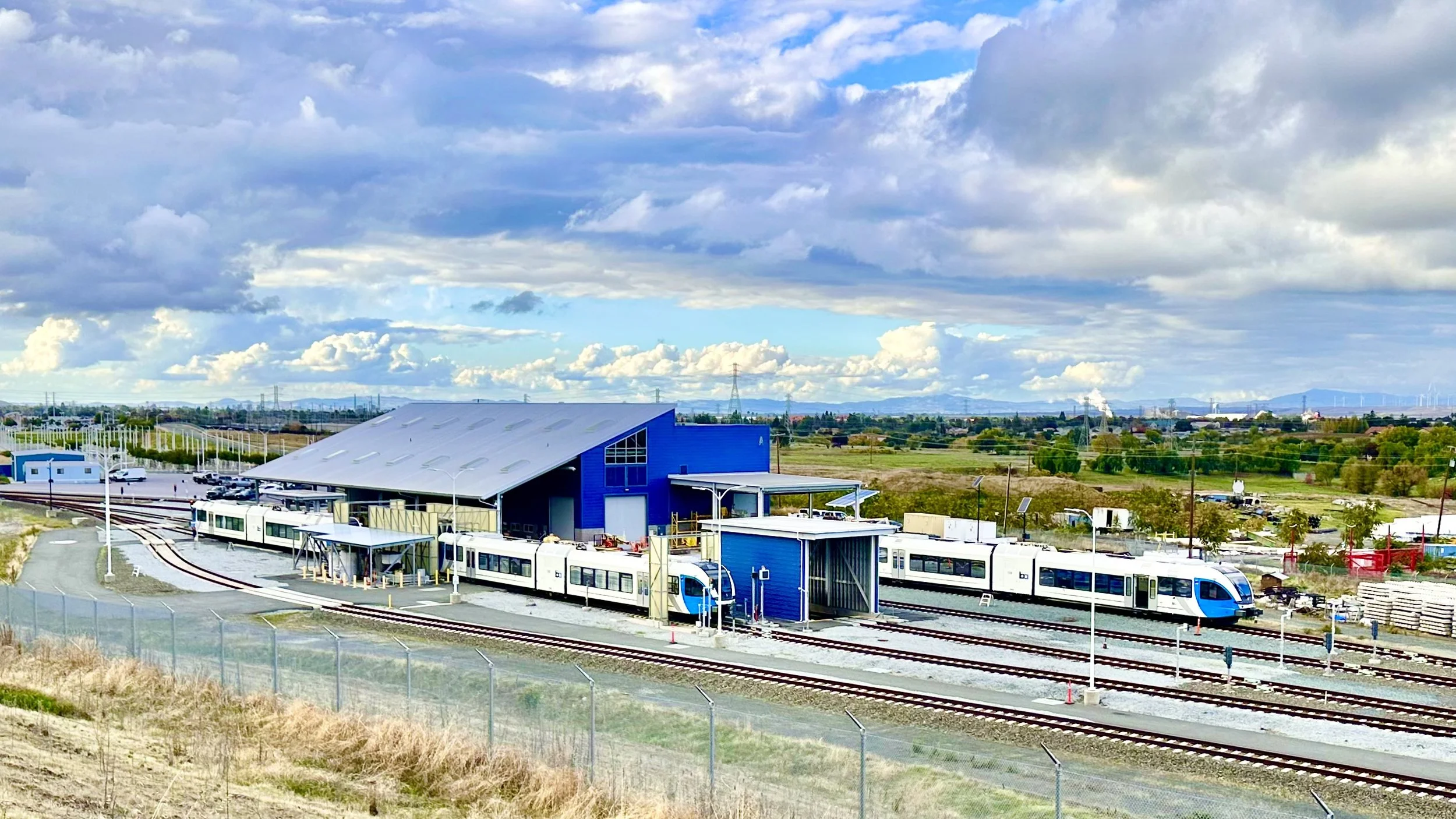
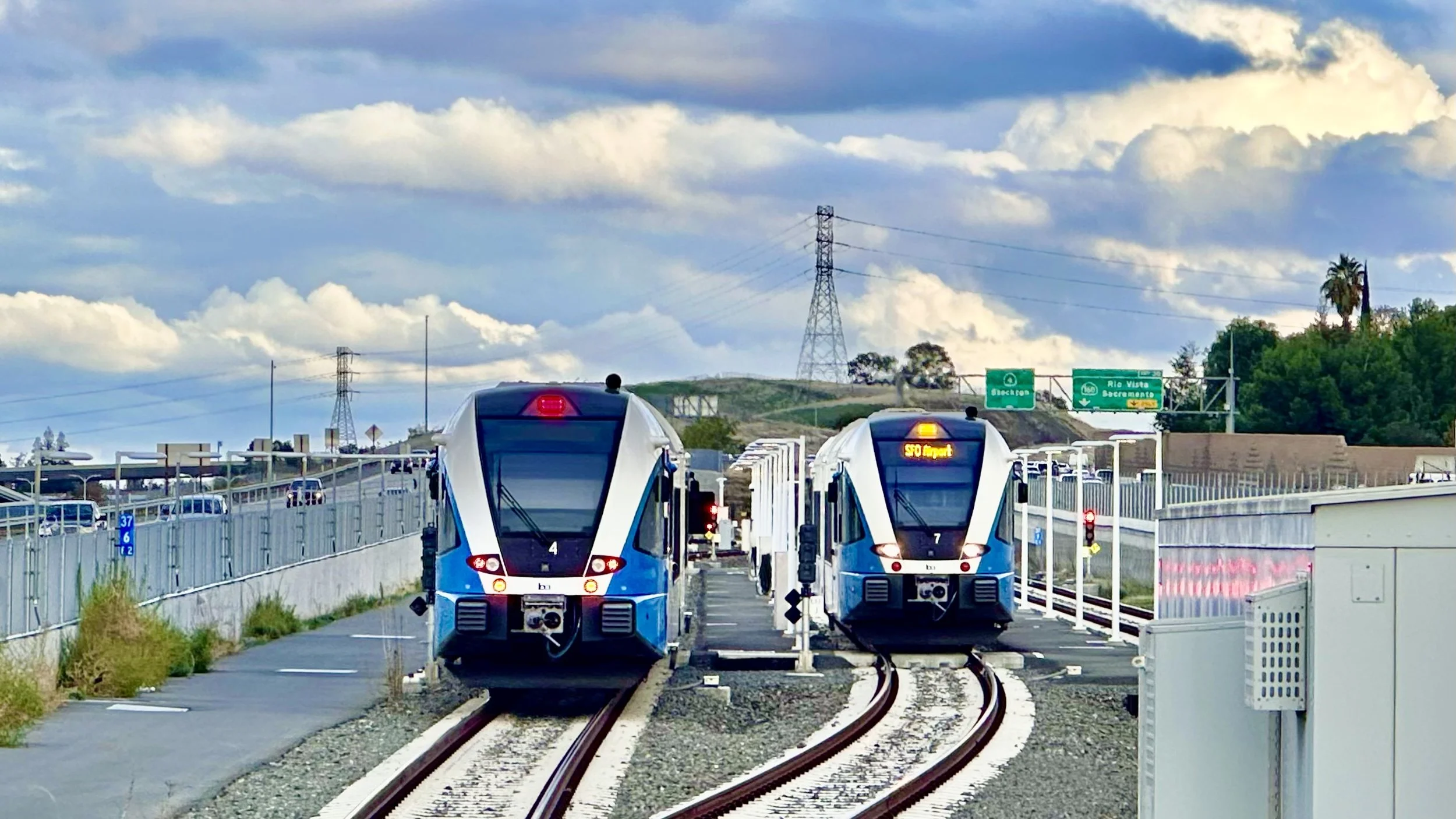
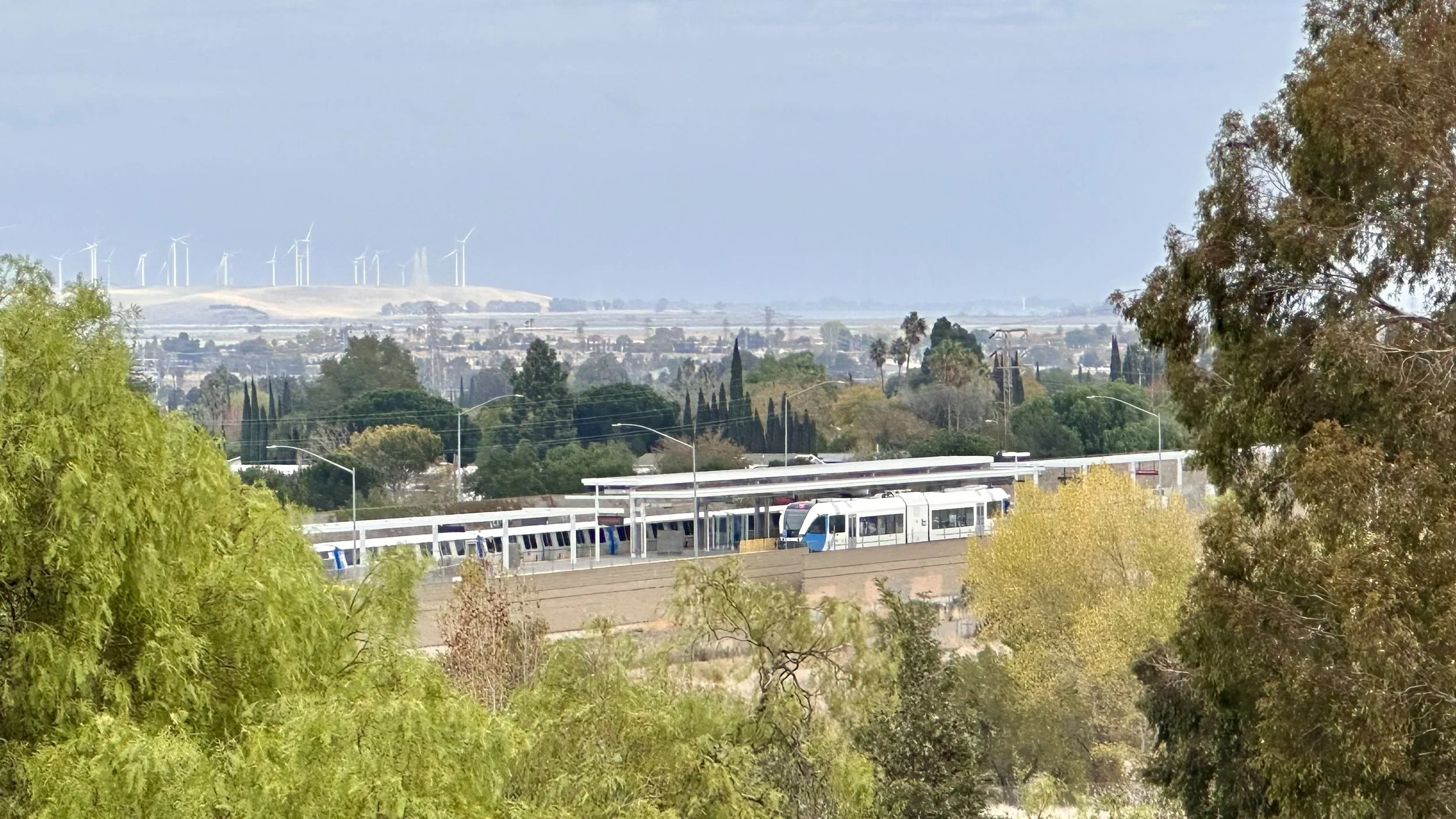
However, looking at the only portion of eBART outside the highway median, its OMF, somewhat explains this madness: the OMF merges right into a presently-disused freight line. Thus, the intention is to someday extend eBART back onto freight rails as with every other DMU. While a better alignment through downtown Pittsburg and Antioch should have been sought, expiring grants forced its axing in favor of the expedience of a highway alignment.
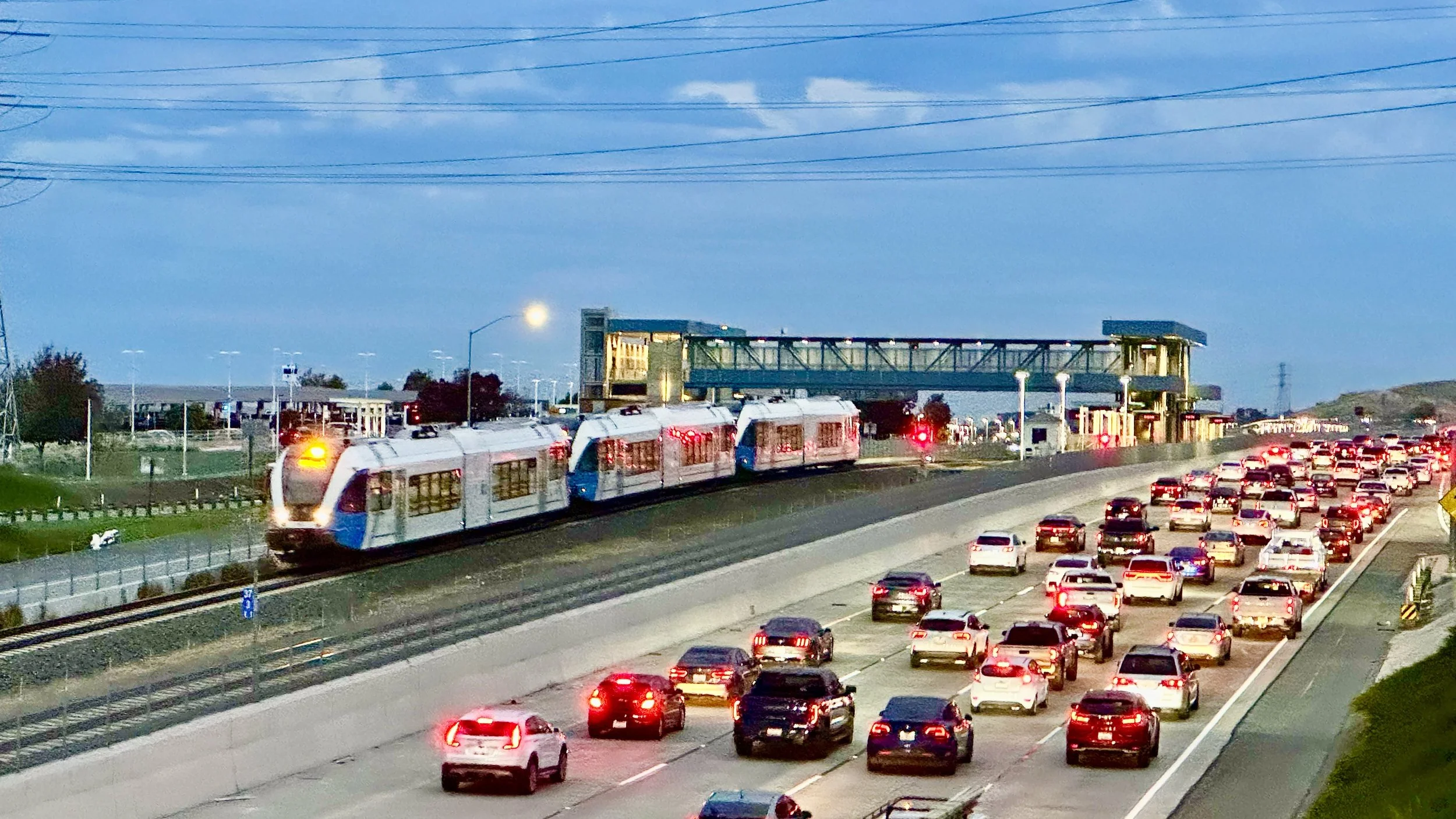
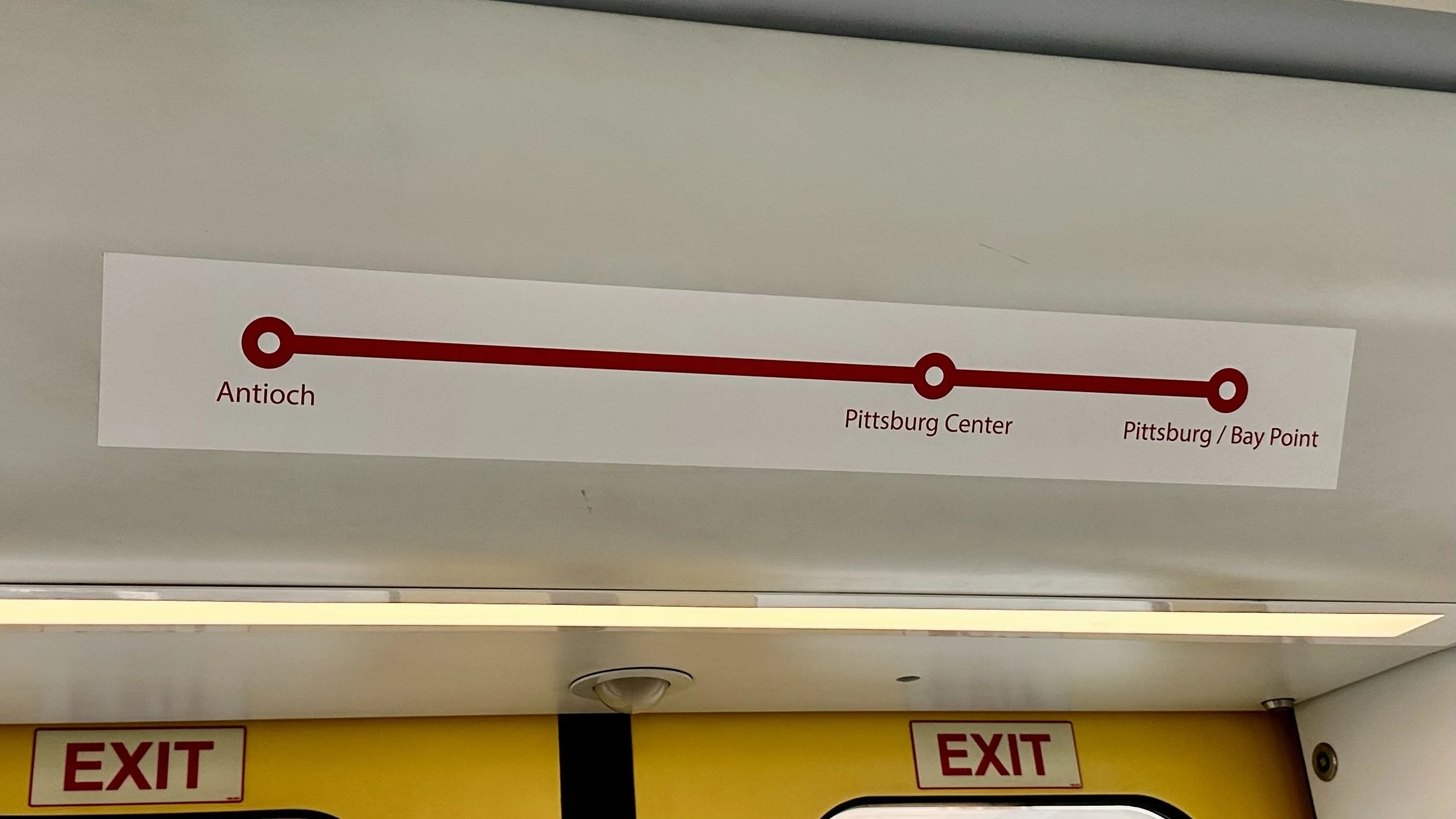
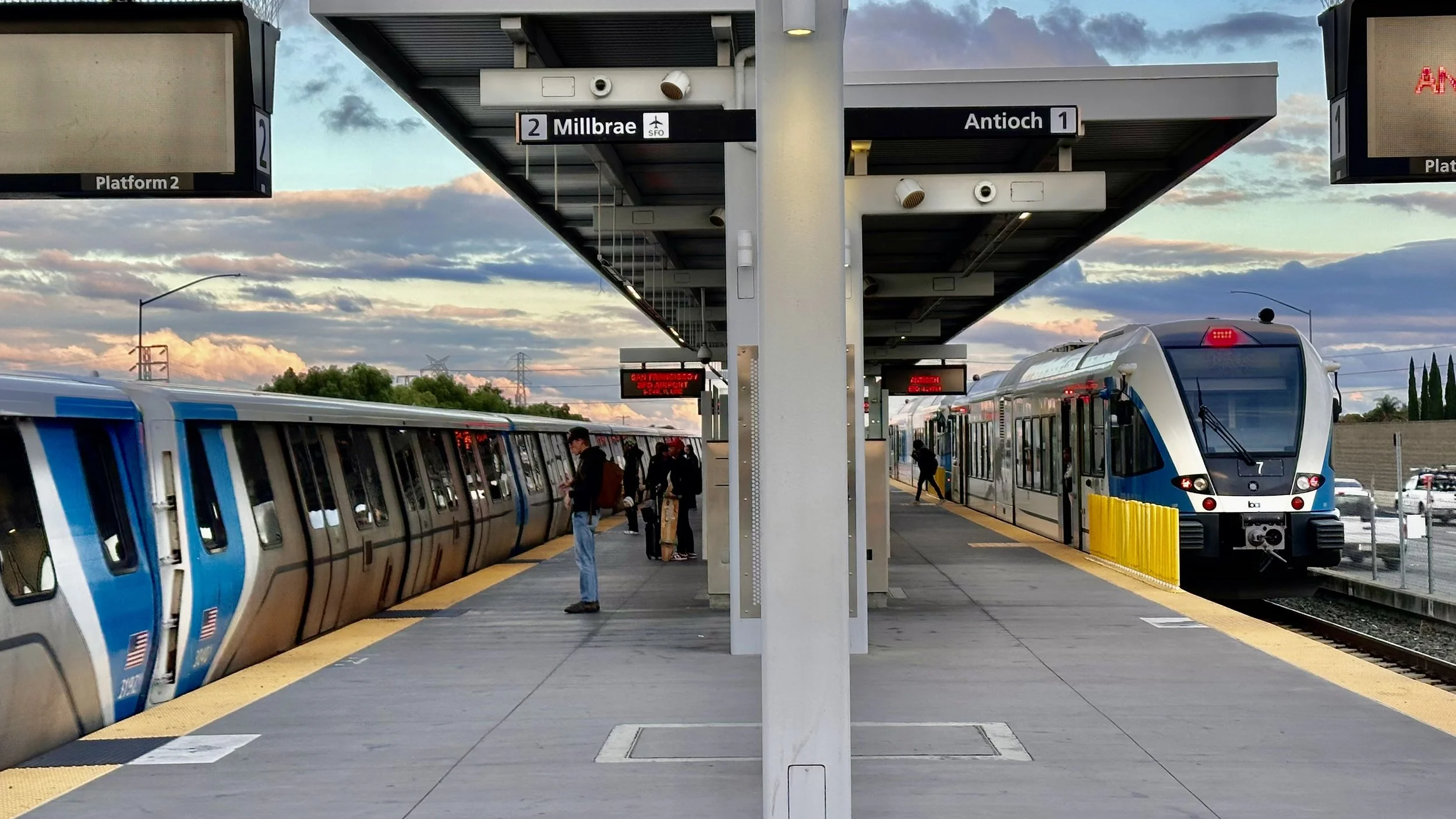
Mercifully, eBART’s operation is made as seamless with BART as possible. Every other Yellow Line train is timed for a cross-platform transfer at Pittsburg/Bay-Point Transfer Station lasting but a minute, and no additional fare is required. Most intriguingly, eBART only has two true stations, Antioch and Pittsburg Center; Pittsburg/Bay Point Transfer is a single-track station and inaccessible from the outside world; the only way there is from within the BART fare-zone.
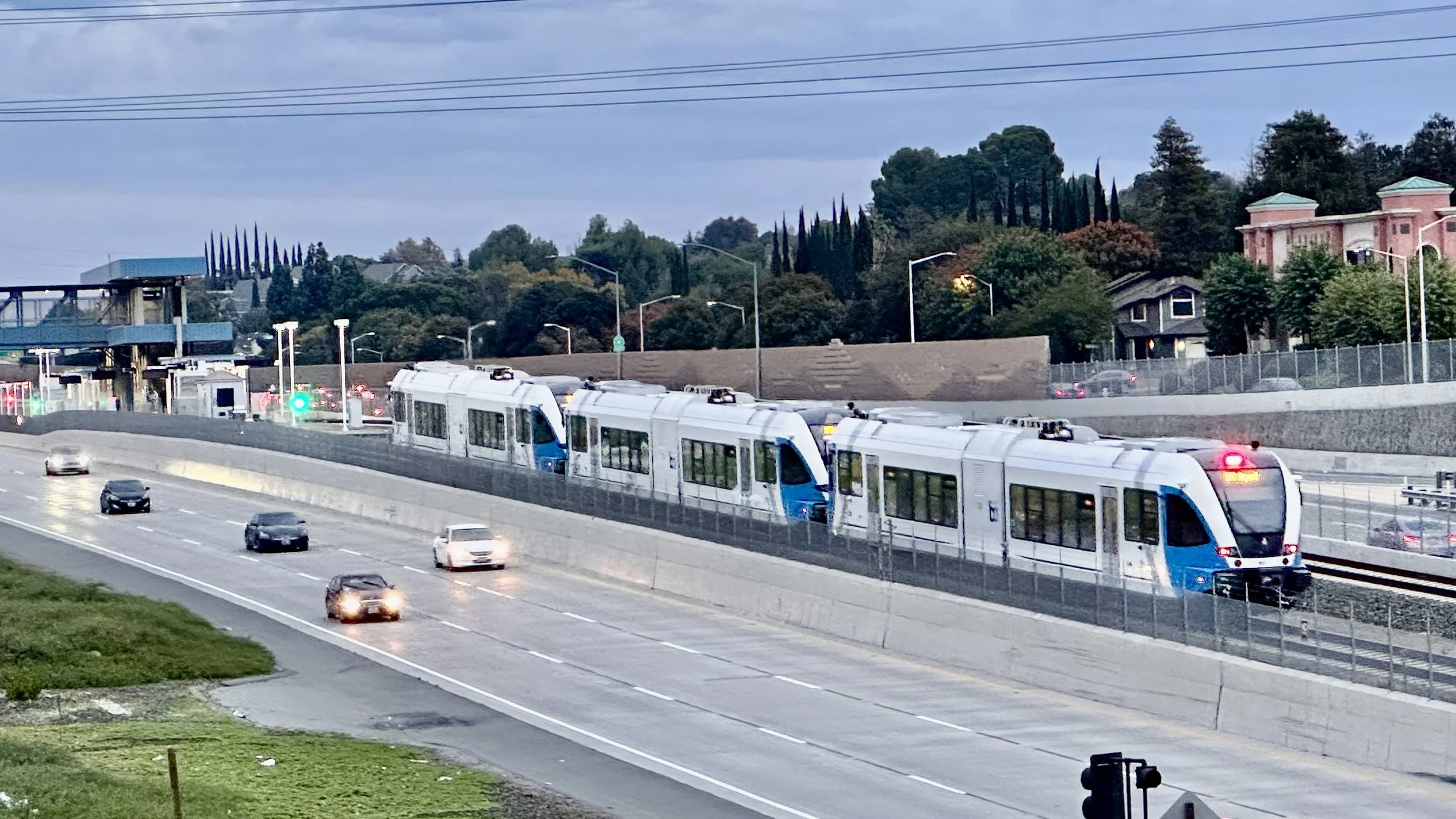
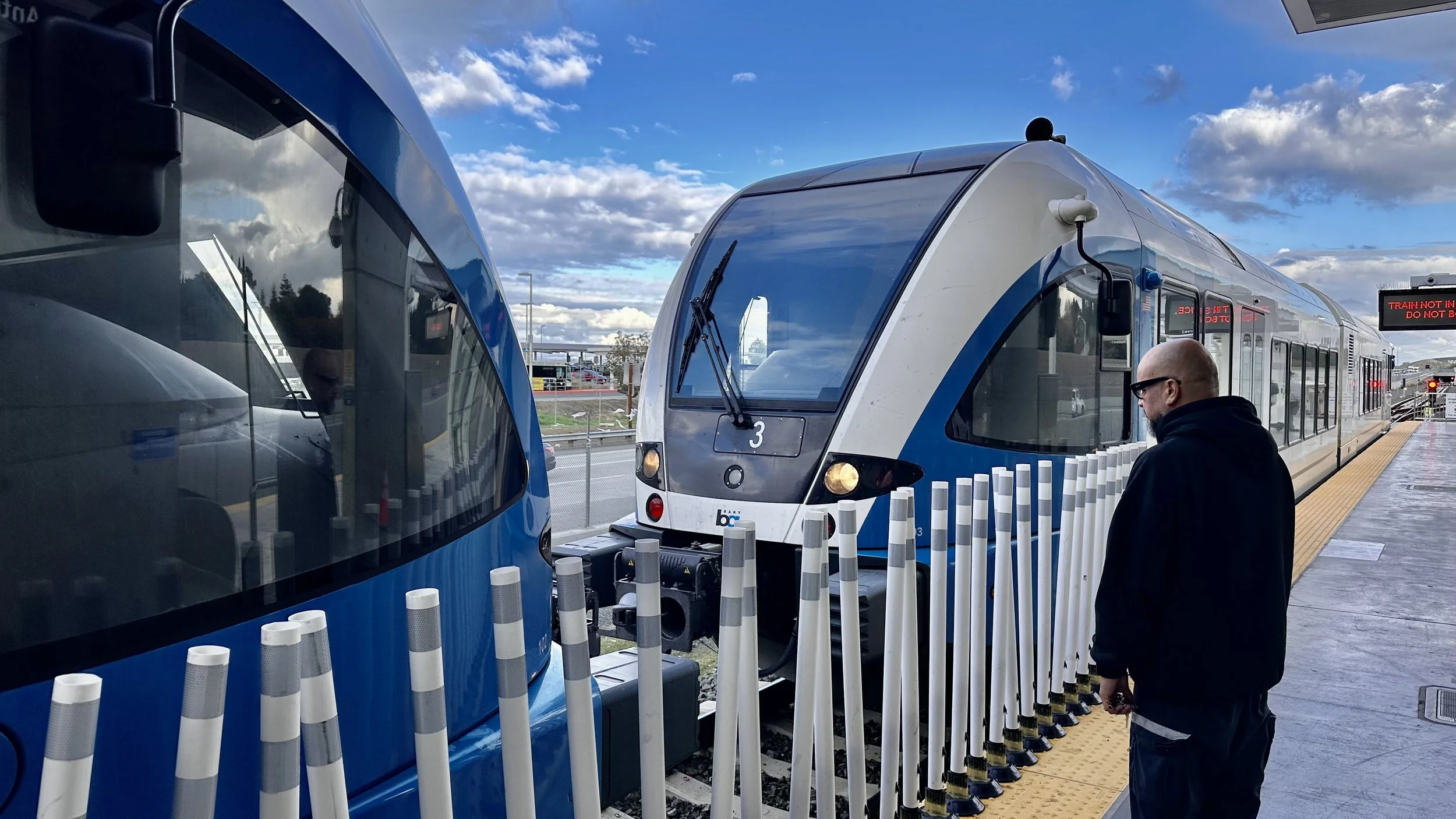
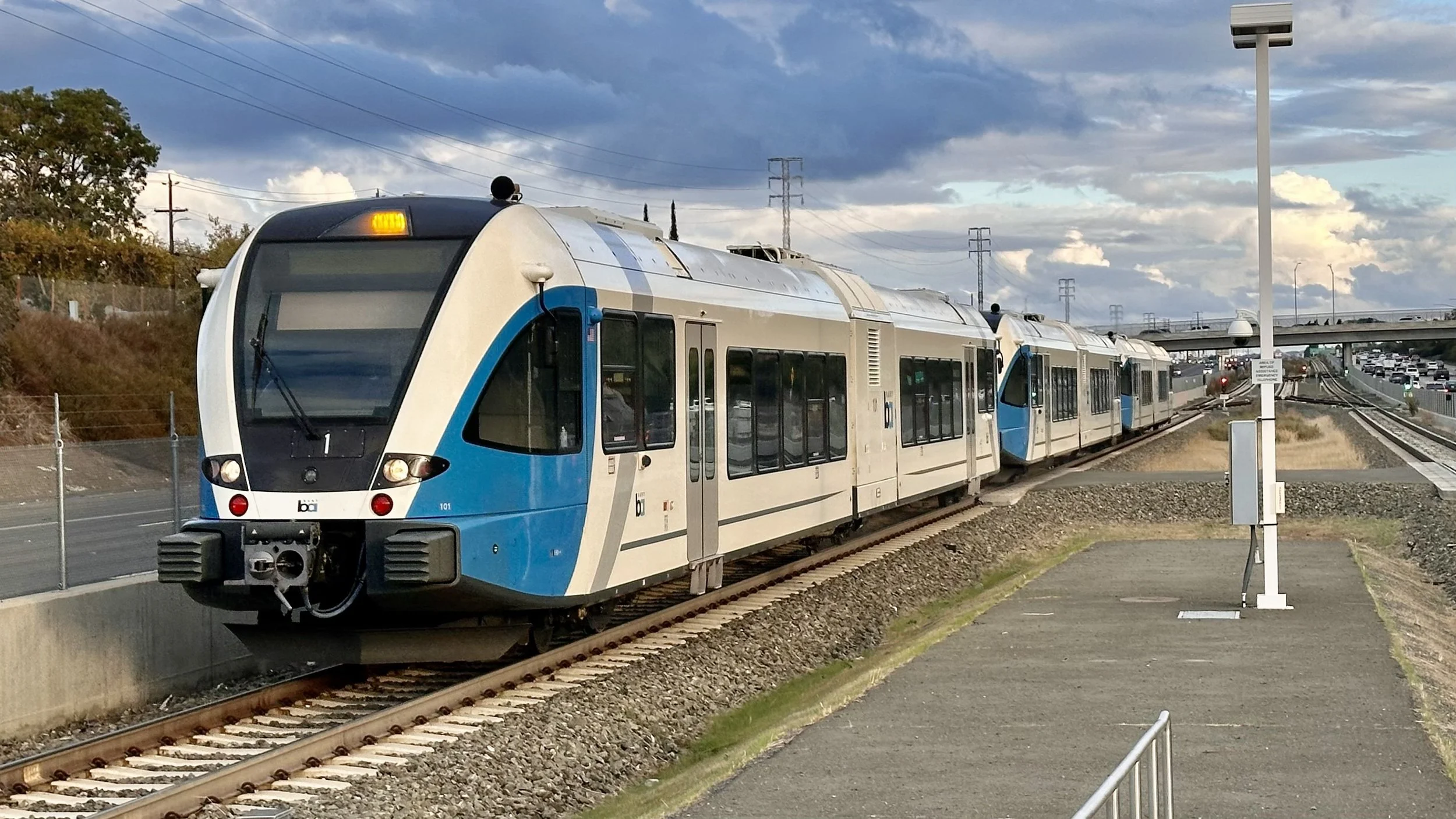
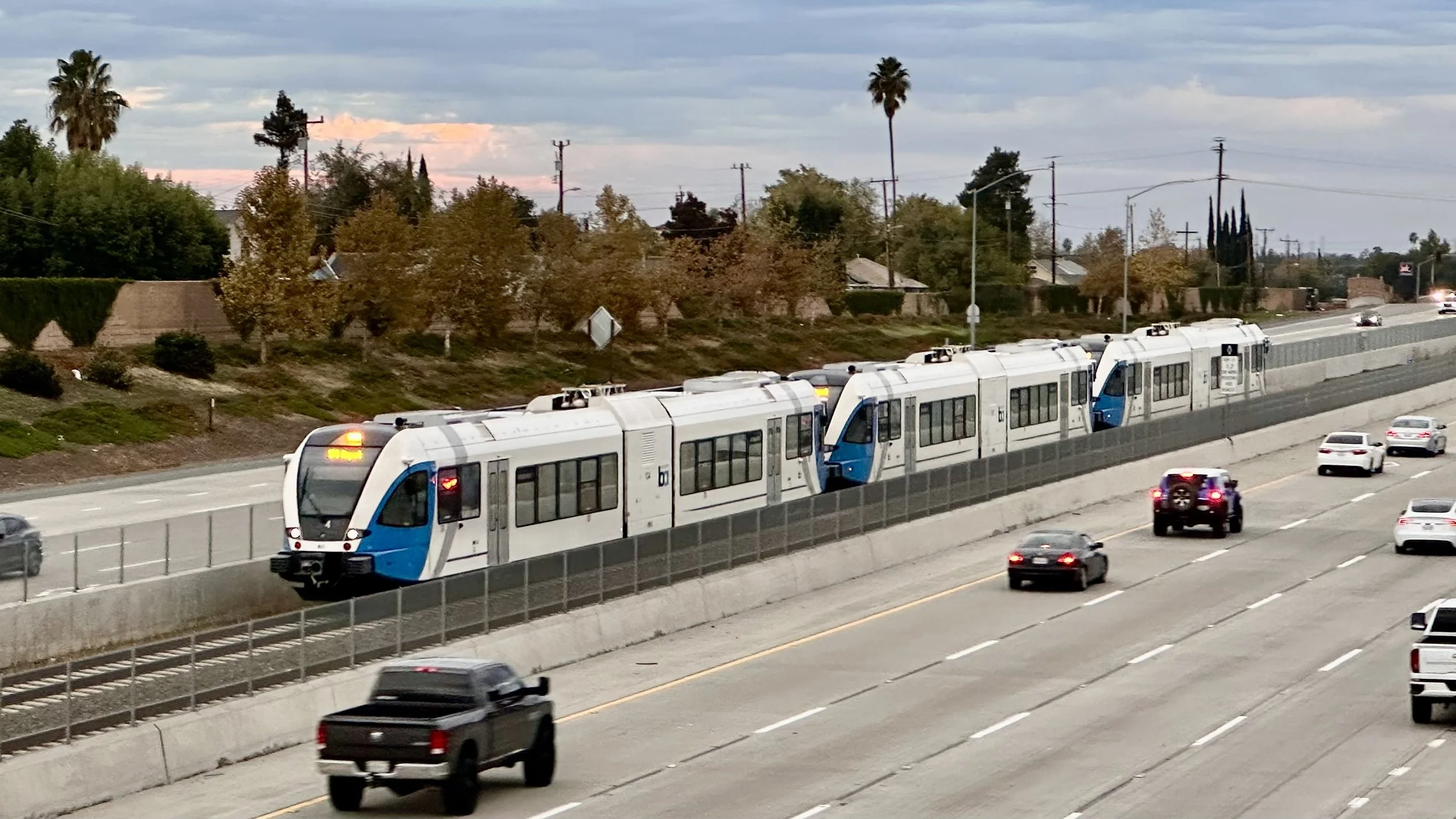
eBART stations resemble miniature BART stations, with large mezzanines, pedestrian walkways, and fare gates. Uniquely among DMUs, platforms are sized for three Stadler GTW 2/6s, and trimeric DMUs run daily (most other systems are proportioned for only one or two DMUs). Even more interestingly, train lengths change significantly throughout the day, from one vehicle in the afternoon and overnight, to two during shoulder periods, to three at peak. Turnarounds at Bay Point Transfer are quick, about 5 minutes, but vehicles rest for a full 15 minutes at Antioch; this gives enough time to add or subtract DMUs from the consist on the platform, and the tail tracks between Antioch and the OMF tunnel is triple tracked, leaving plenty of room to store extra DMUs and trainsets.
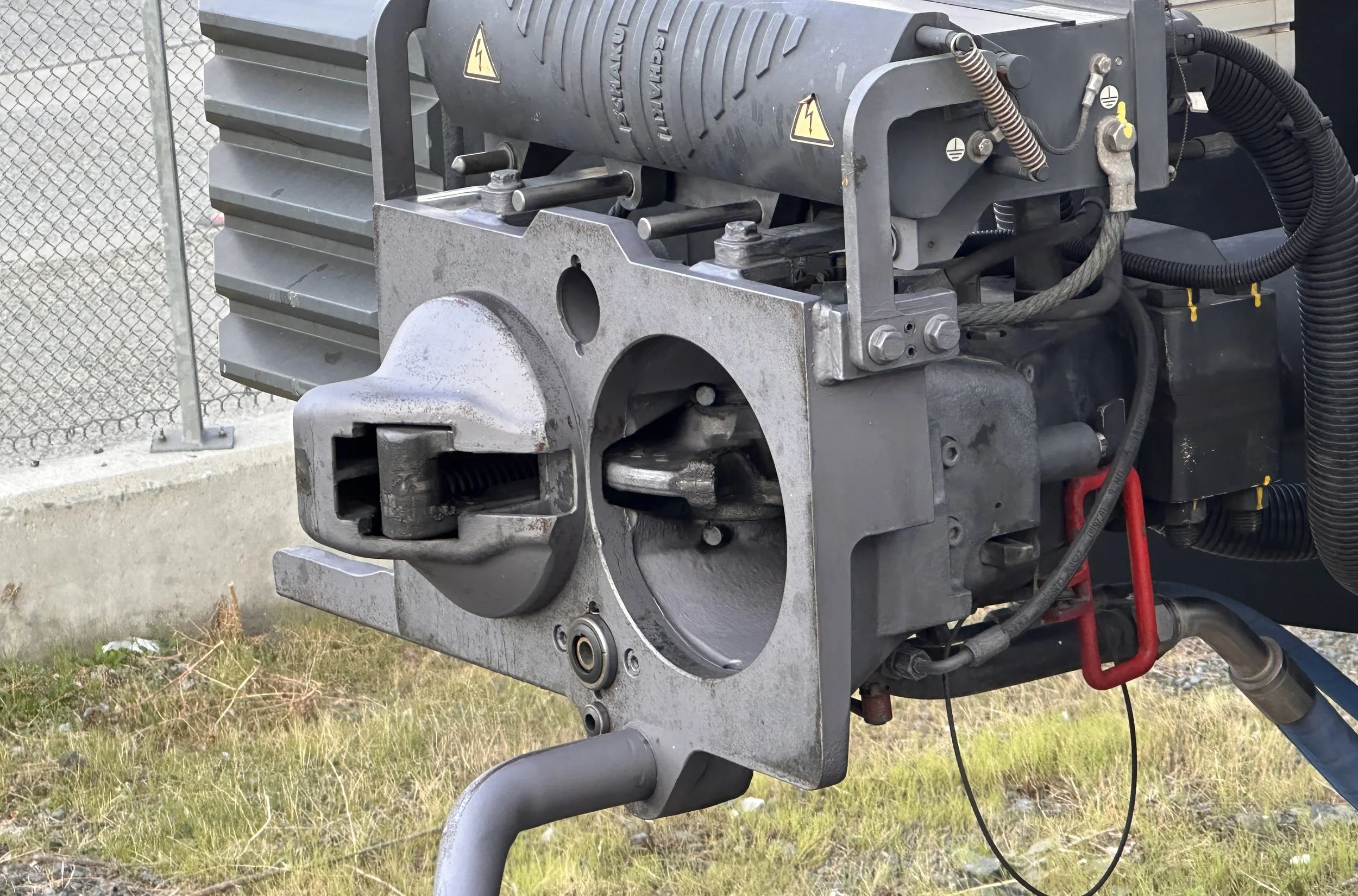
While Rapido has recently produced models of BART subway cars, and a small automated bookshelf layout of Bay Point Transfer would be a creative way to showcase them, for the overwhelming majority of modelers, eBART is not a subject for prototype modeling. However, its scaling of DMU lashups larger and smaller throughout the day to match demand can add operational intrigue to typical transit operations. Most current DMU models require hidden drawbars, so it may be too difficult to change consists mid-op-session, but this can be easily worked around by sending a single DMU to the OMF and trading it with a pre-consisted two- or three-DMU lashup.