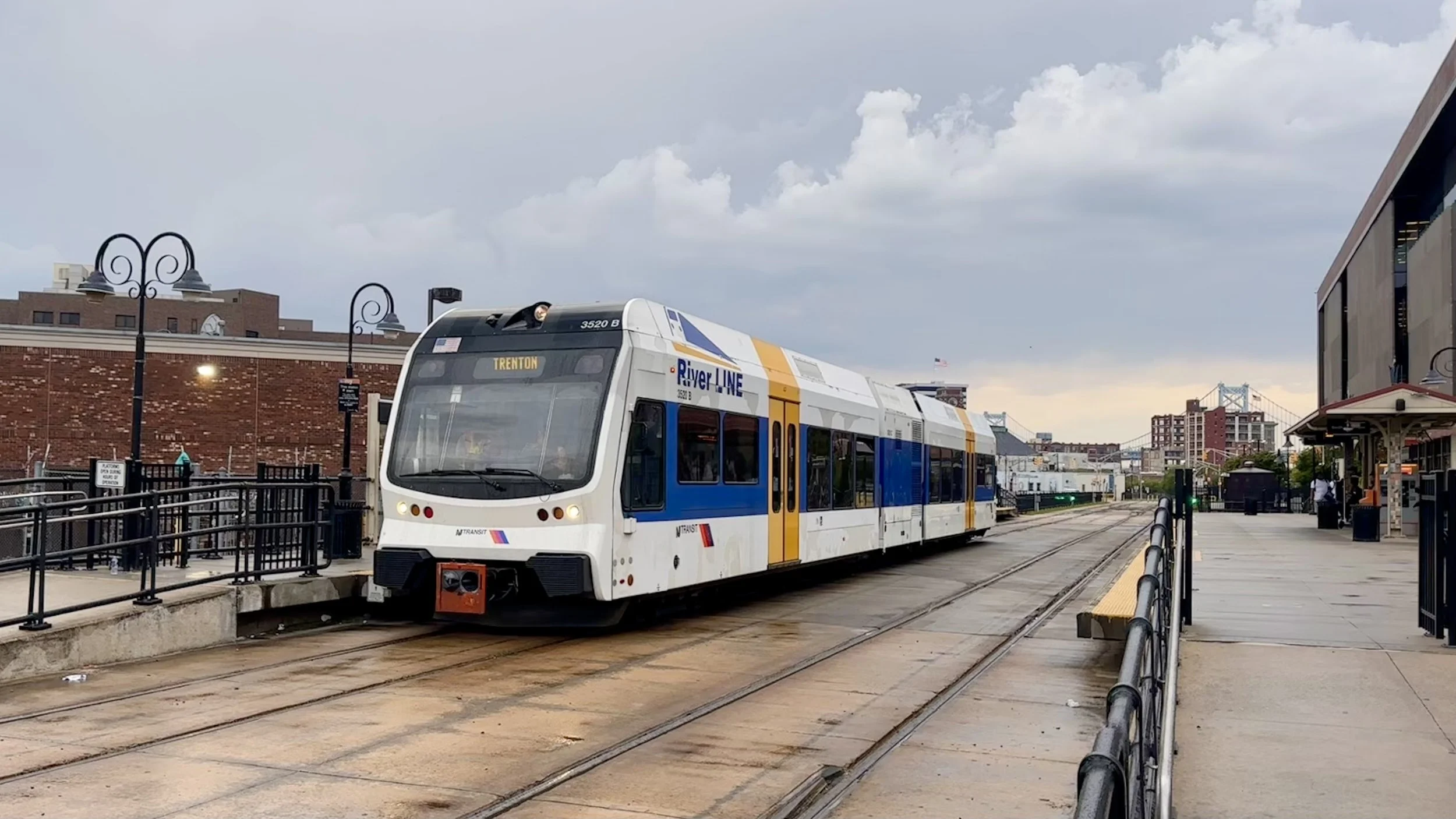
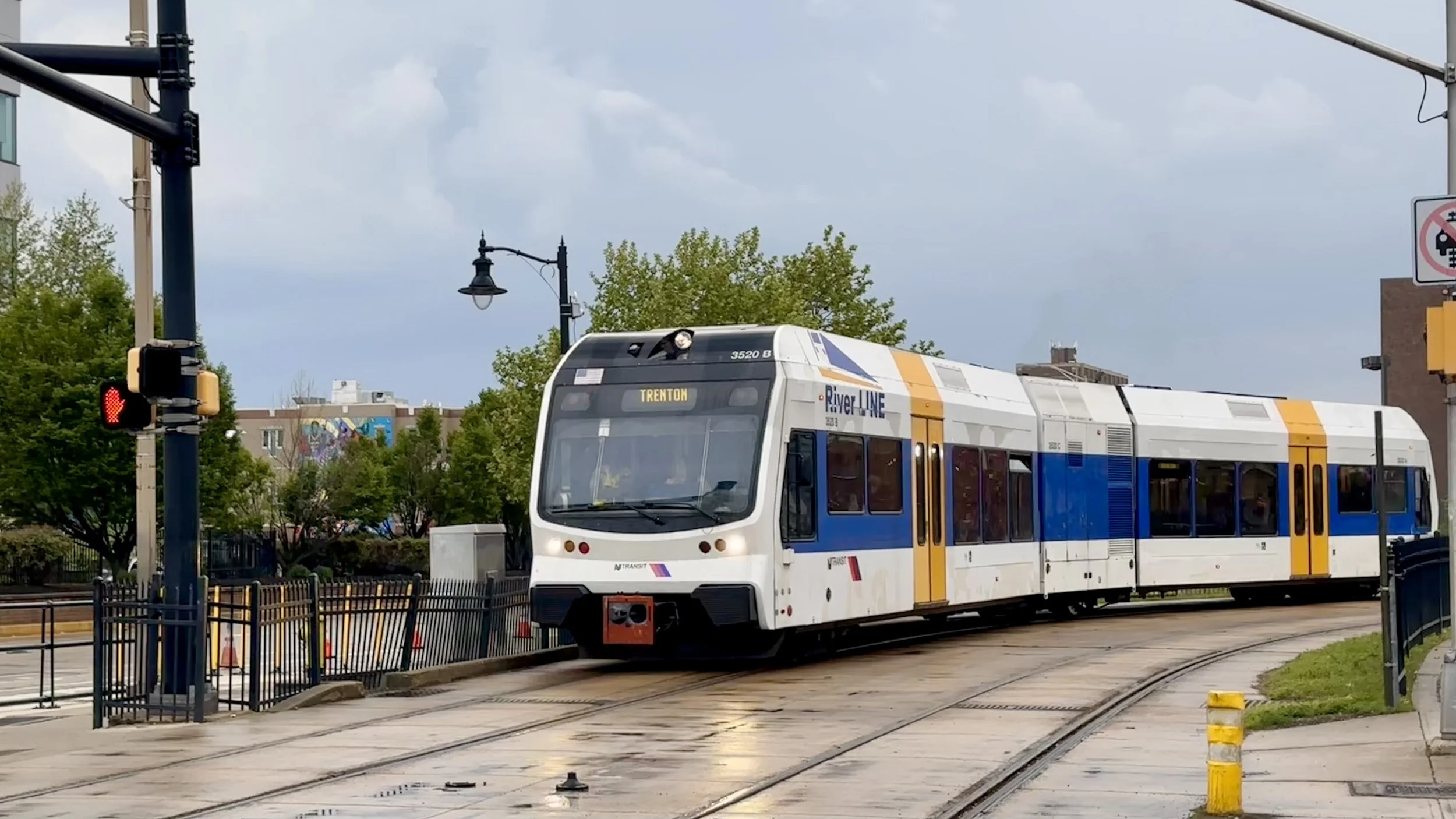
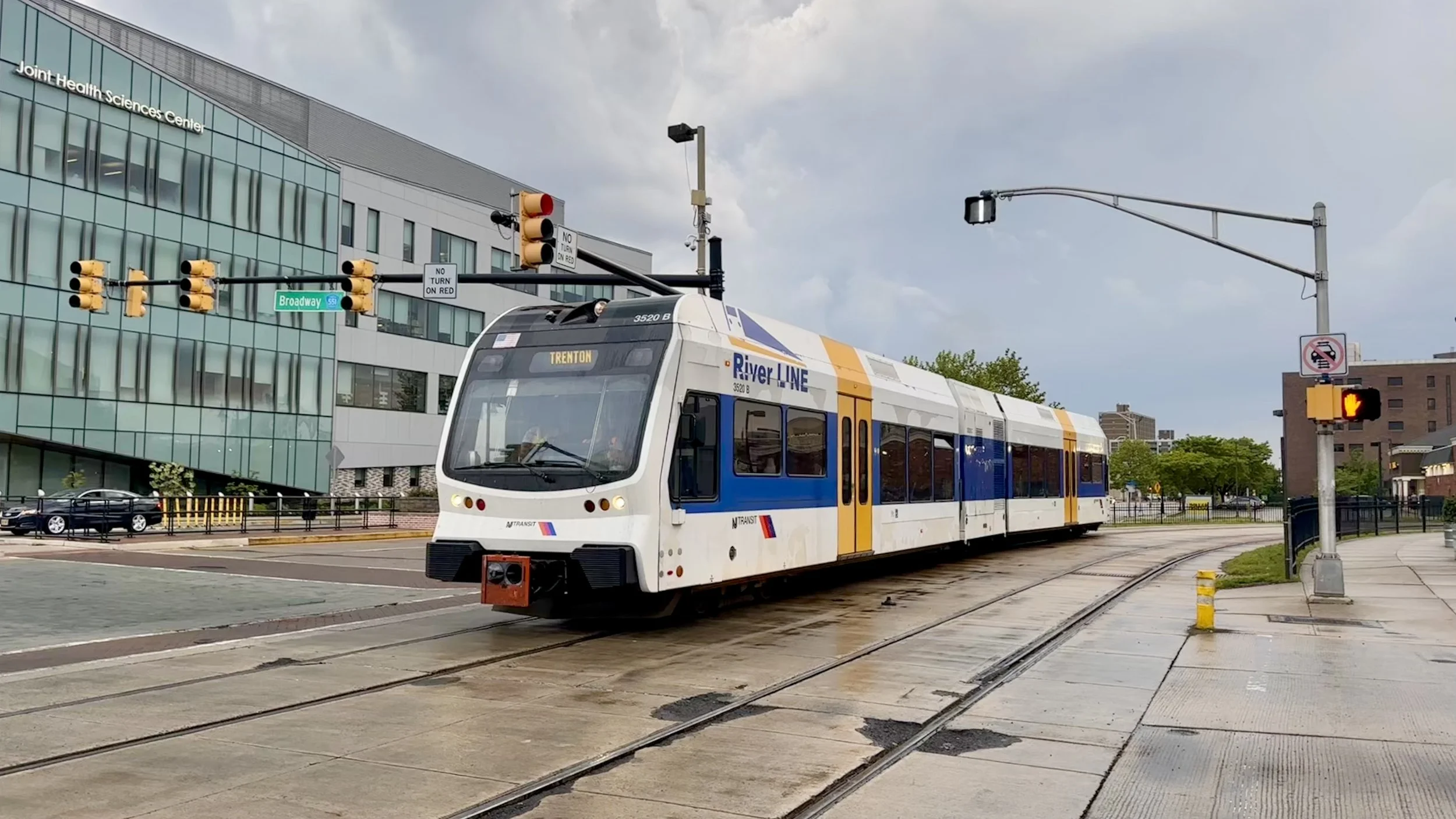
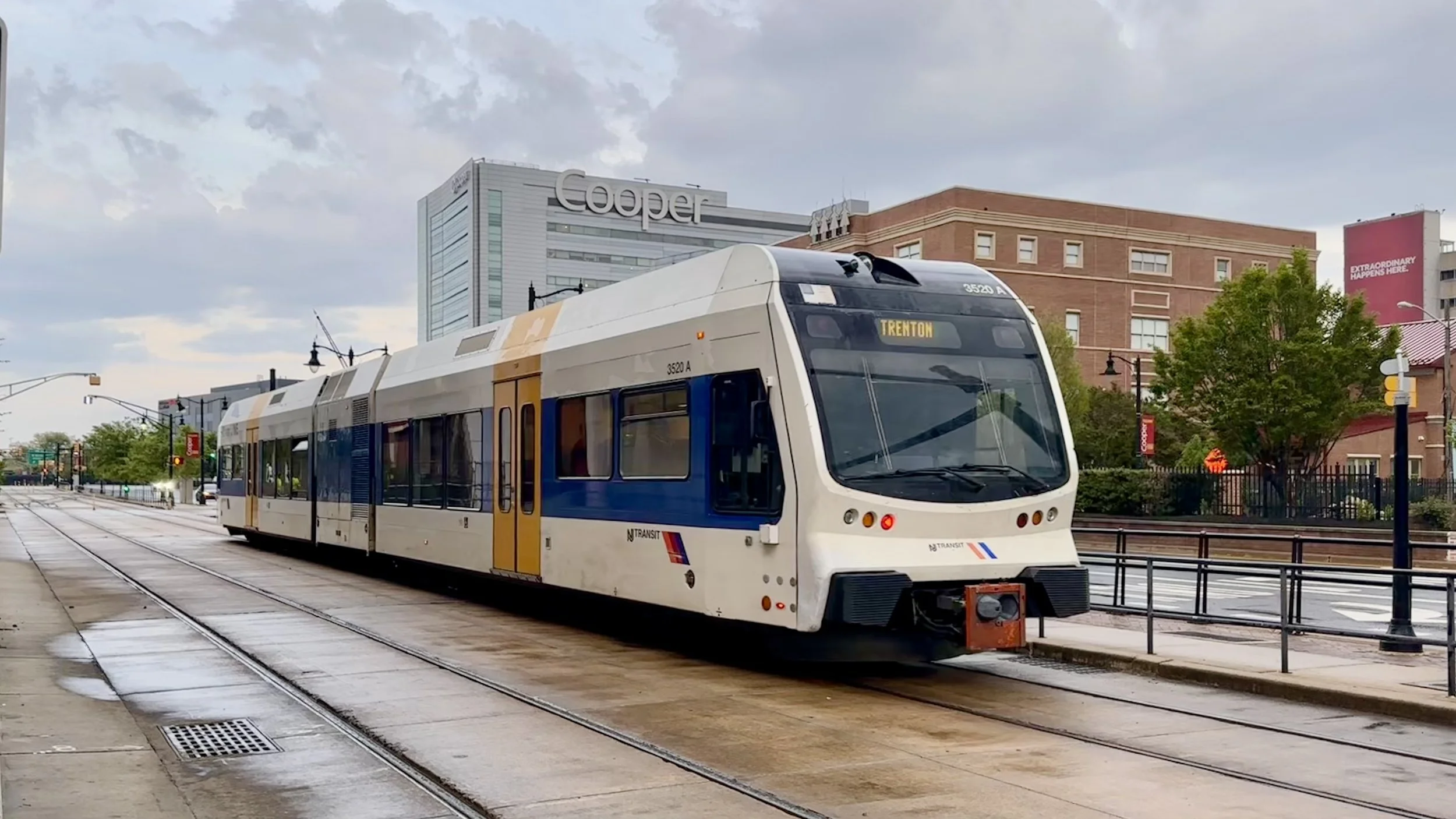
NJT River Line
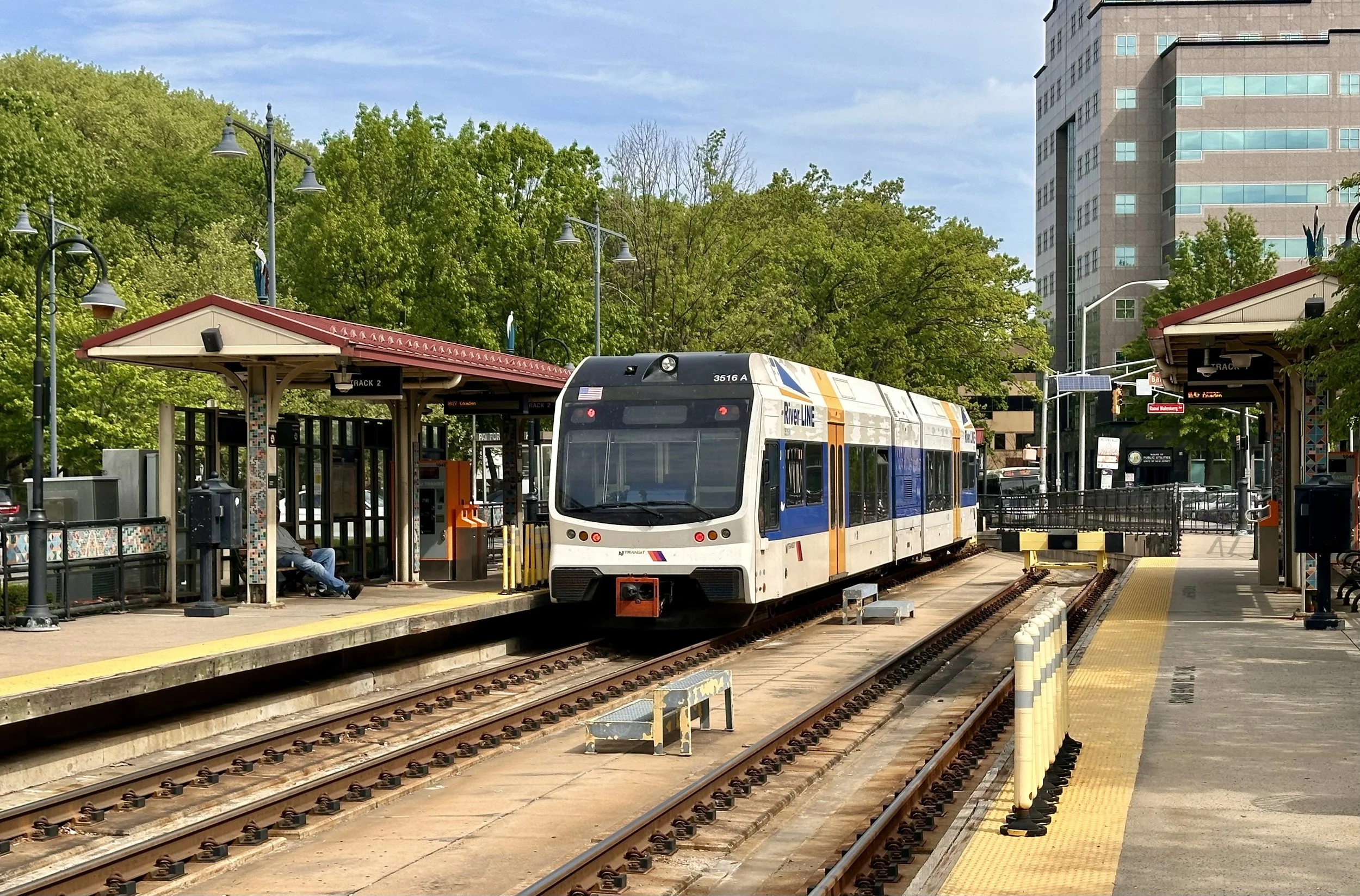
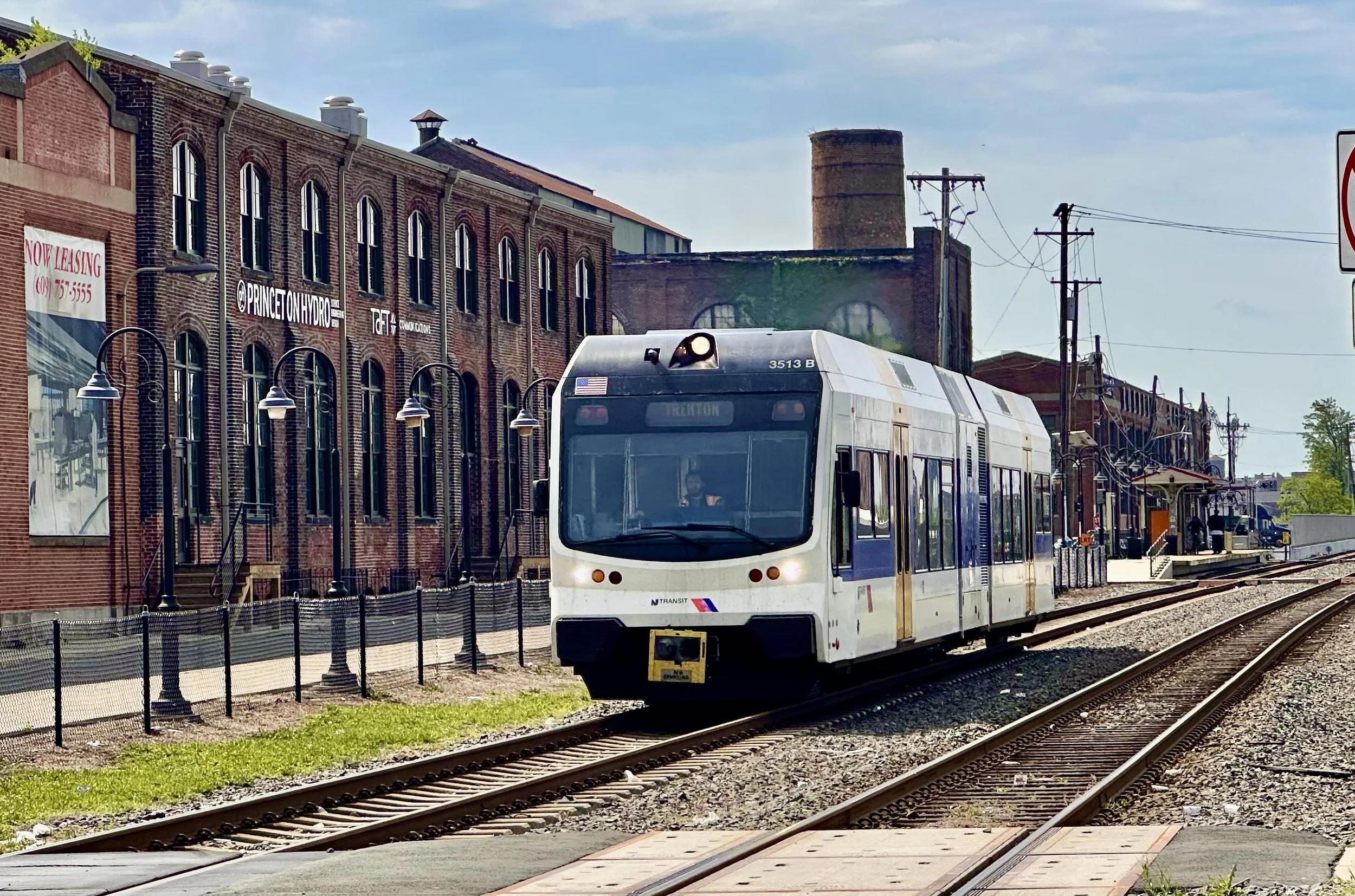
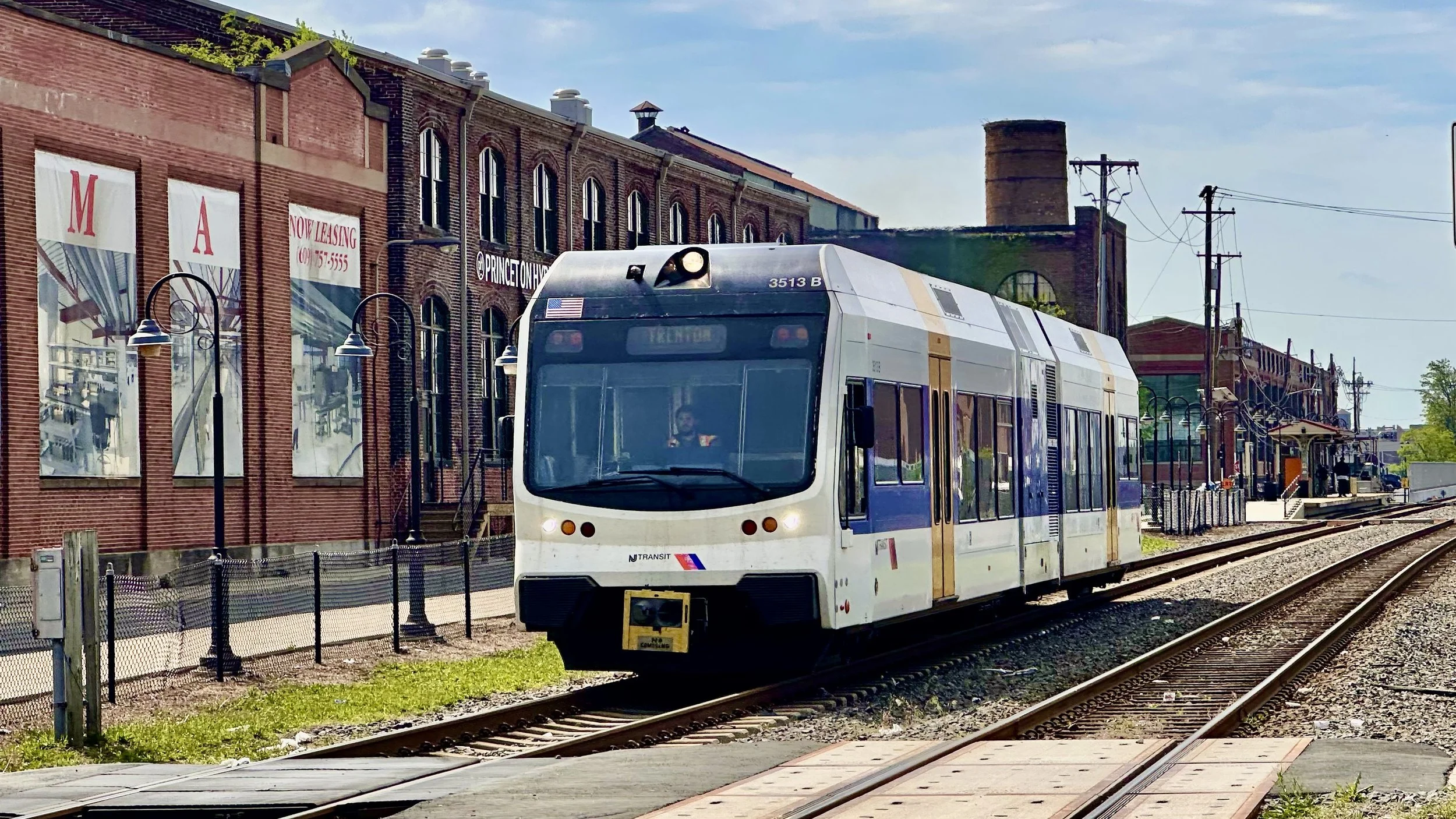
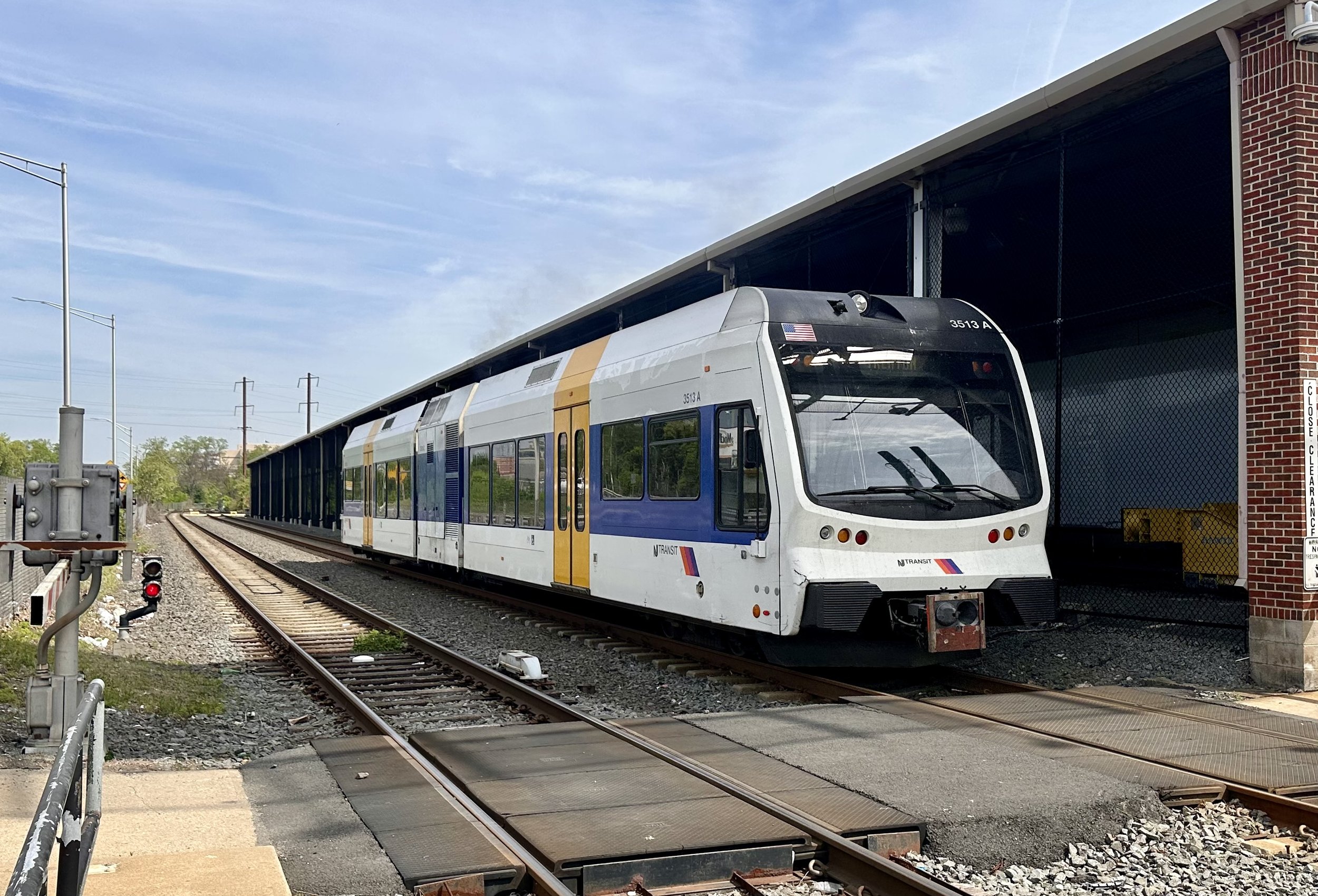
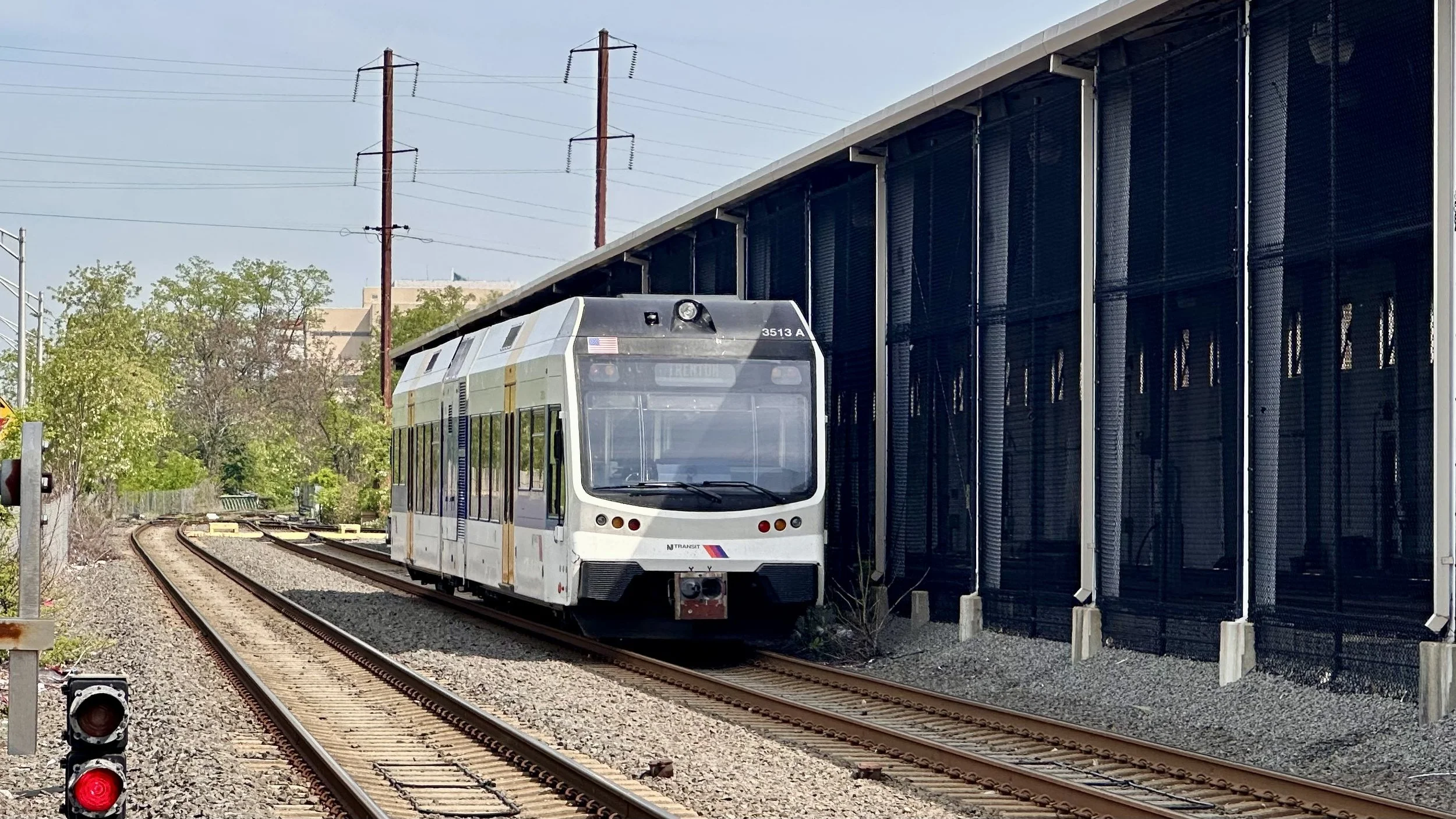
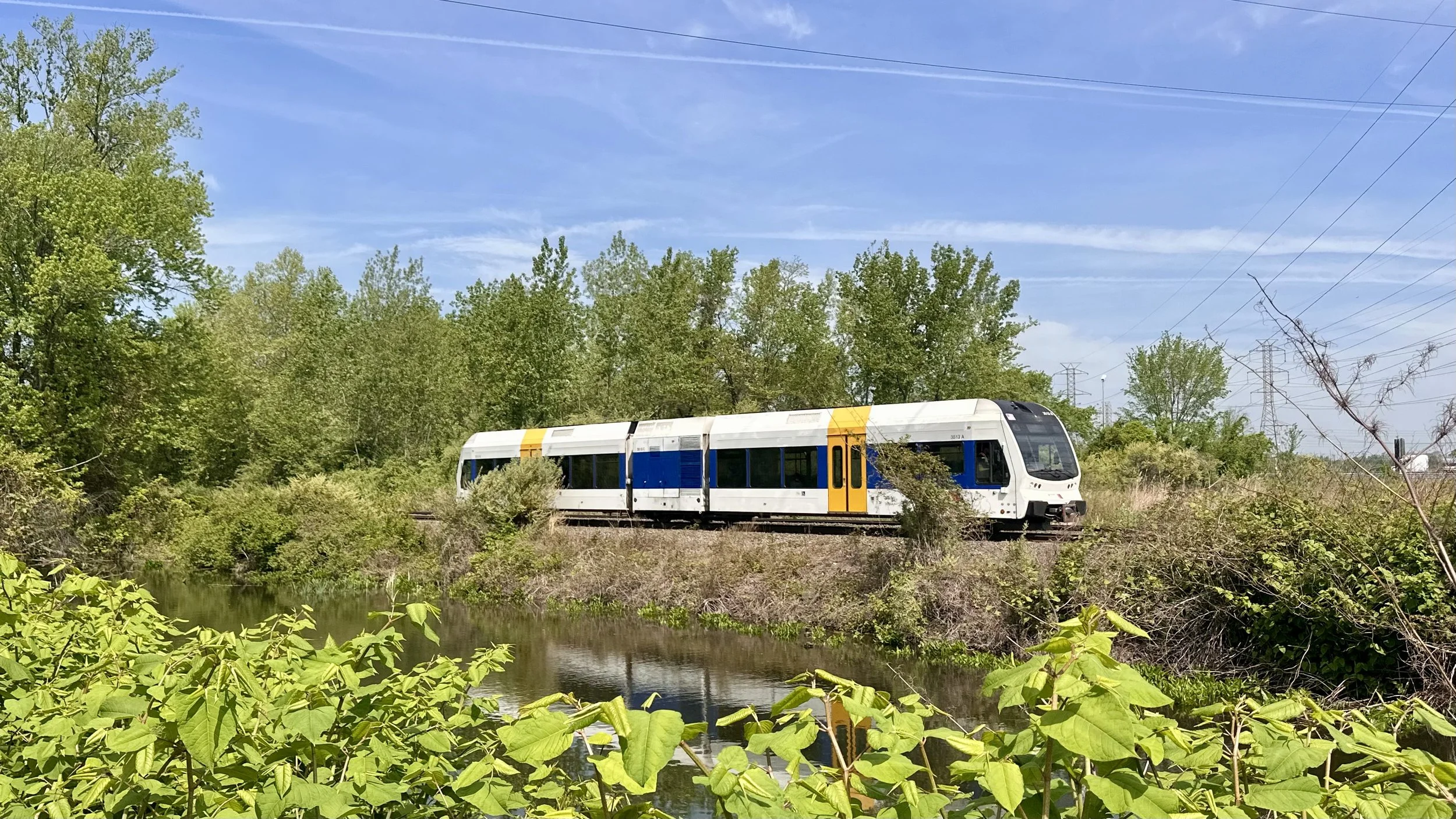
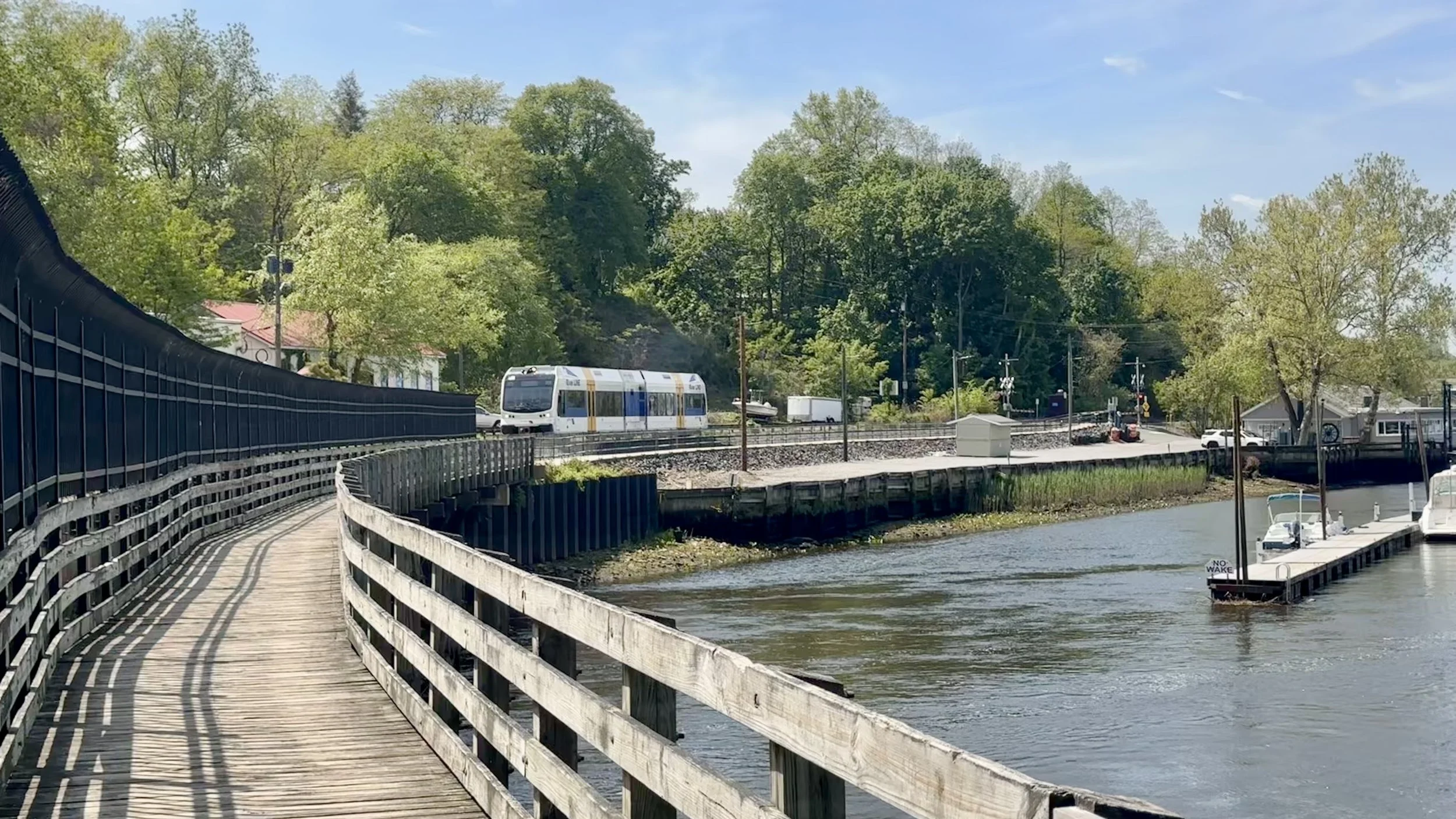
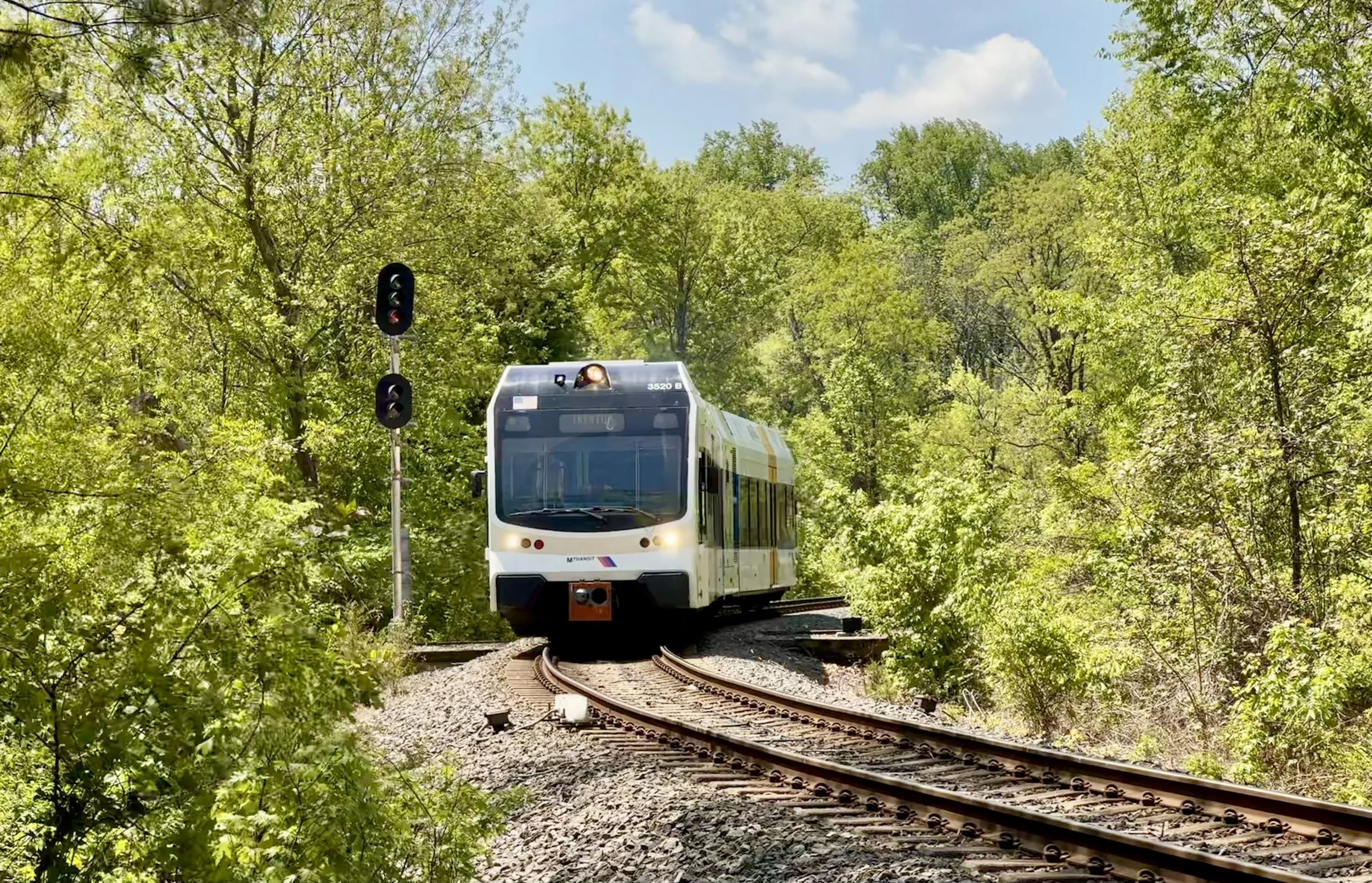
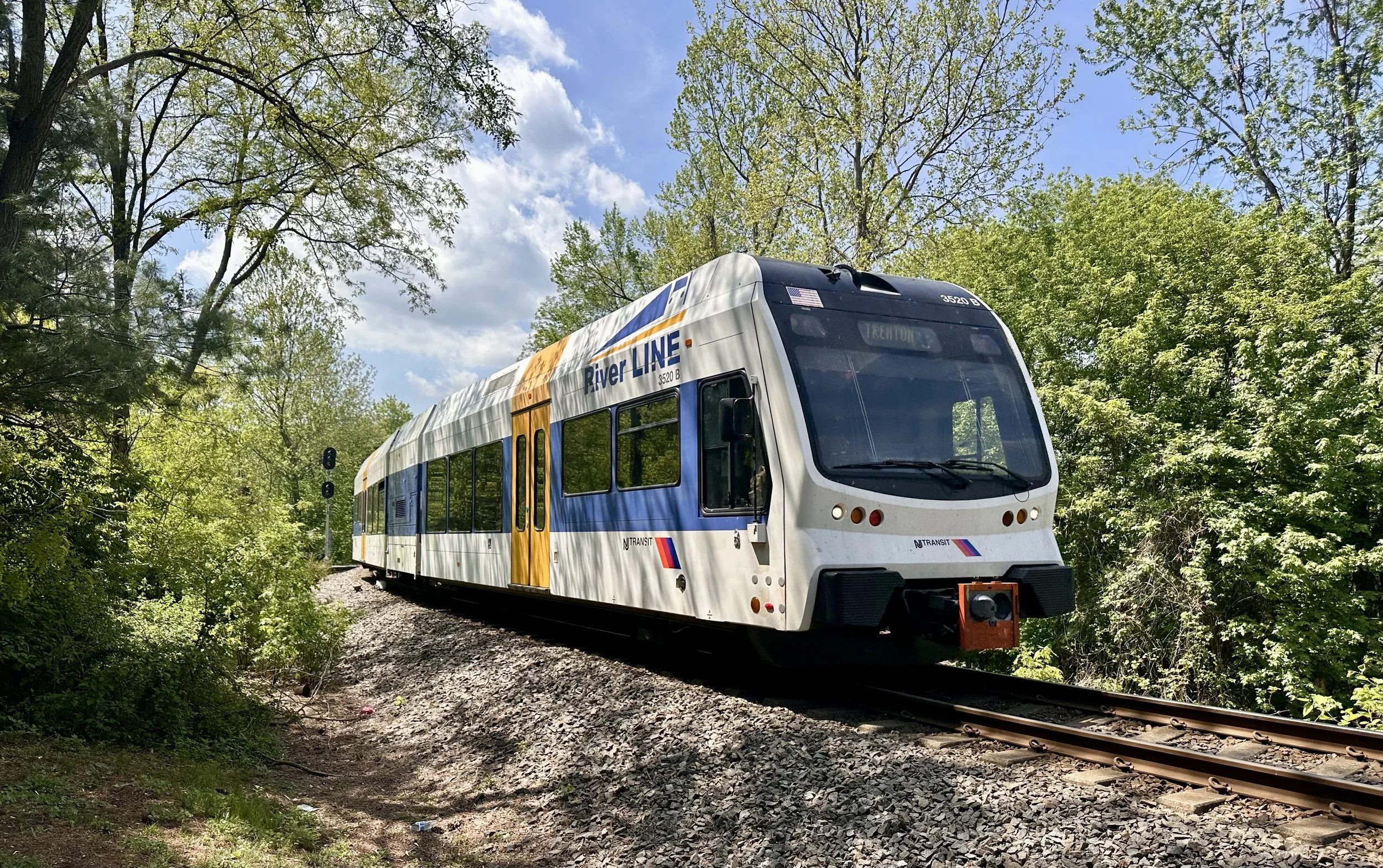
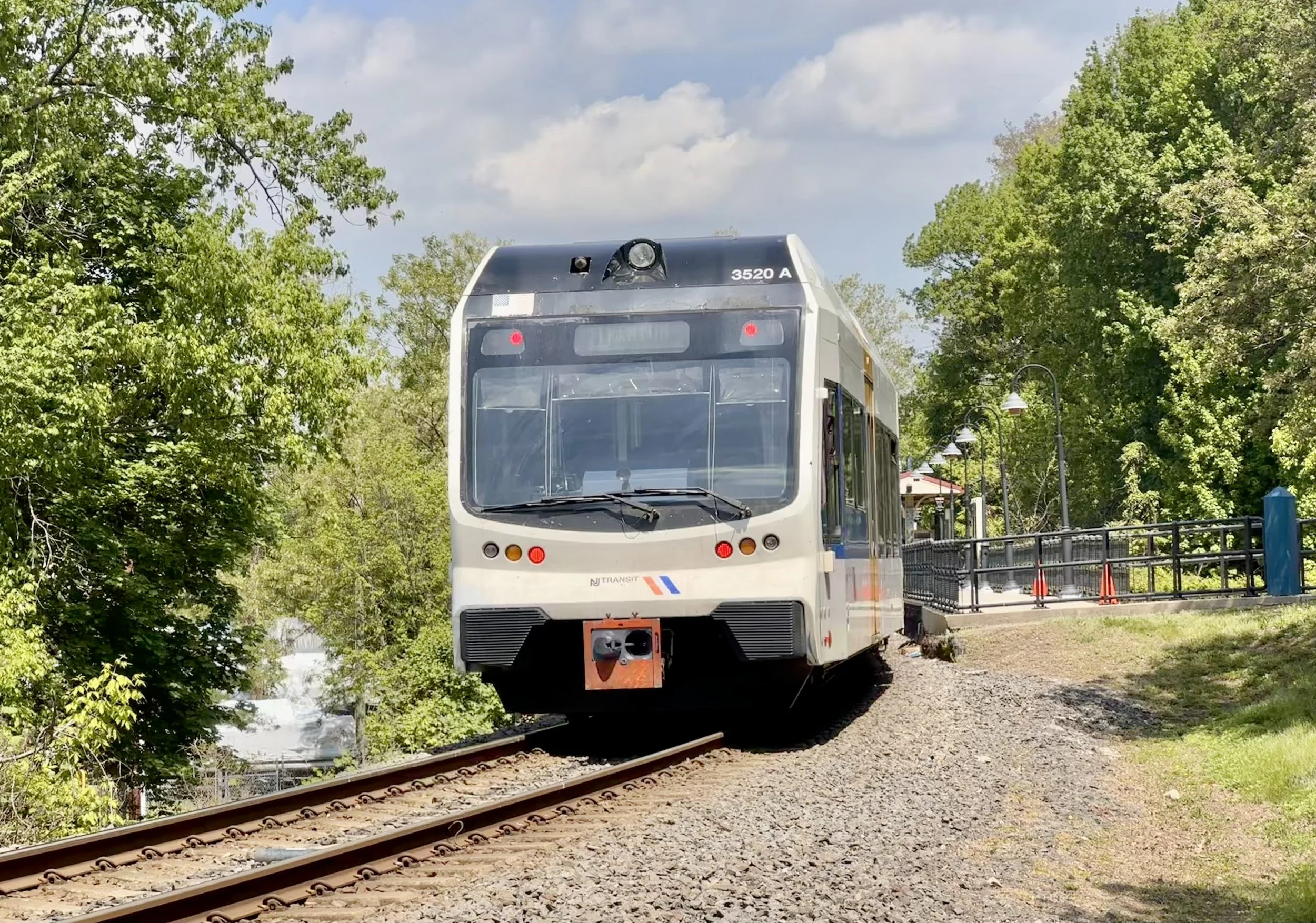
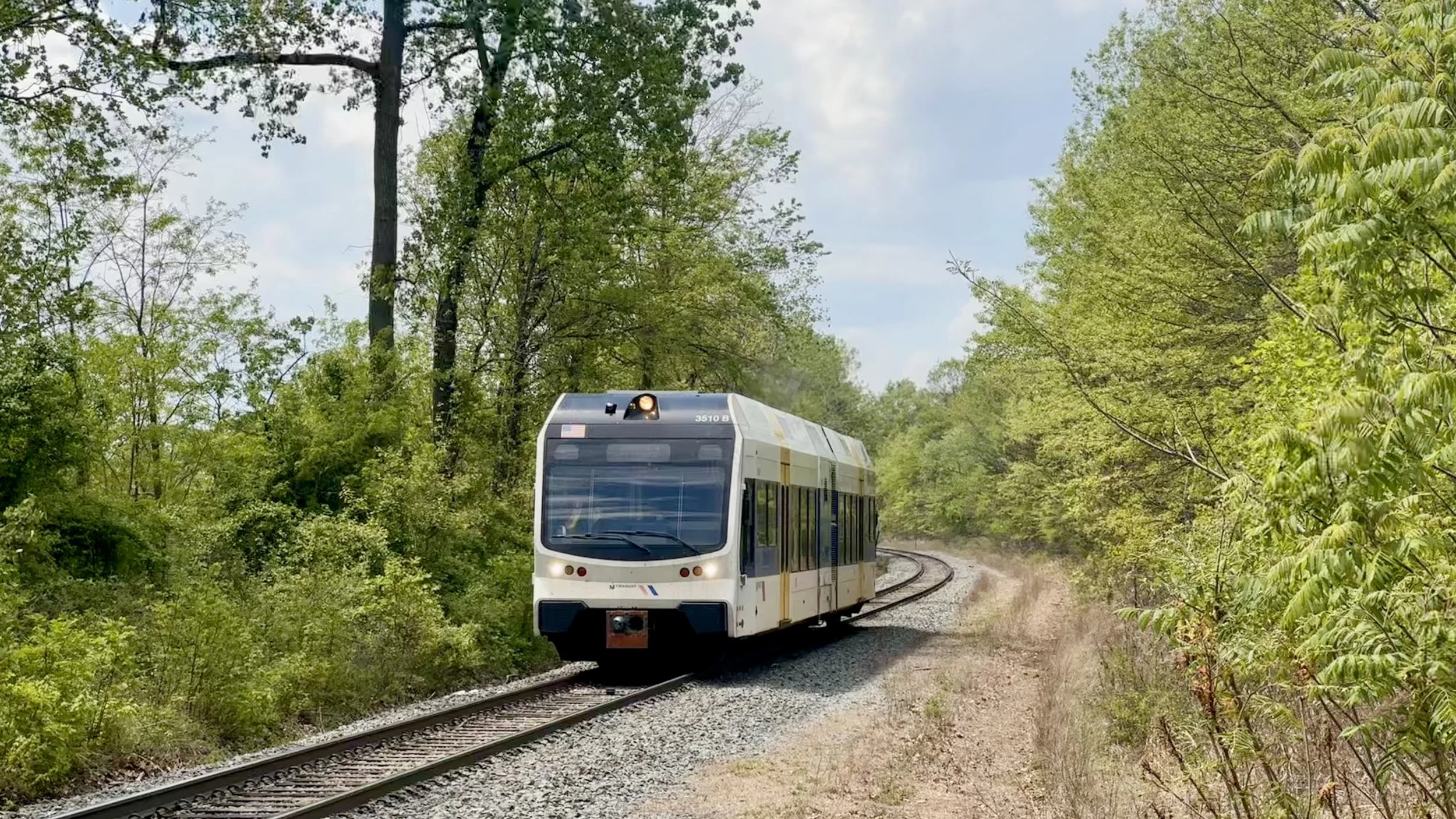
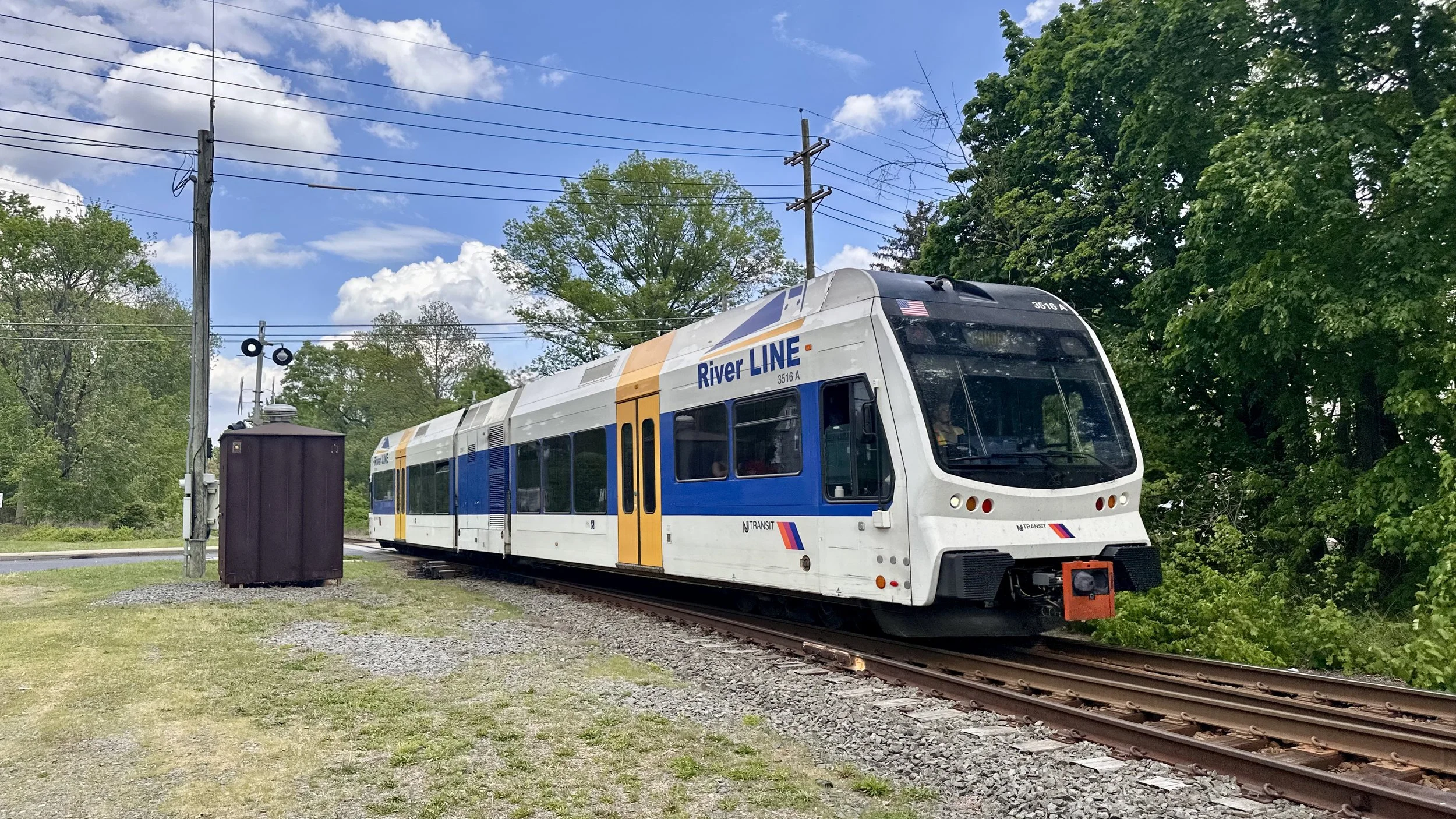
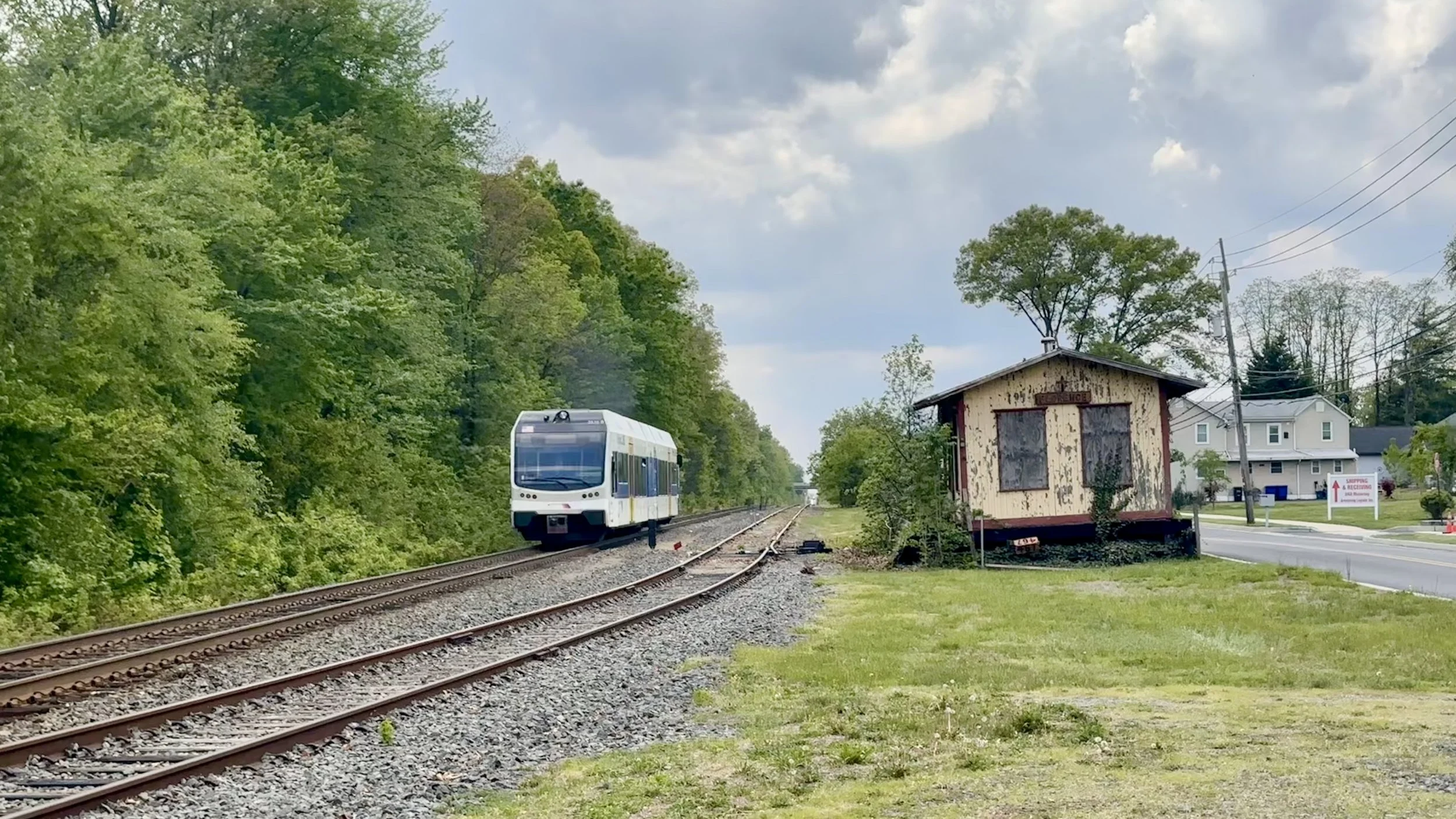
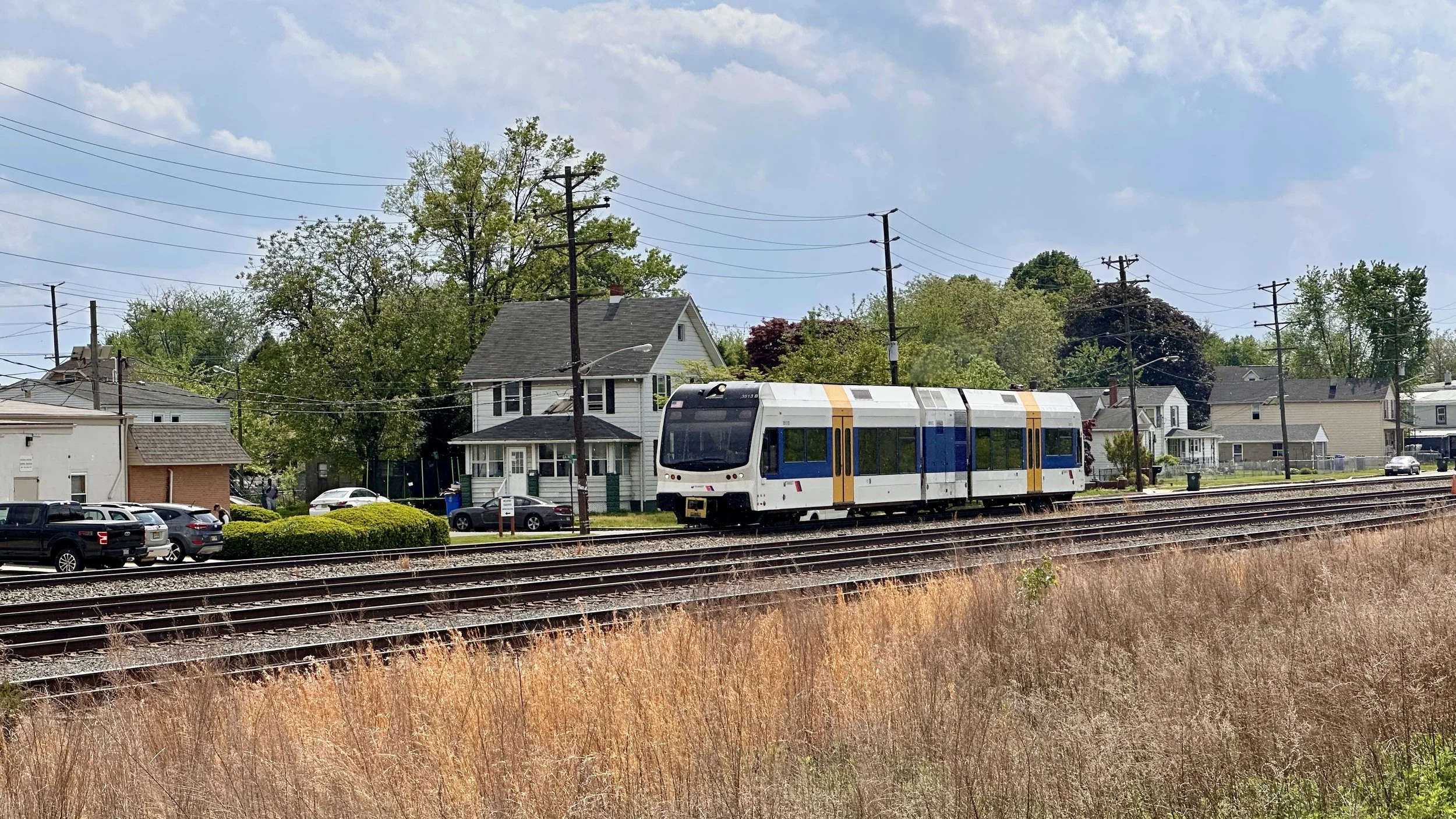
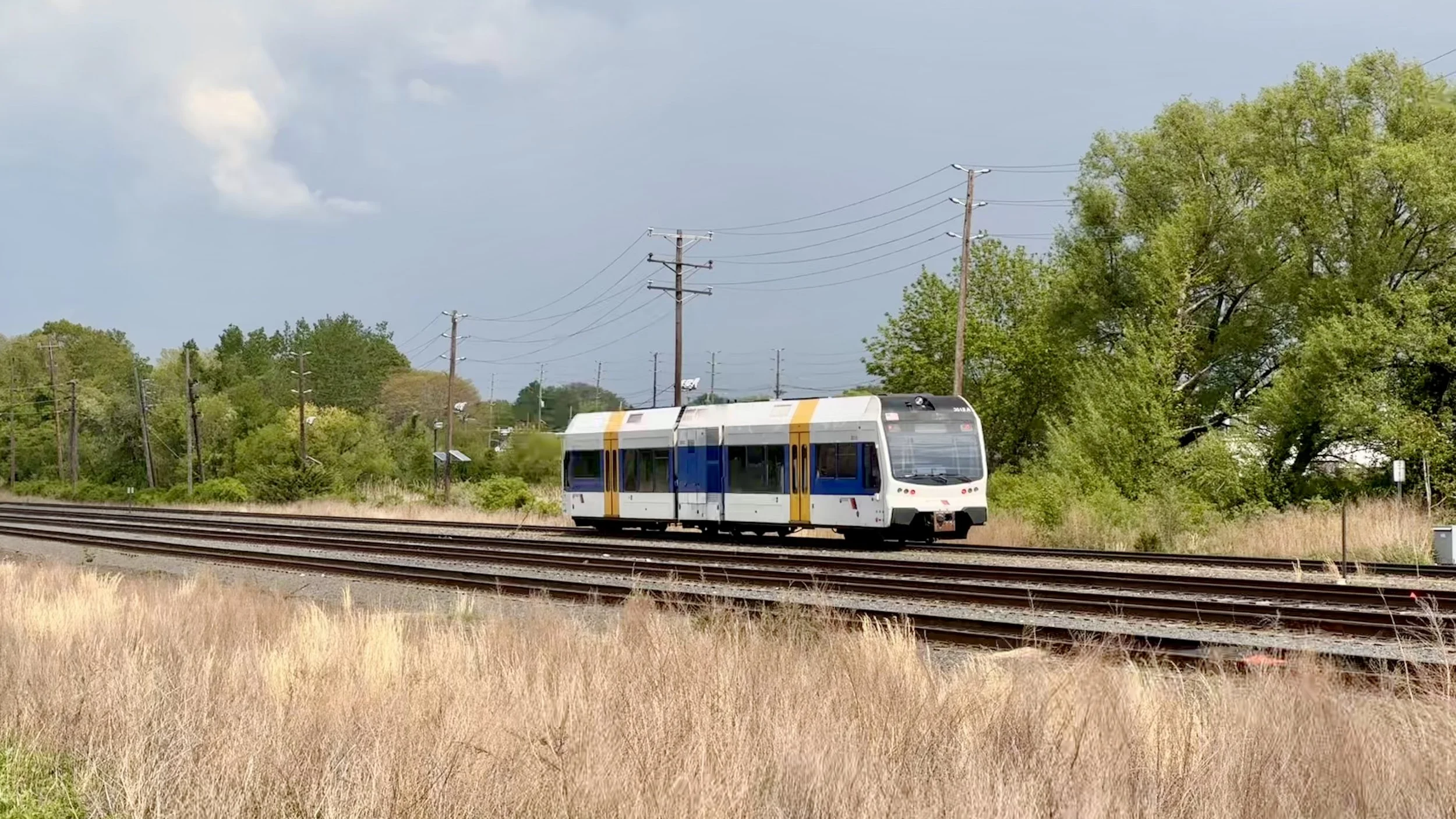
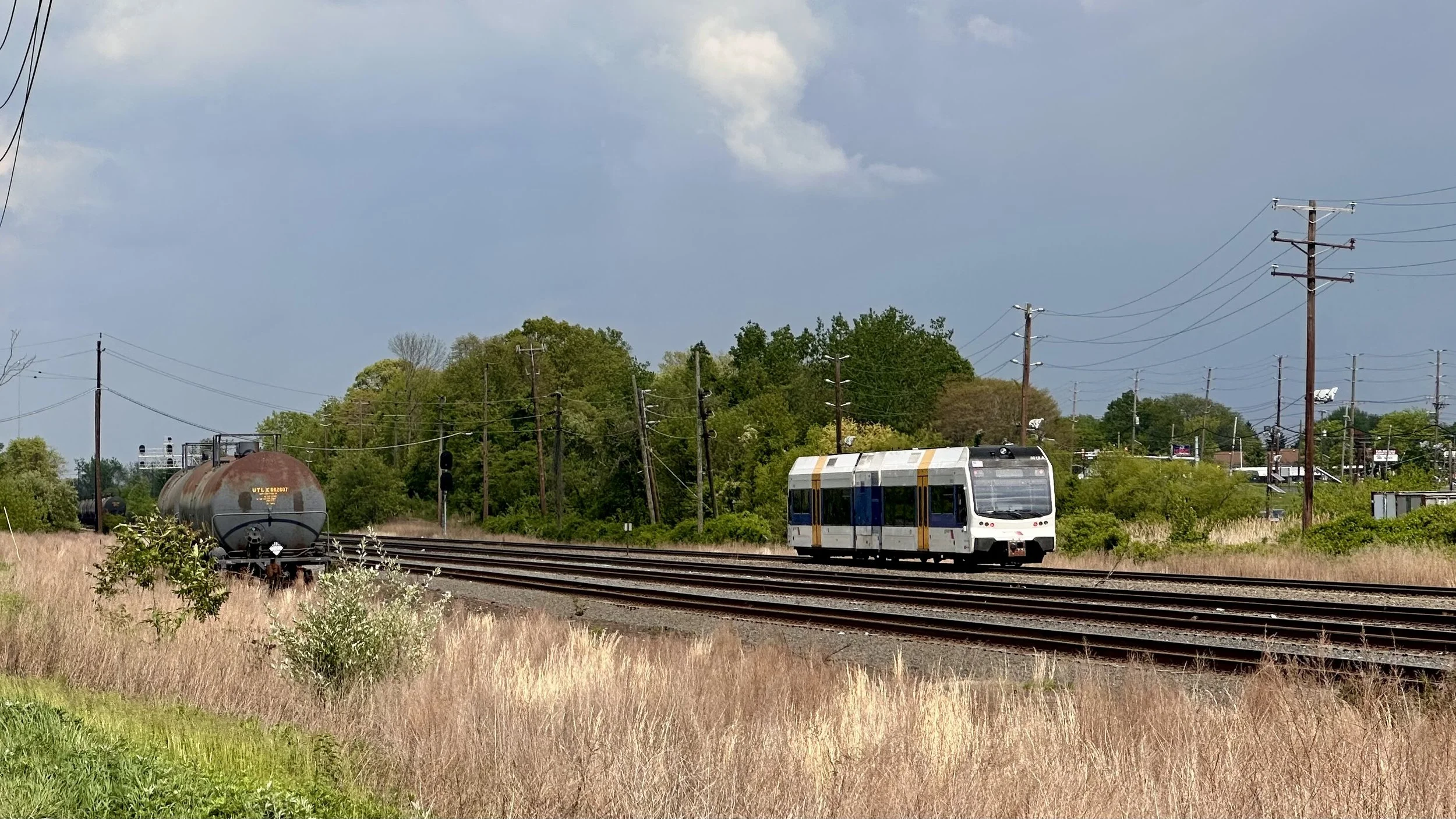
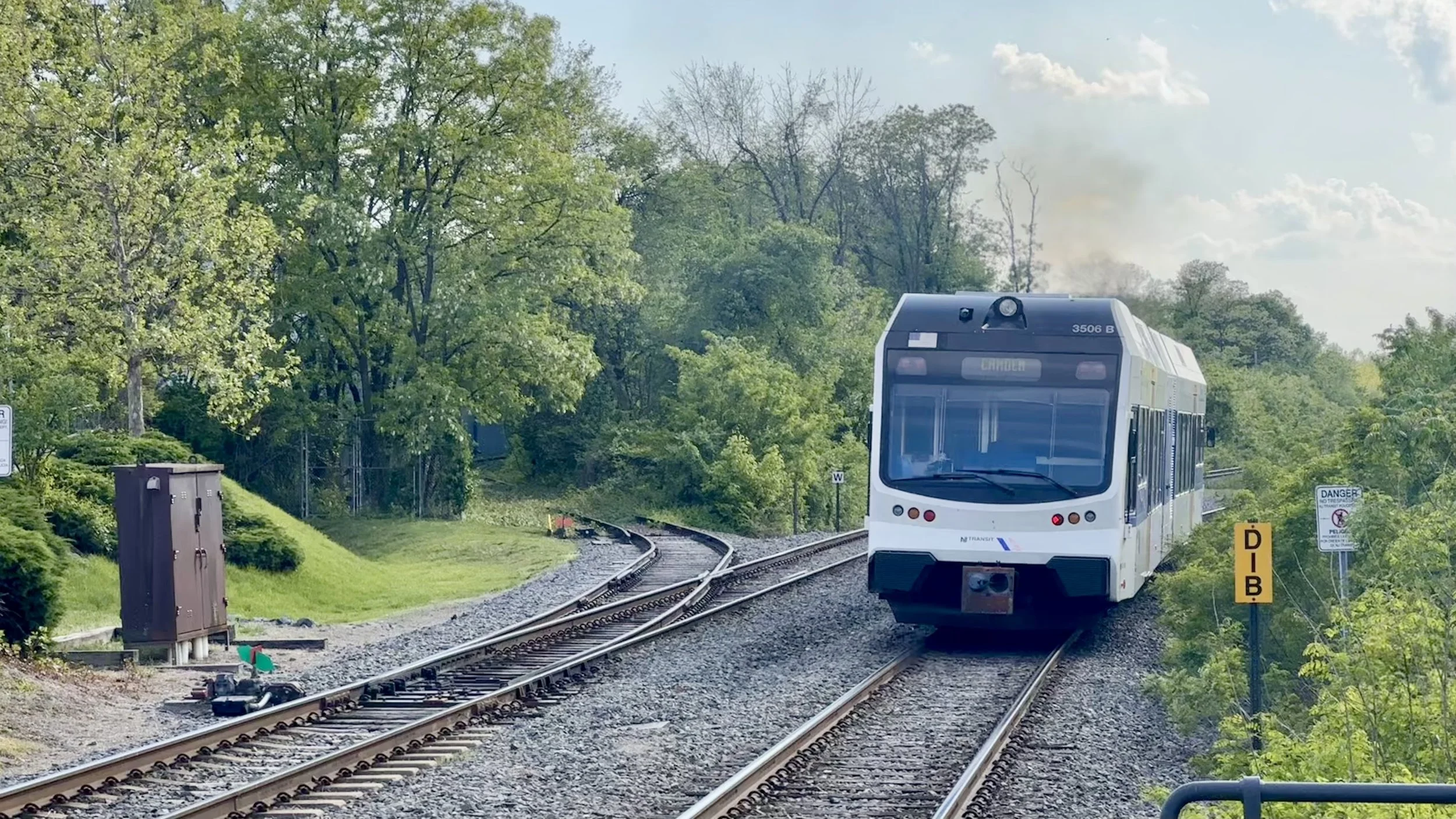
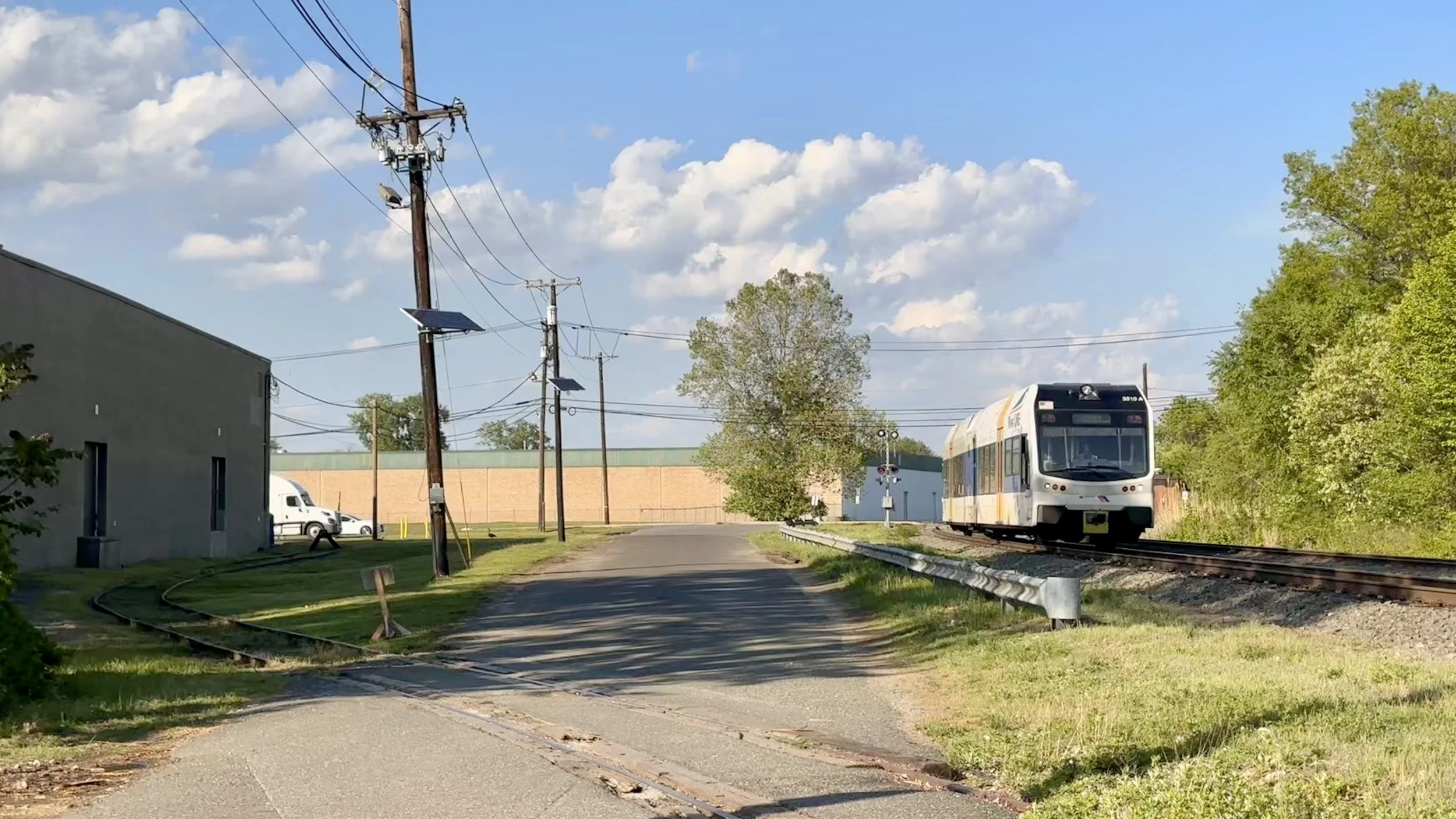
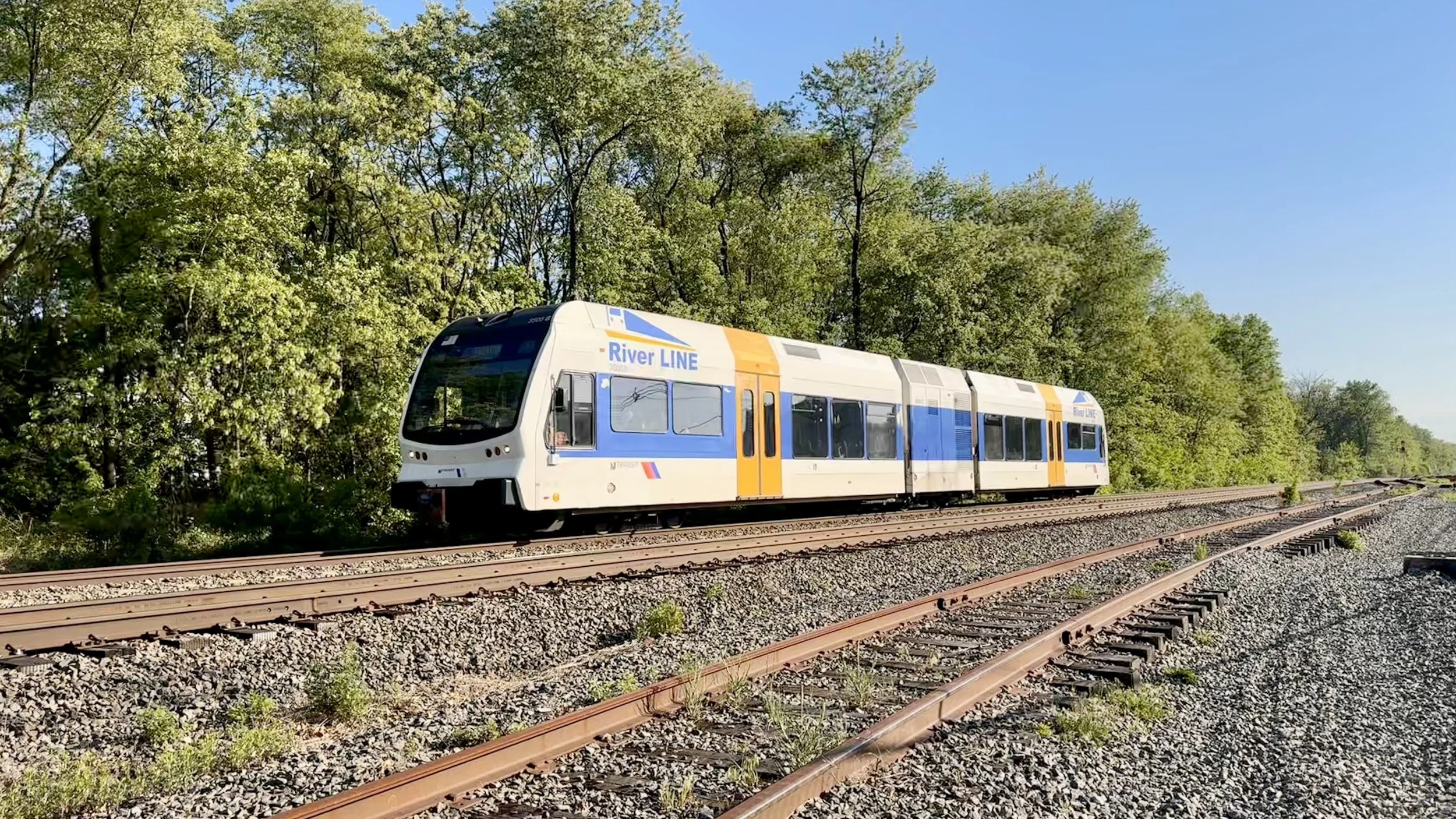
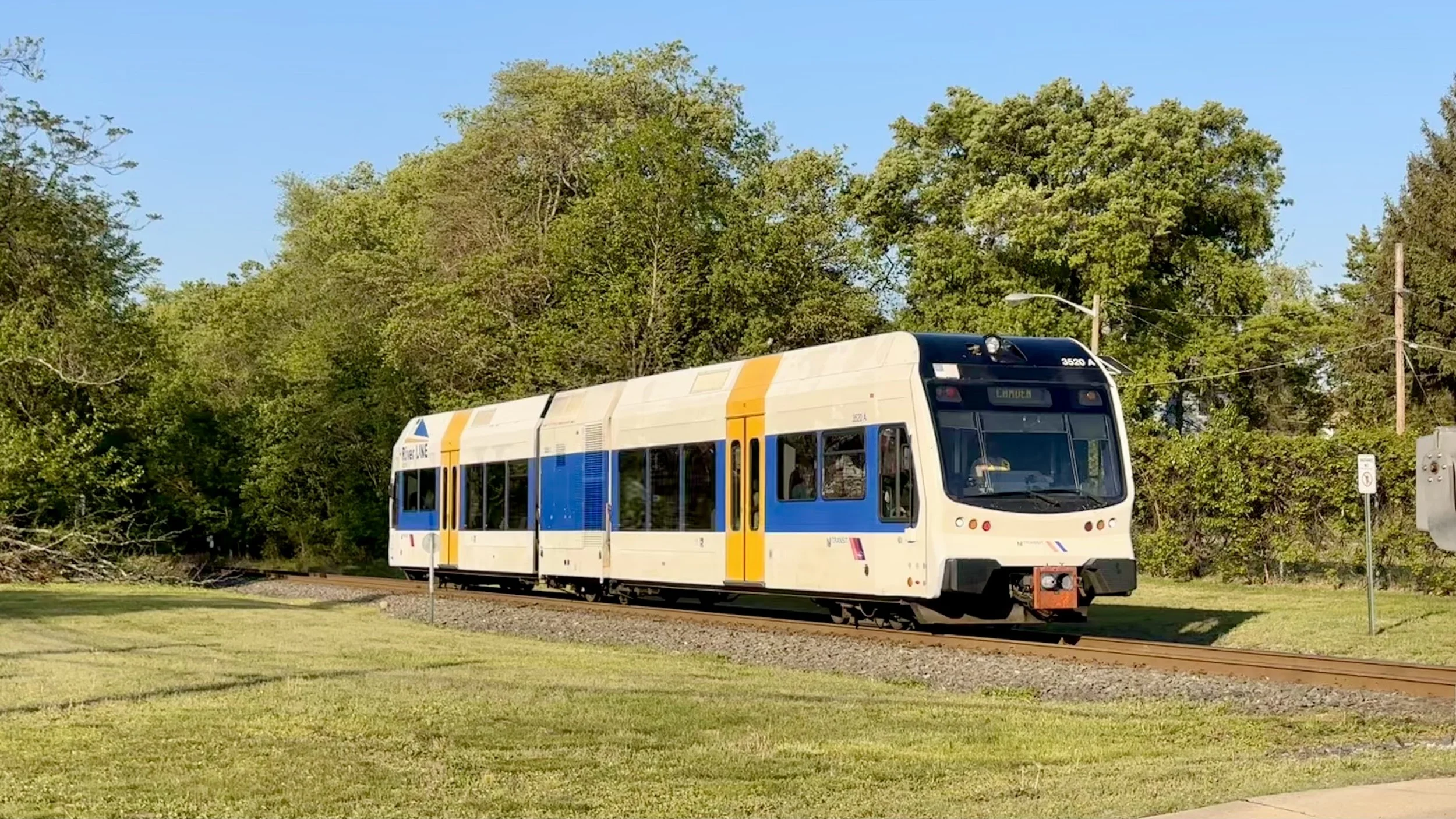
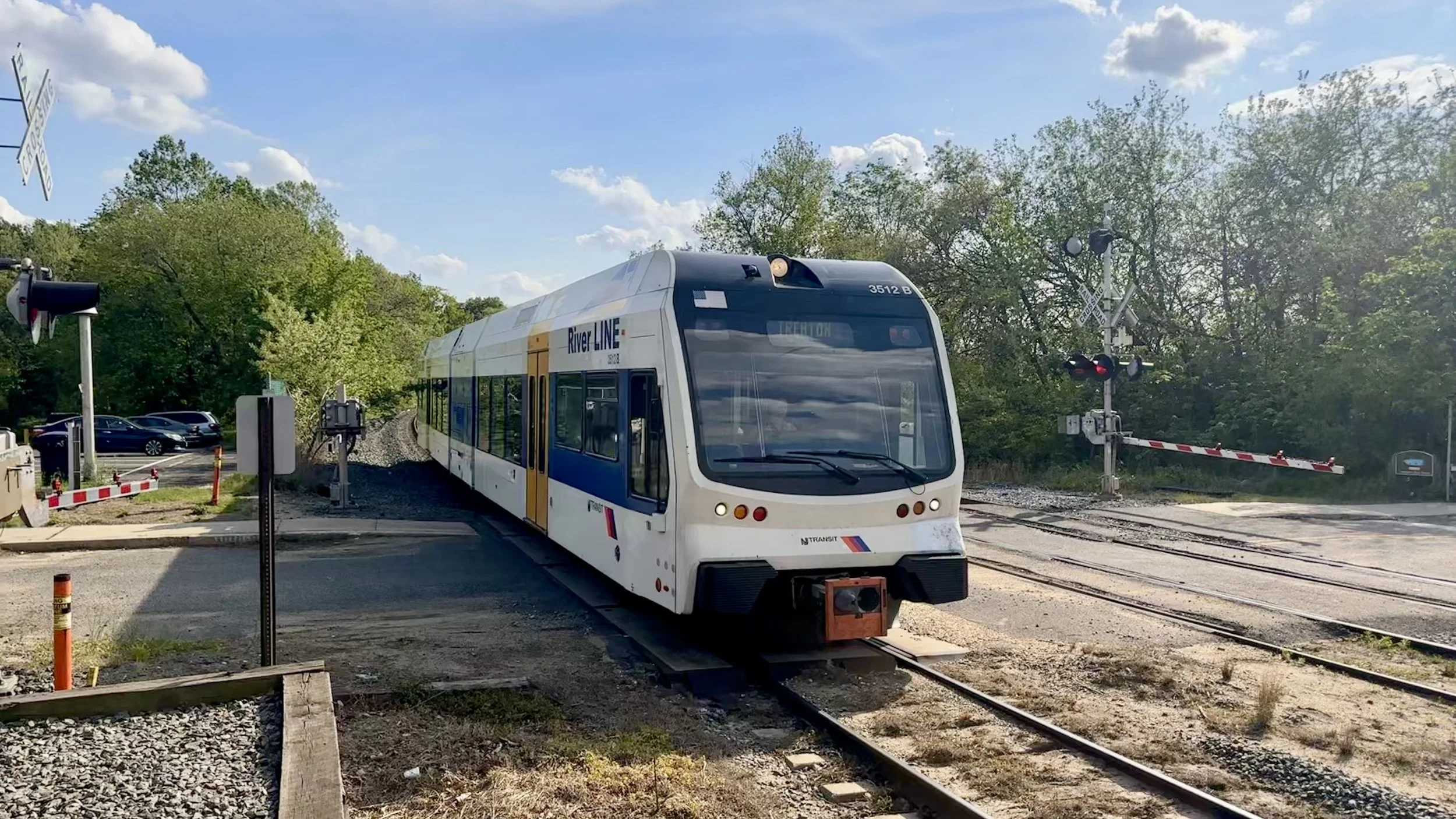
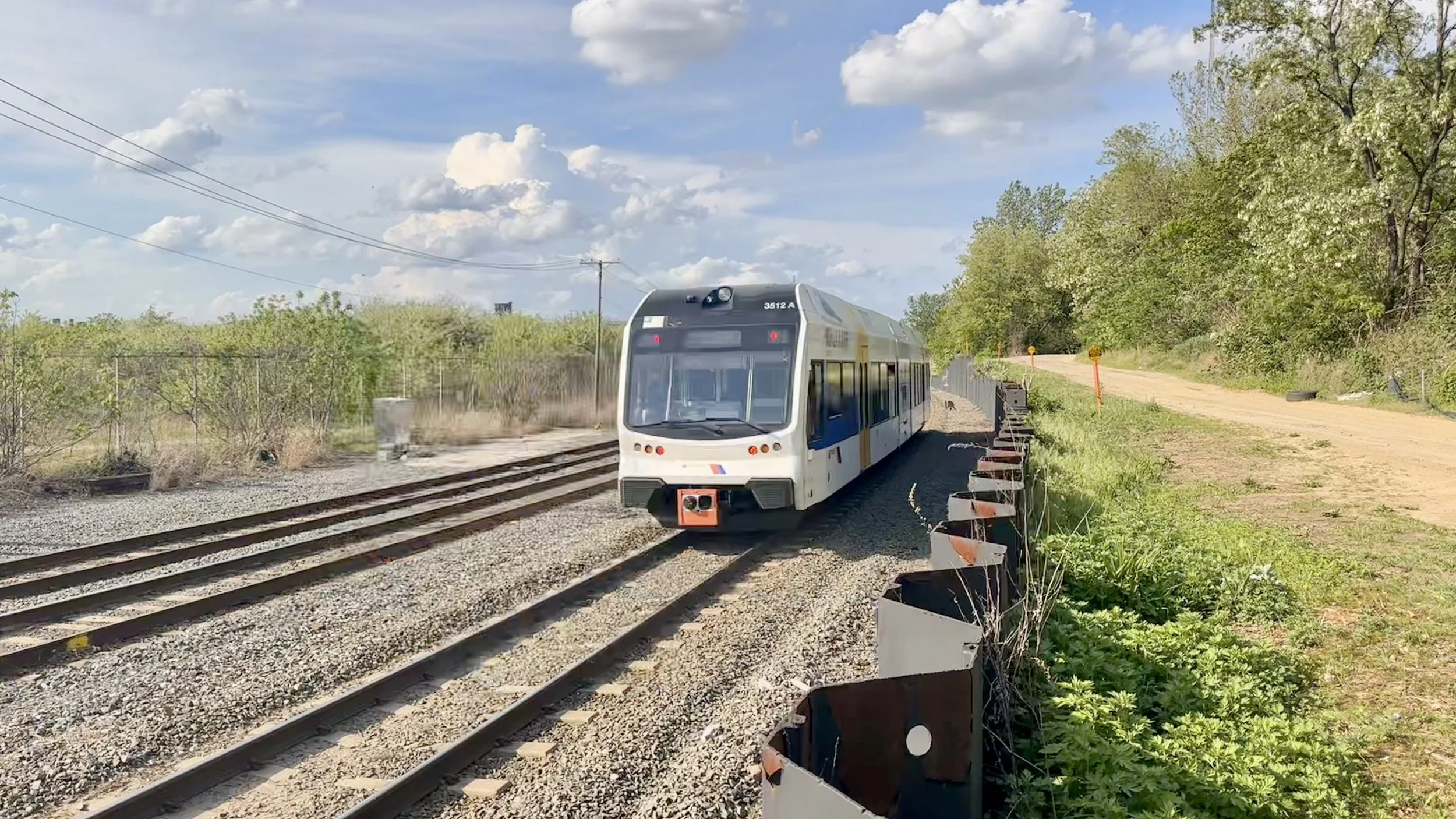
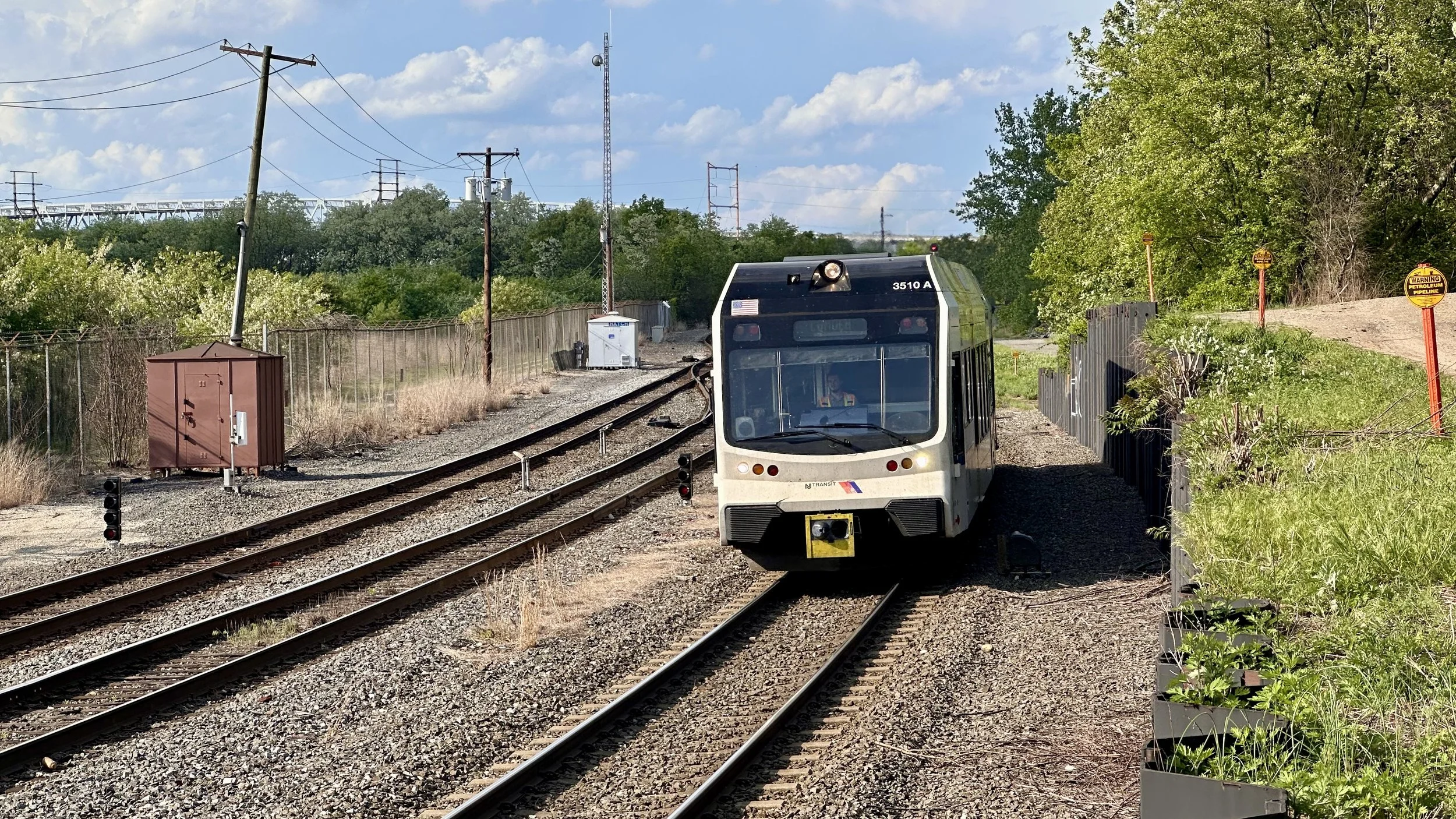
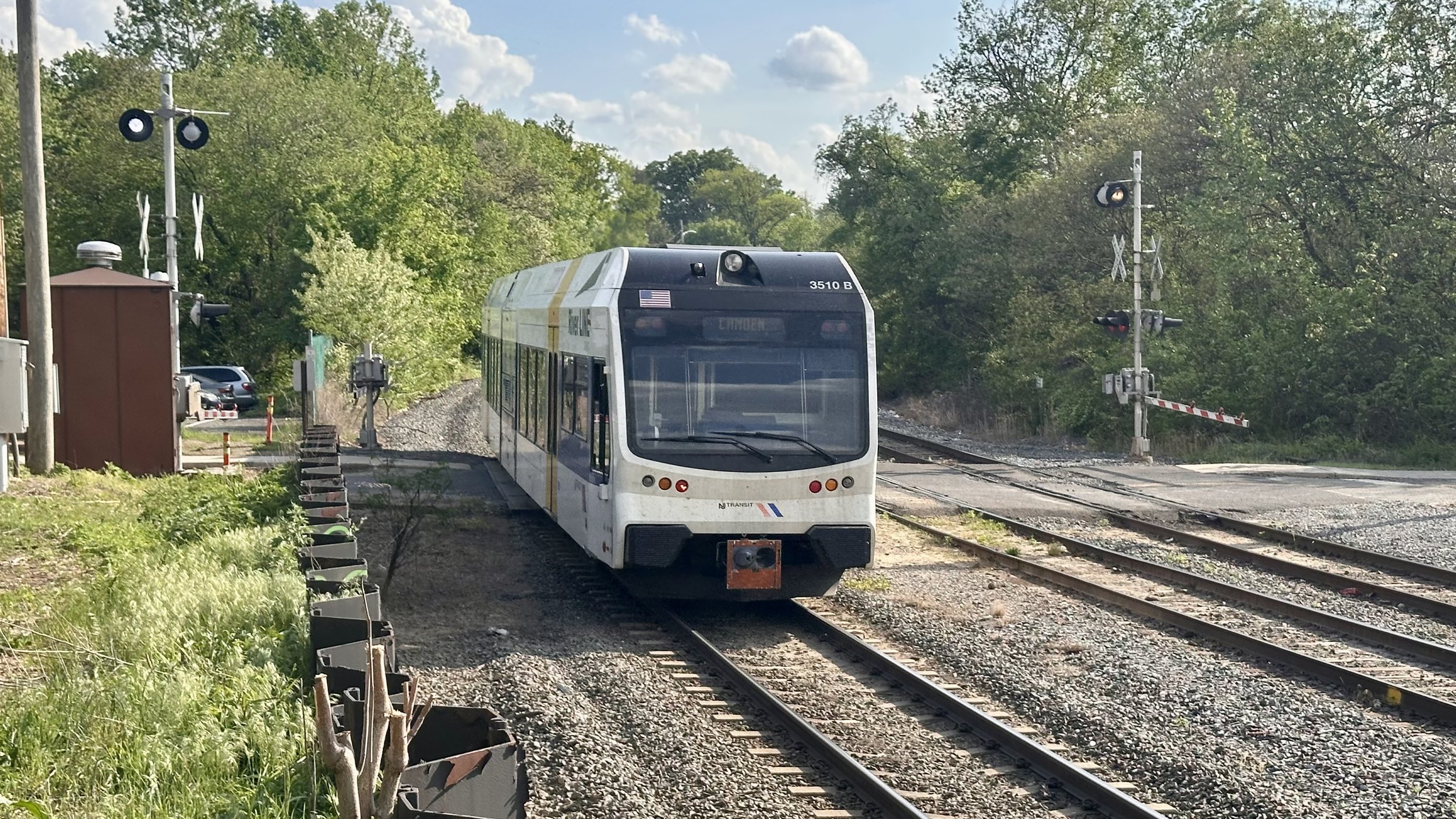
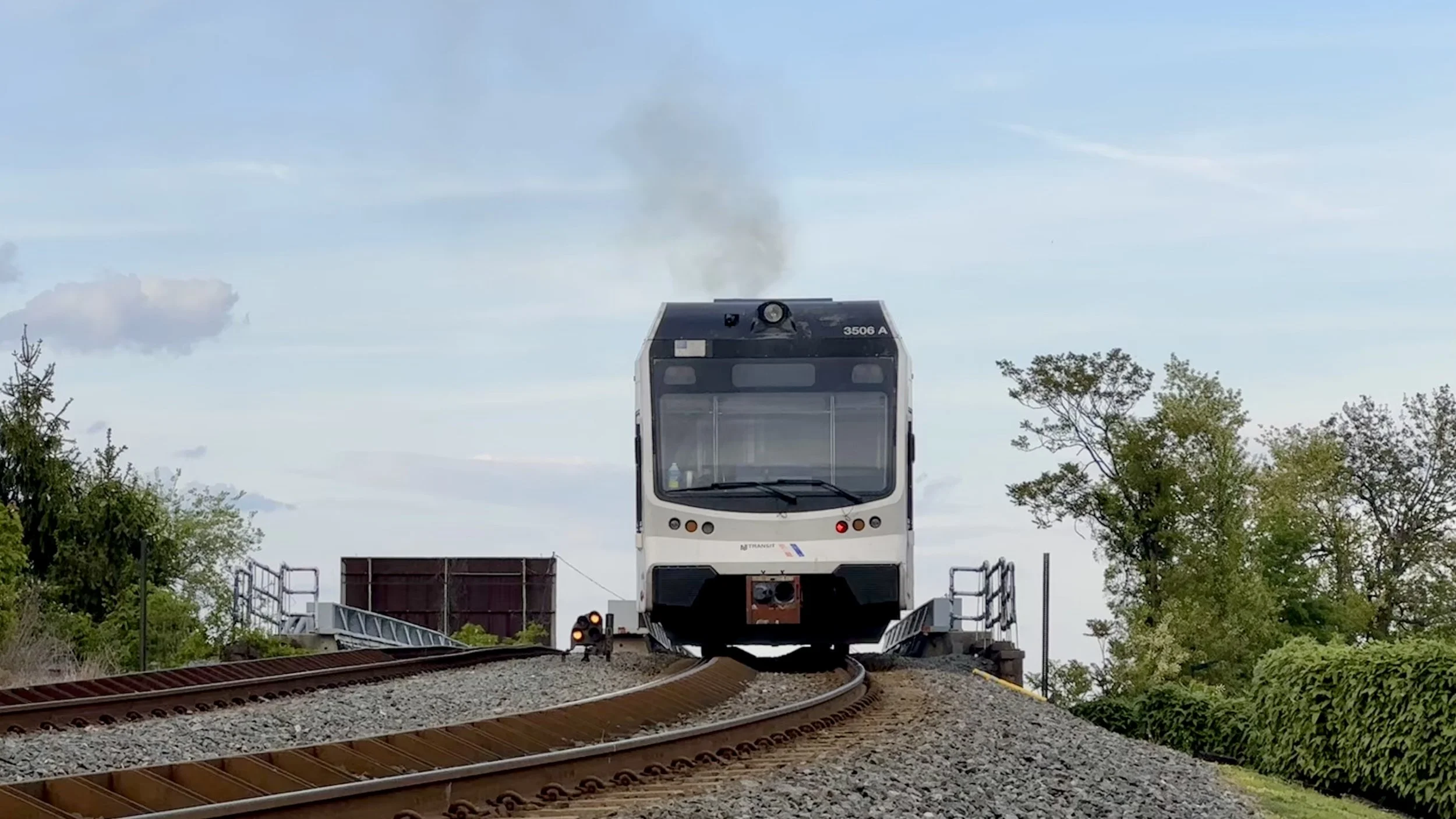
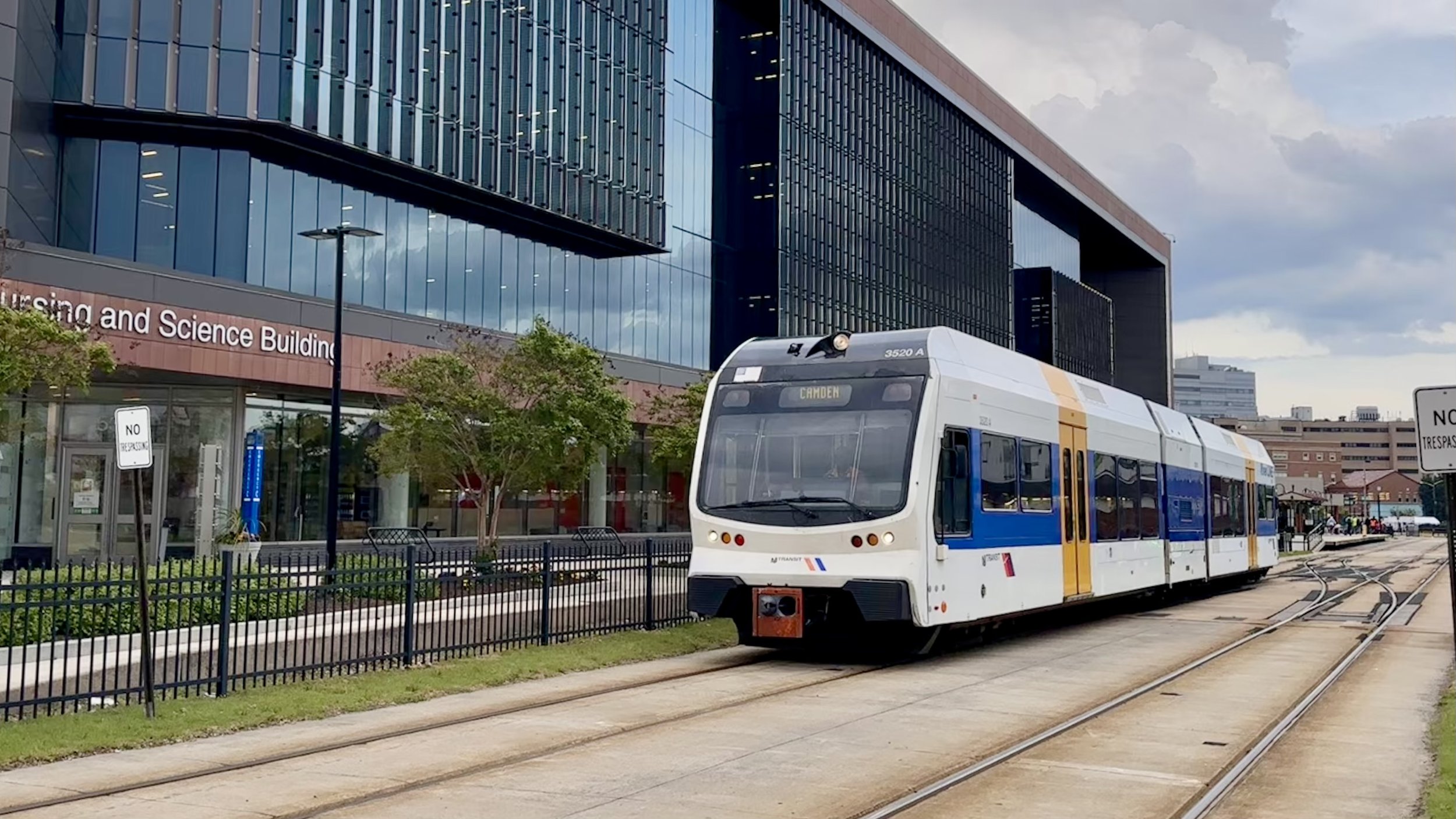
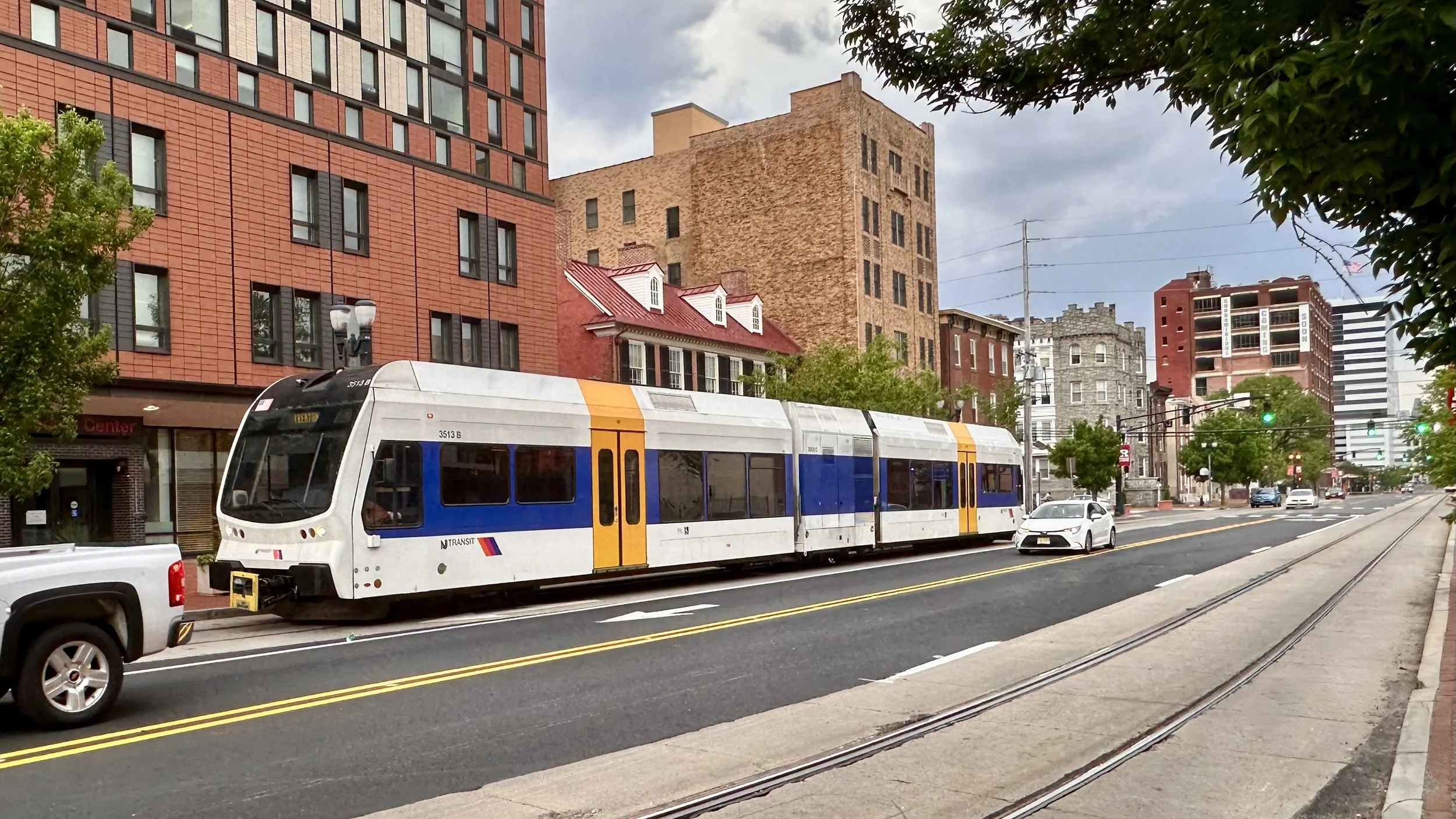
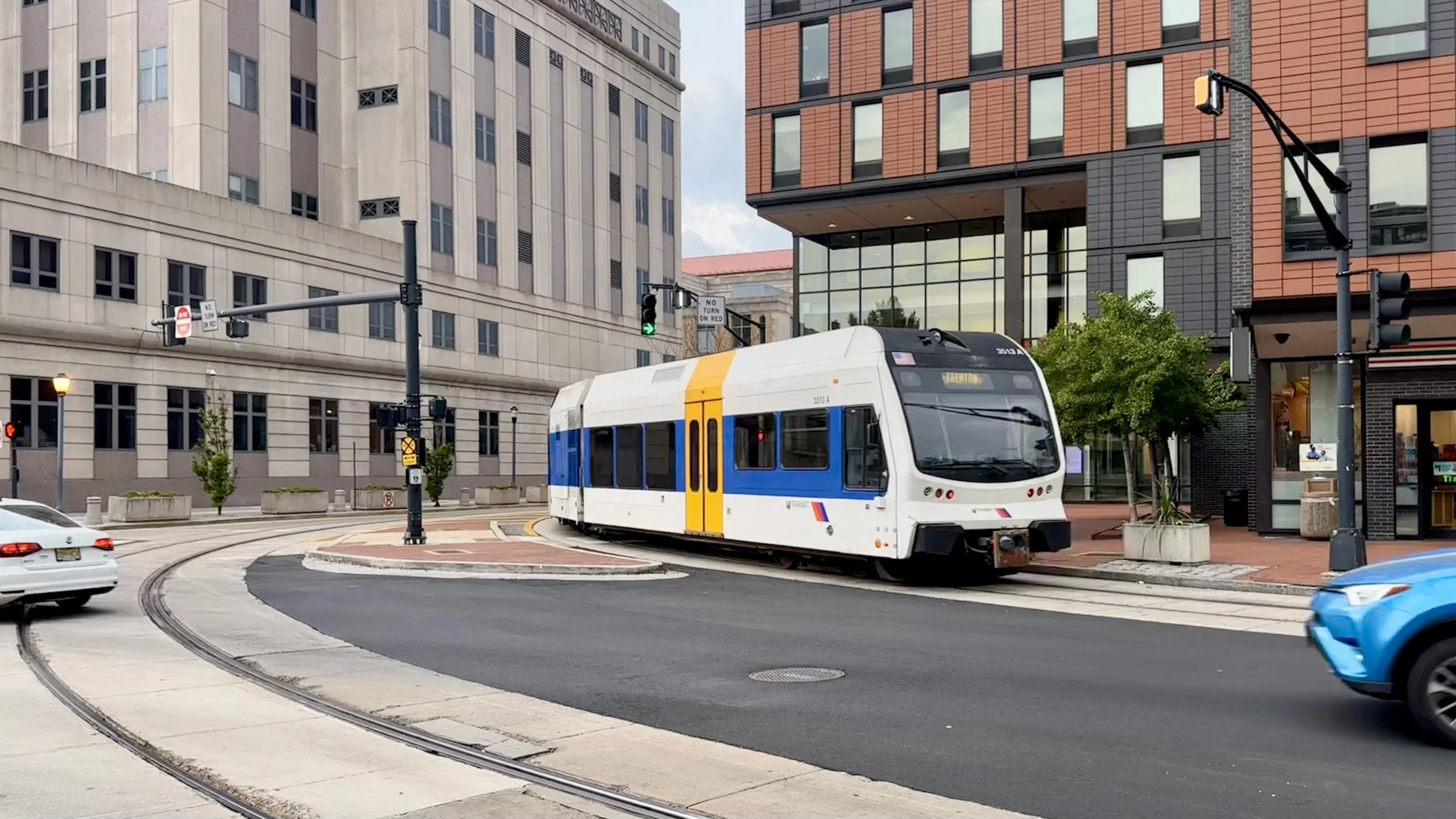
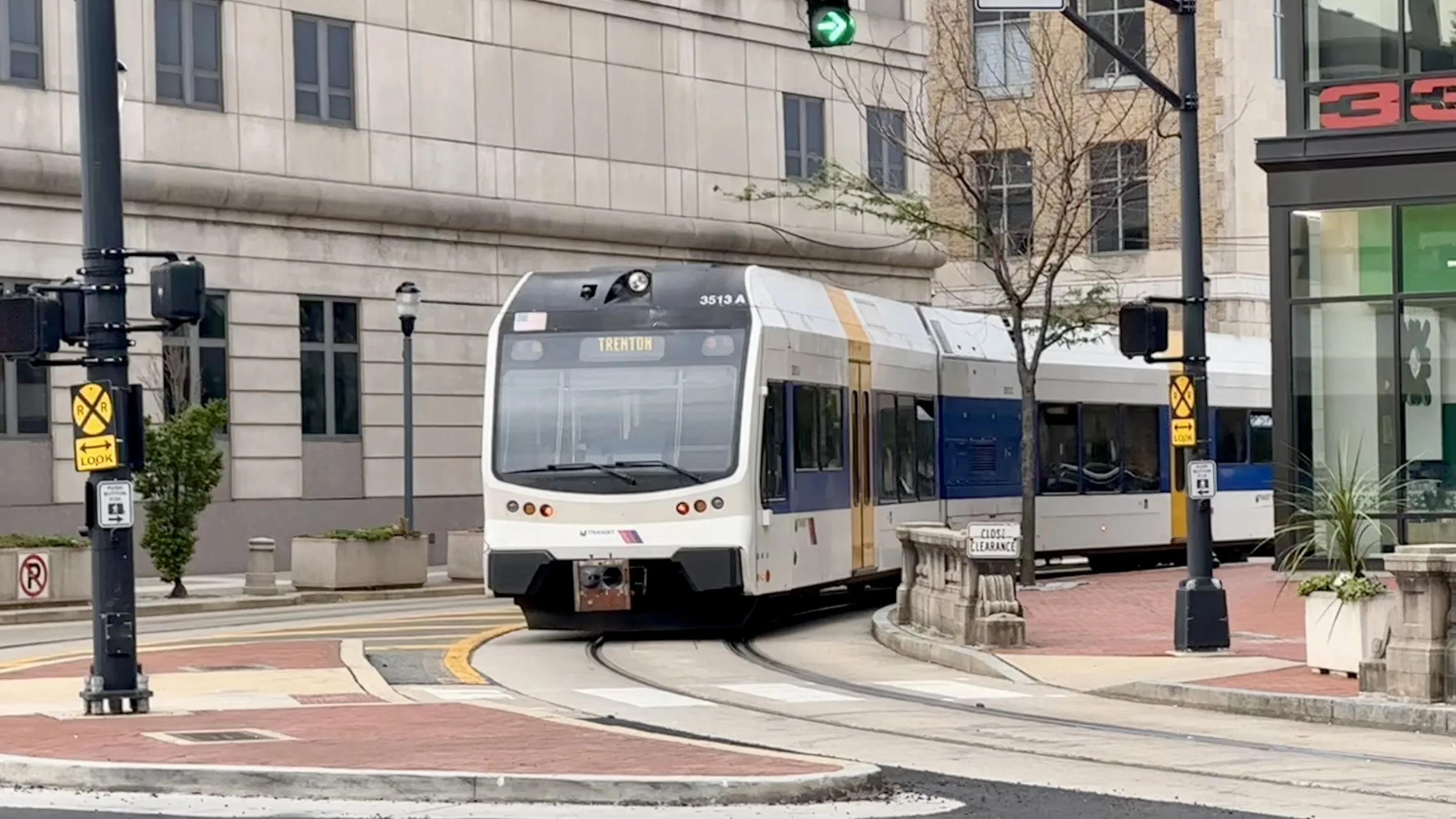
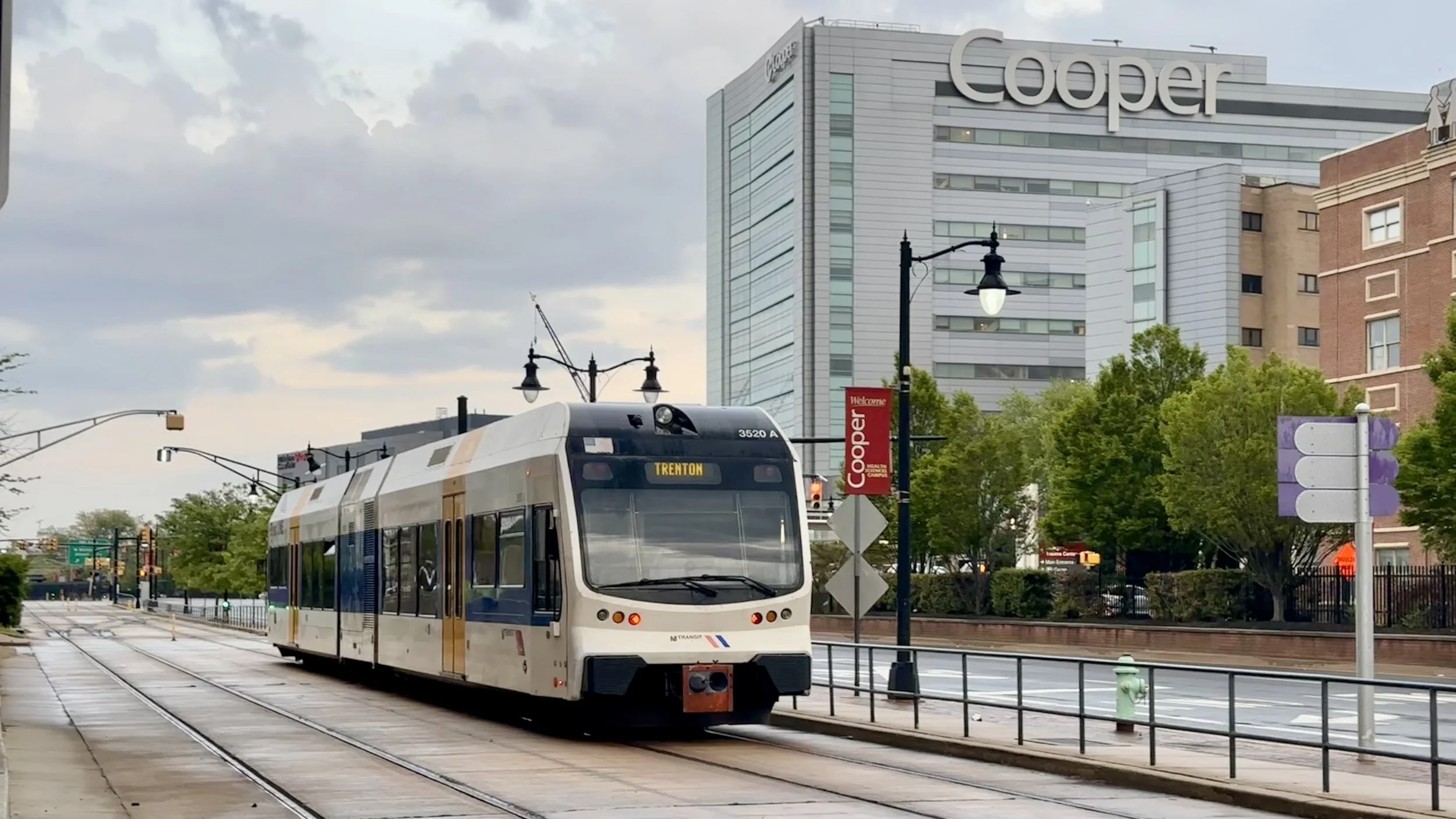
The first DMU in the US opened in 2004 and uses modified Stadler GTW 2/6s departing half-hourly along a route between Trenton NJ, the State Capitol, and Camden NJ, just across the Delaware River from Philadelphia PA. A second route, the Glassboro-Camden Line, is currently under construction southeastward from Camden to Rowan NJ. Almost a Euro-style small intercity rail, each DMU is packed with people traveling between historic colonial communities, with rail connections to NYC, Atlantic City, and three separate routes to Philly.
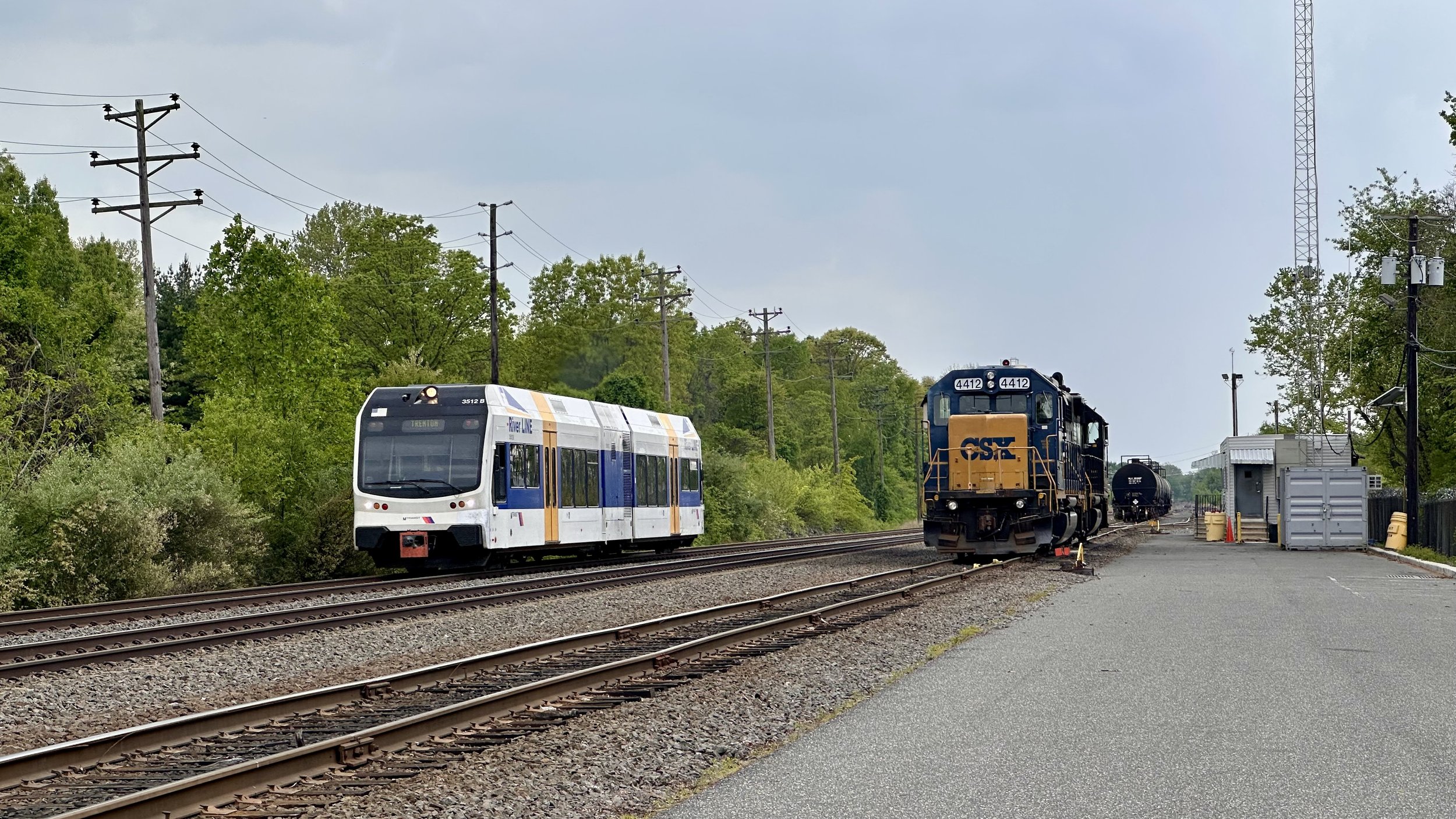
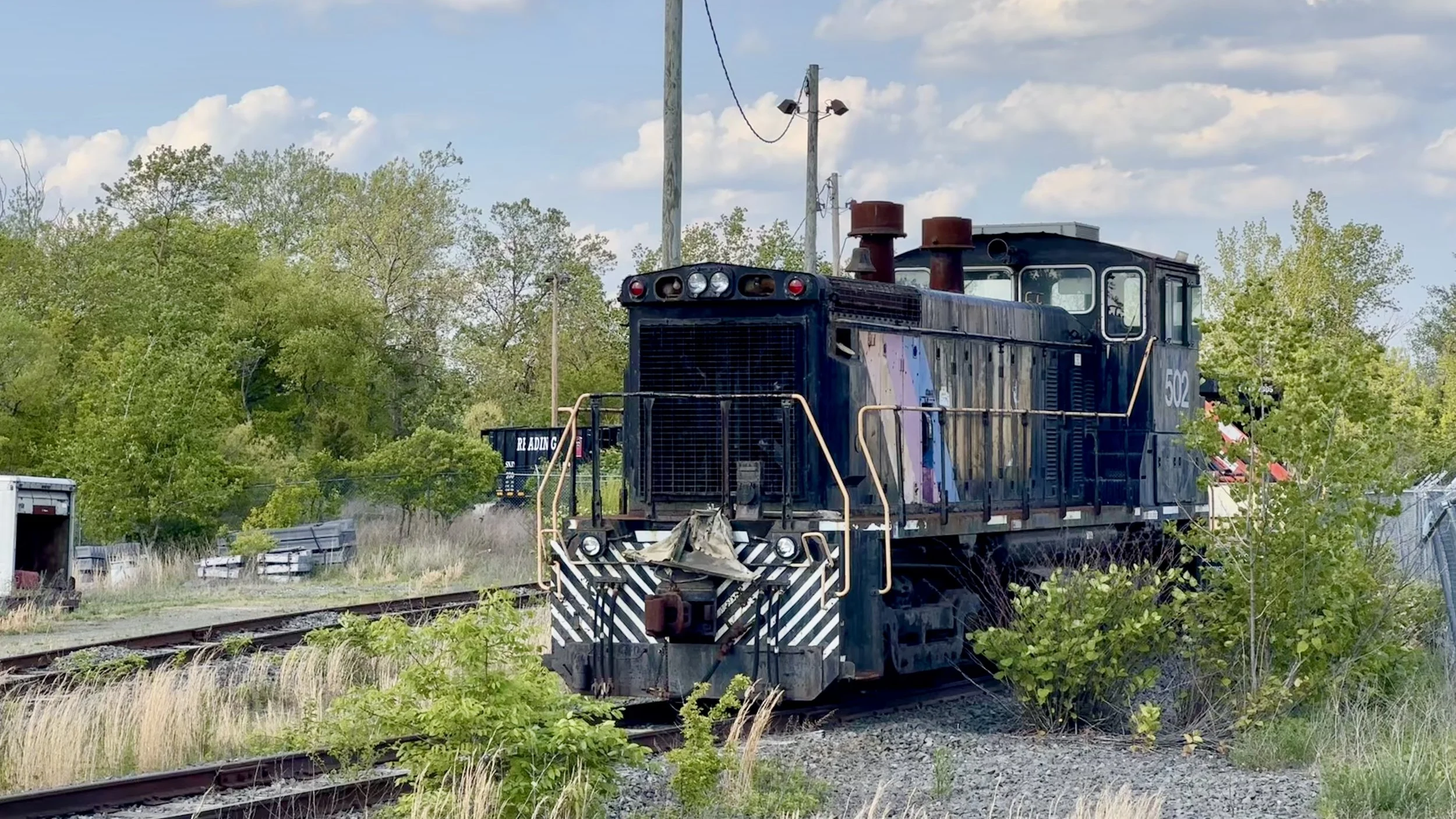
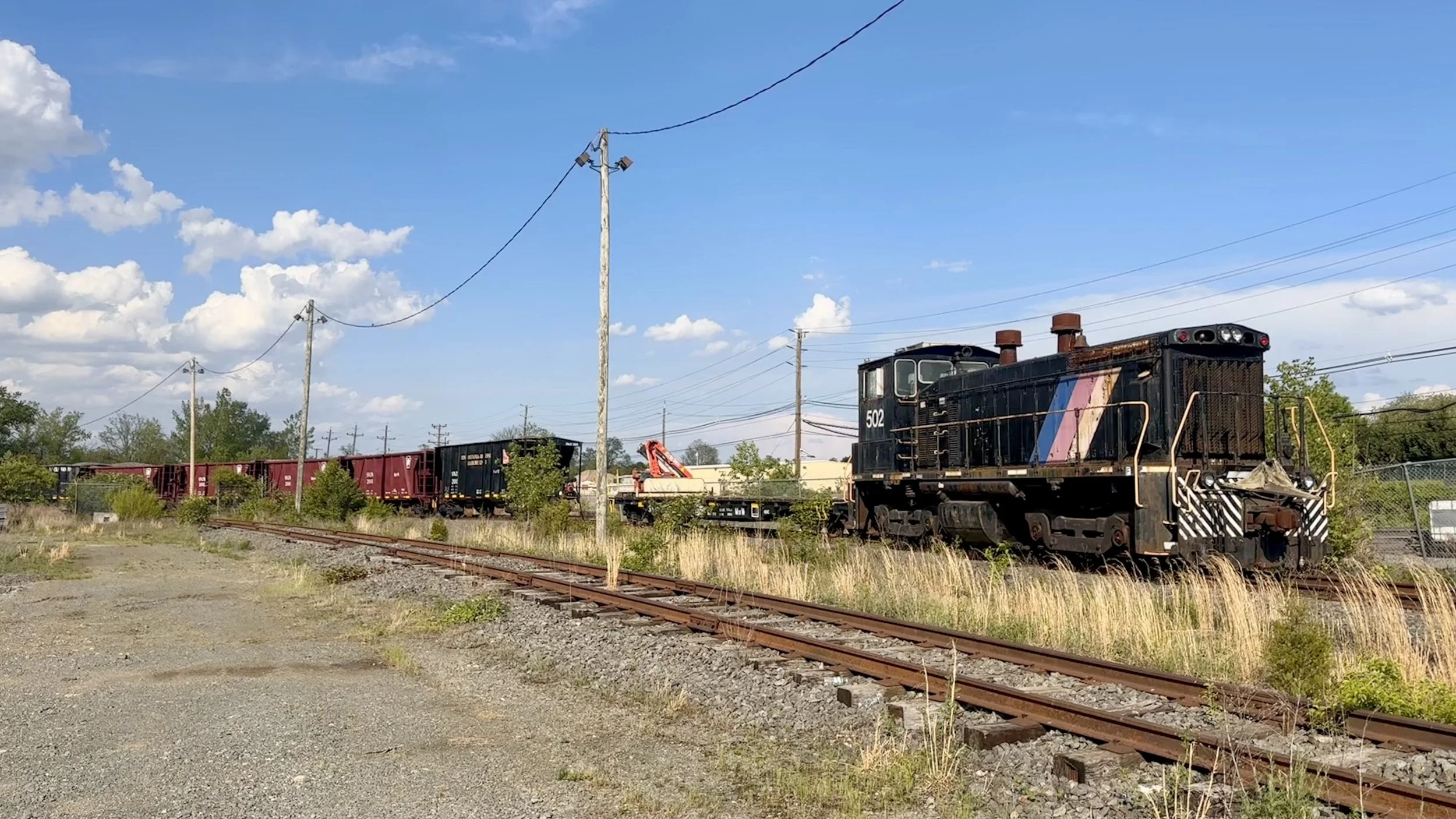
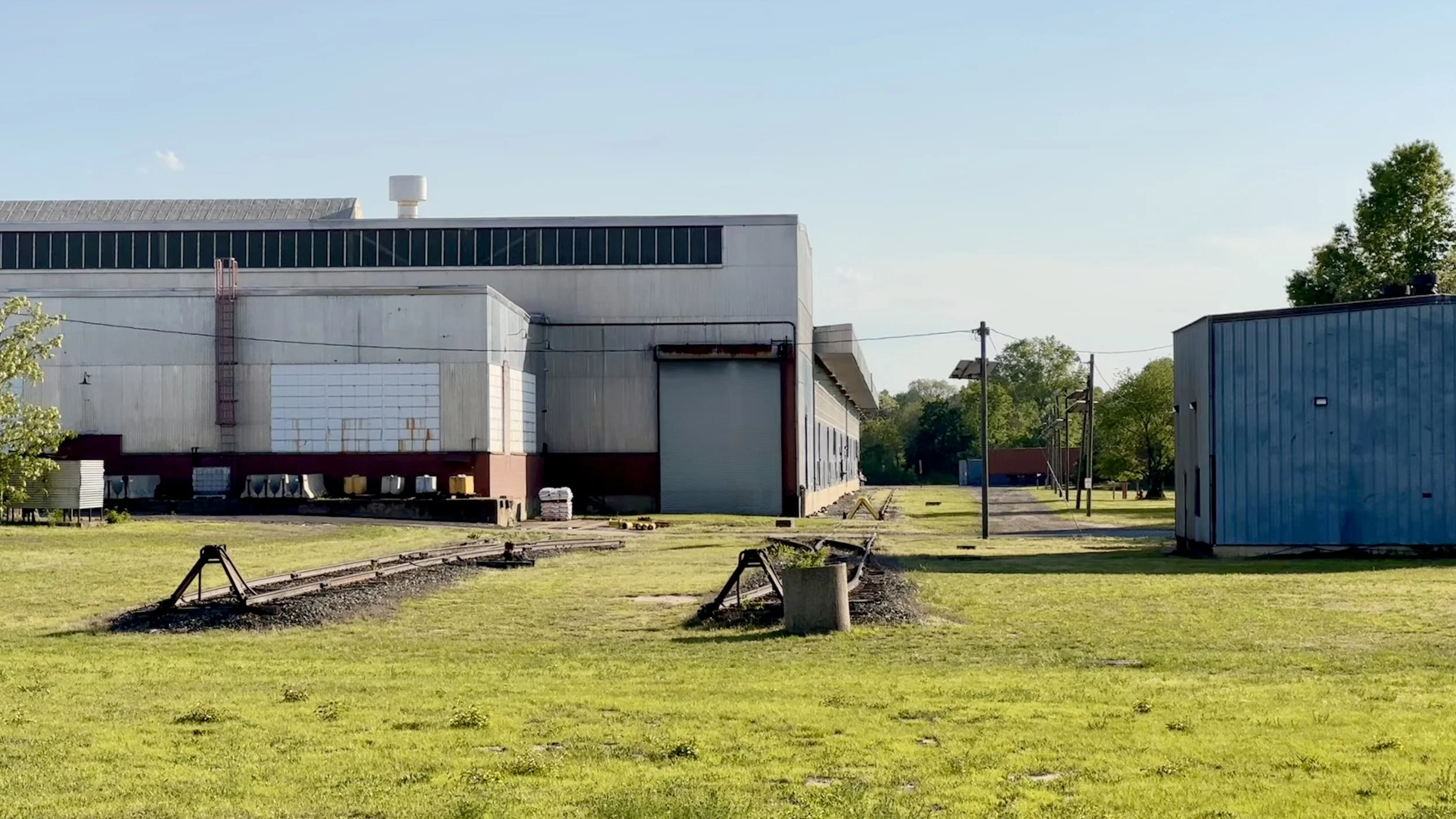
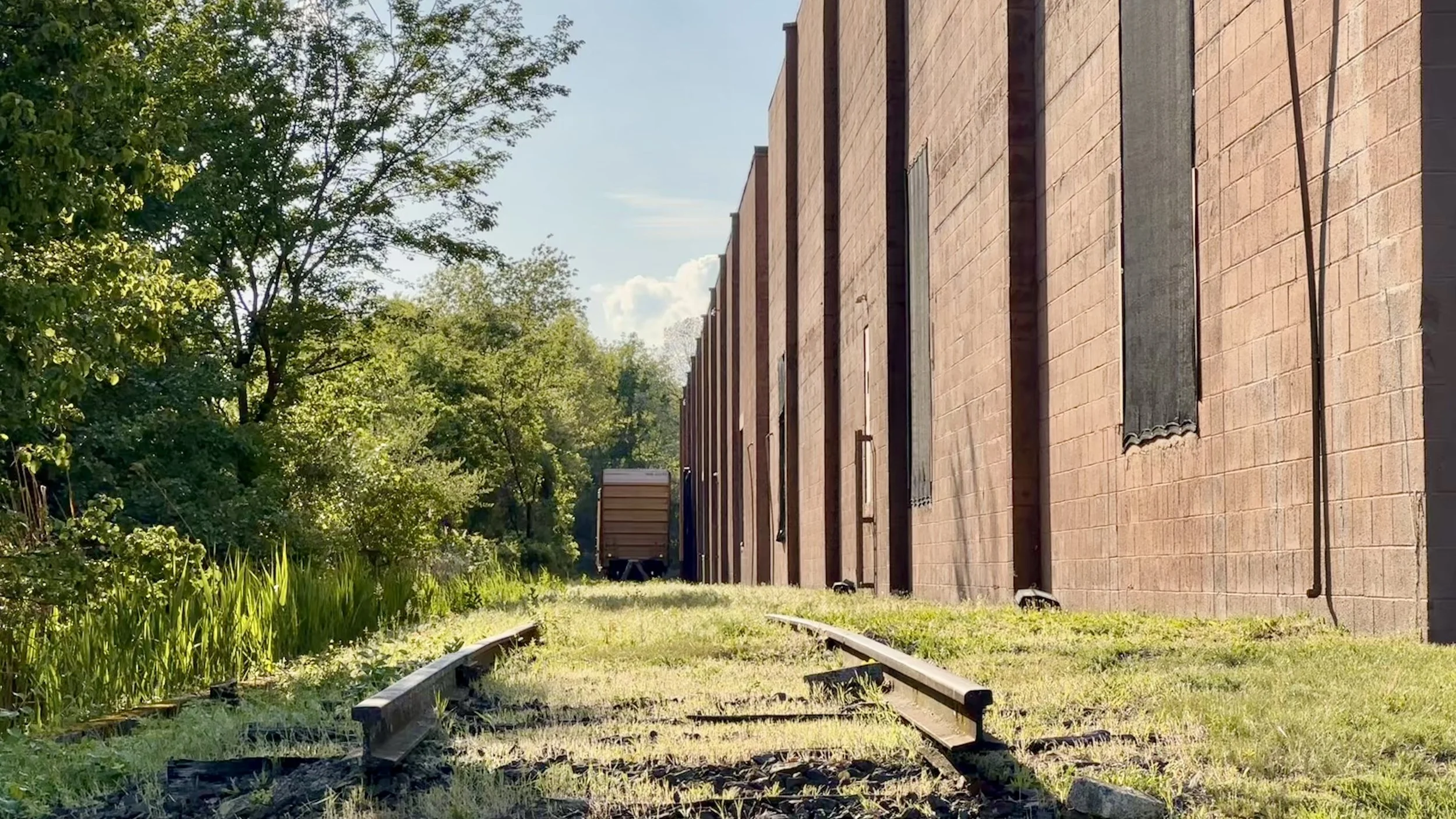
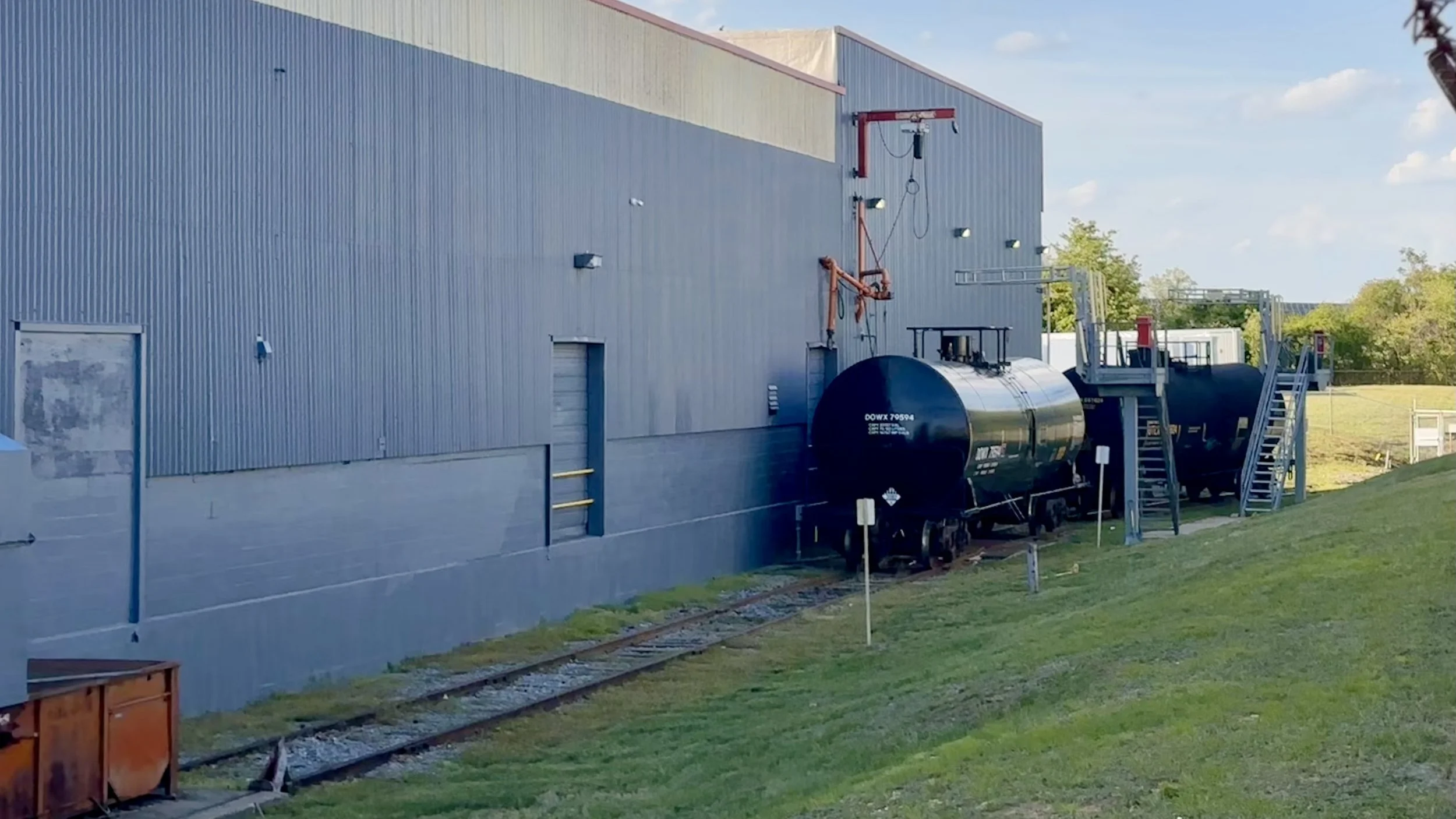
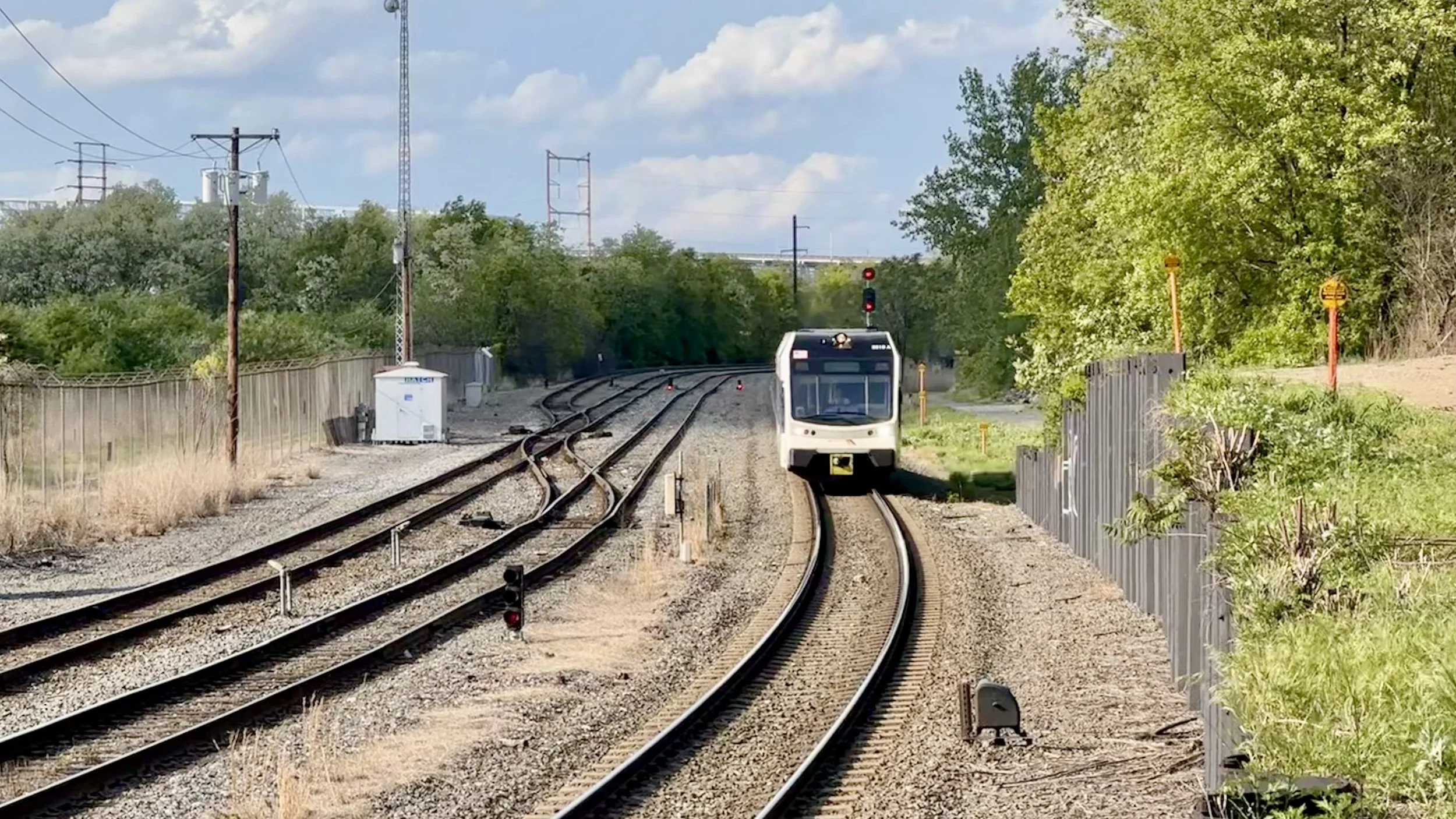
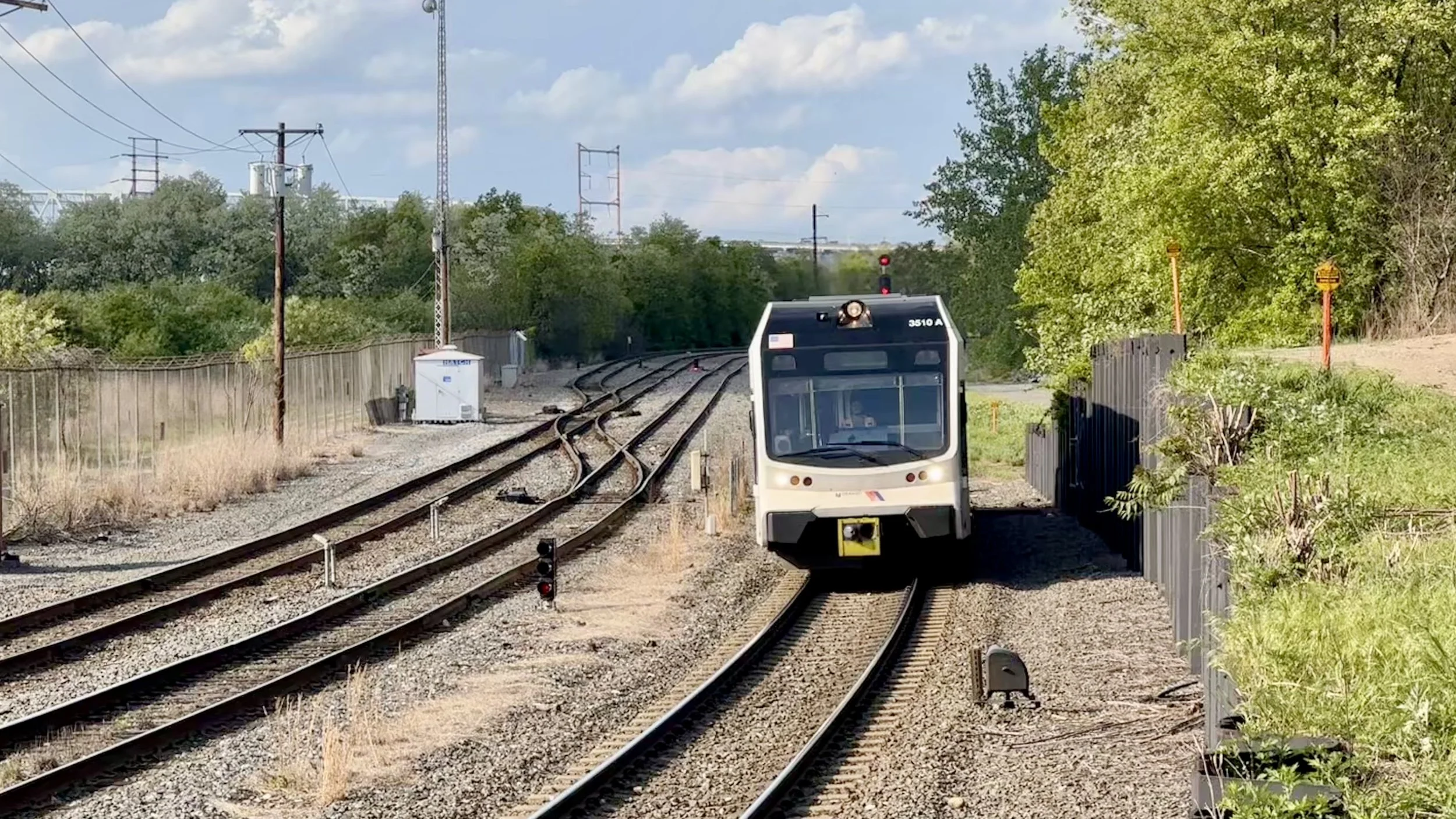
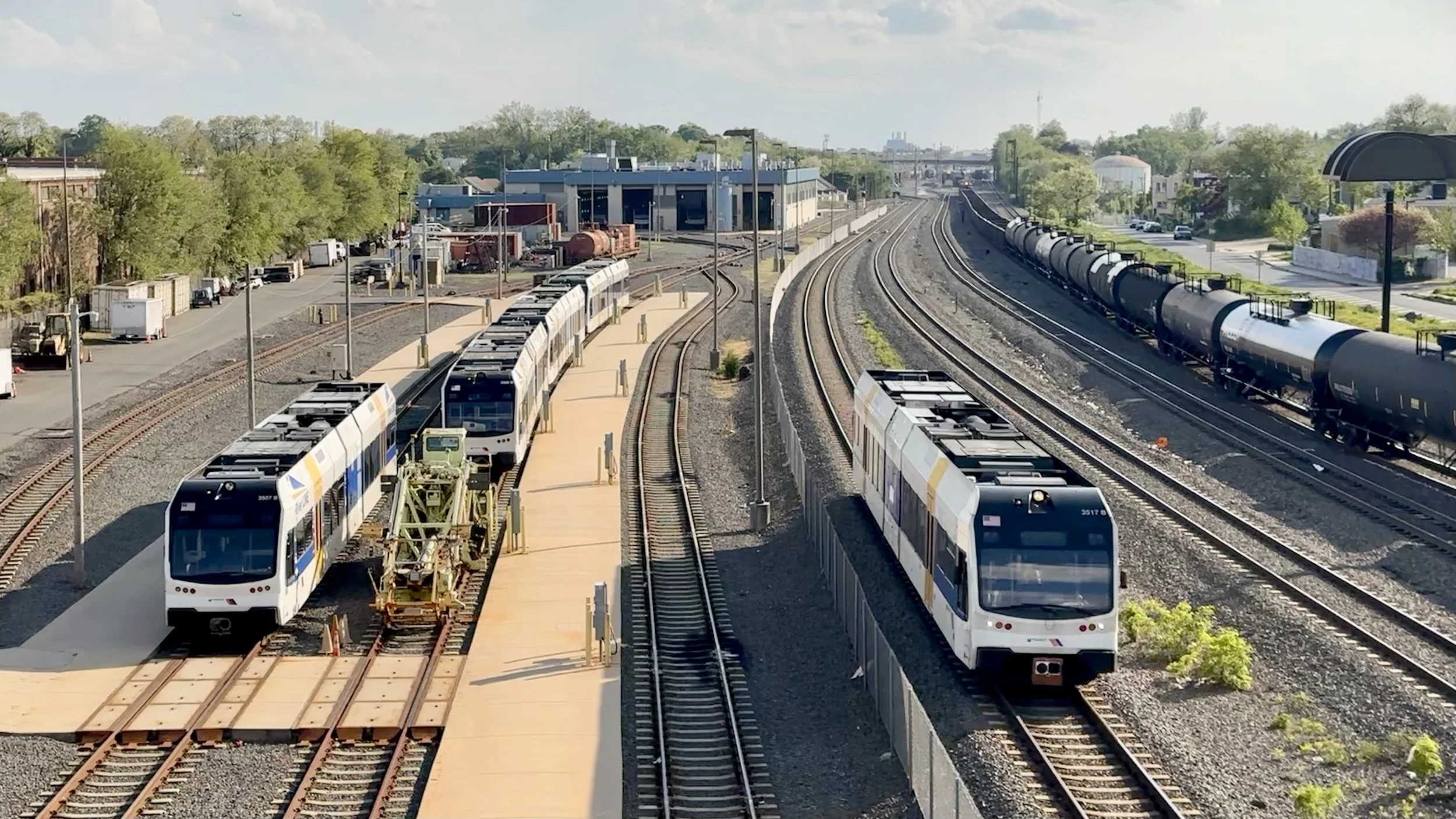
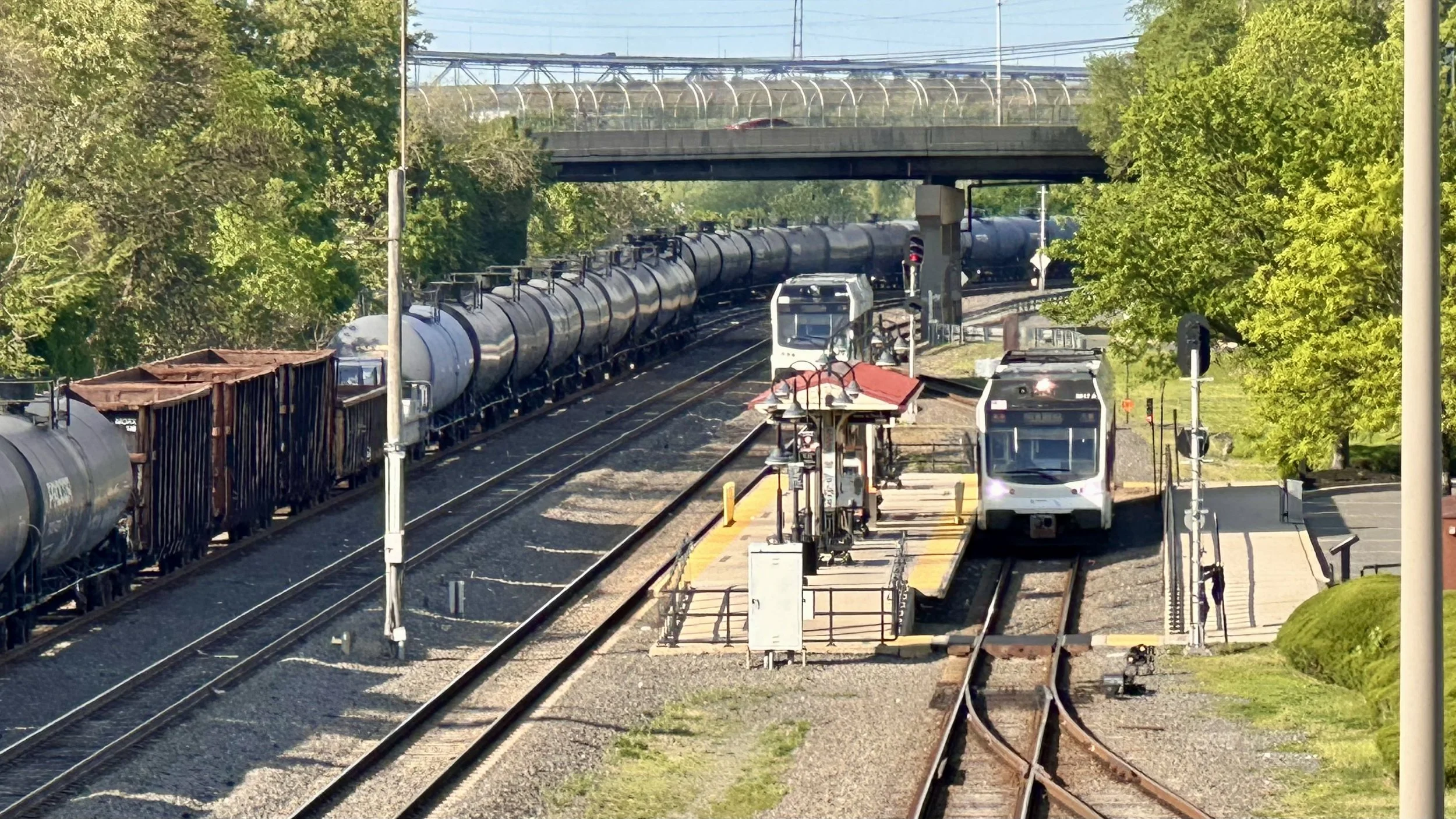
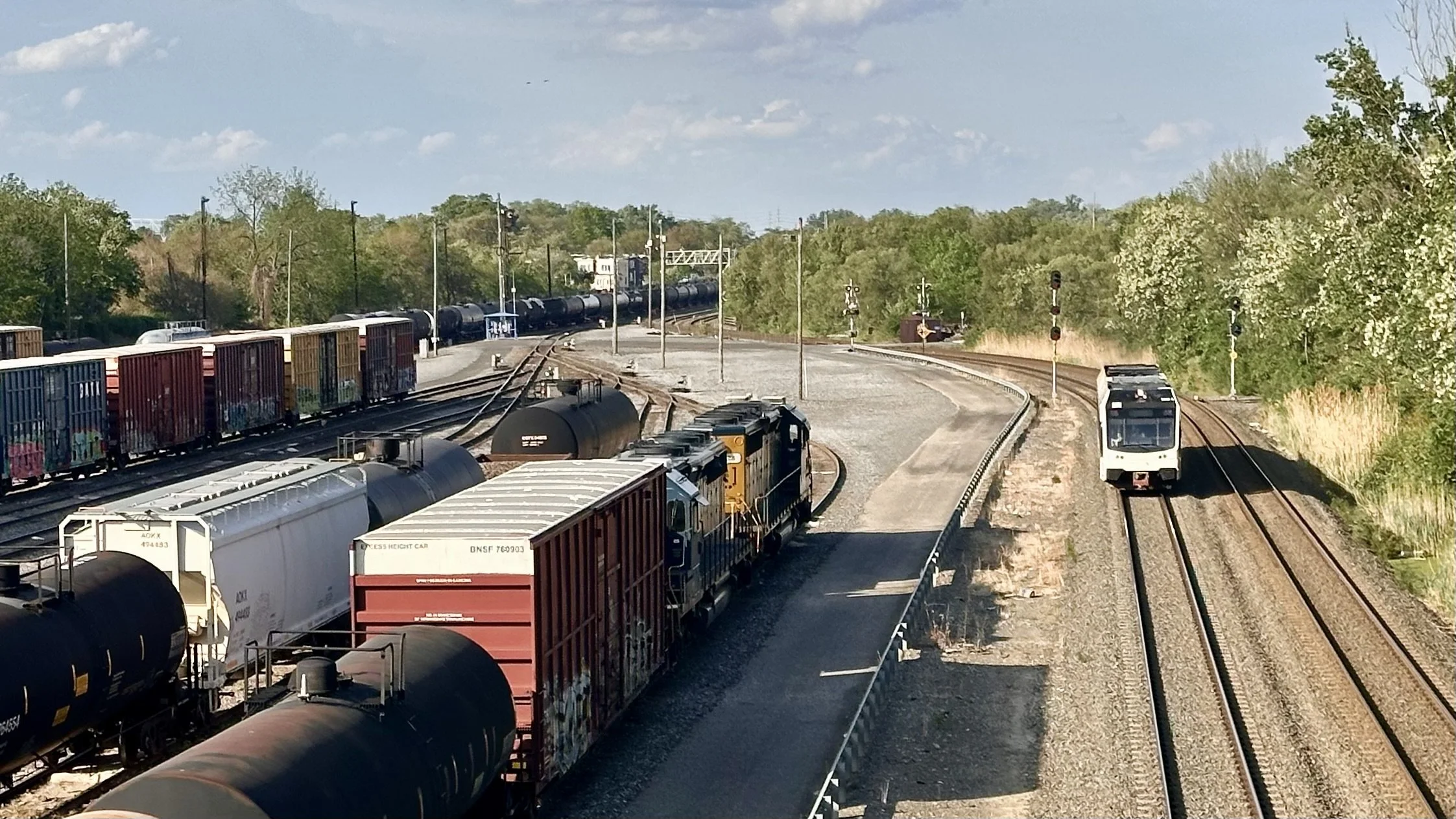
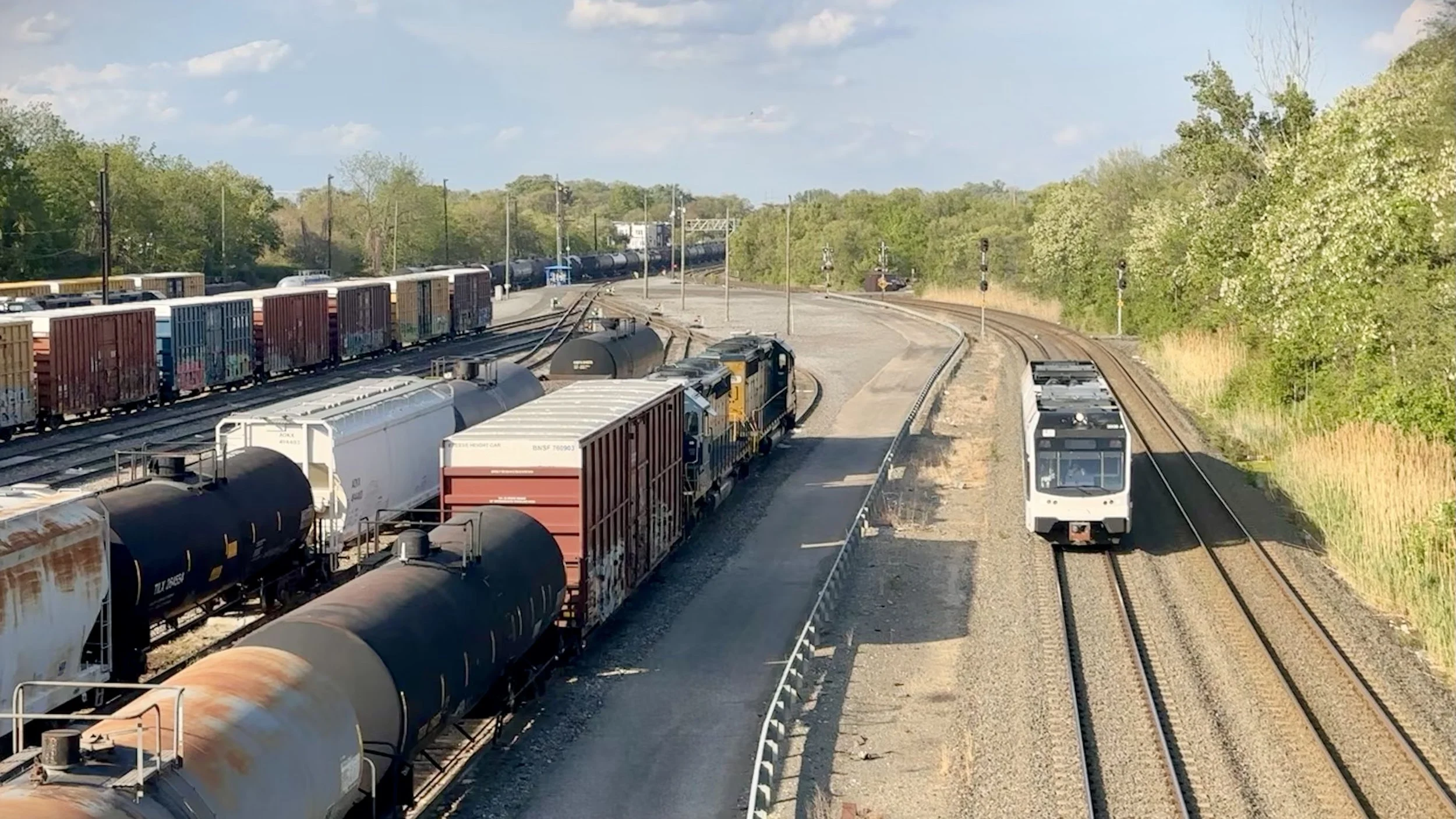
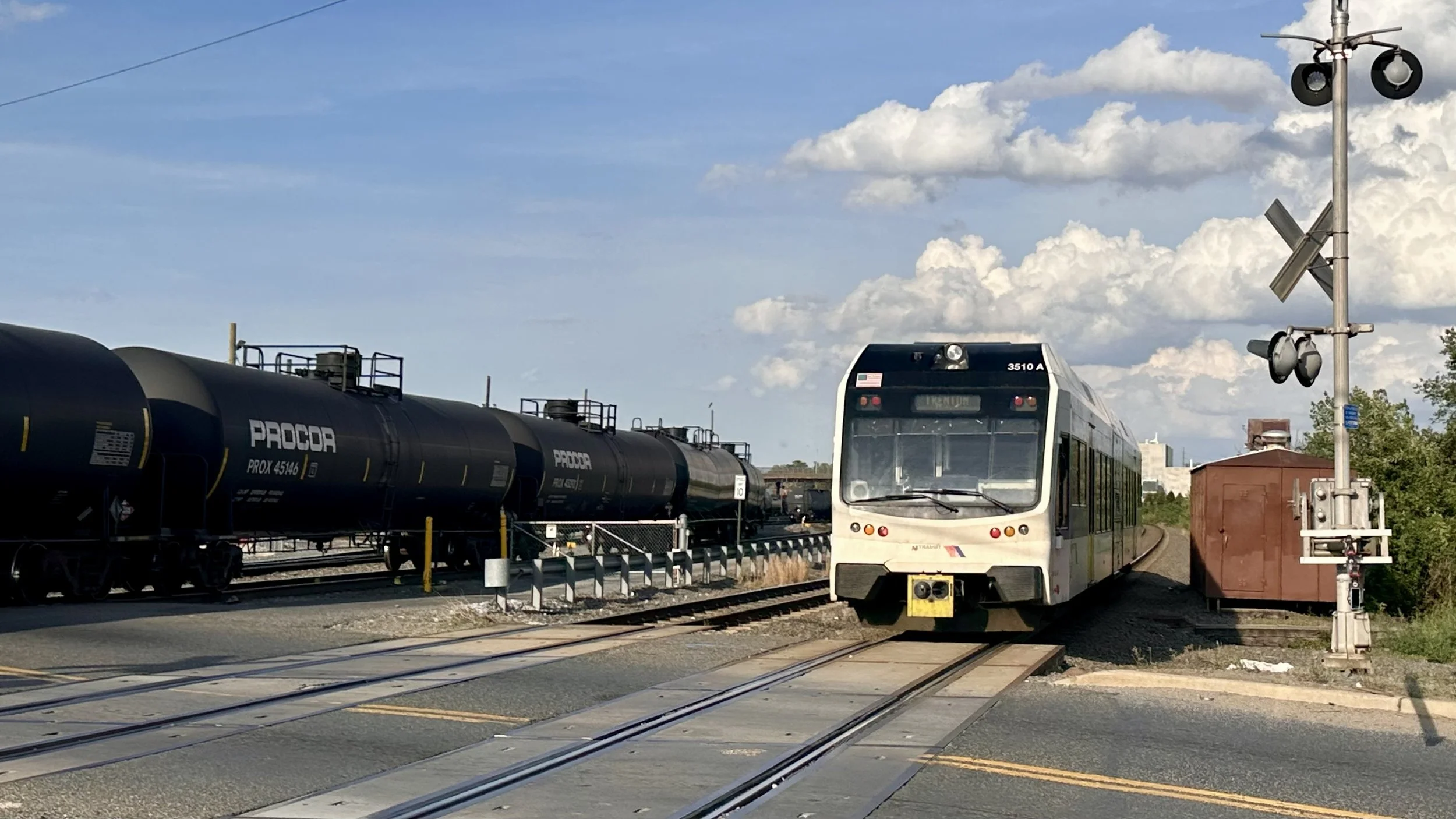
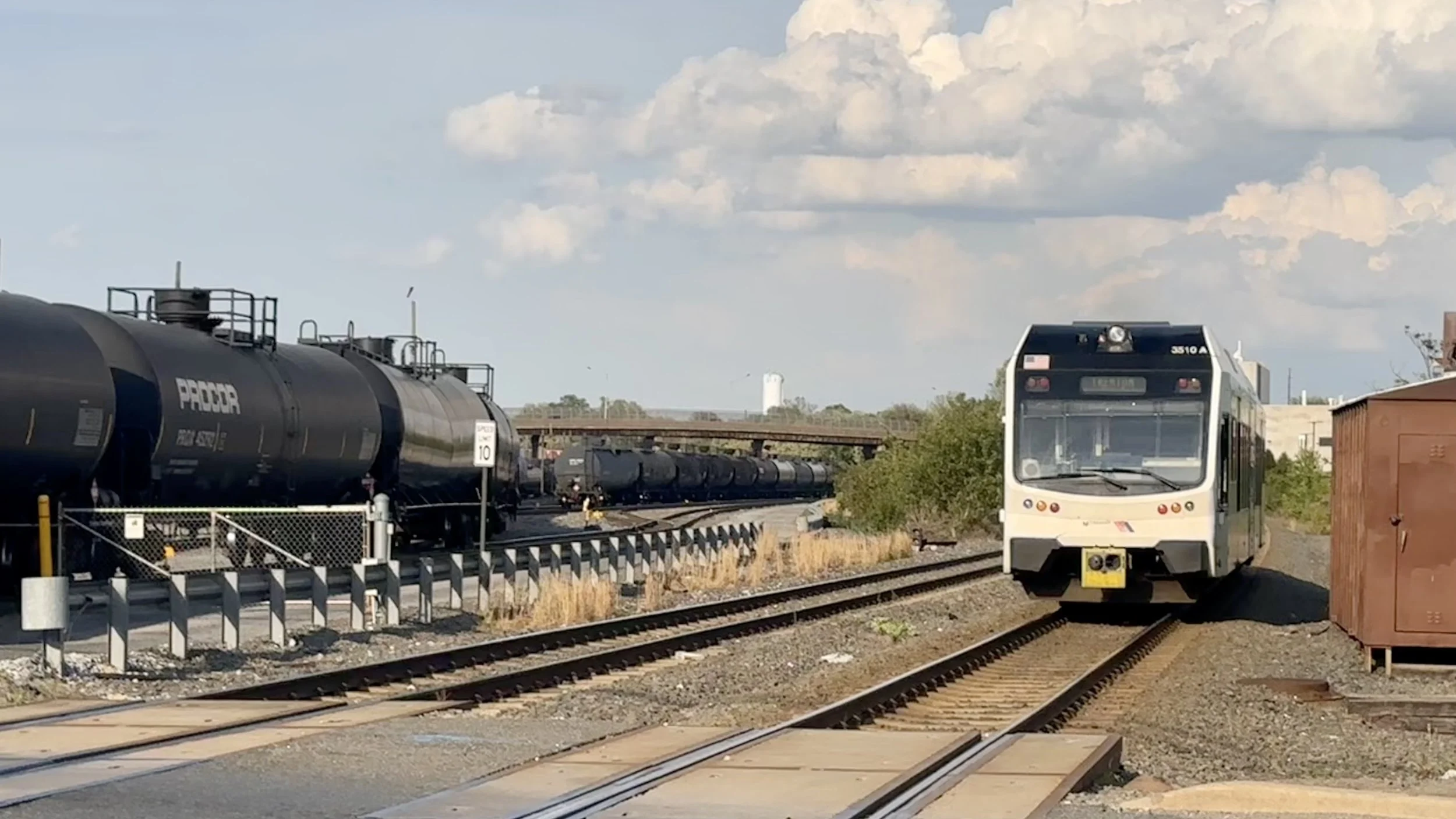
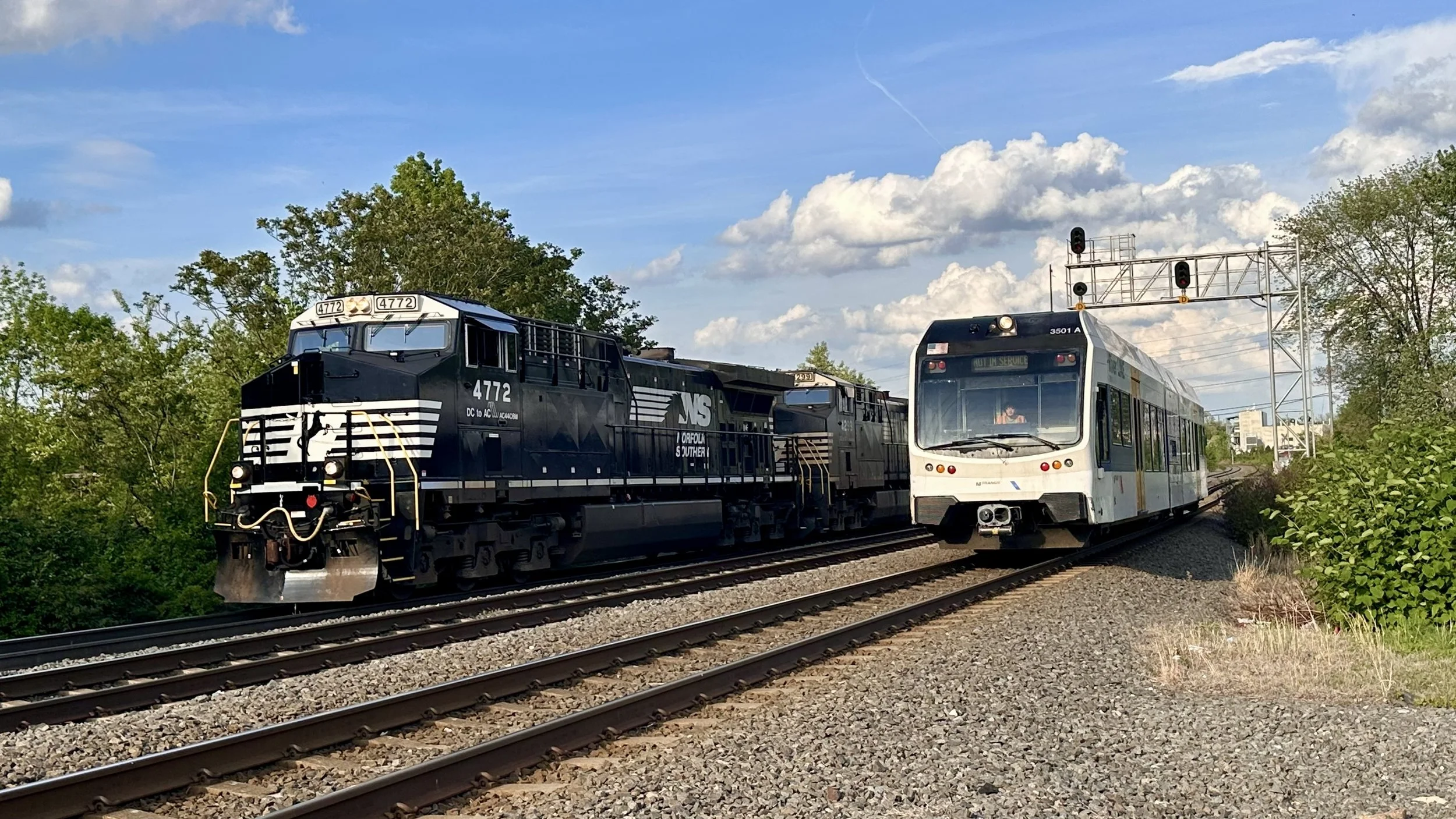
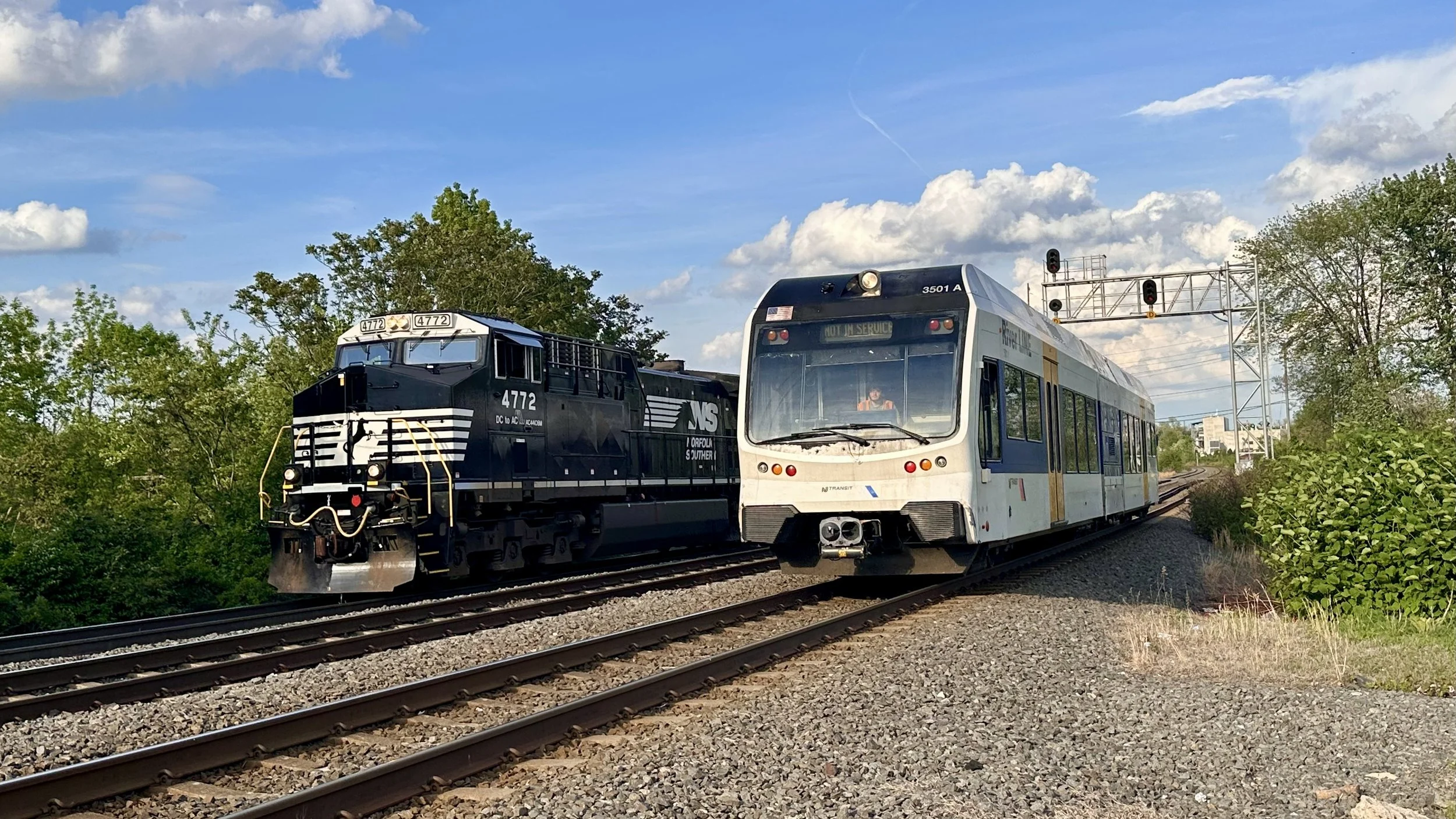
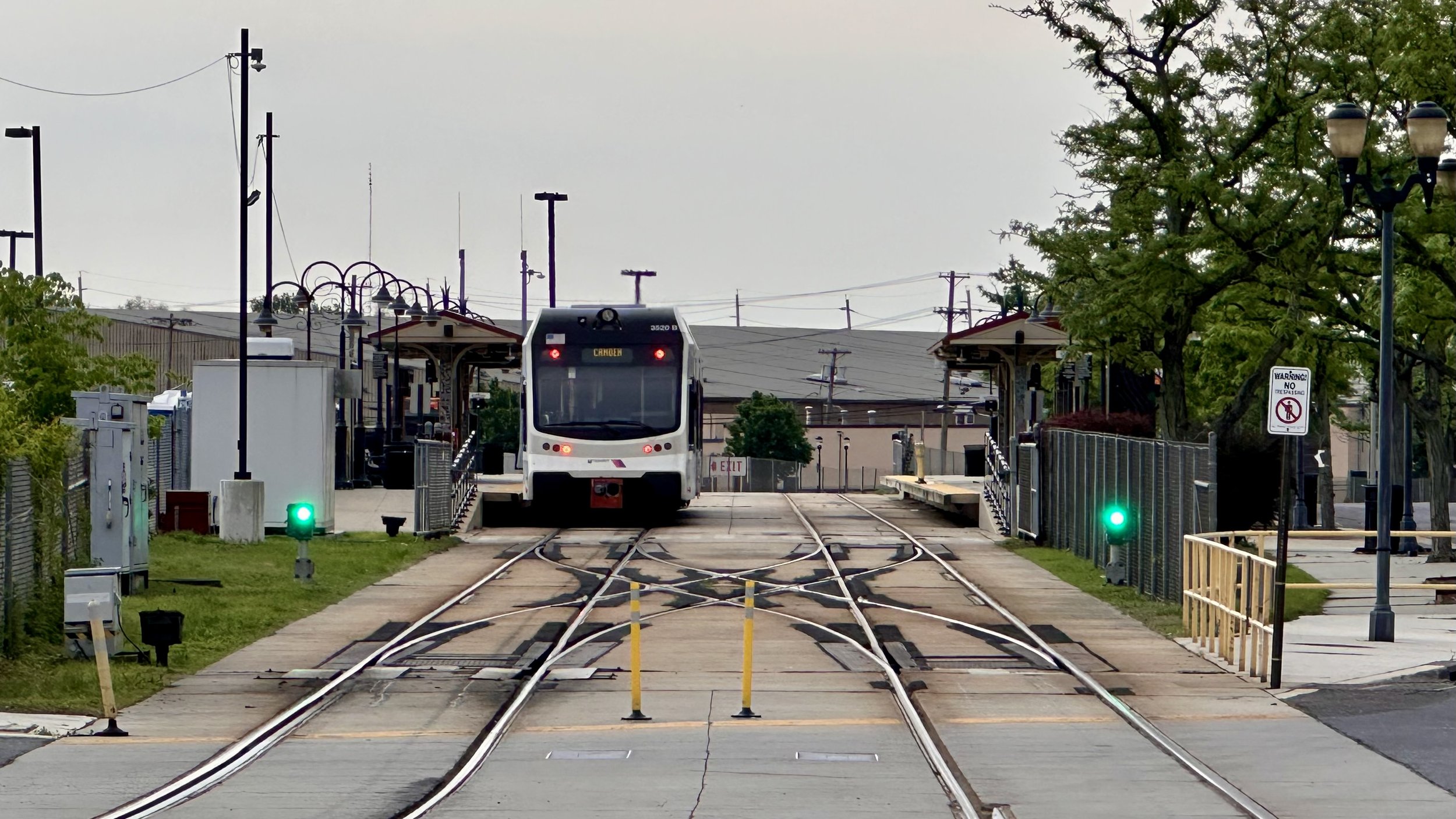
The DMU’s southern third parallels major freight rail lines near Pavonia Yard, then travels next to multiple rail-served industries and switching areas in its middle third, and has an otherwise quiet upper third near Trenton but for the isolated Burlington Yard for freight near Florence. Sometimes, the DMU takes ownership of the single-track mainline, forcing the yard’s switch job to lock itself up in Florence during passenger train hours to switch the industries within yard limits, but its southern third has a track or two to itself paralleling one or more freight mainlines, such as for neither to impede each other’s movement.
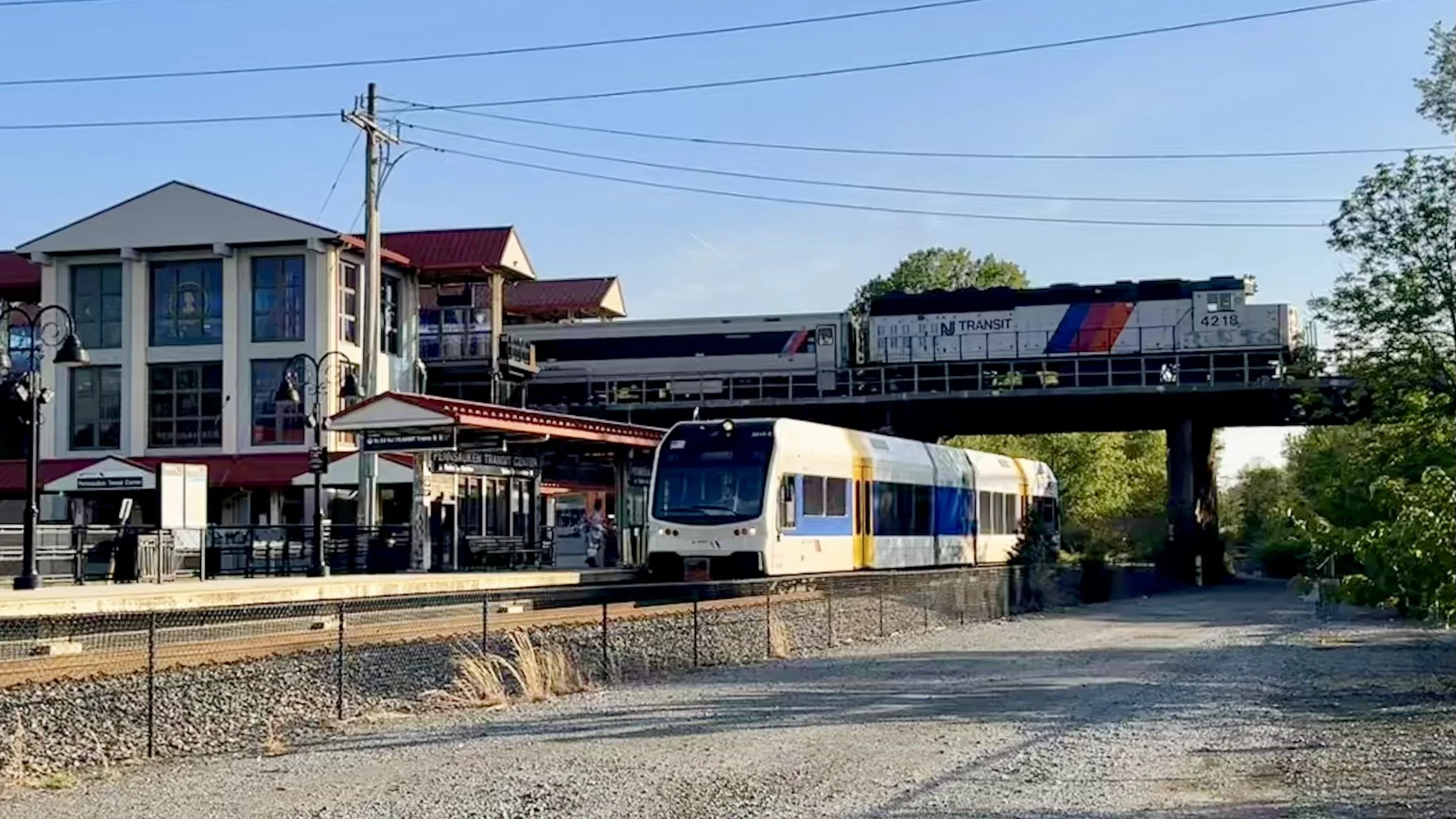
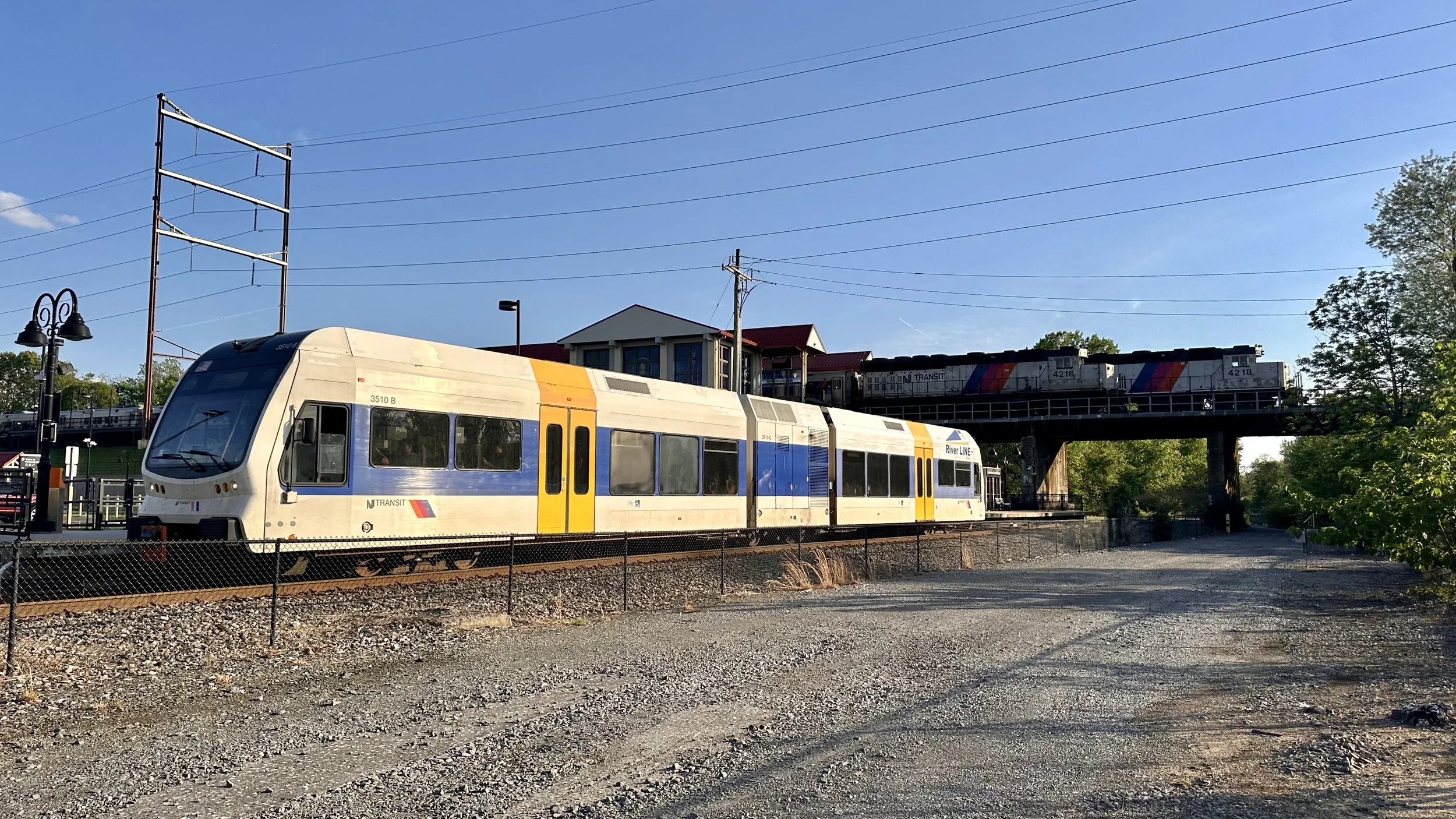
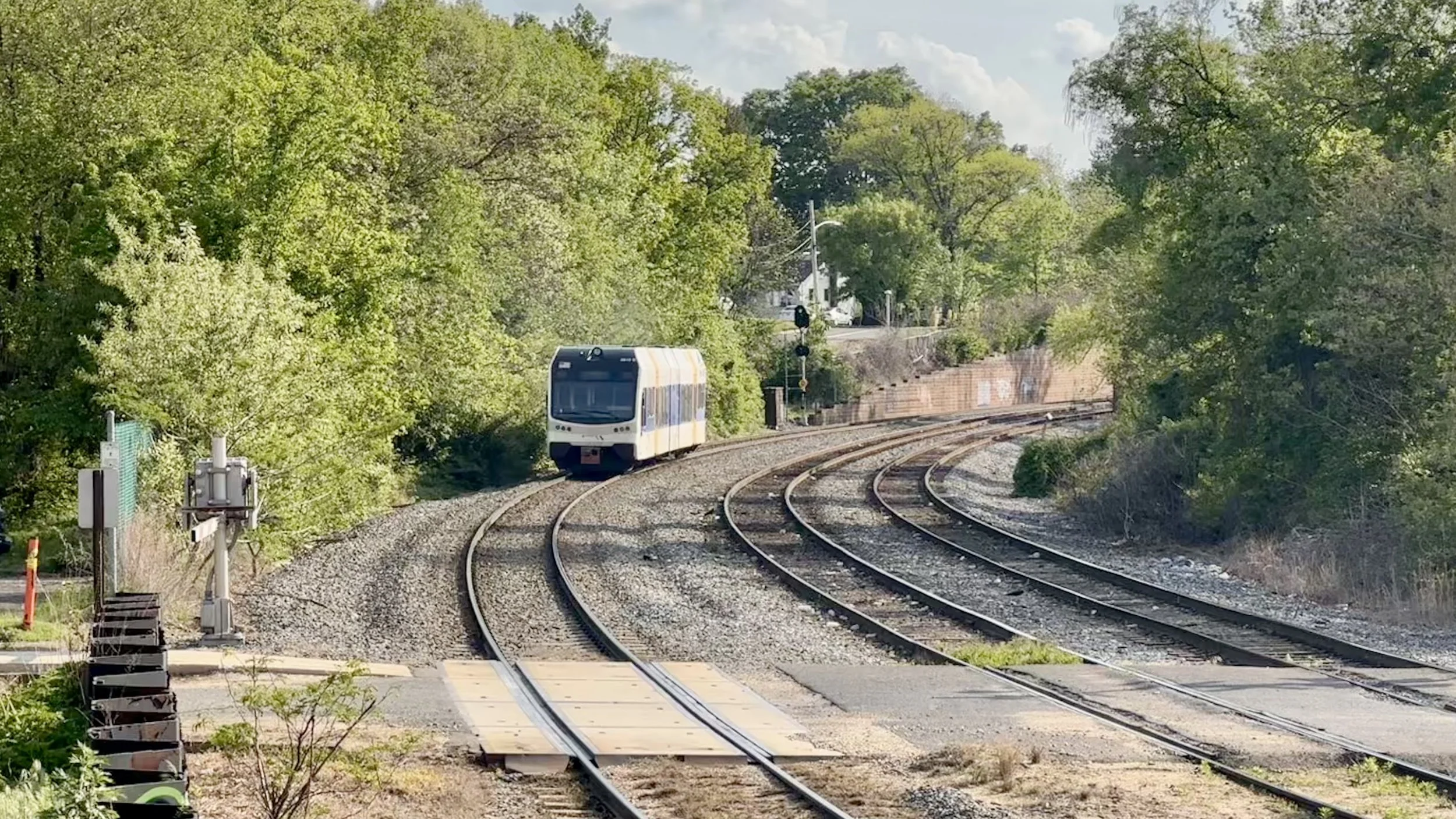
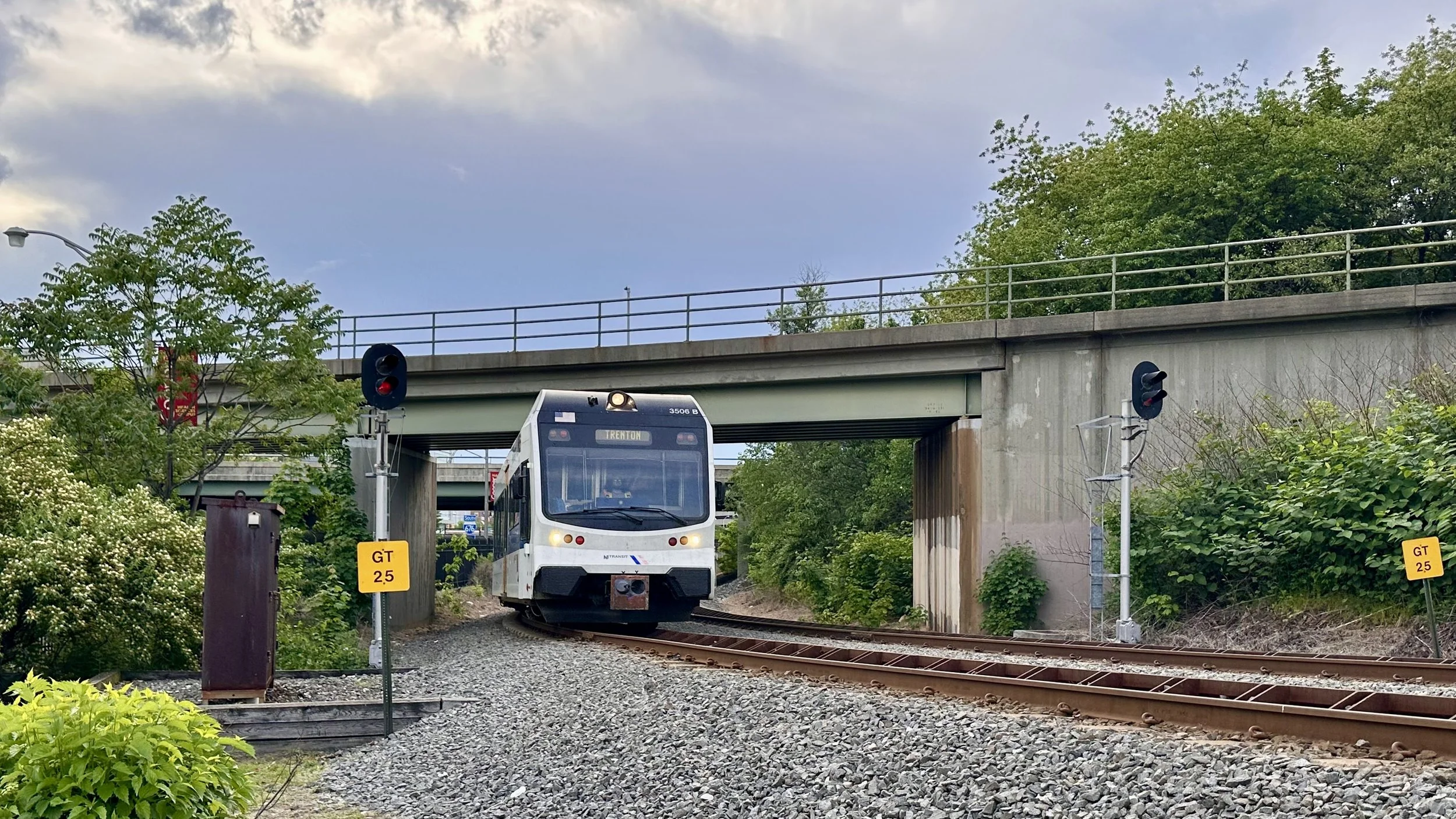
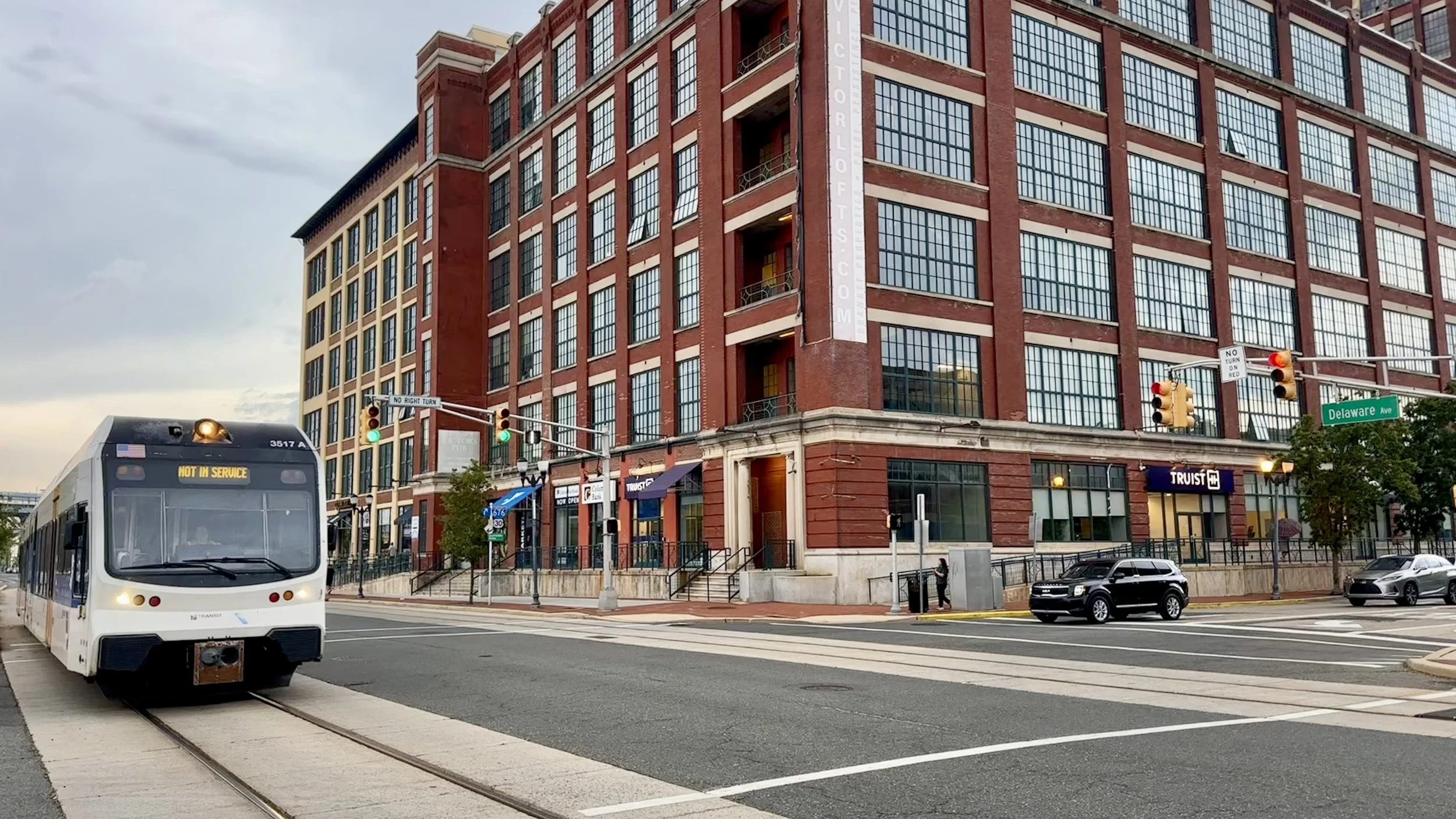
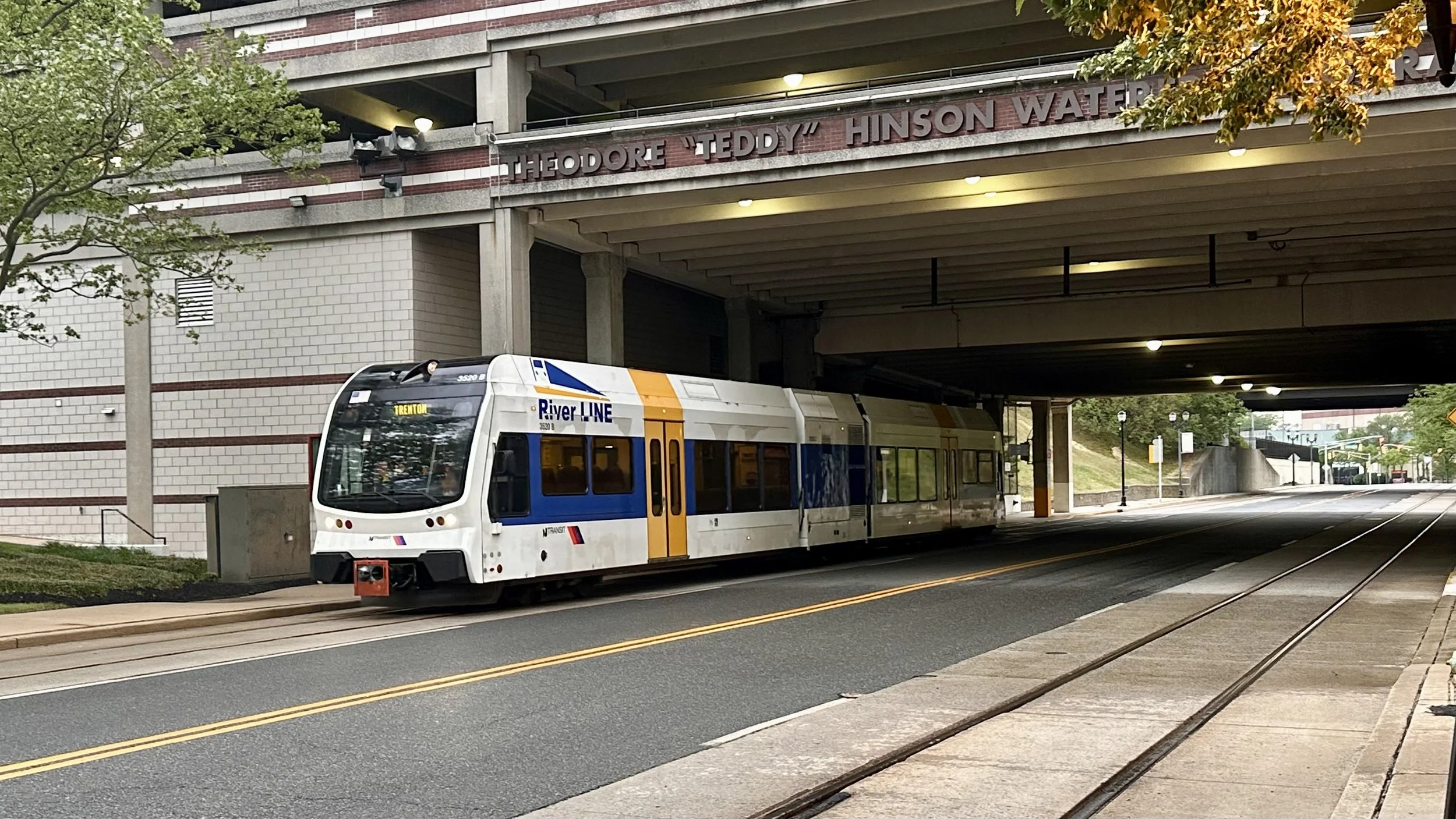
At its extreme northern and southern edges, the River LINE has DMU-exclusive rights of way with flange-squeelingly tight curves and steep grades, ducking over and next to the Northeast Corridor and under a road to serve the Trenton Transit Center on one end, and, on the other, runs in mixed traffic with automobiles to serve several major events centers in Camden while also connecting to PATCO.
While predated by the O-Train in Ottawa – the original North American DMU transit system, which even started with second-hand ex-German LINT passenger vehicles – the NJT River LINE pioneered the intense mixing freight rail and transit, paving the way for many DMUs to follow. For modelers, it offers an exciting admixture of frequent passenger trains with freight levels from branchline to mainline. However, its vehicles are bespoke and currently not produced in any scale, so true prototype-based modeling would be difficult and require kit bashing.