NCTD Sprinter
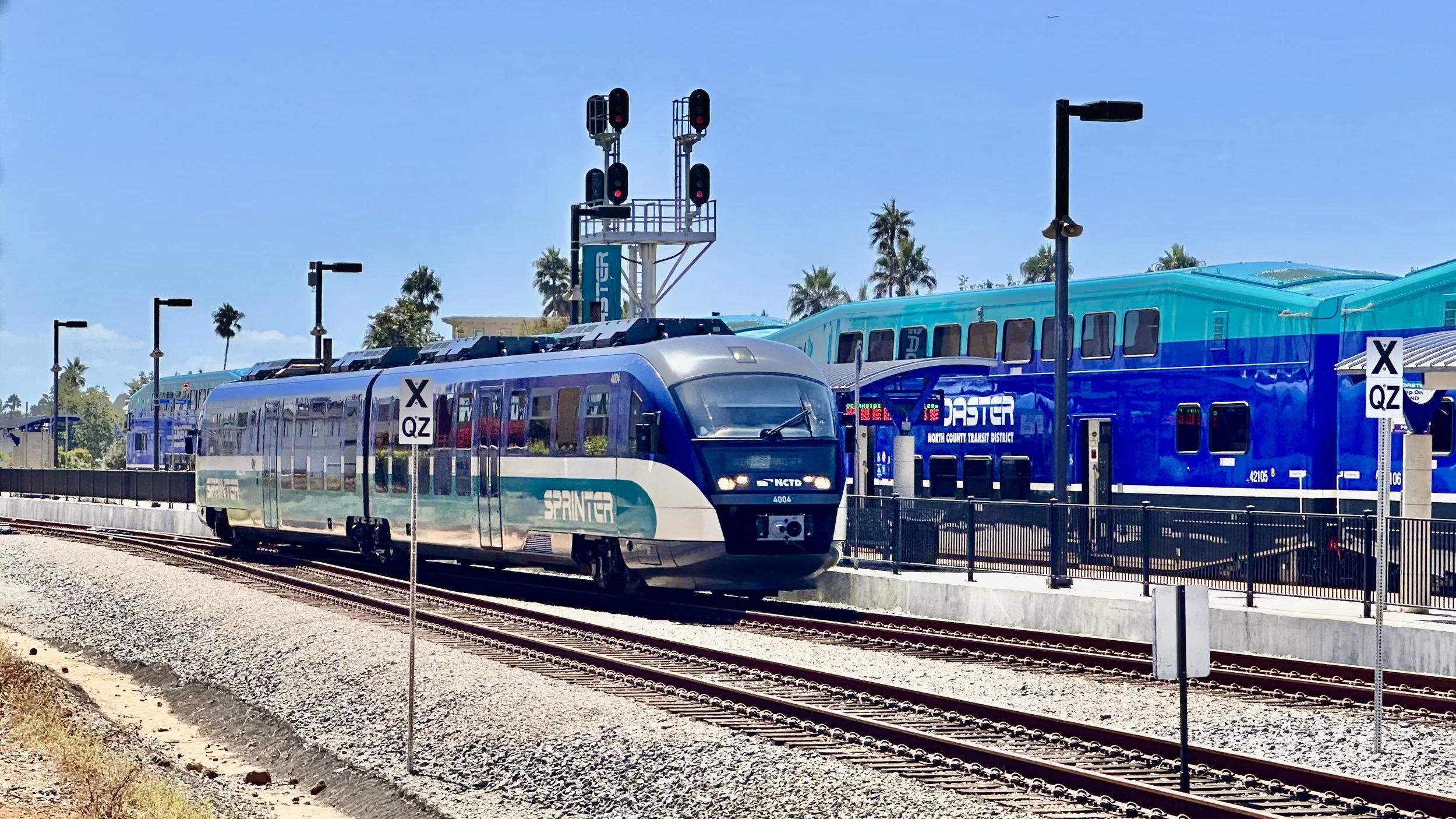
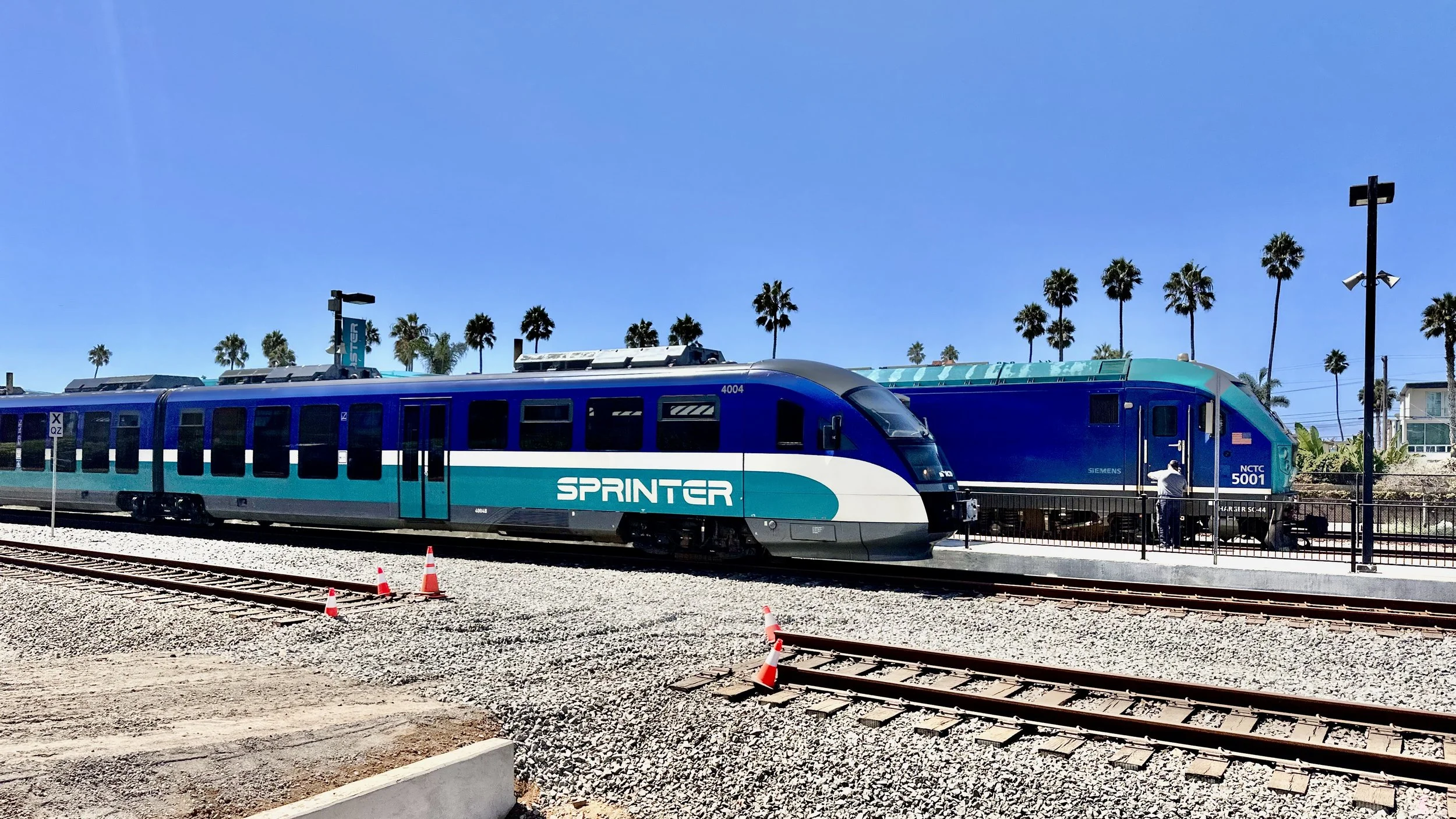
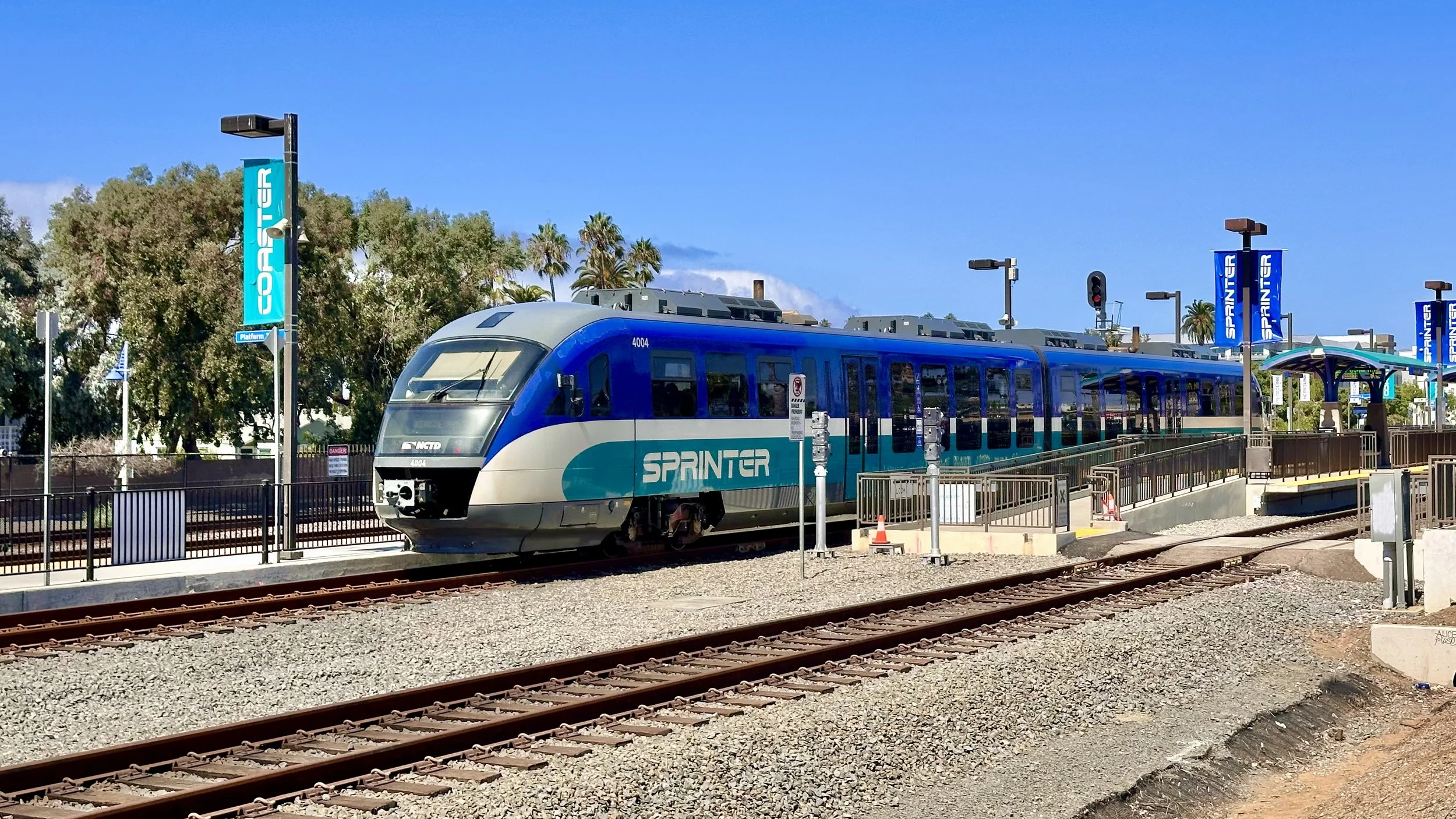
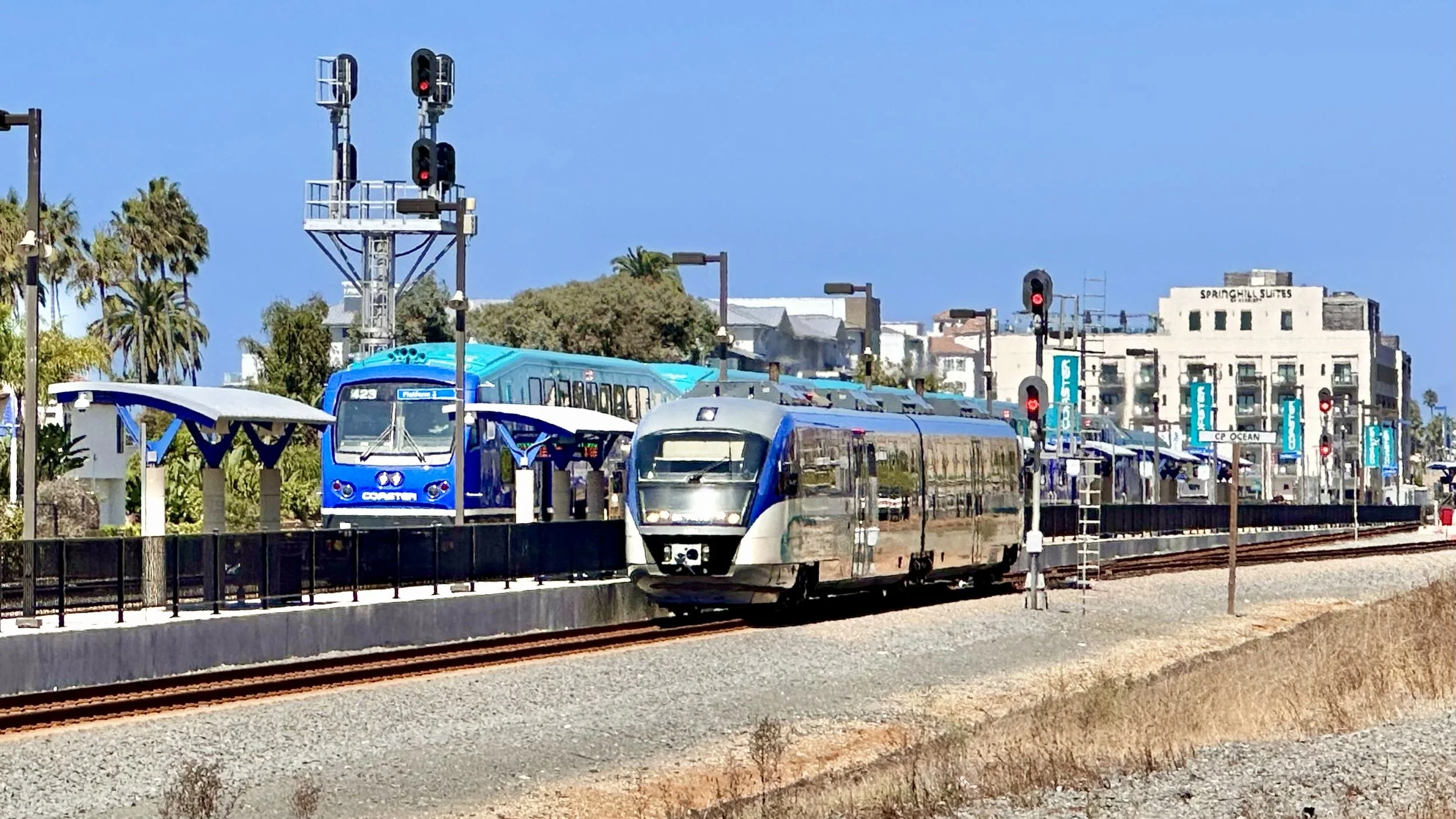
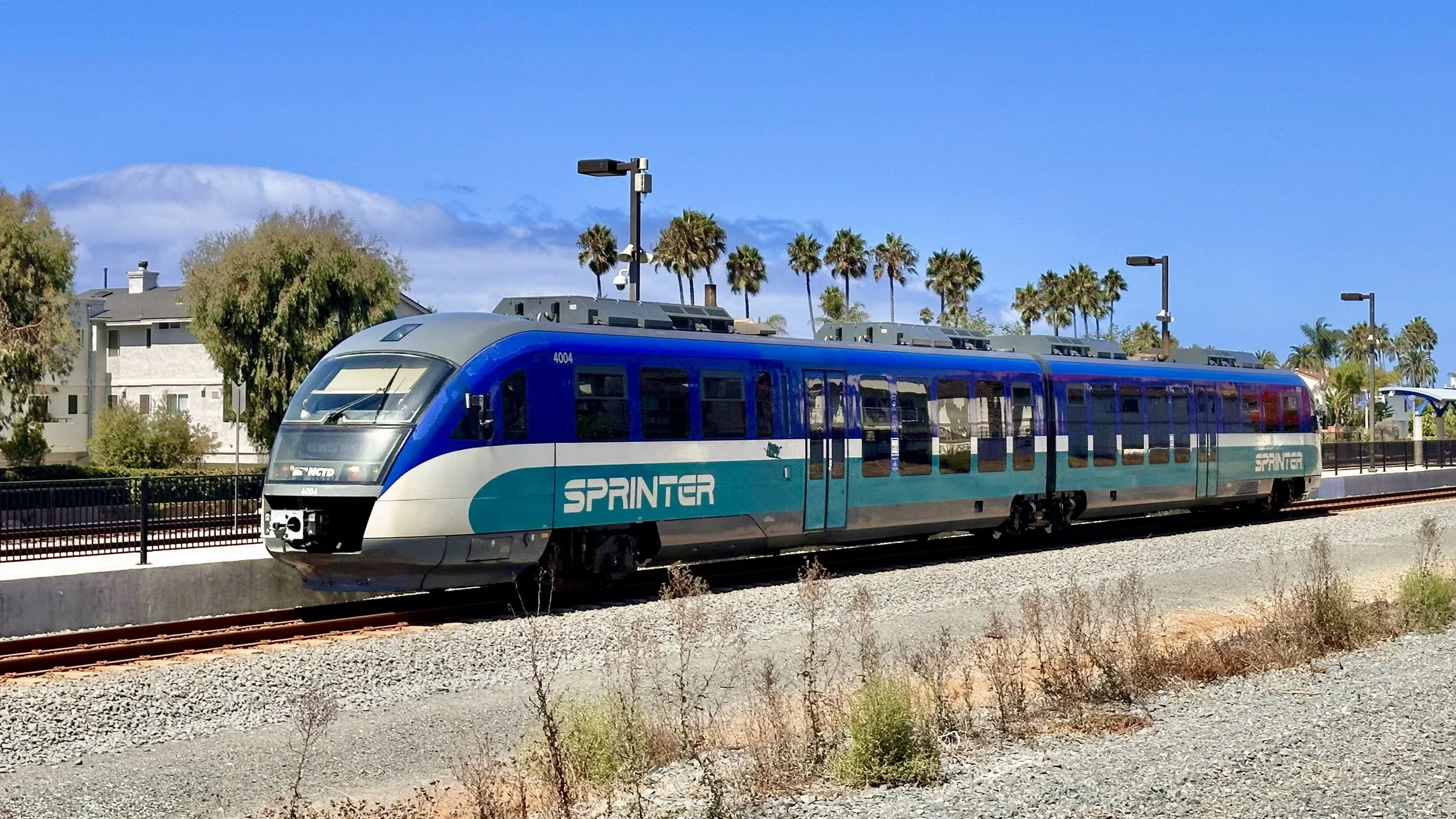
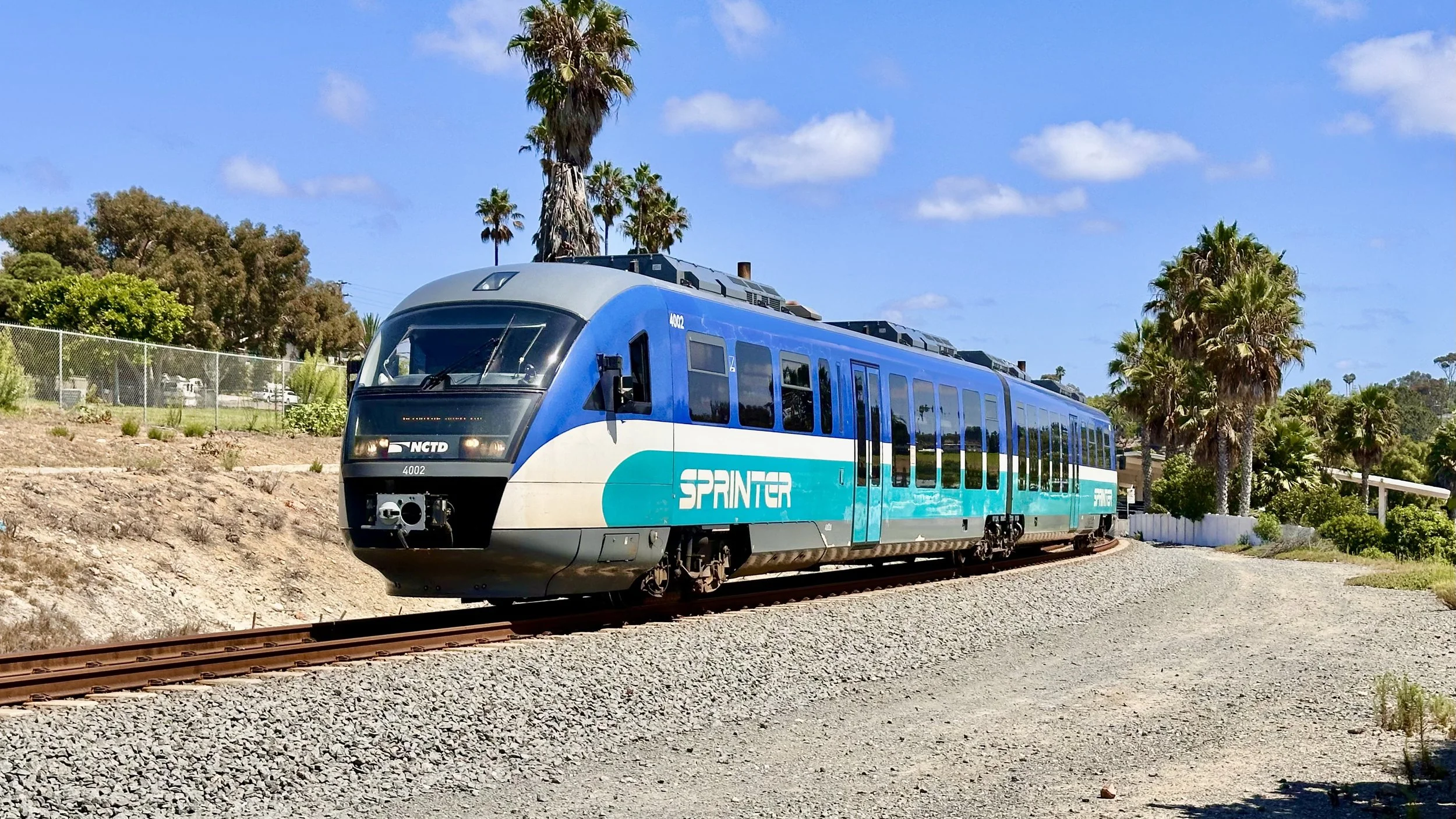
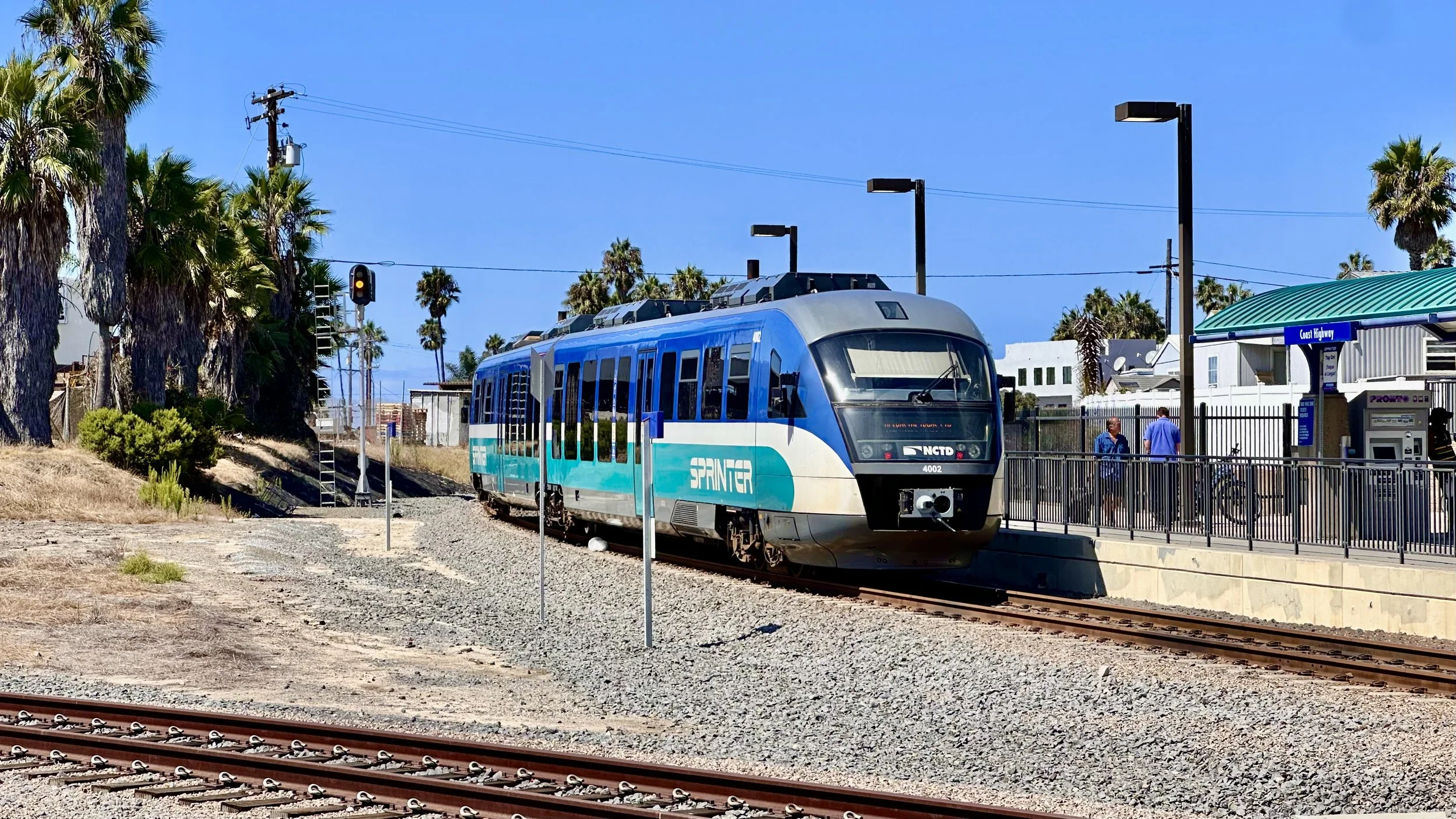
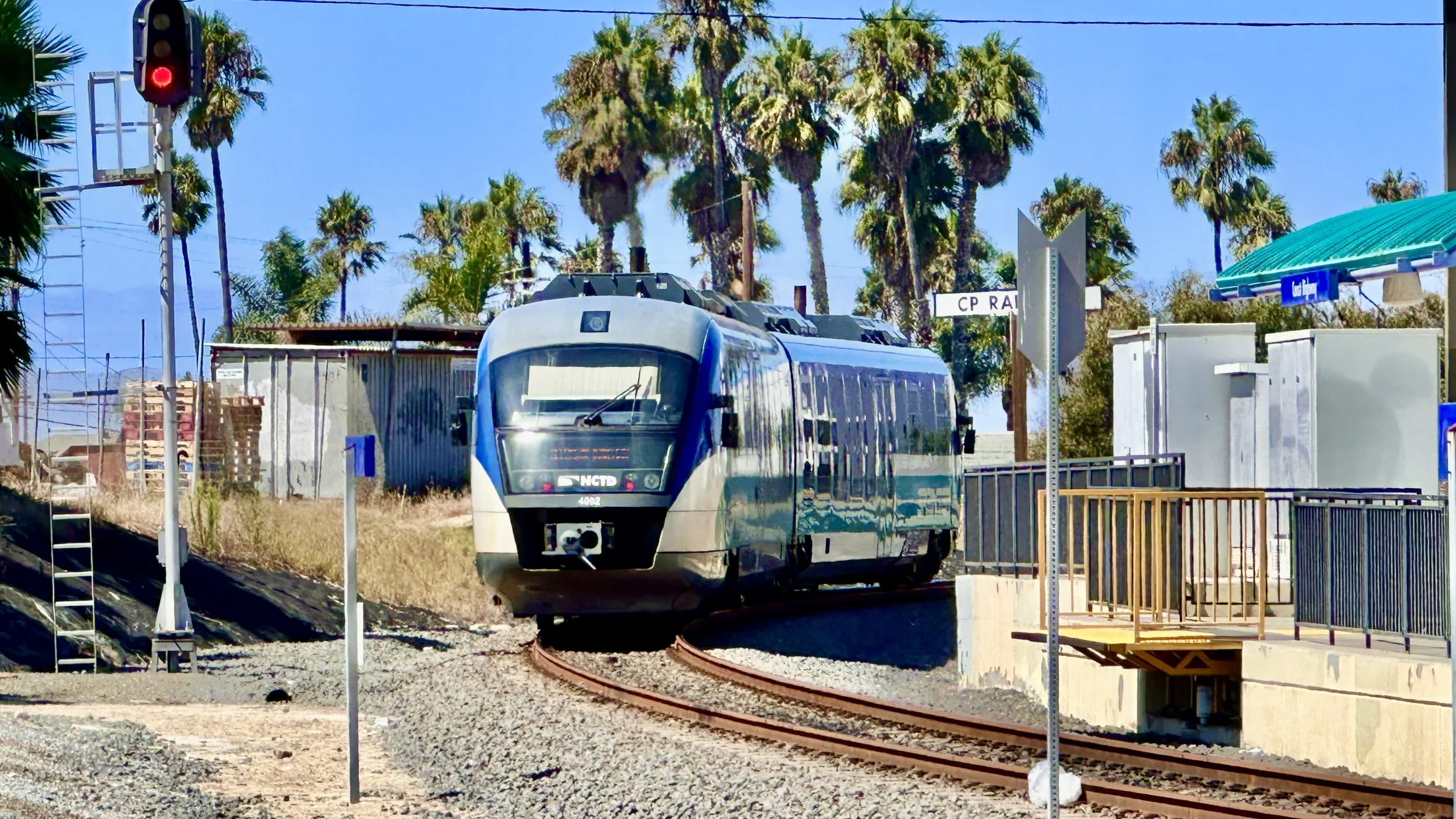
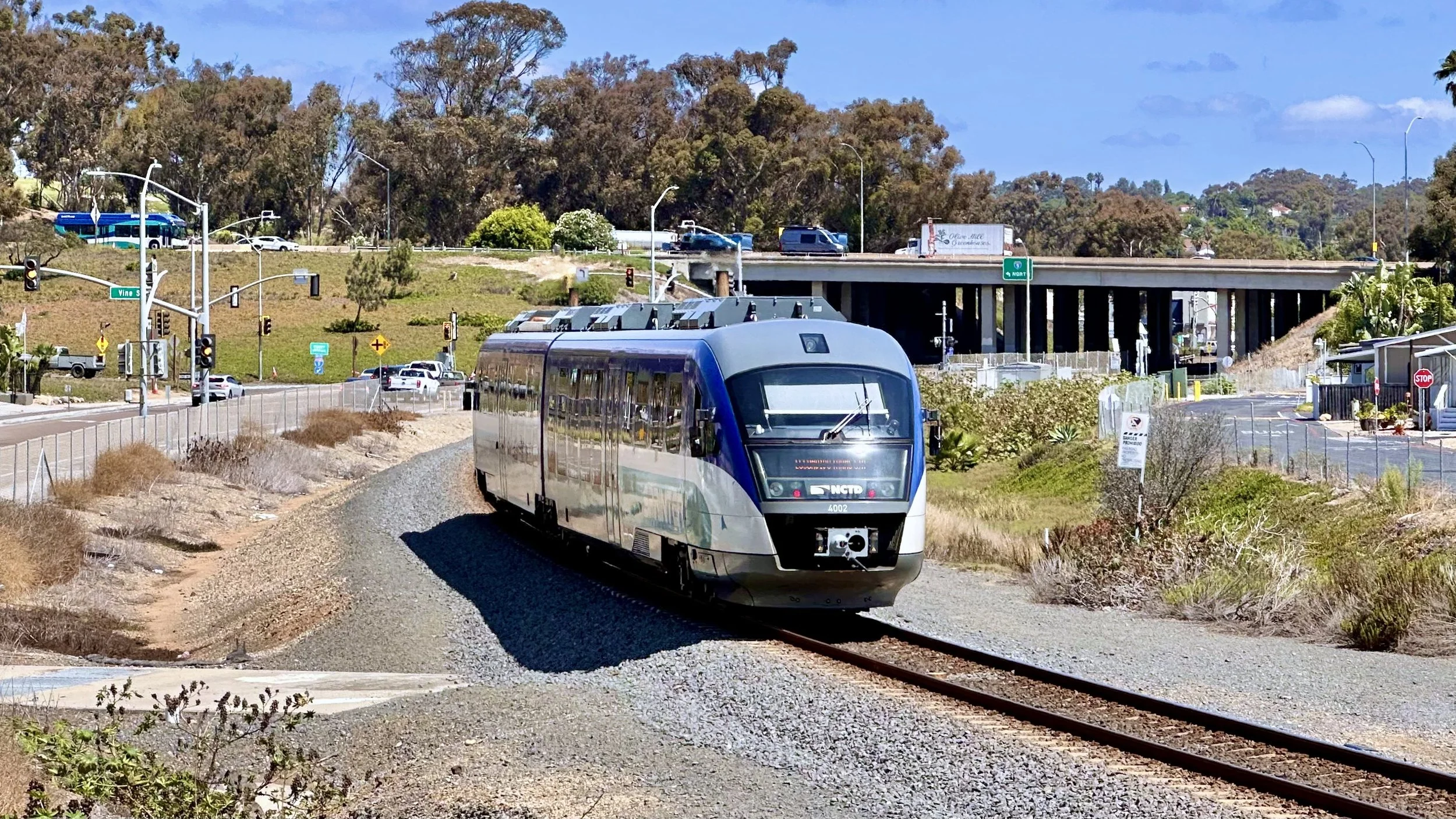
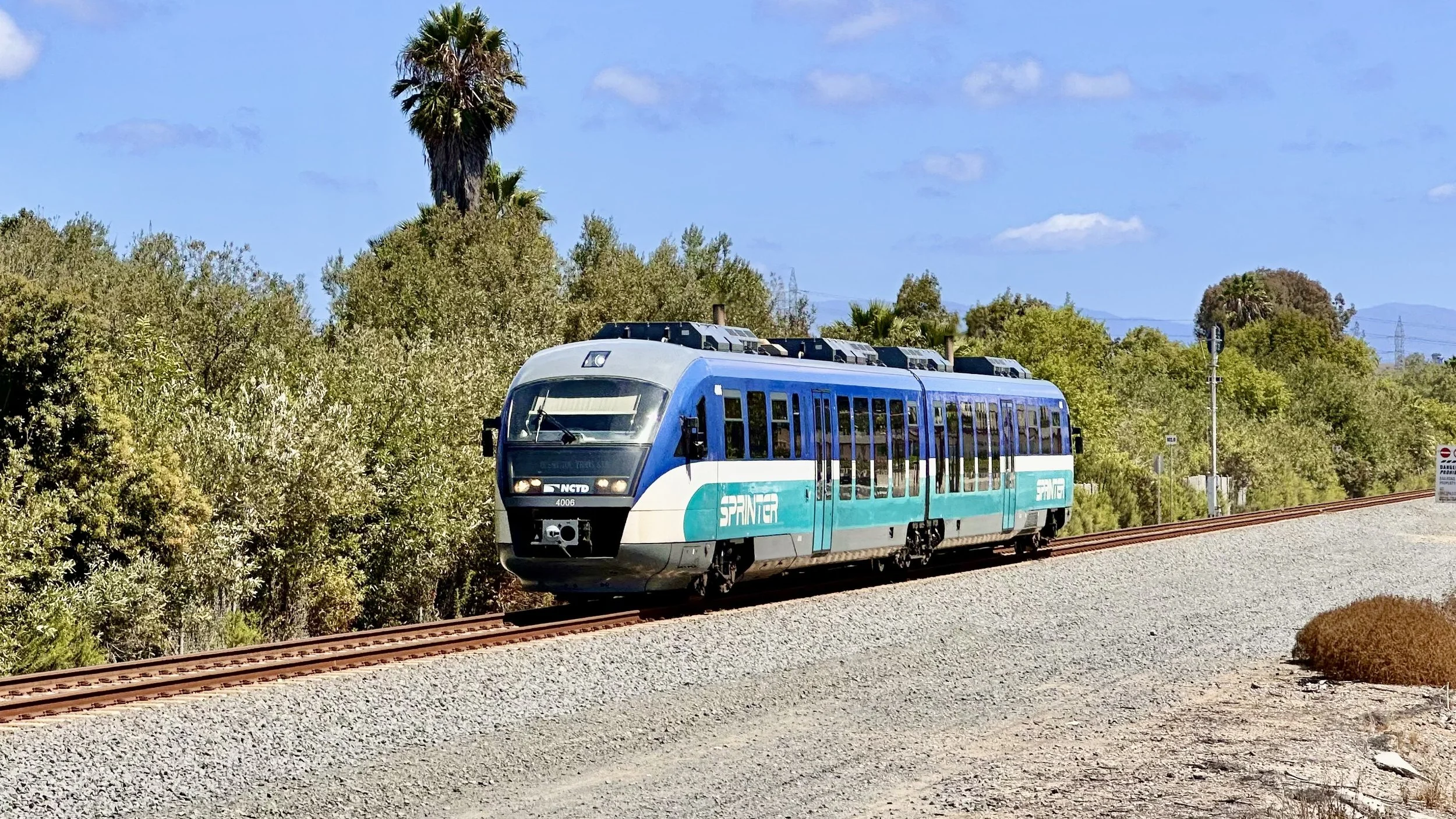
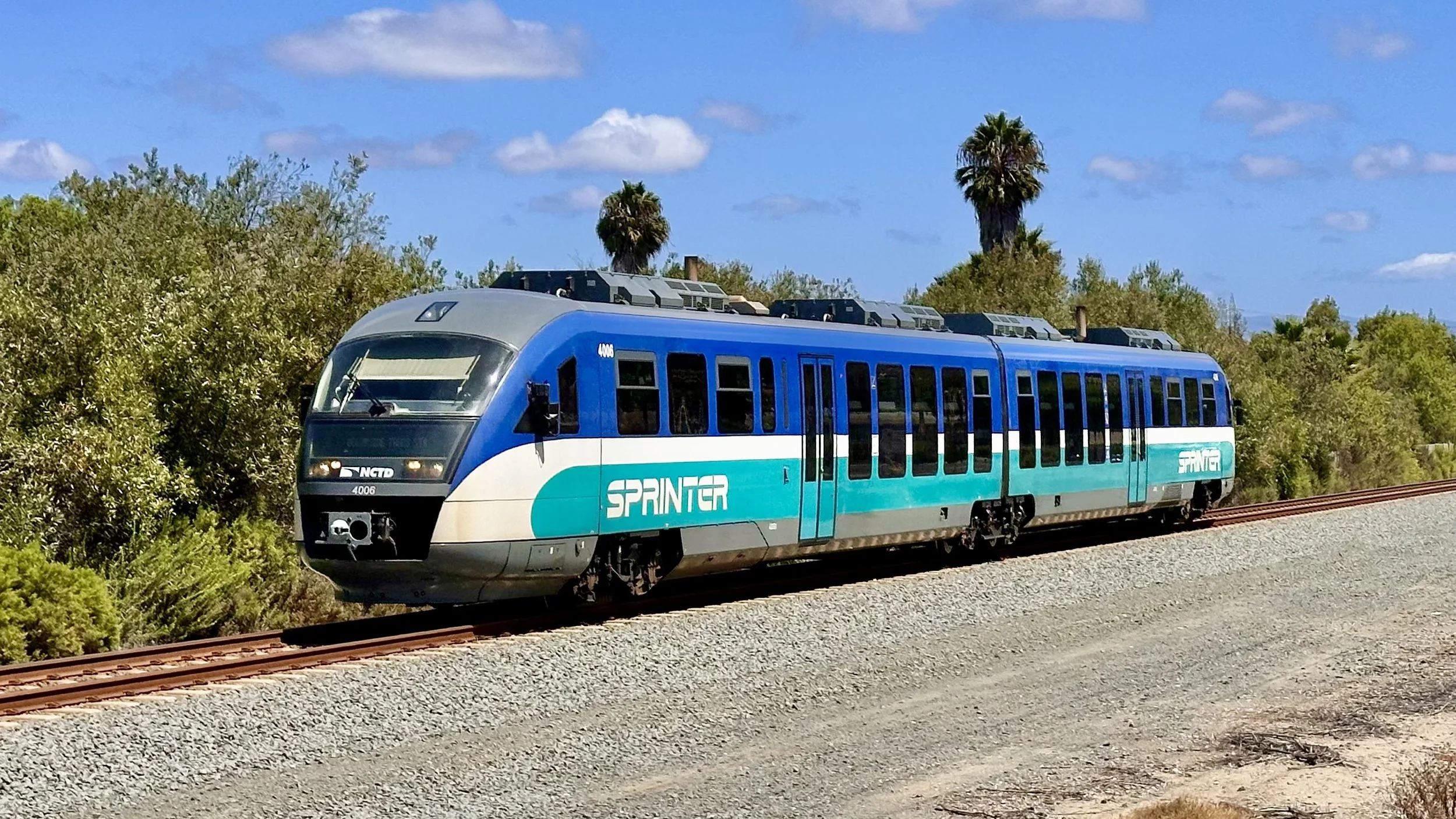
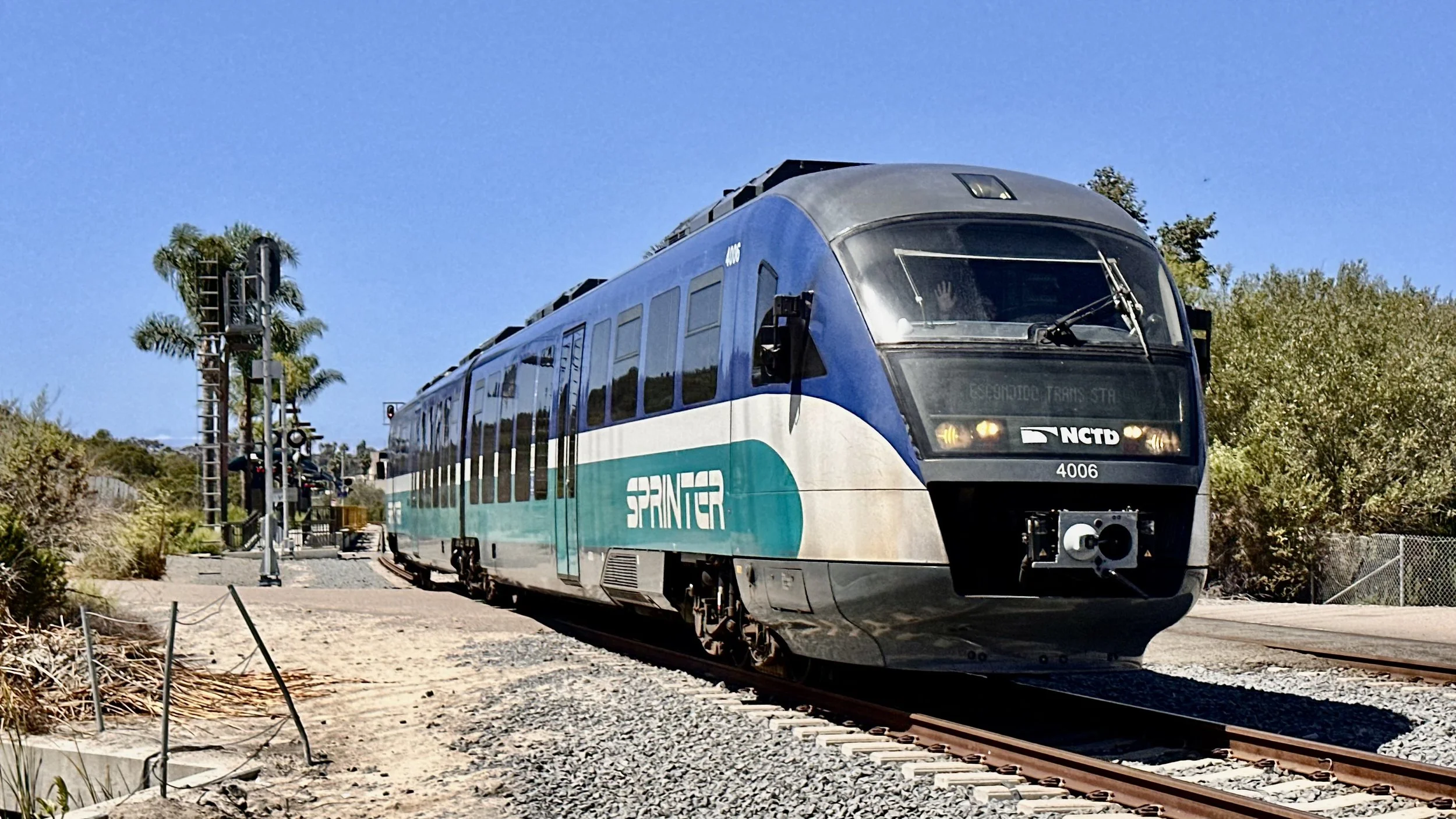
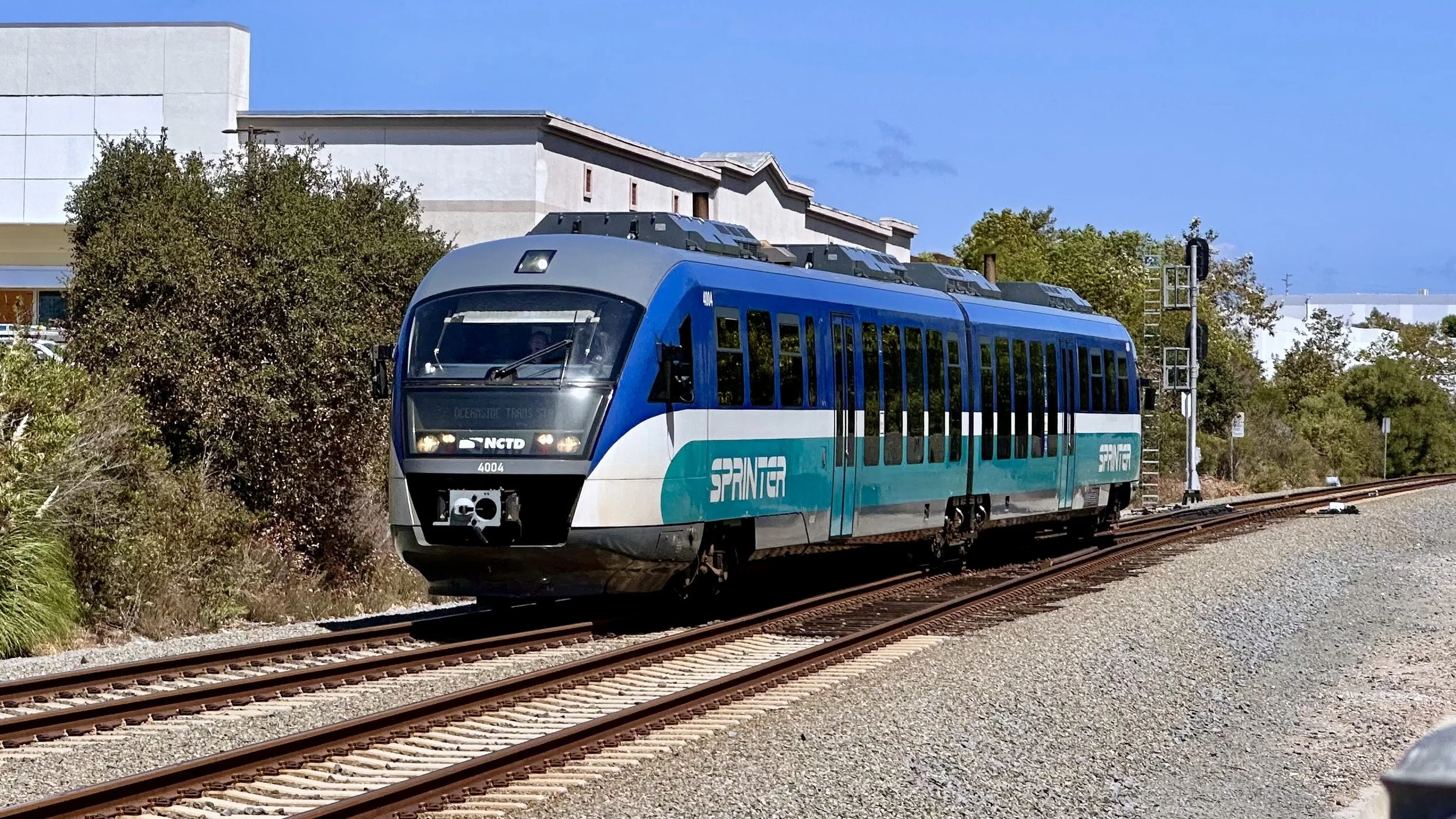
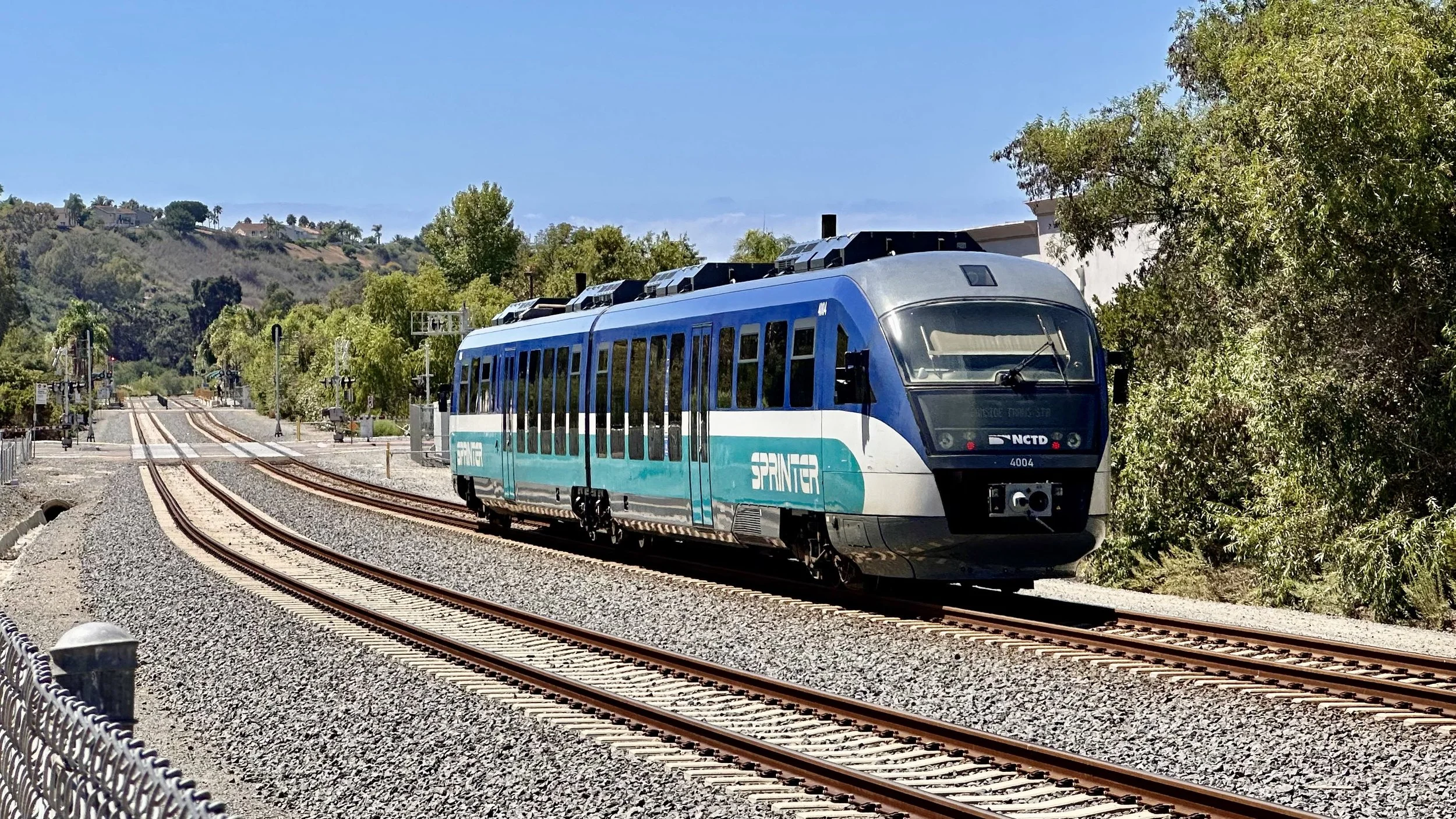
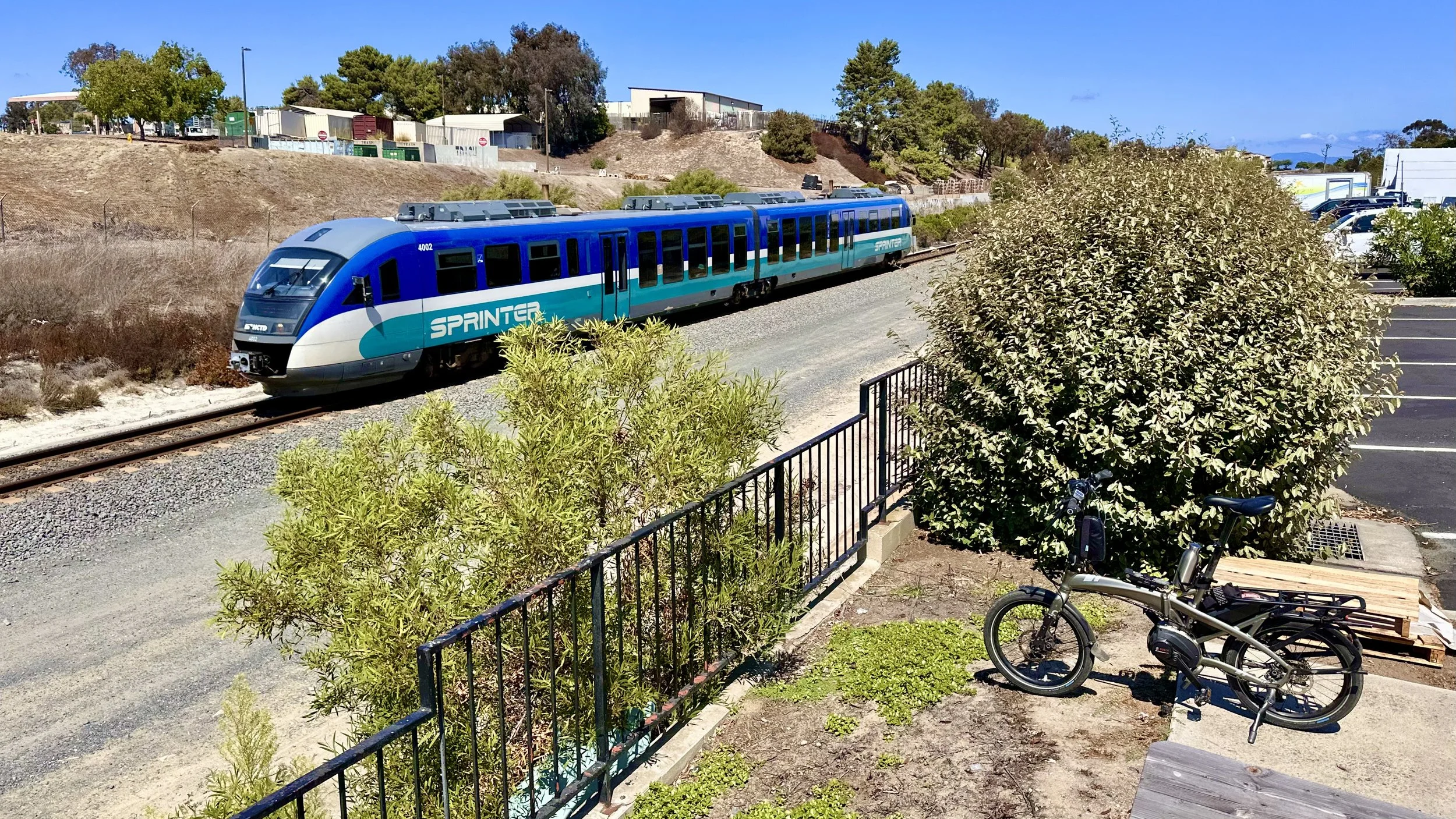
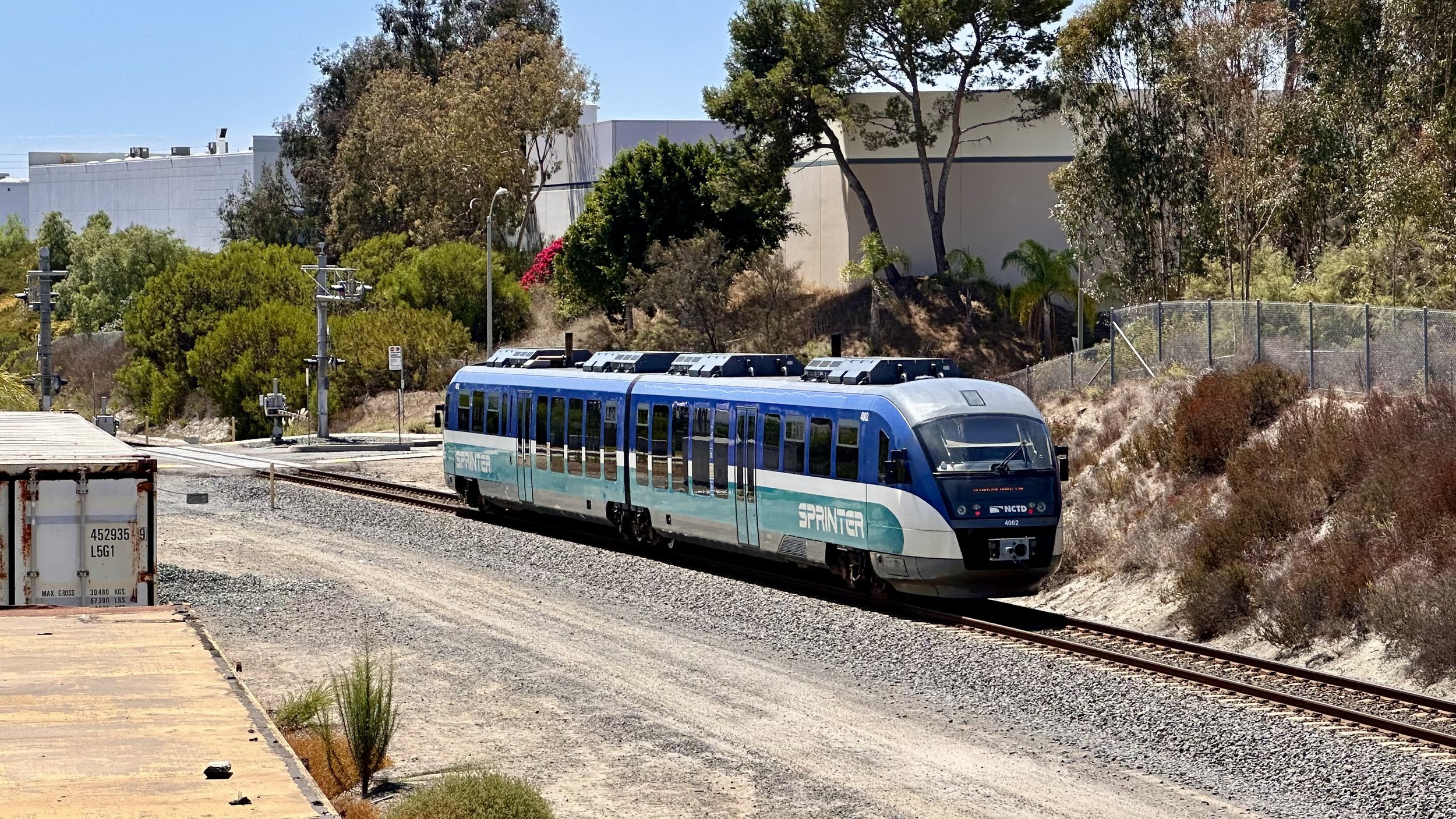
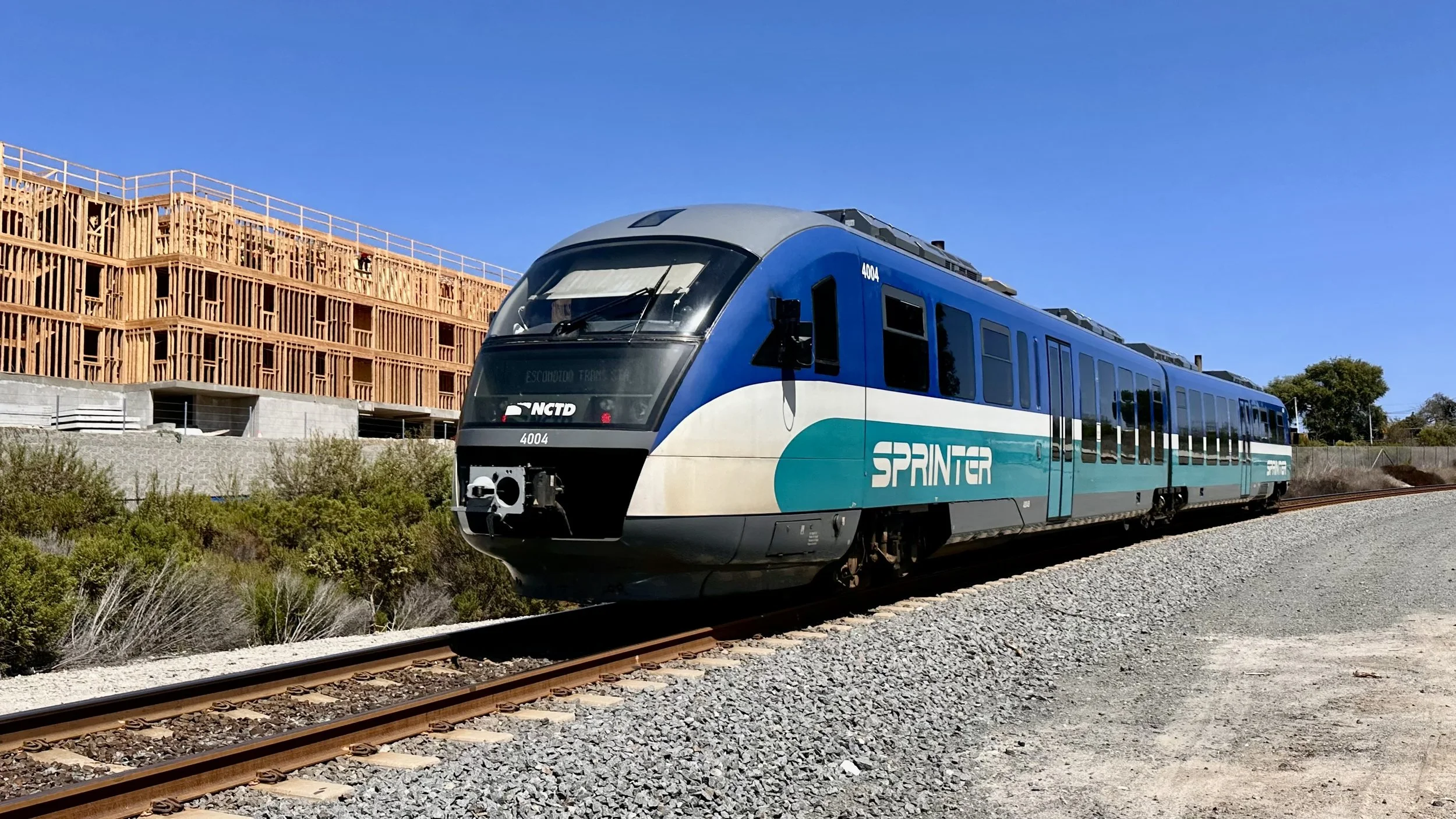
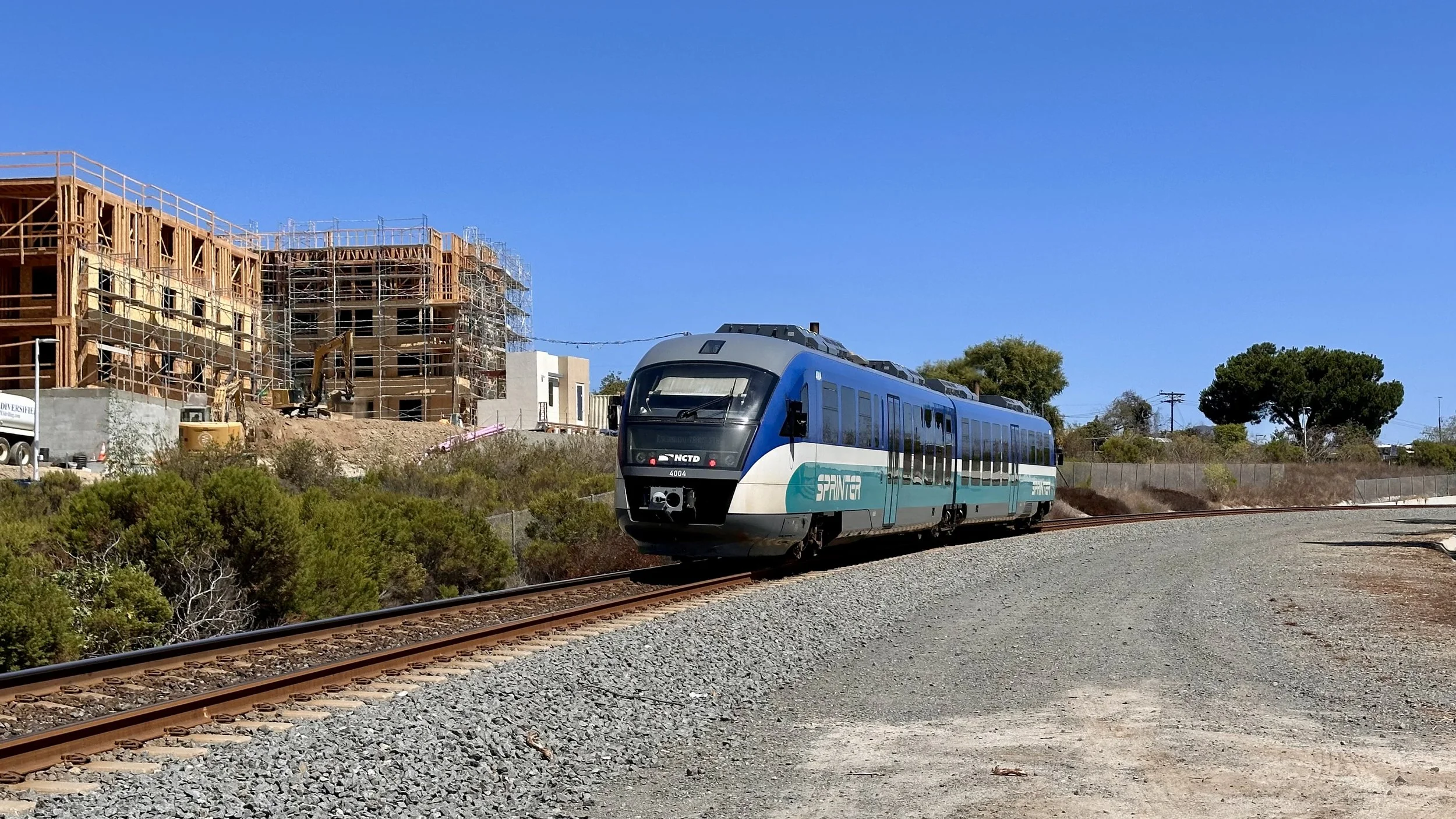
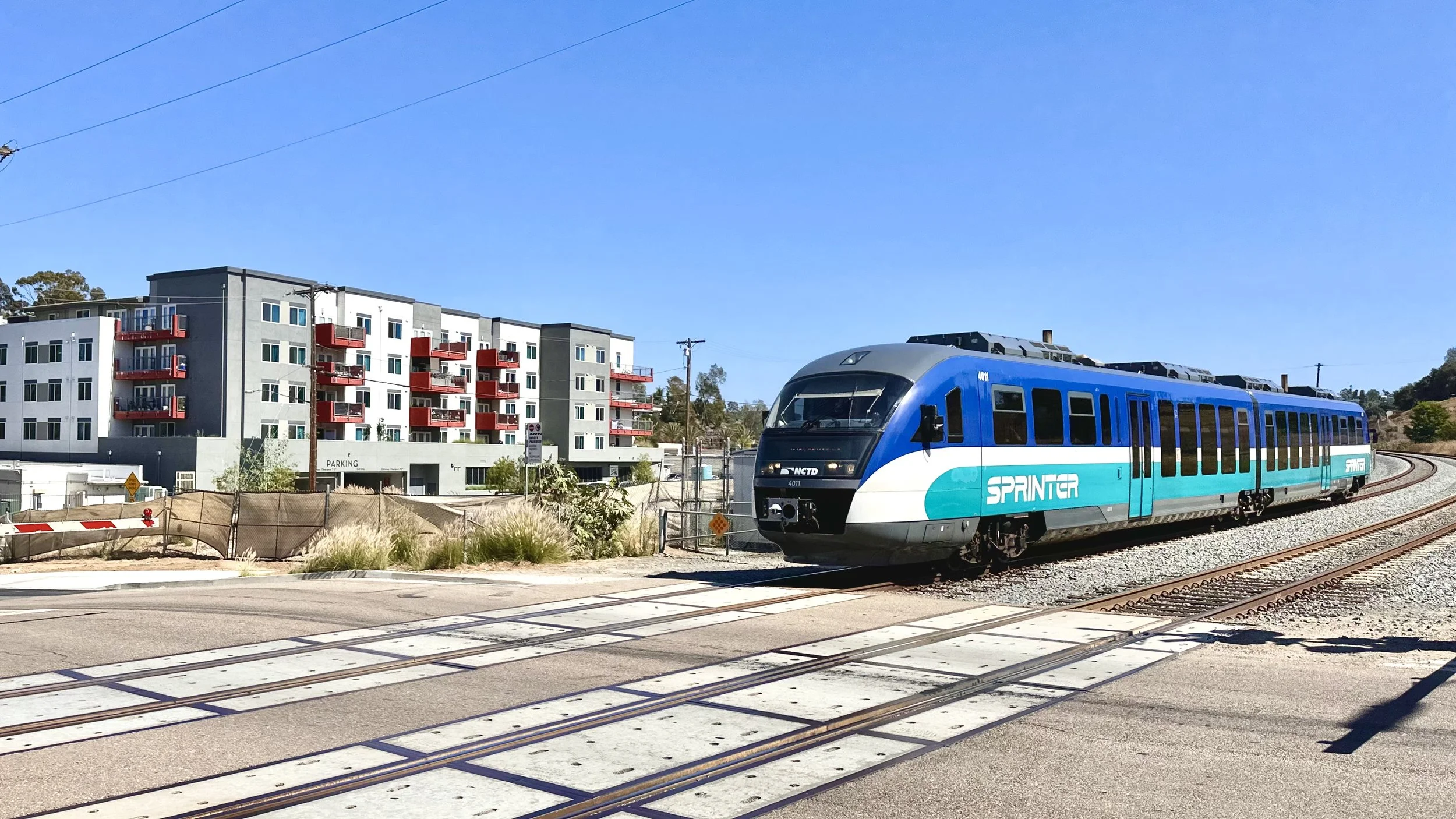
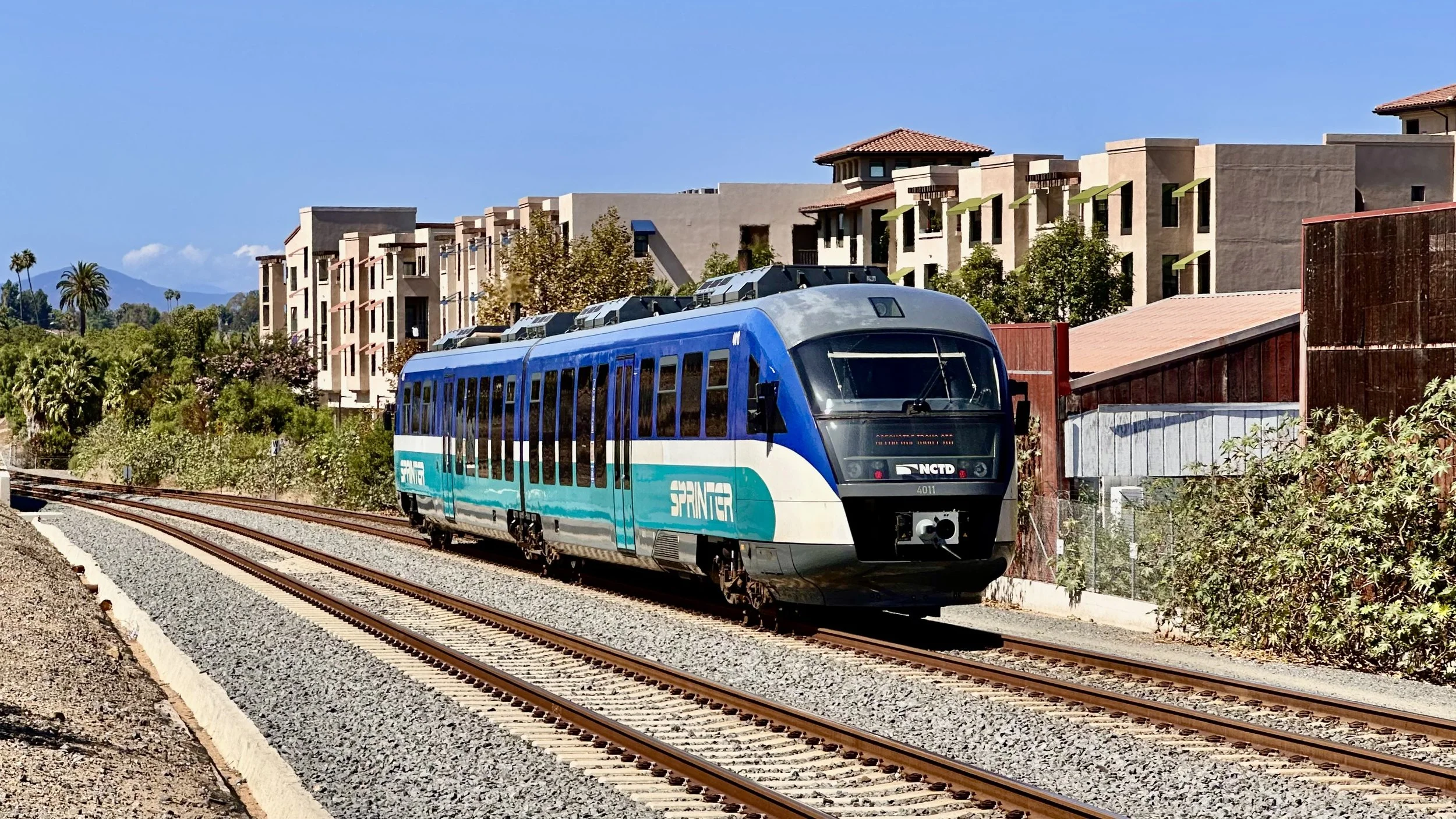
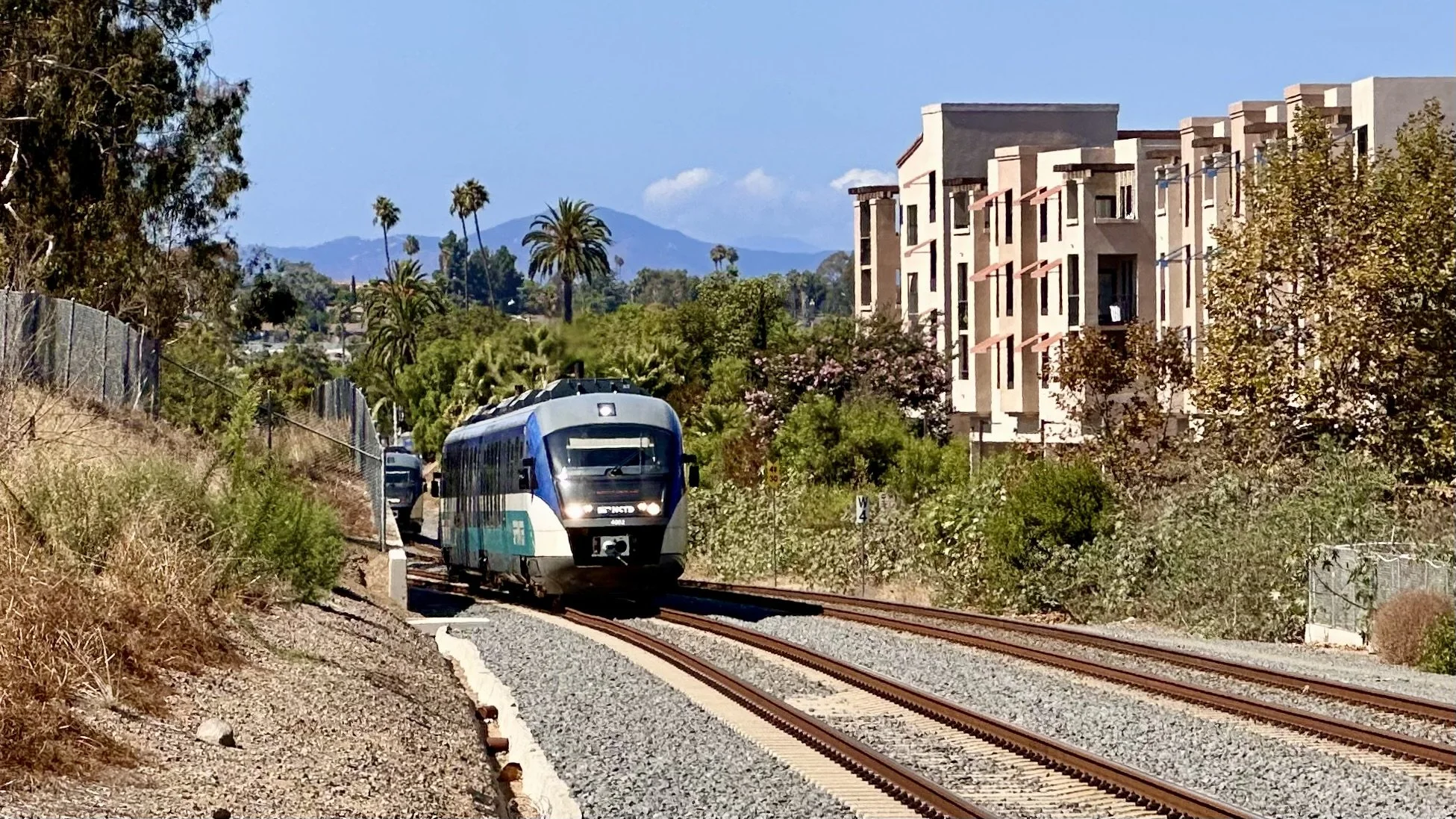
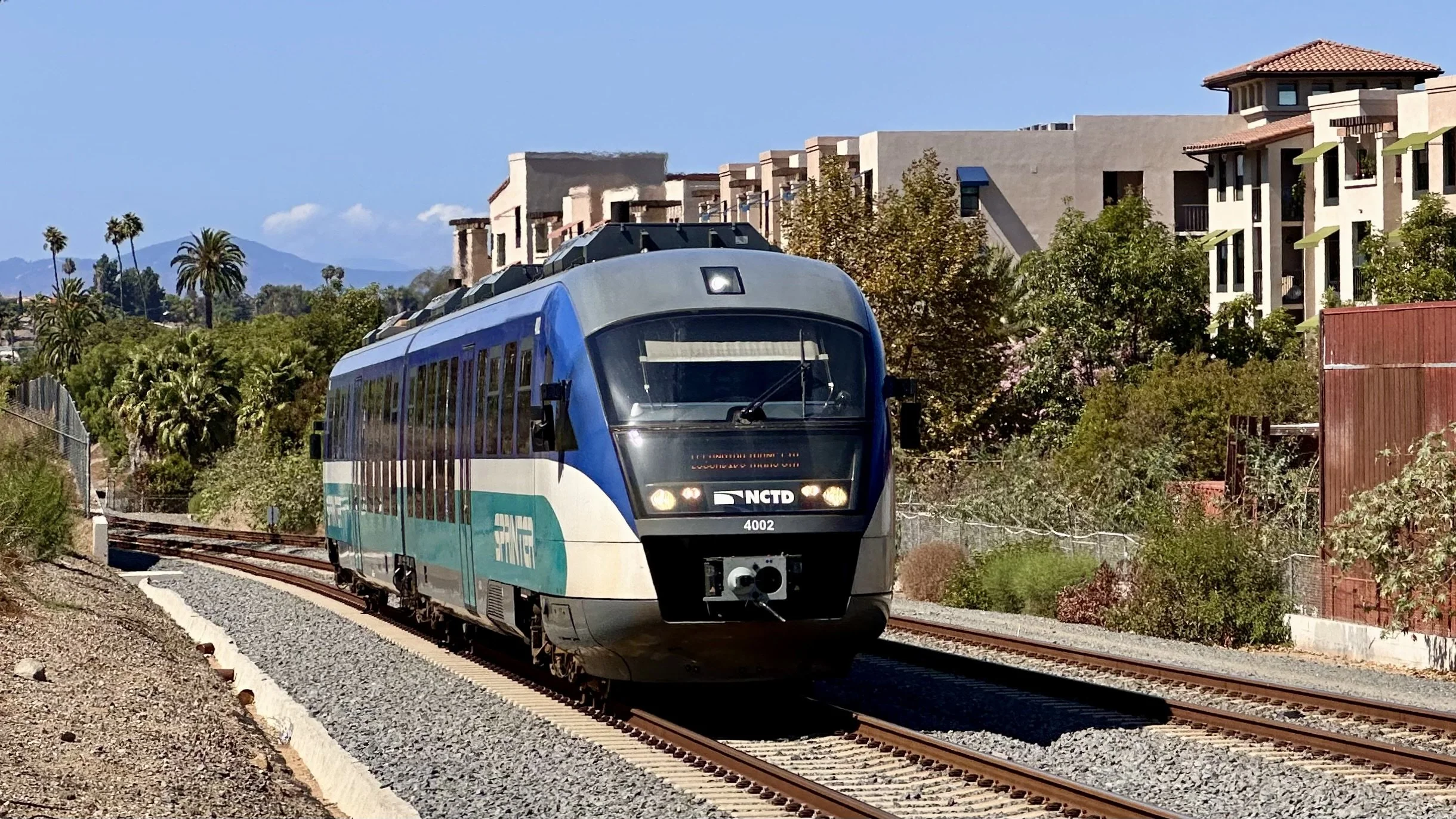
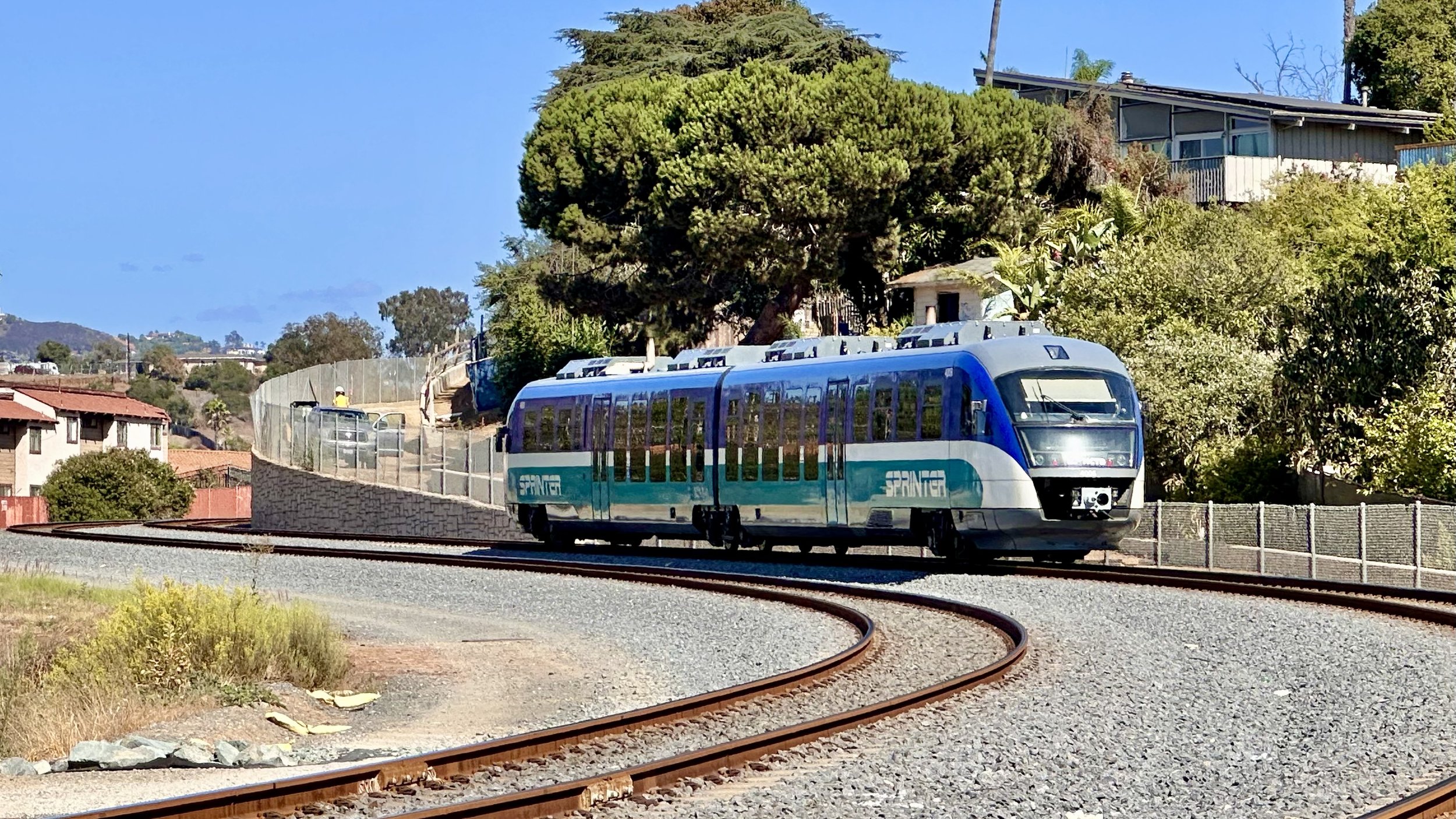
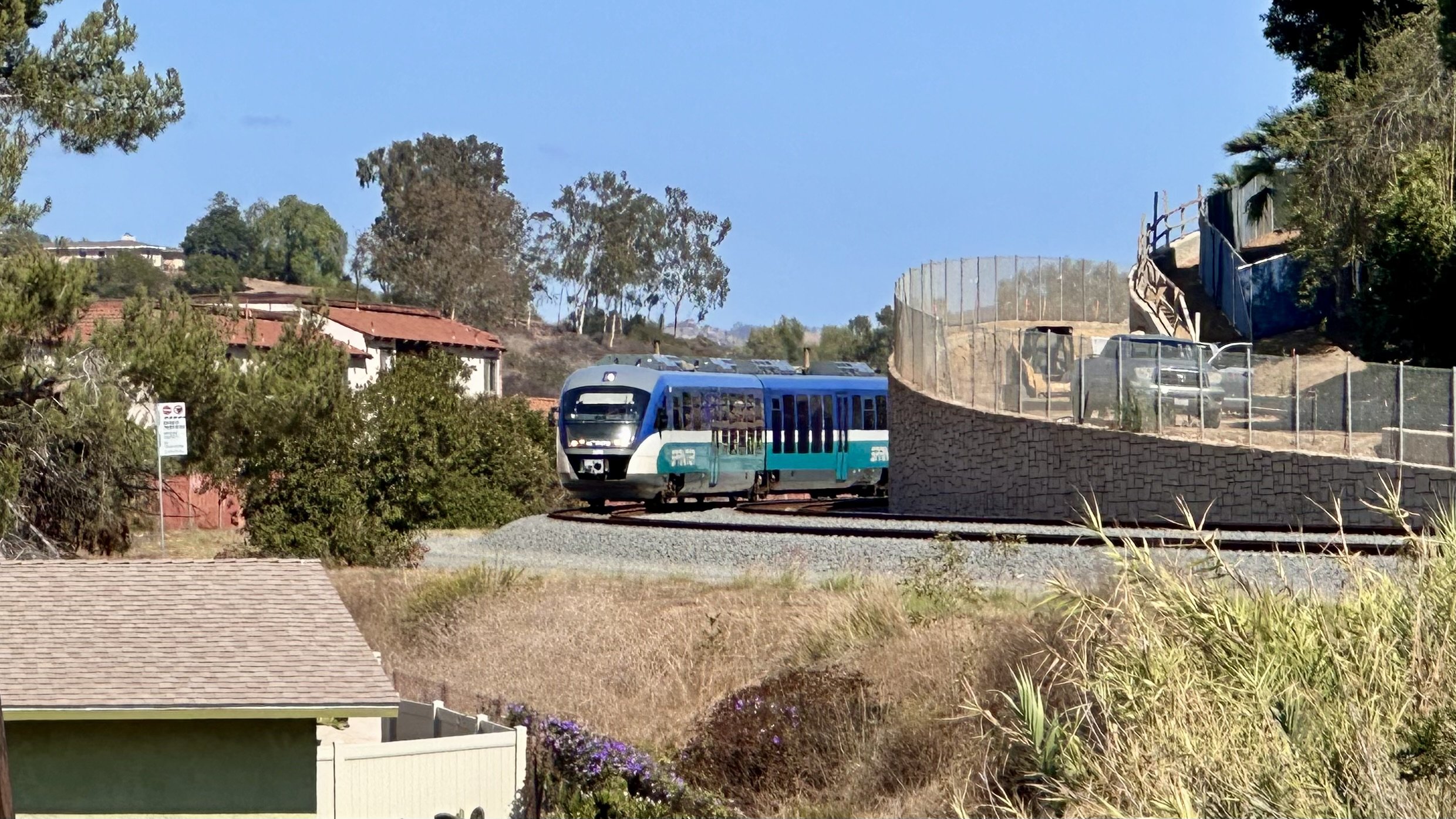
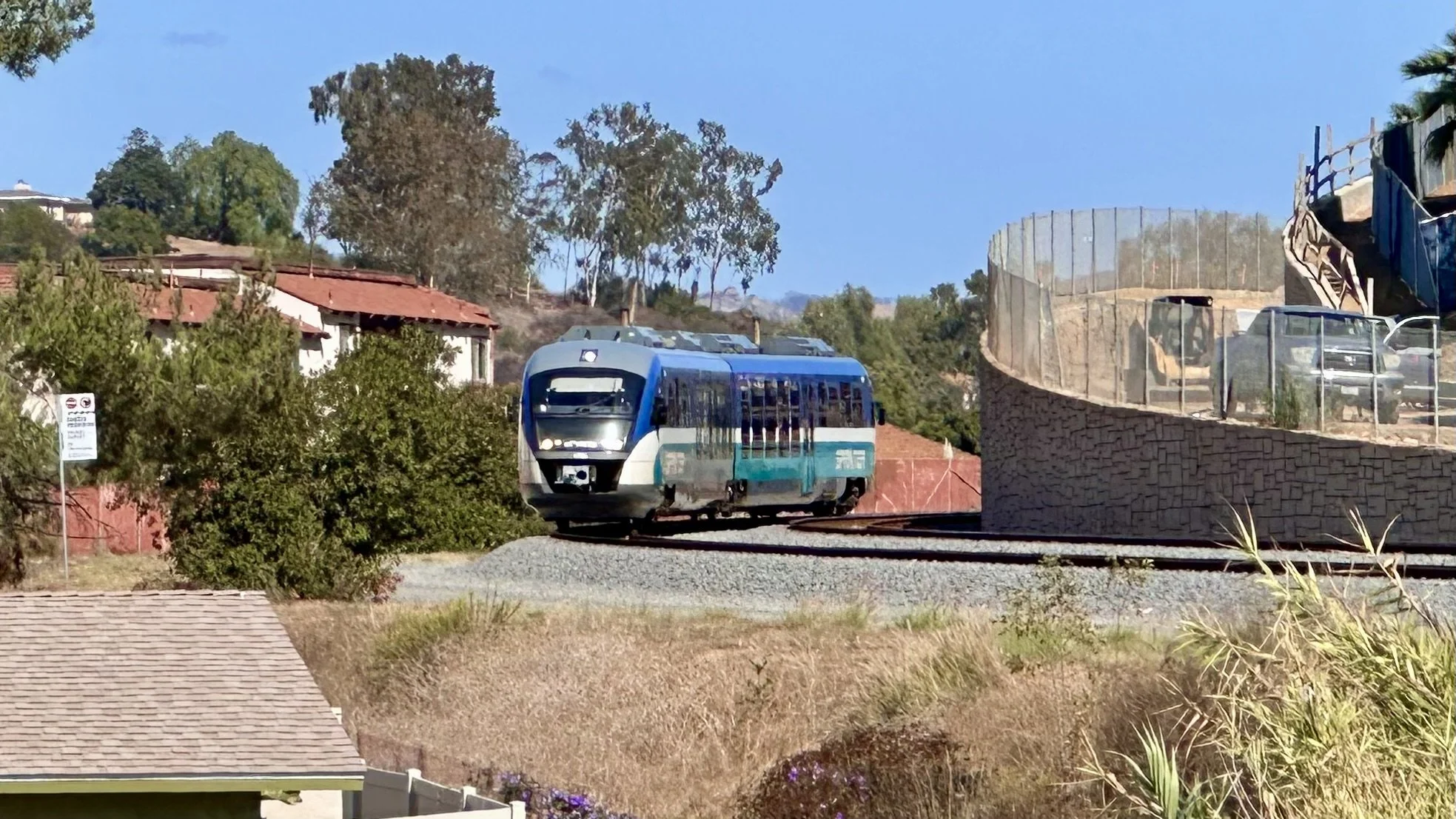
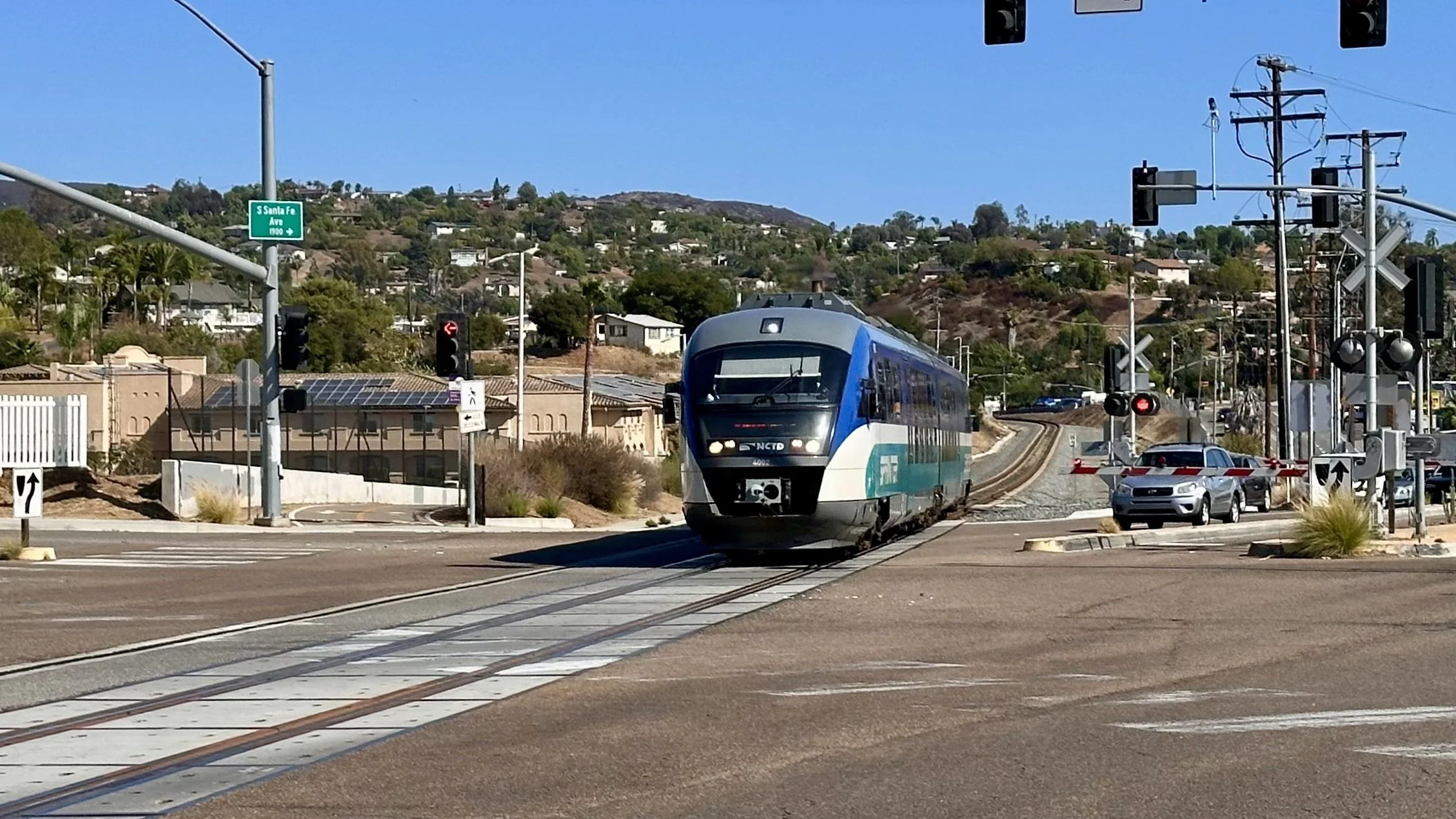
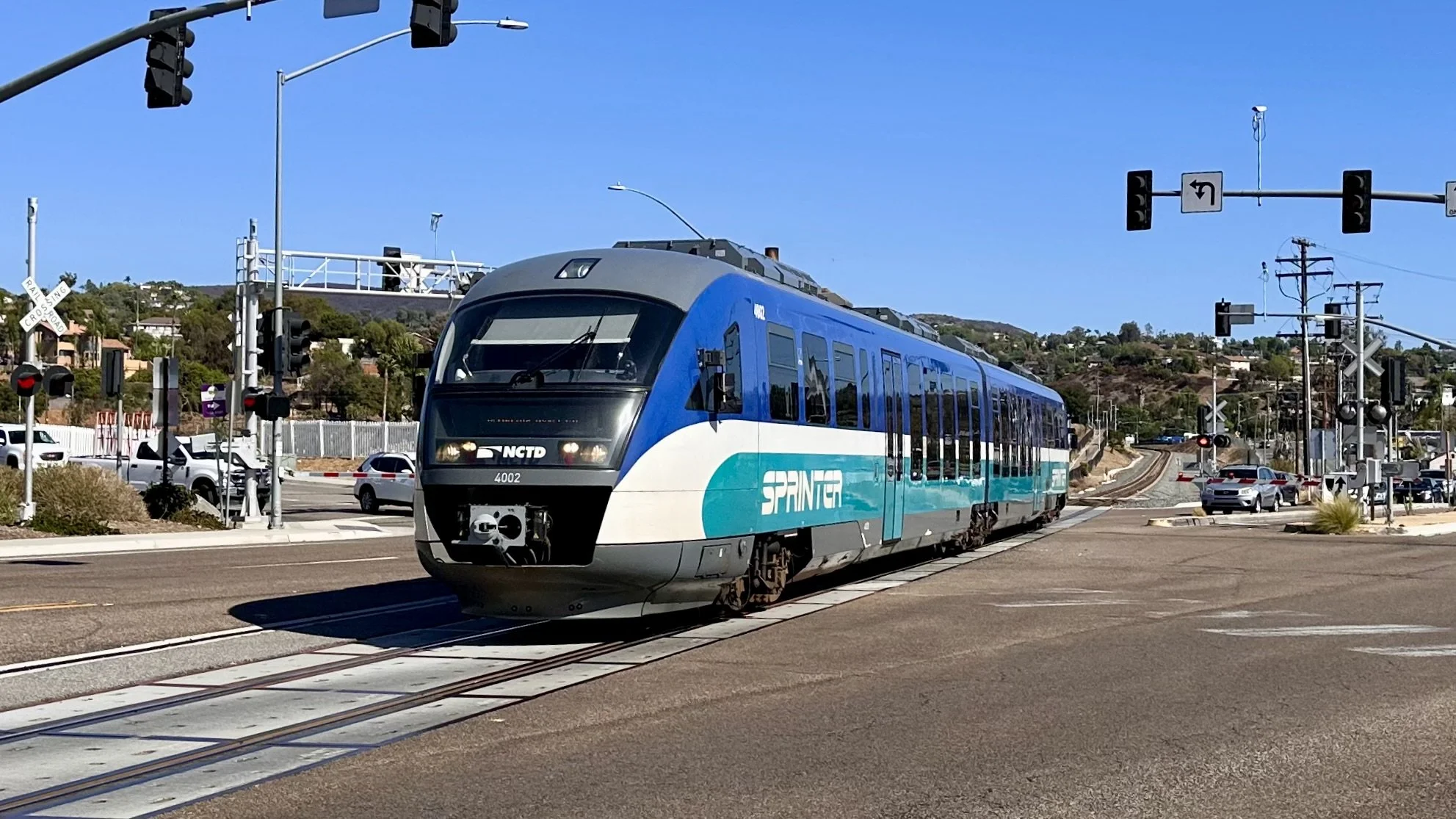
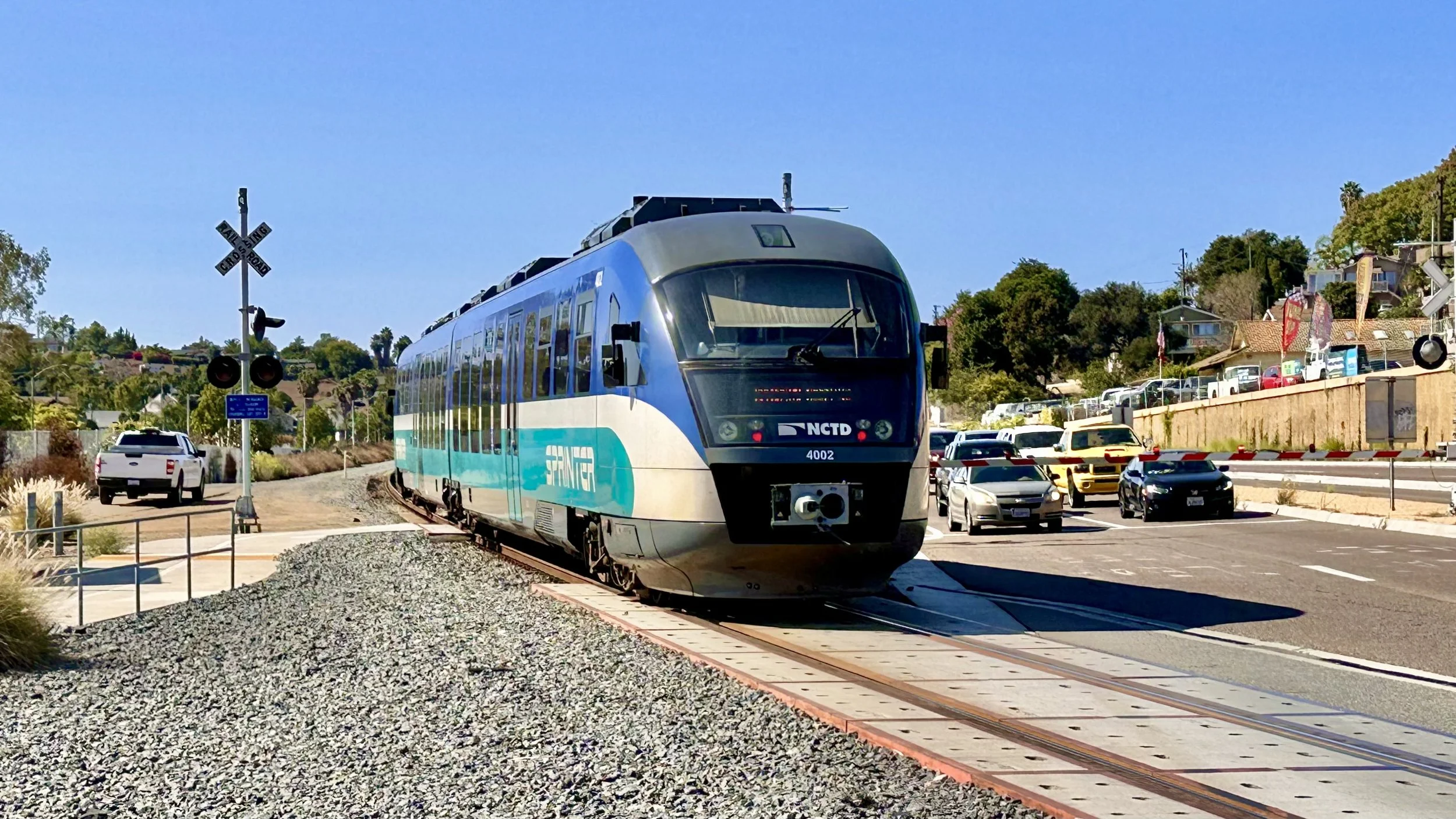
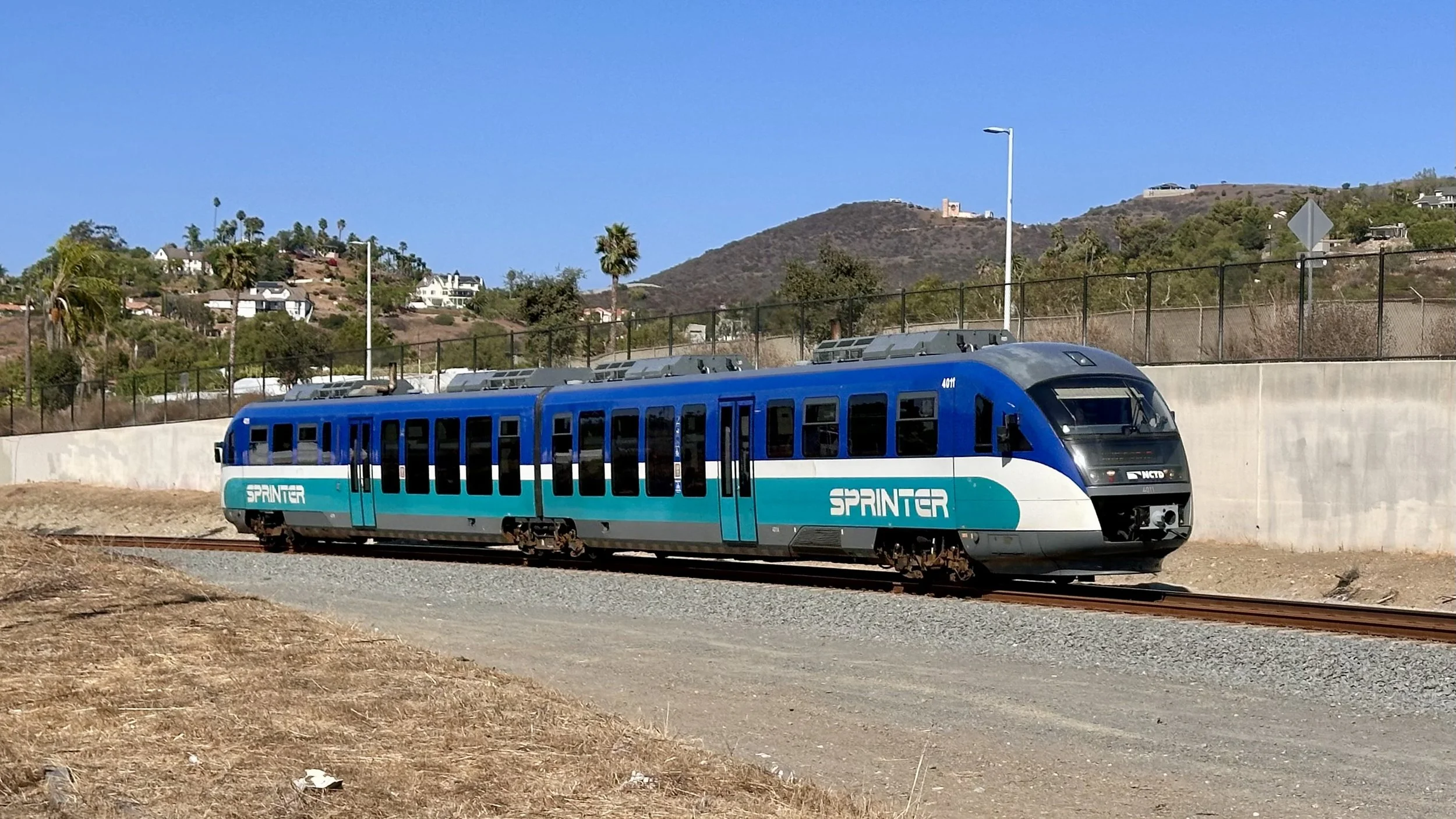
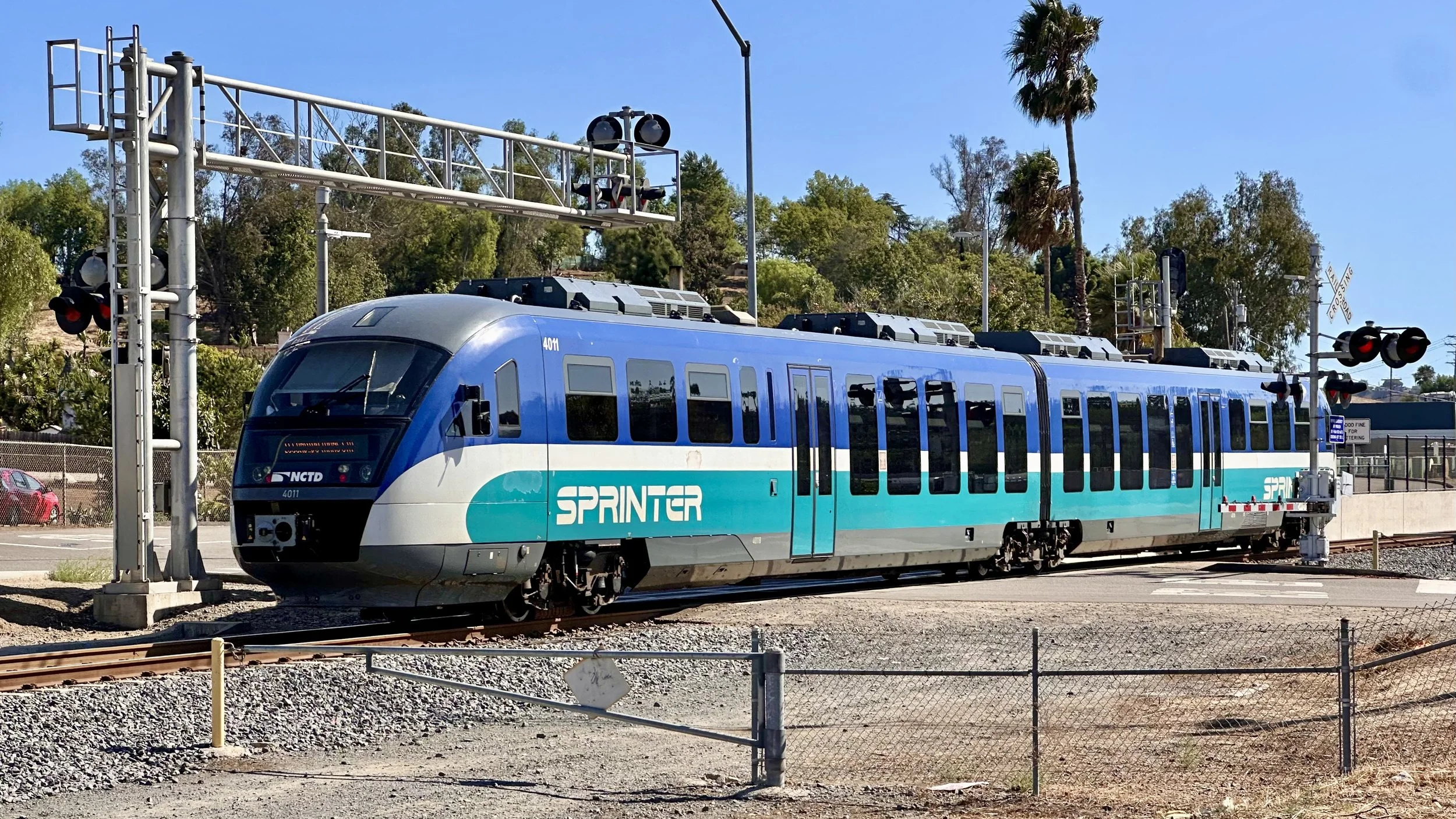
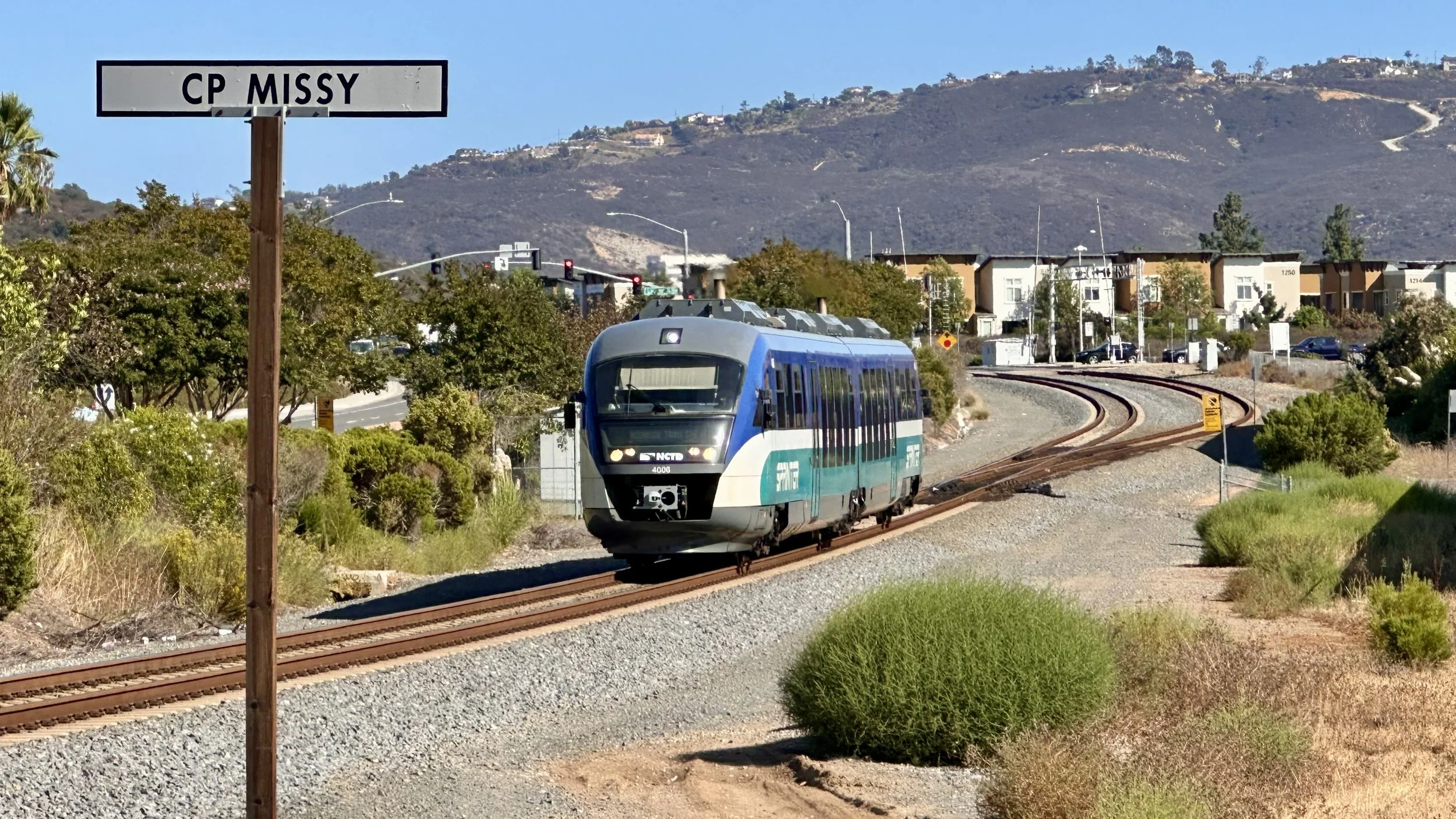
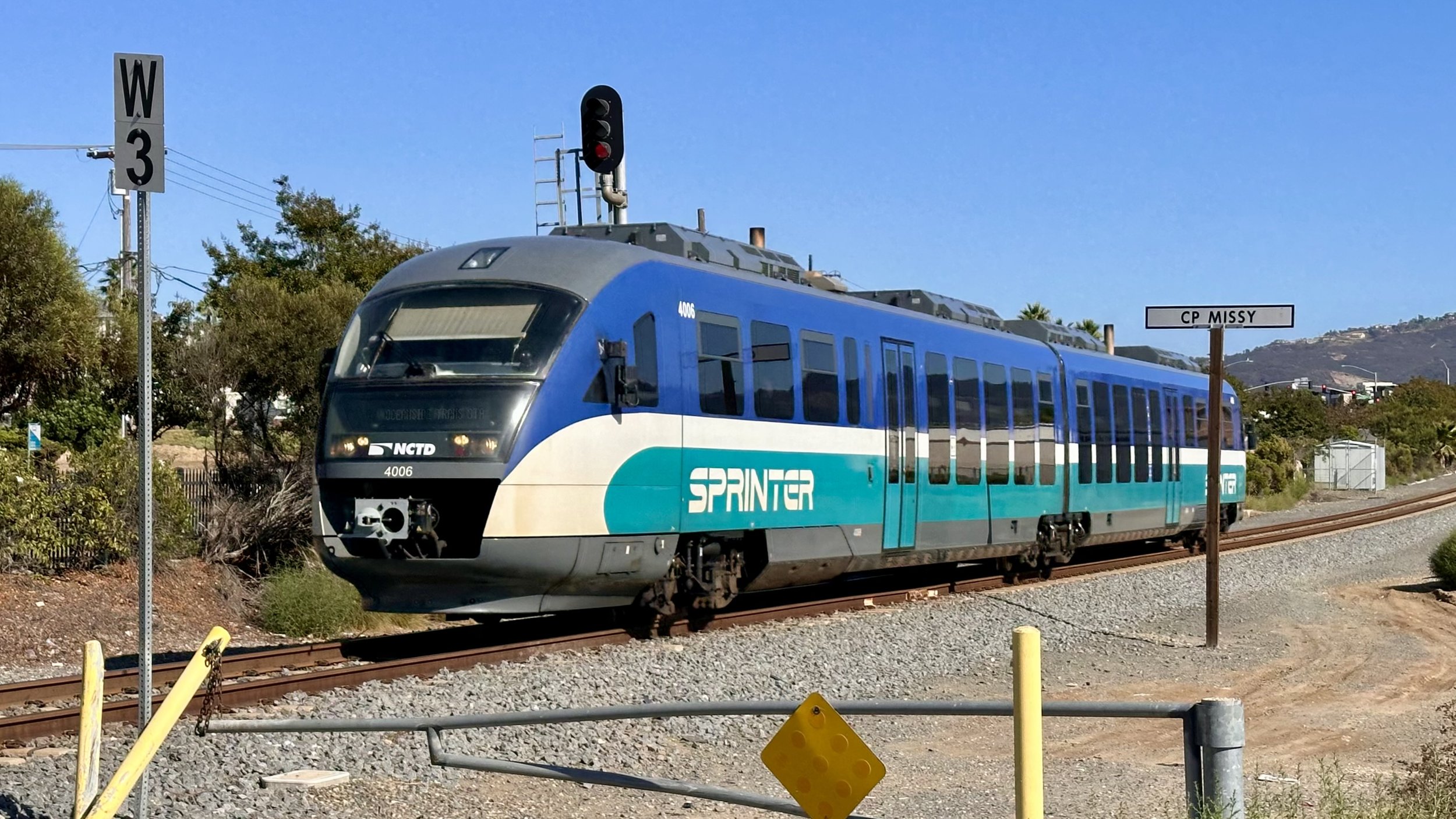
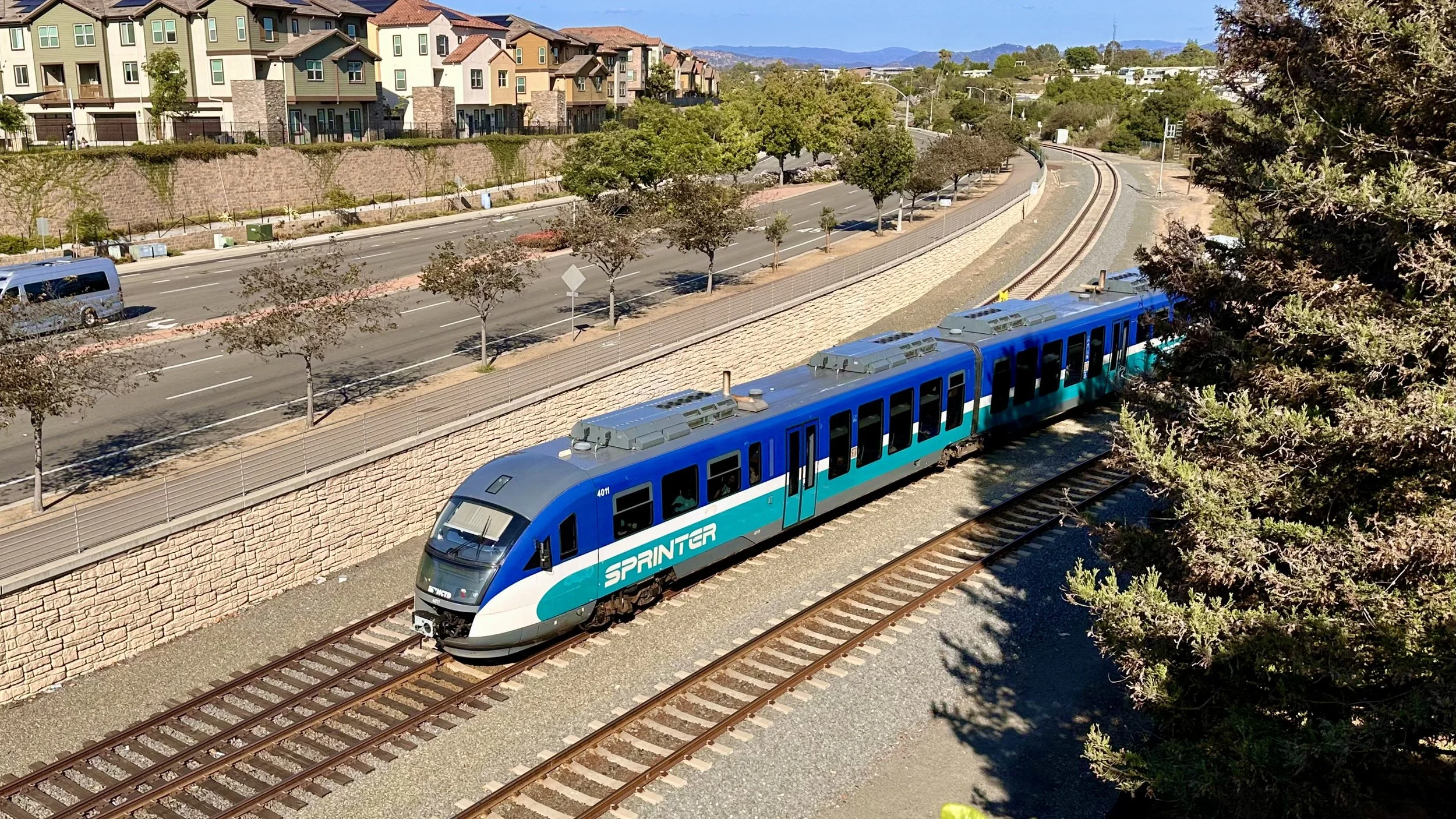
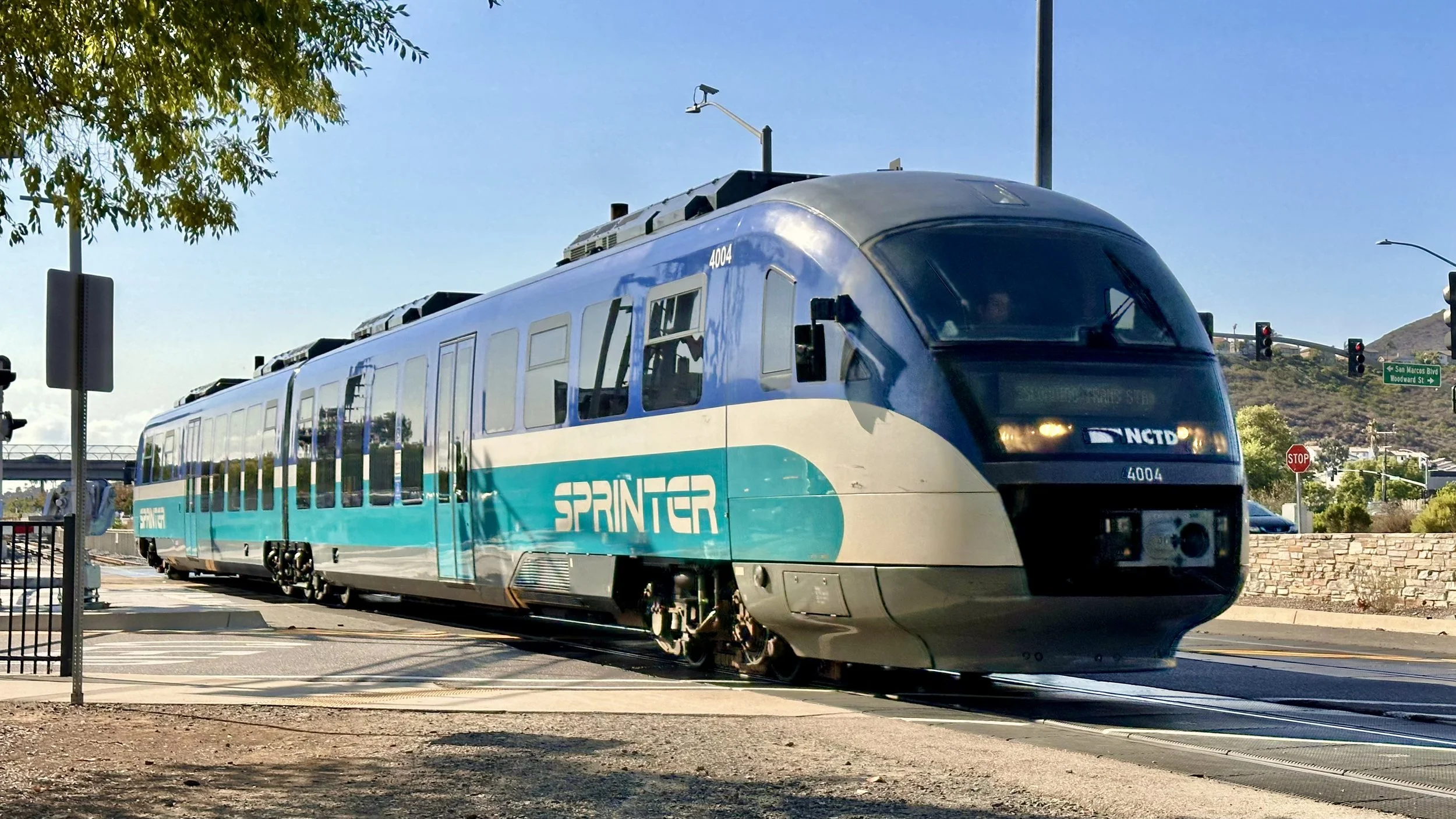
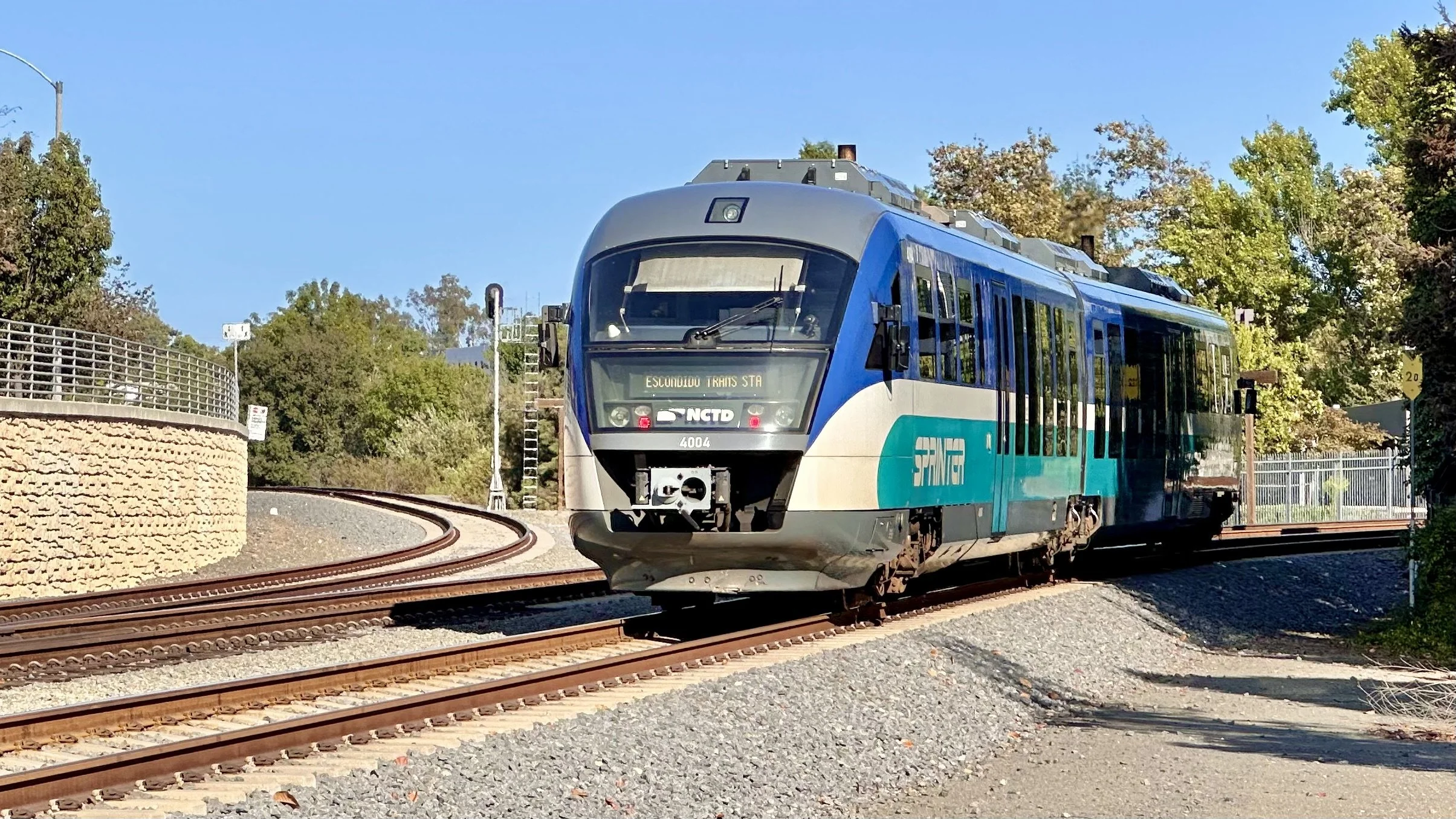
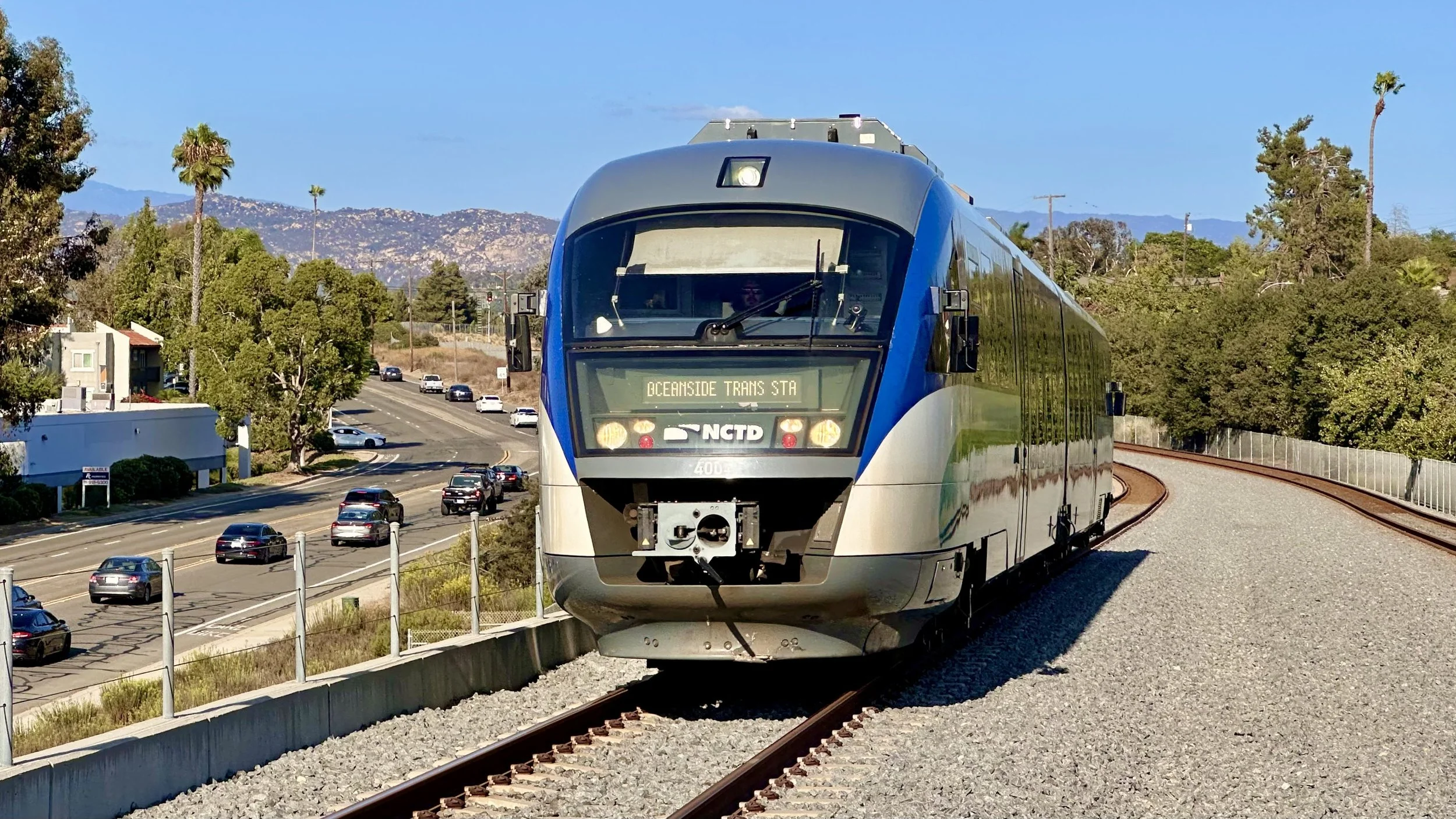
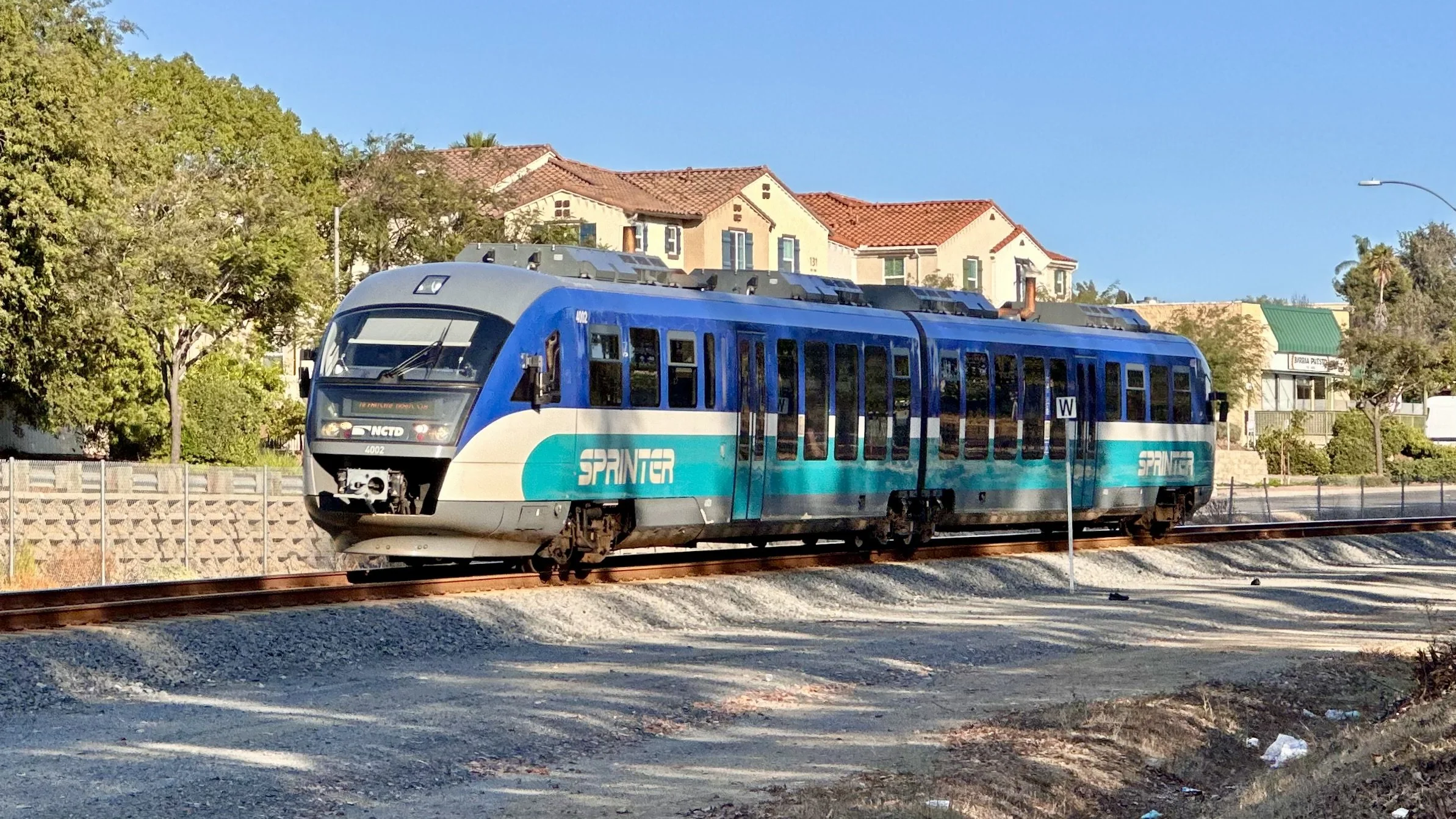
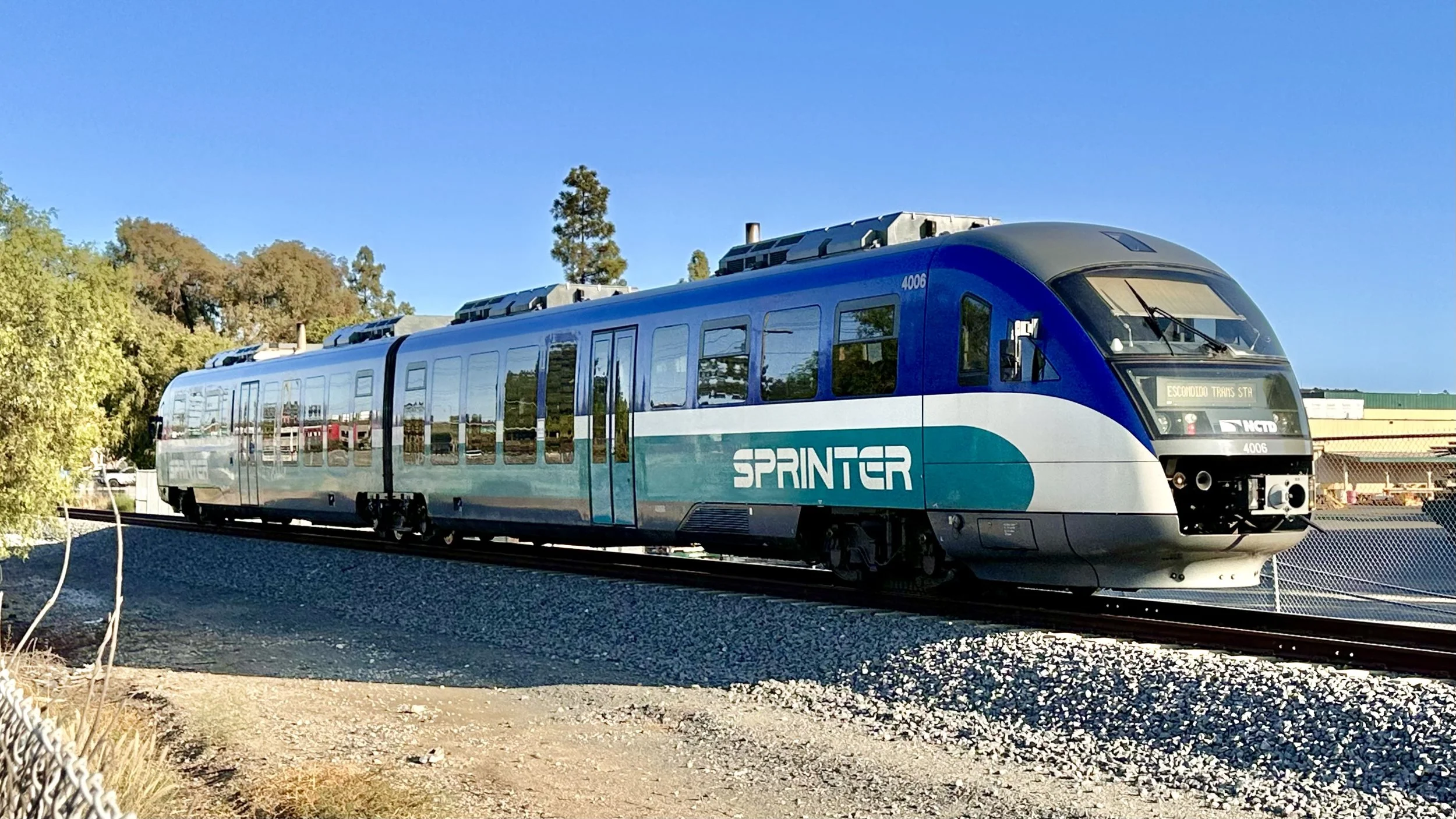
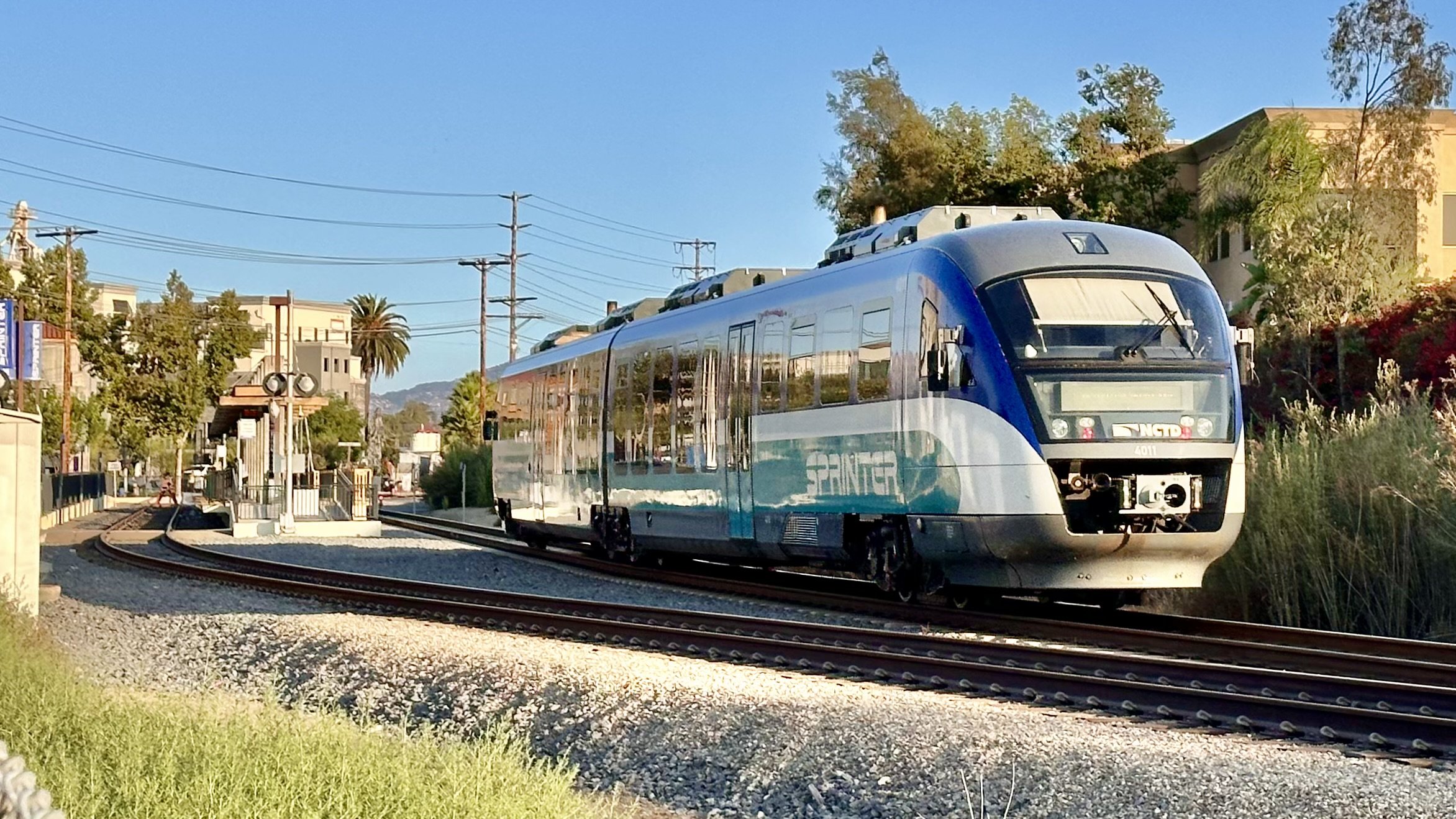
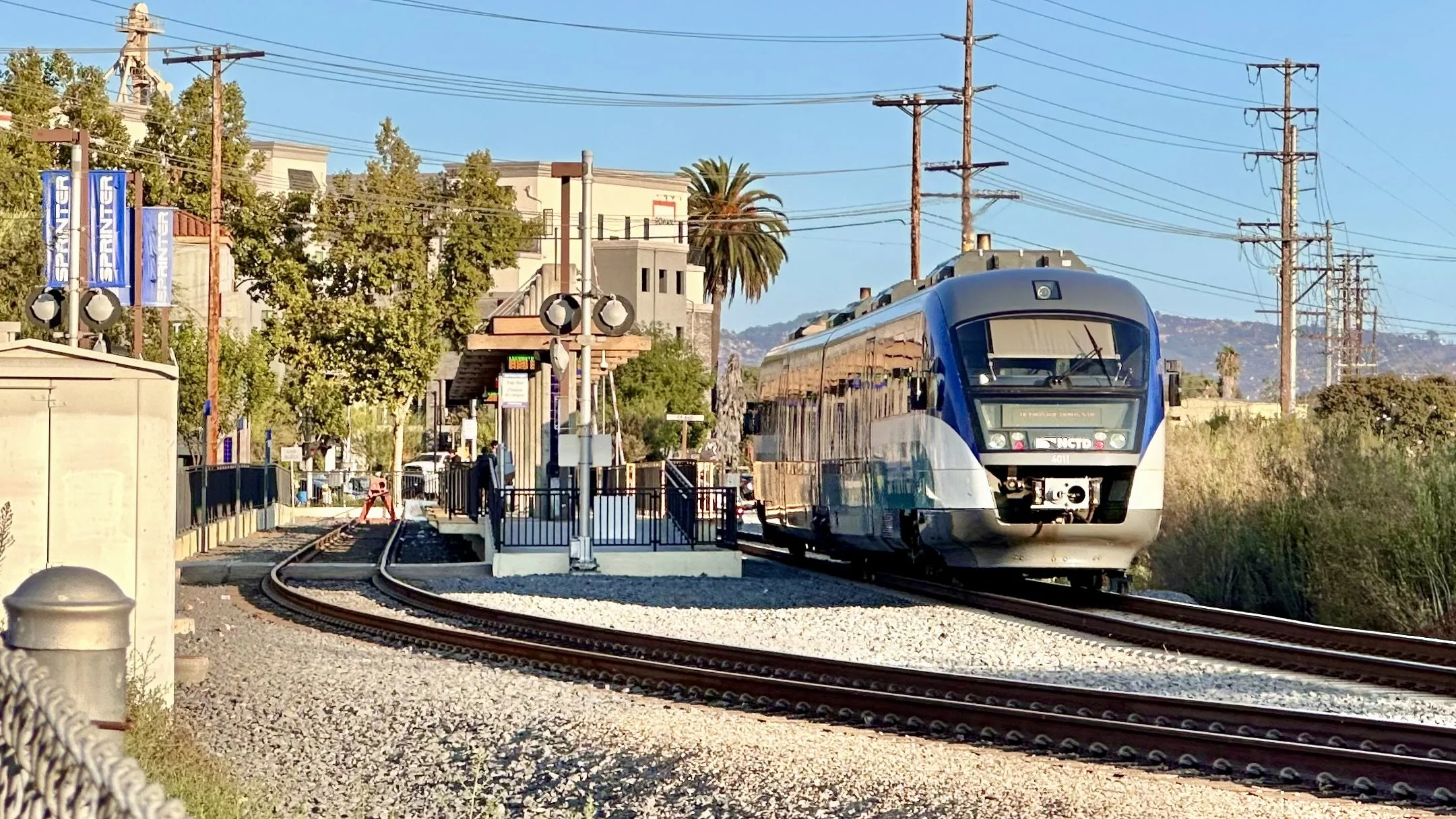
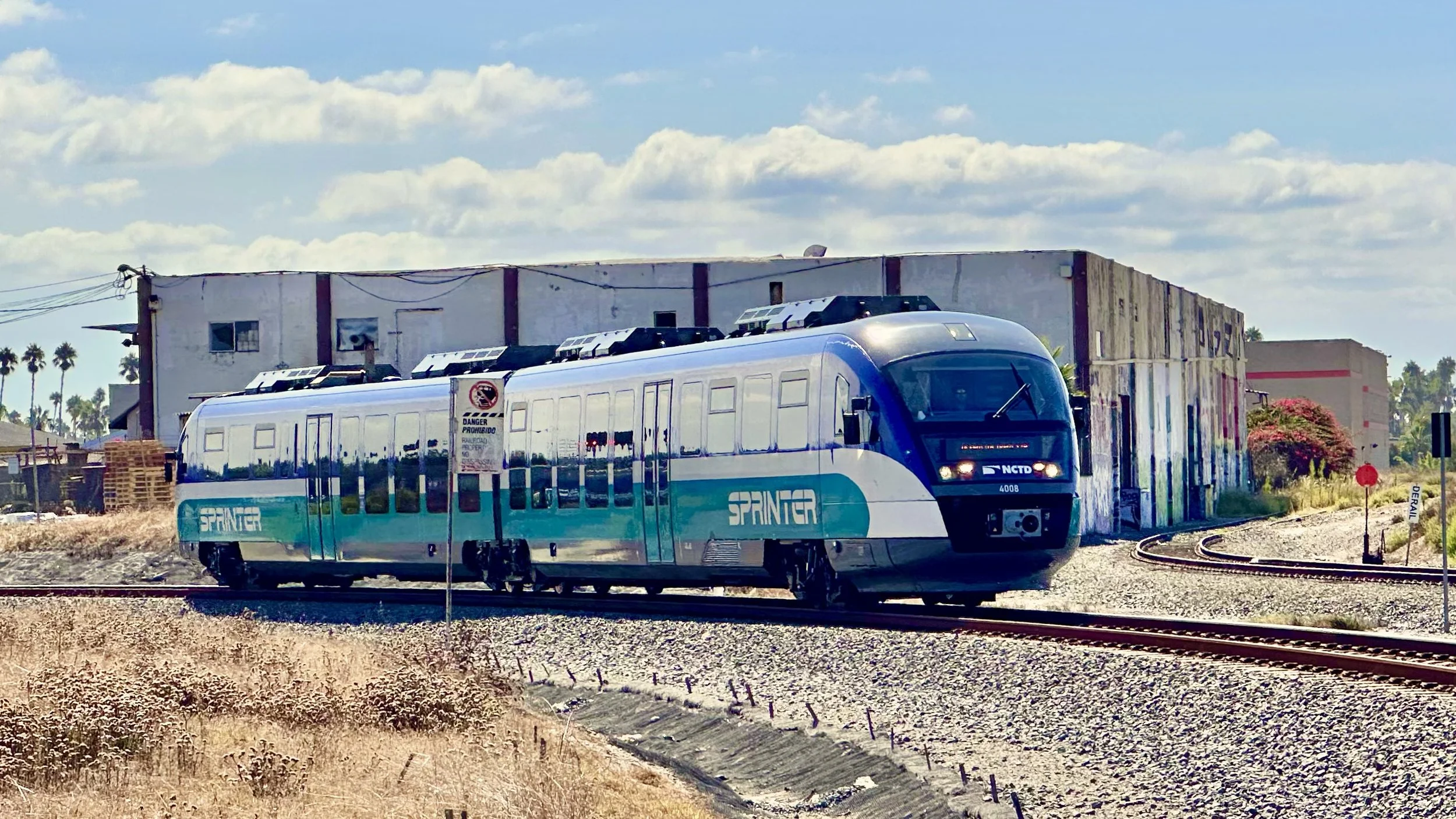
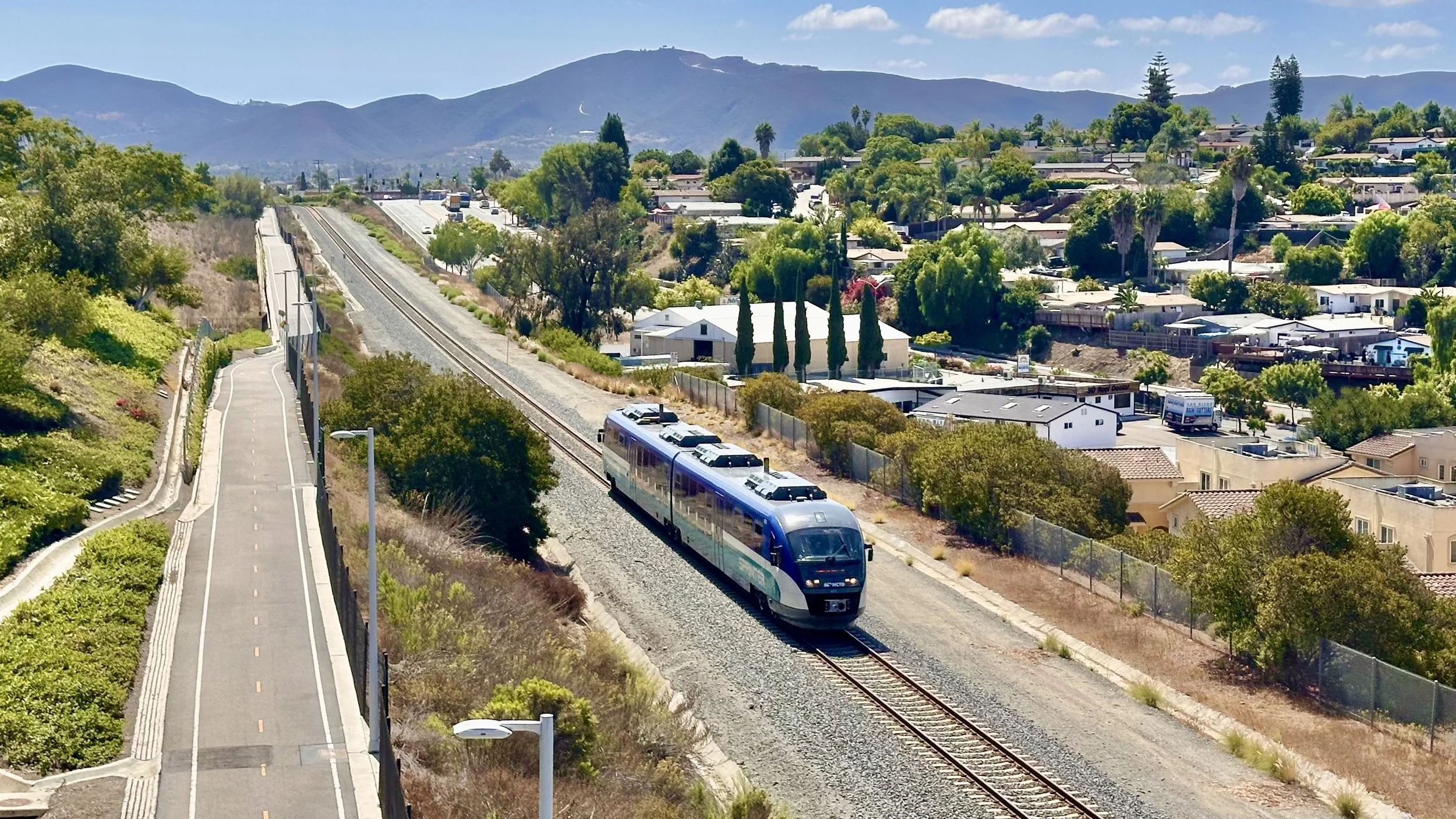
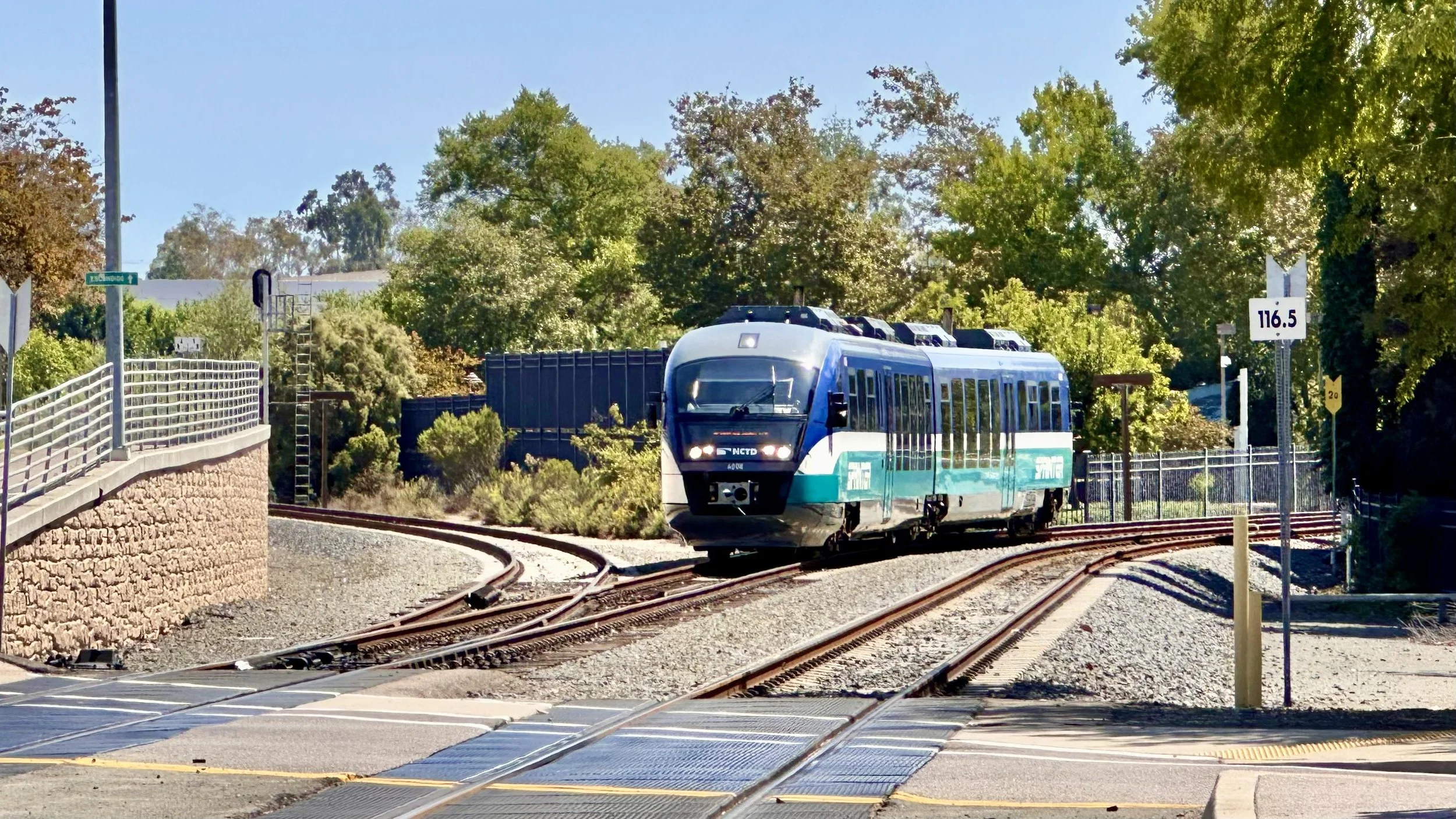
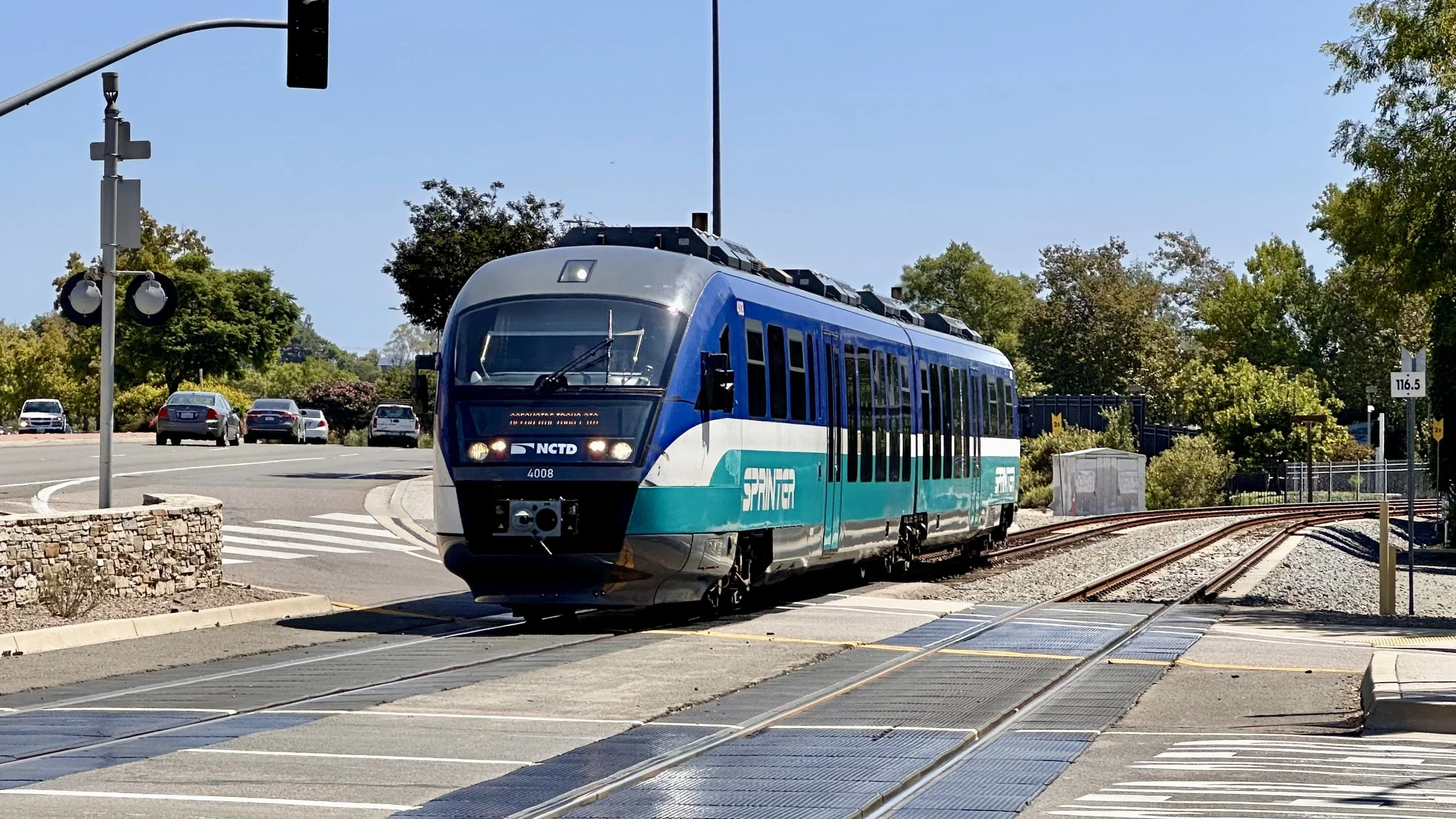
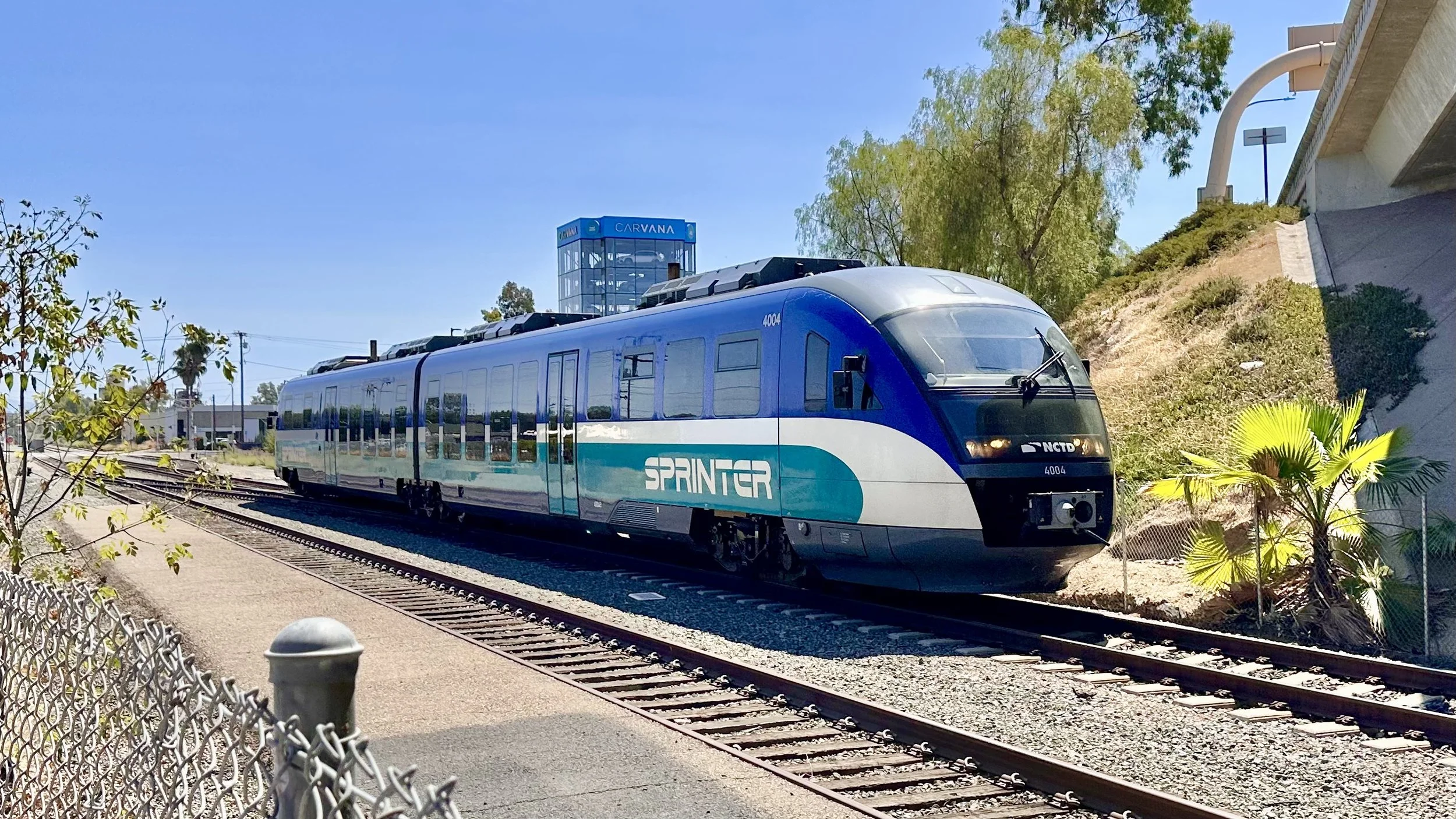
The second US DMU was the Sprinter in 2008 between Escondido and Oceanside in Southern California. Also using vehicles made in Europe – this time Siemens Desiros, most classically found on rural German train lines – the Sprinter took over an old Santa Fe branchline with unexpectedly intense mountainous character. Straight lines and flat grades are in short supply.
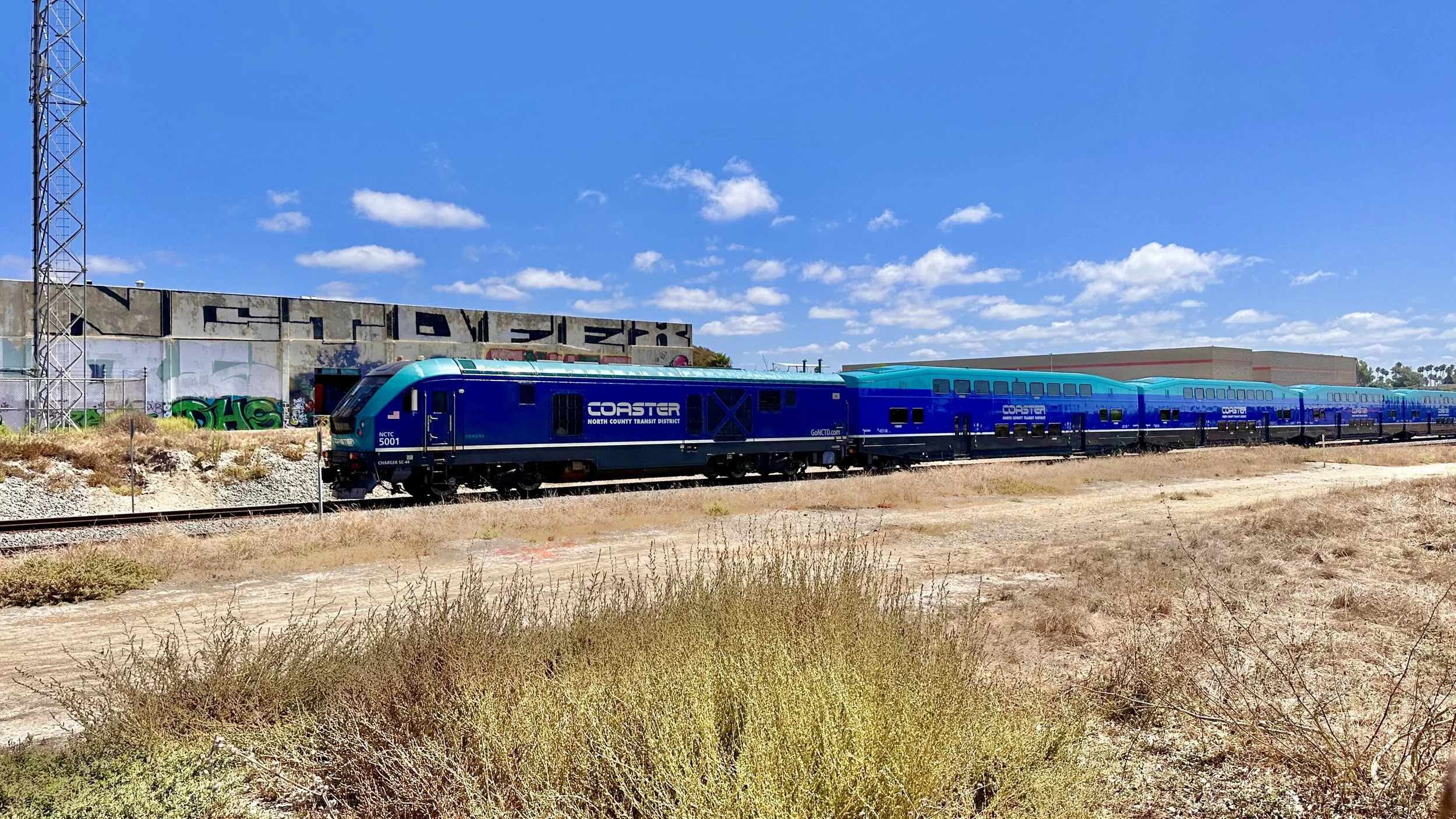
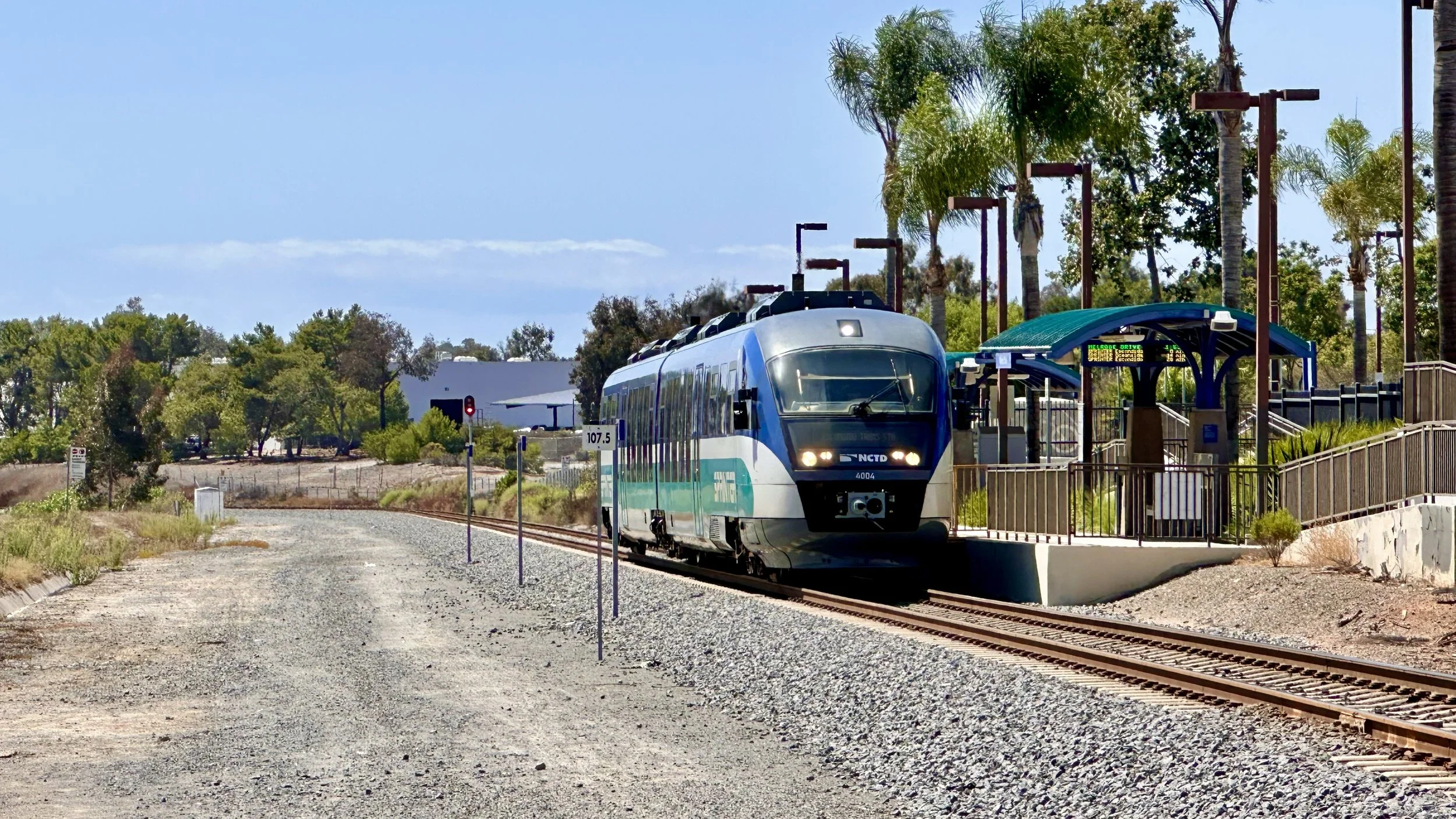
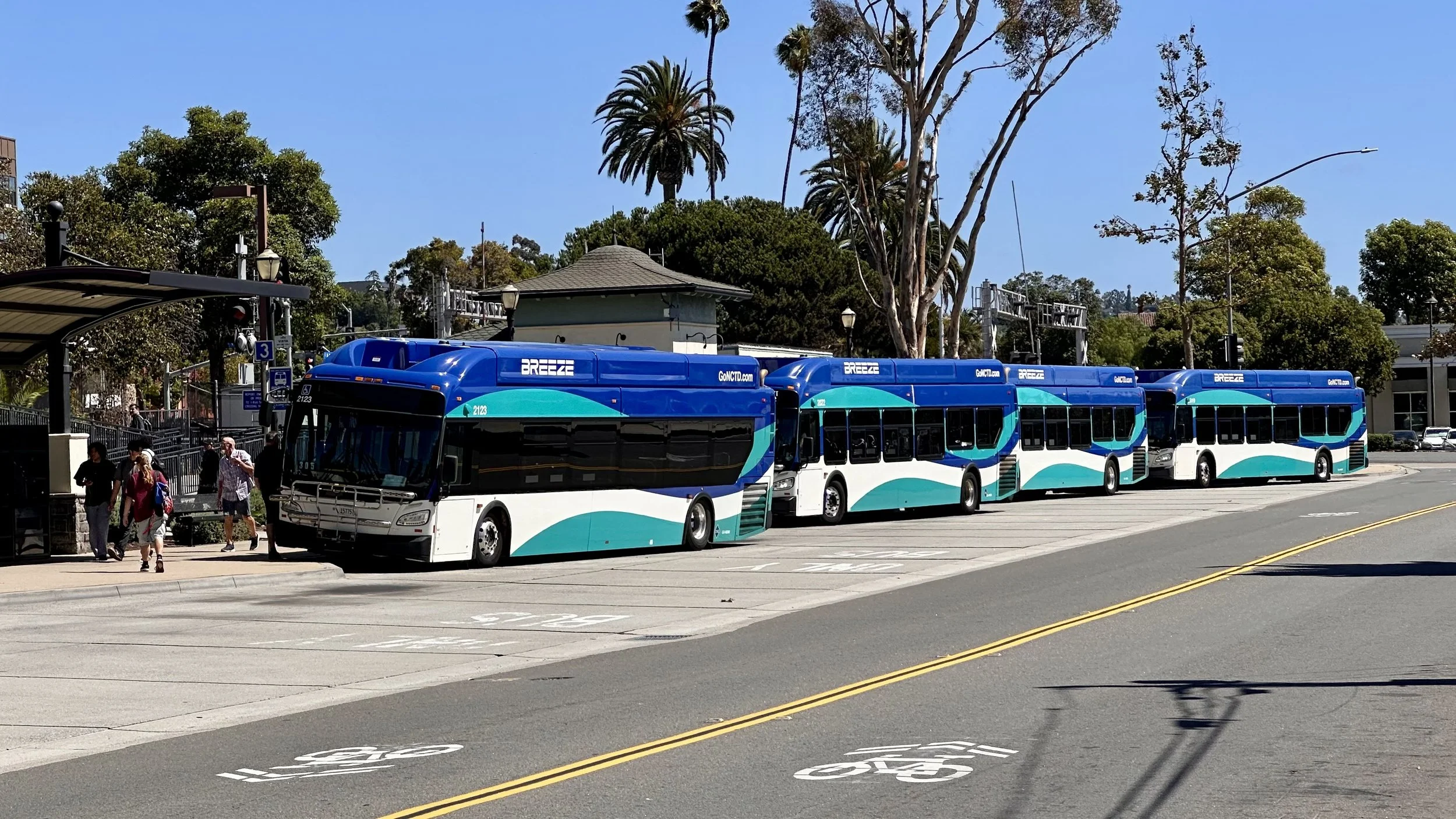
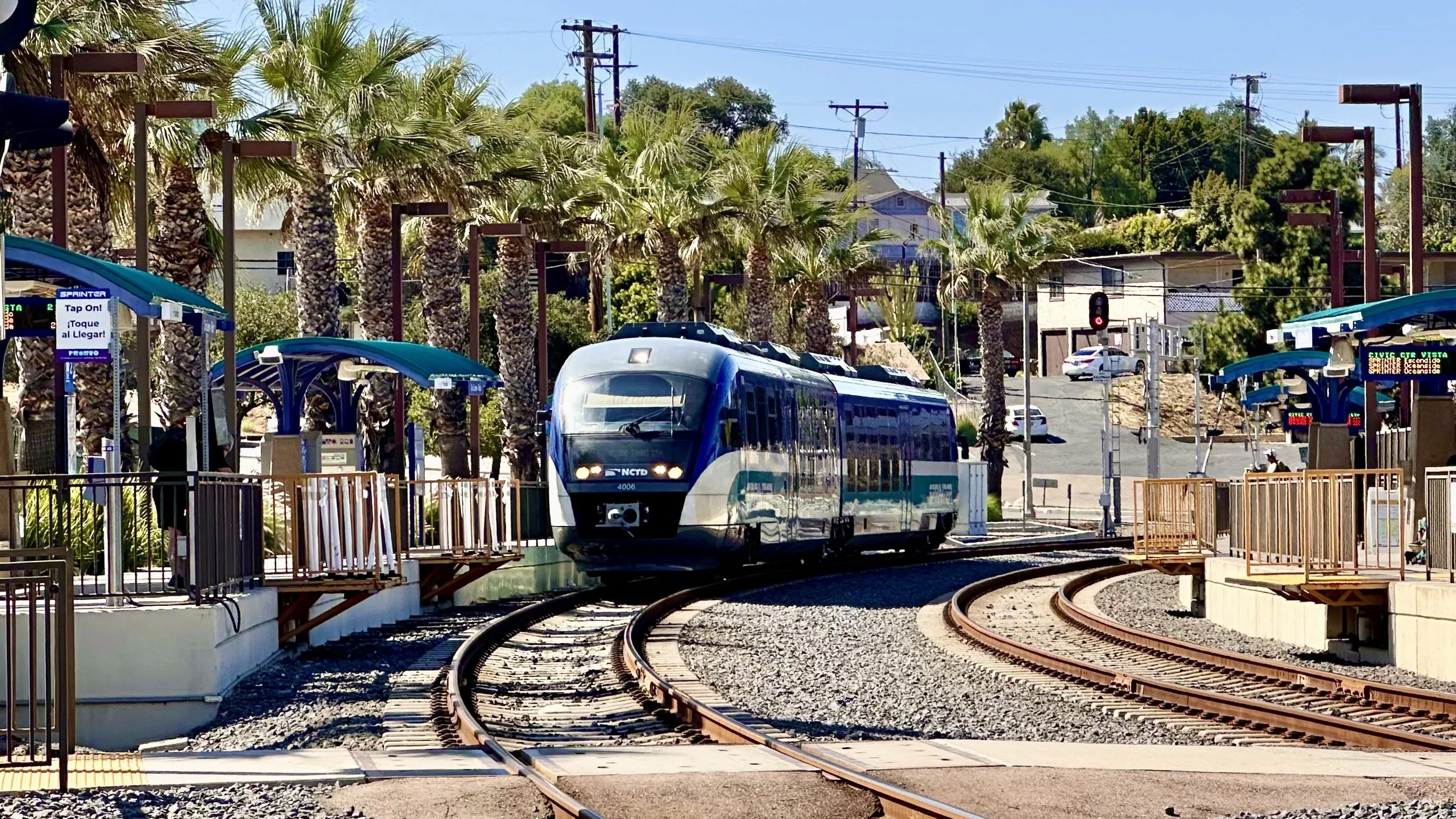
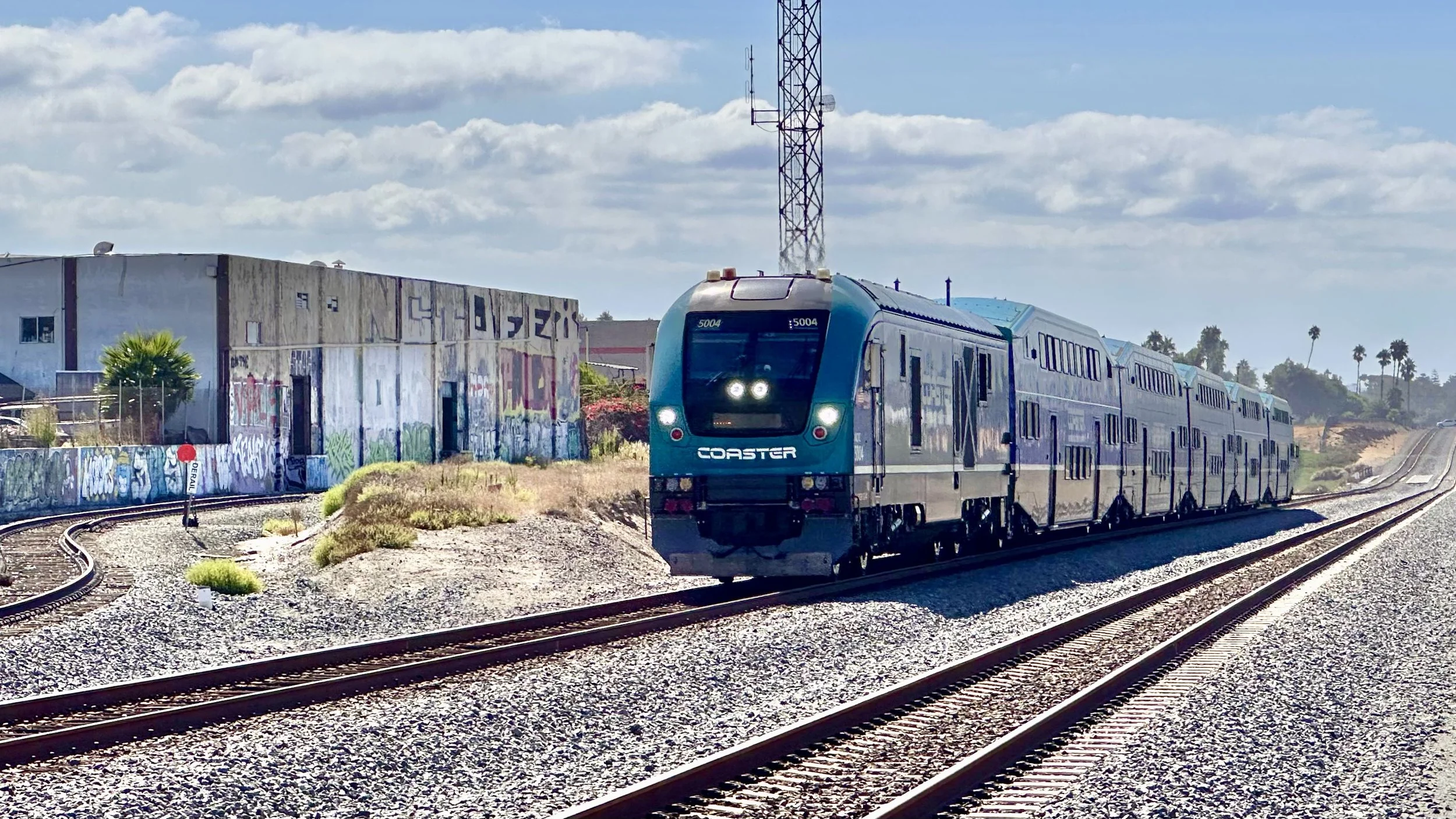
Oceanside is a major node in the region’s rail transit, approximately an hour from San Diego and two from downtown LA, it’s served by Metrolink to LA (with a few daily trips to San Bernardino), NCTD’s Coaster to San Diego, and Amtrak’s Surfliner to both. Due to its long tenure, the region has reoriented itself to make the Sprinter its backbone. Transit-Oriented Developments of modern, attractive apartment buildings are found throughout, particularly in the cute walkable vicinity of Vista’s two stations. Furthermore, almost every station has bus connections timed for convenient transfers to and from the trains.
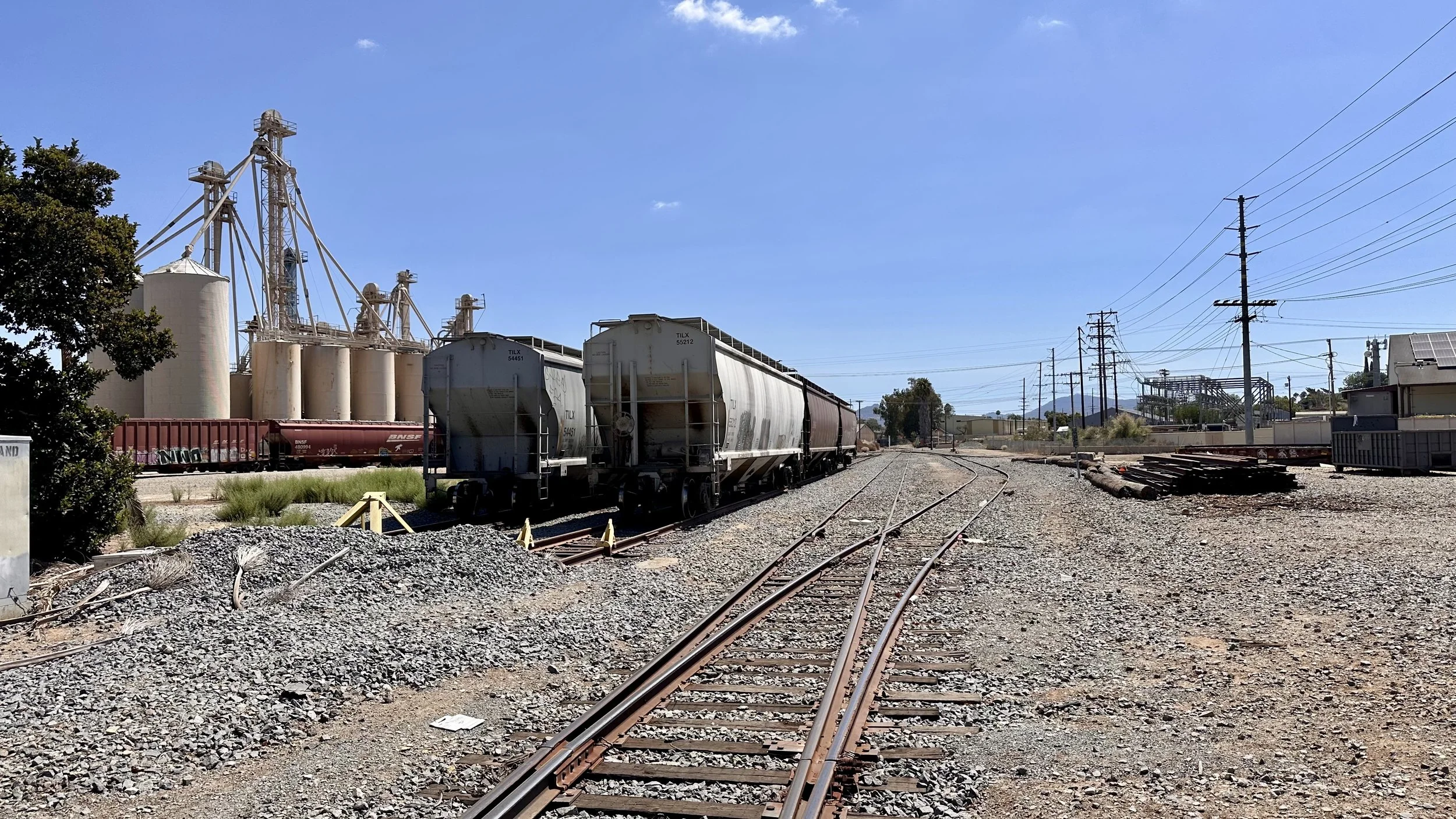
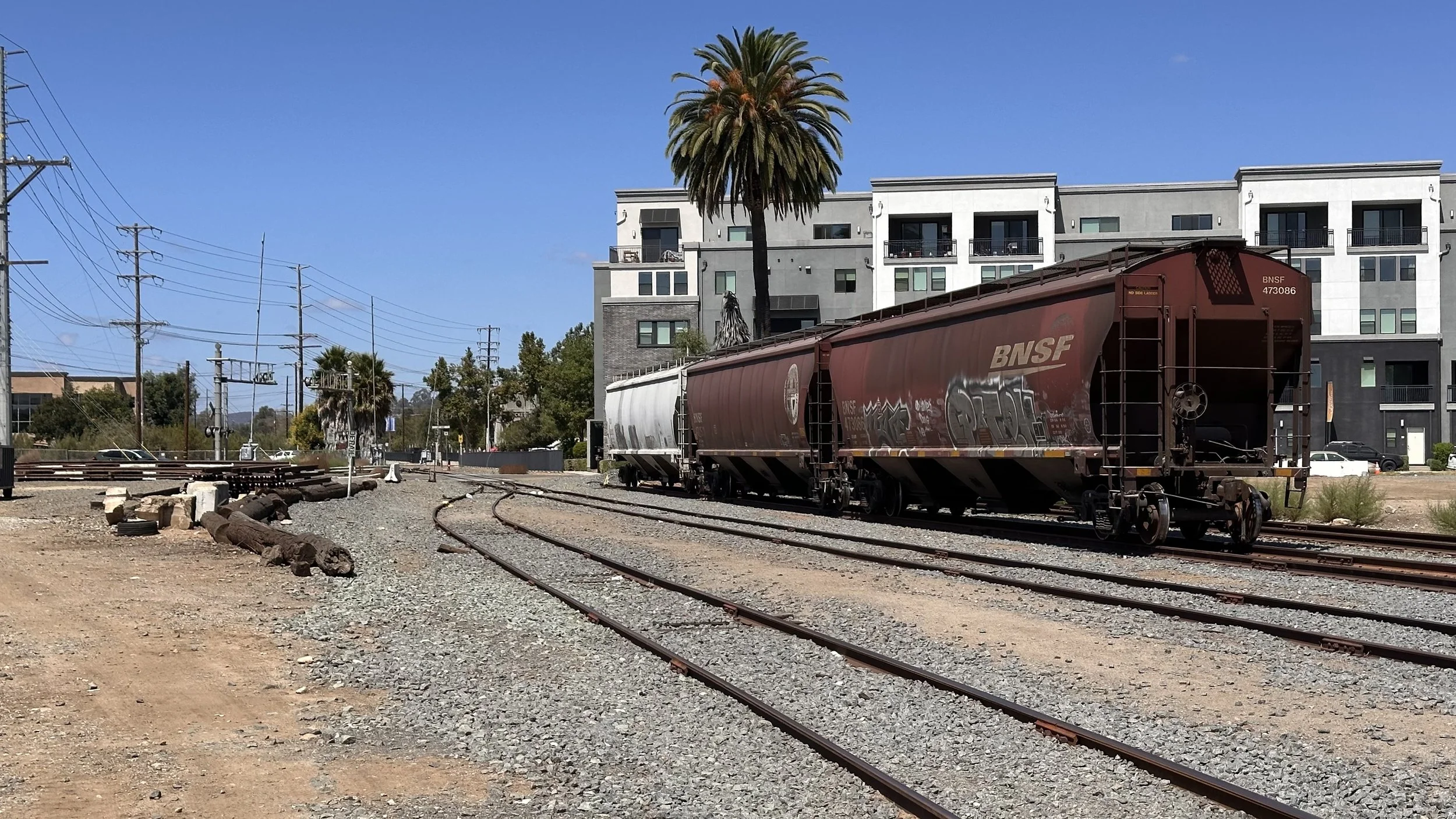
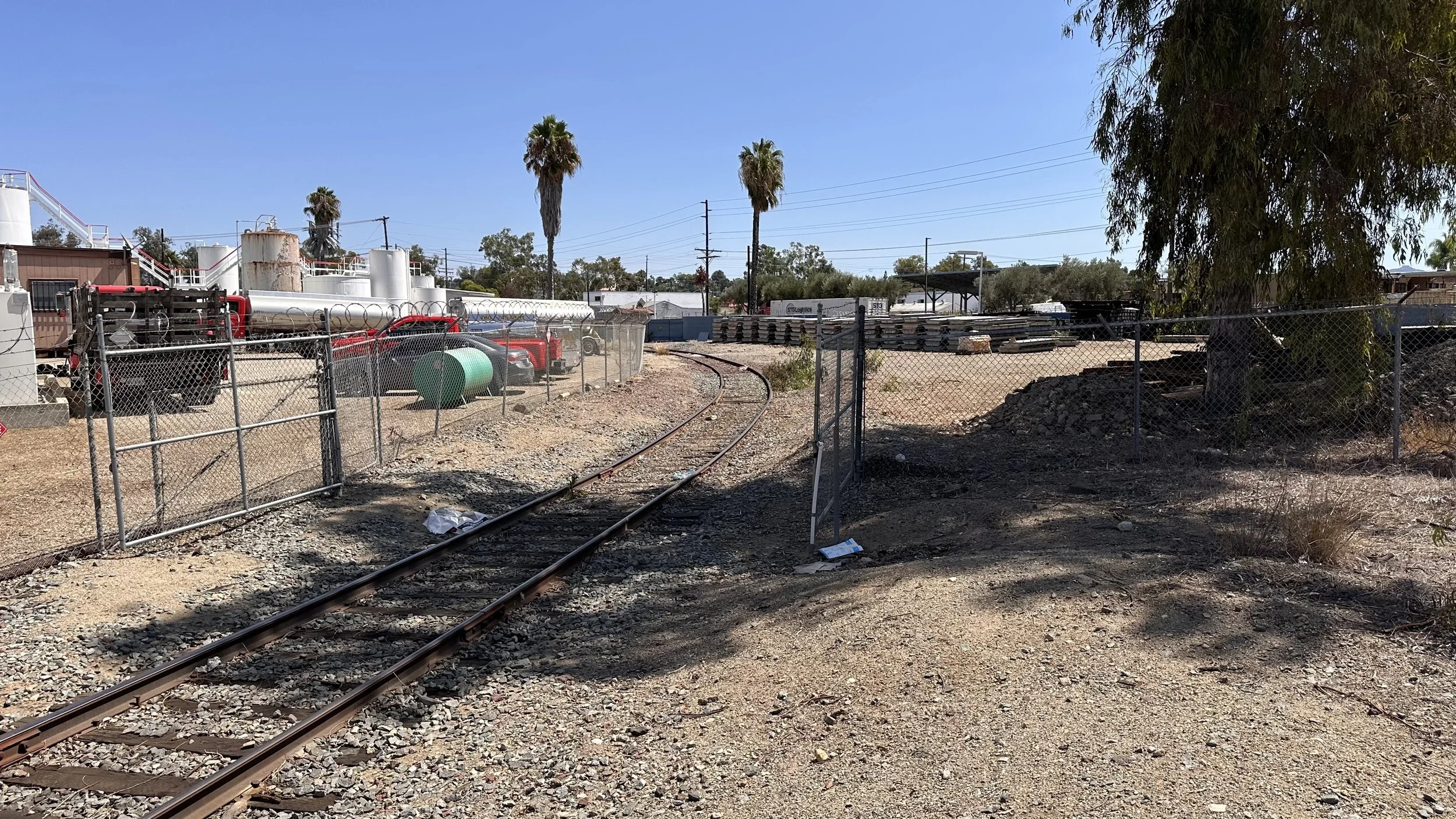
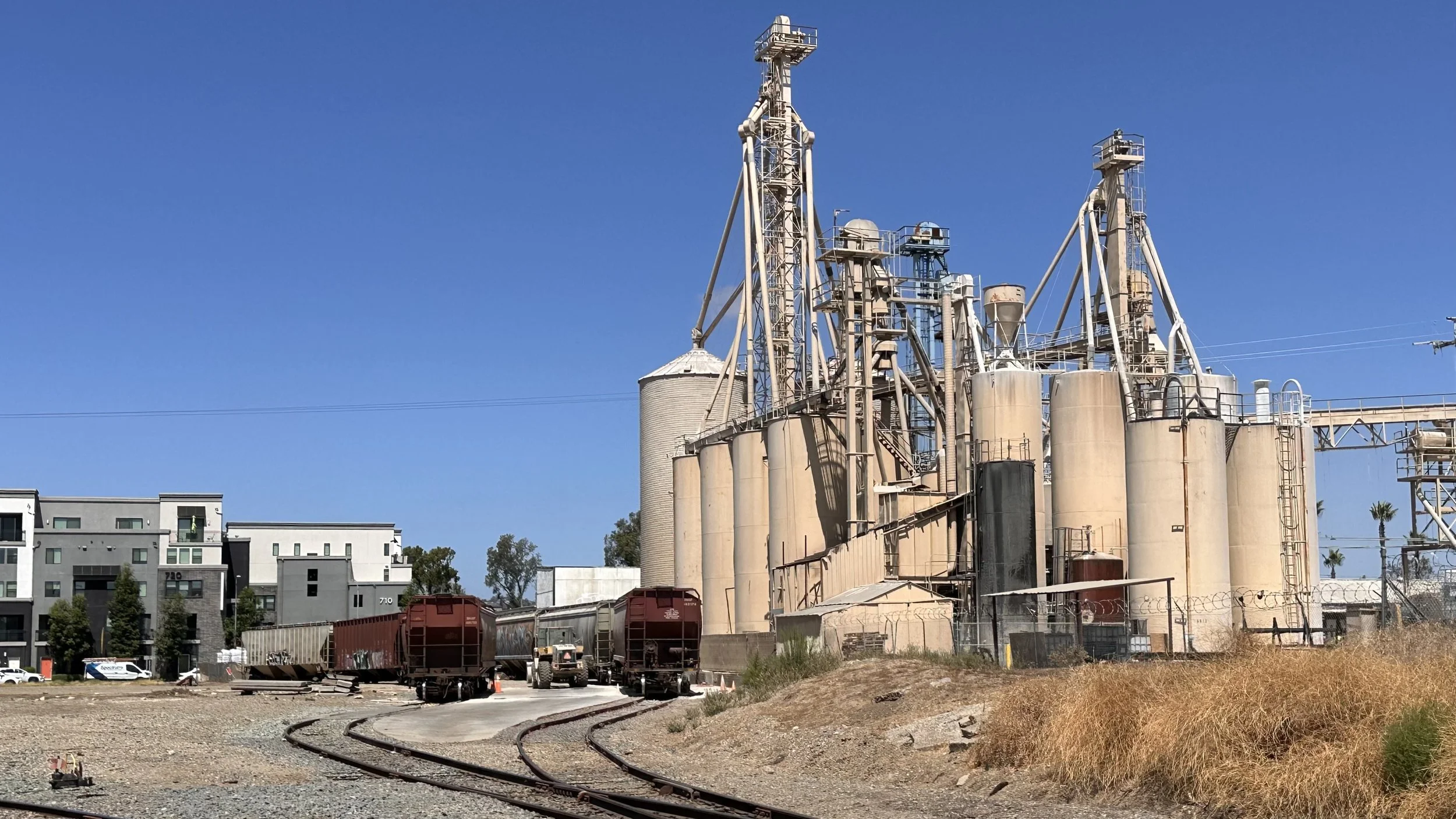
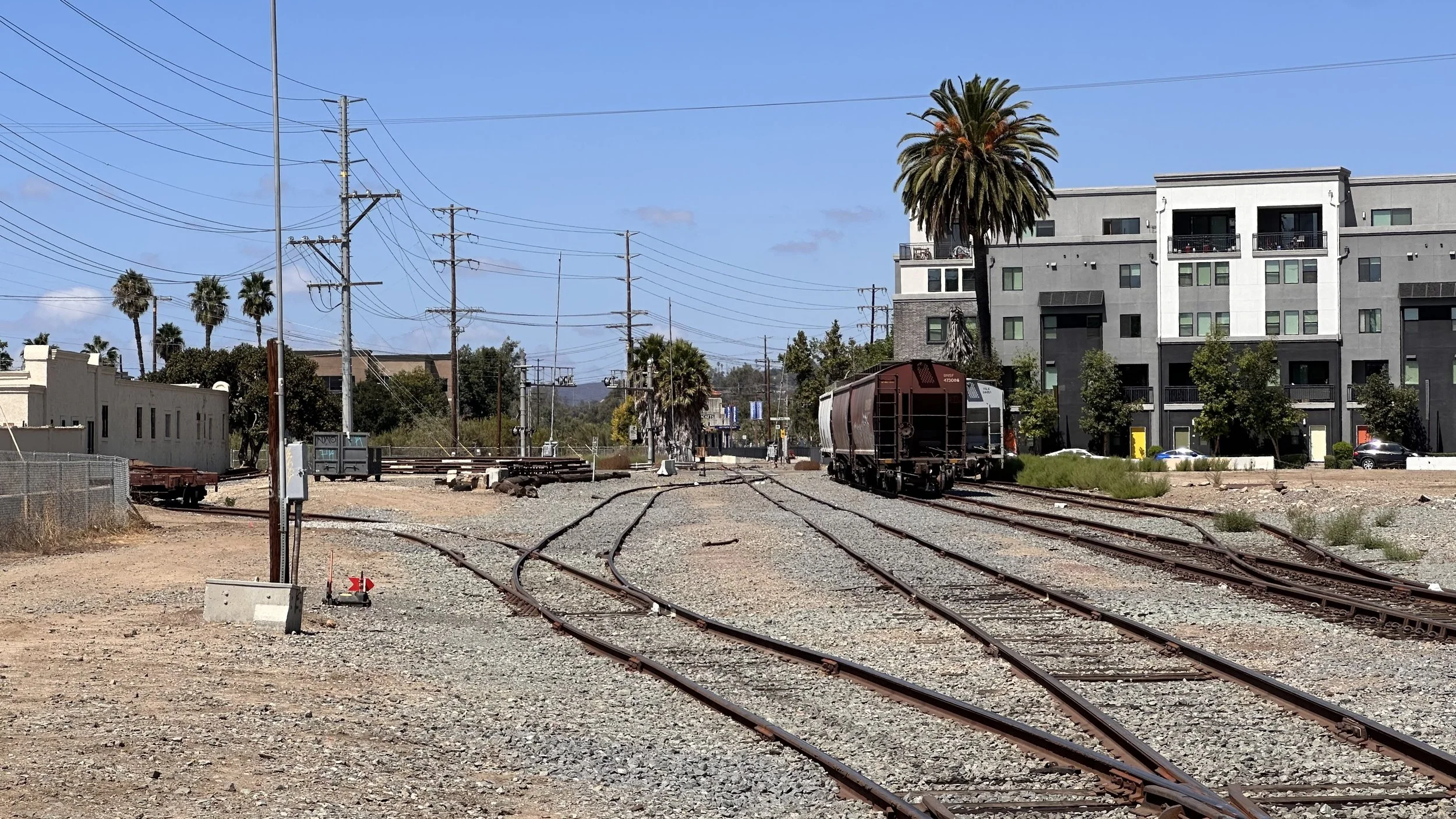
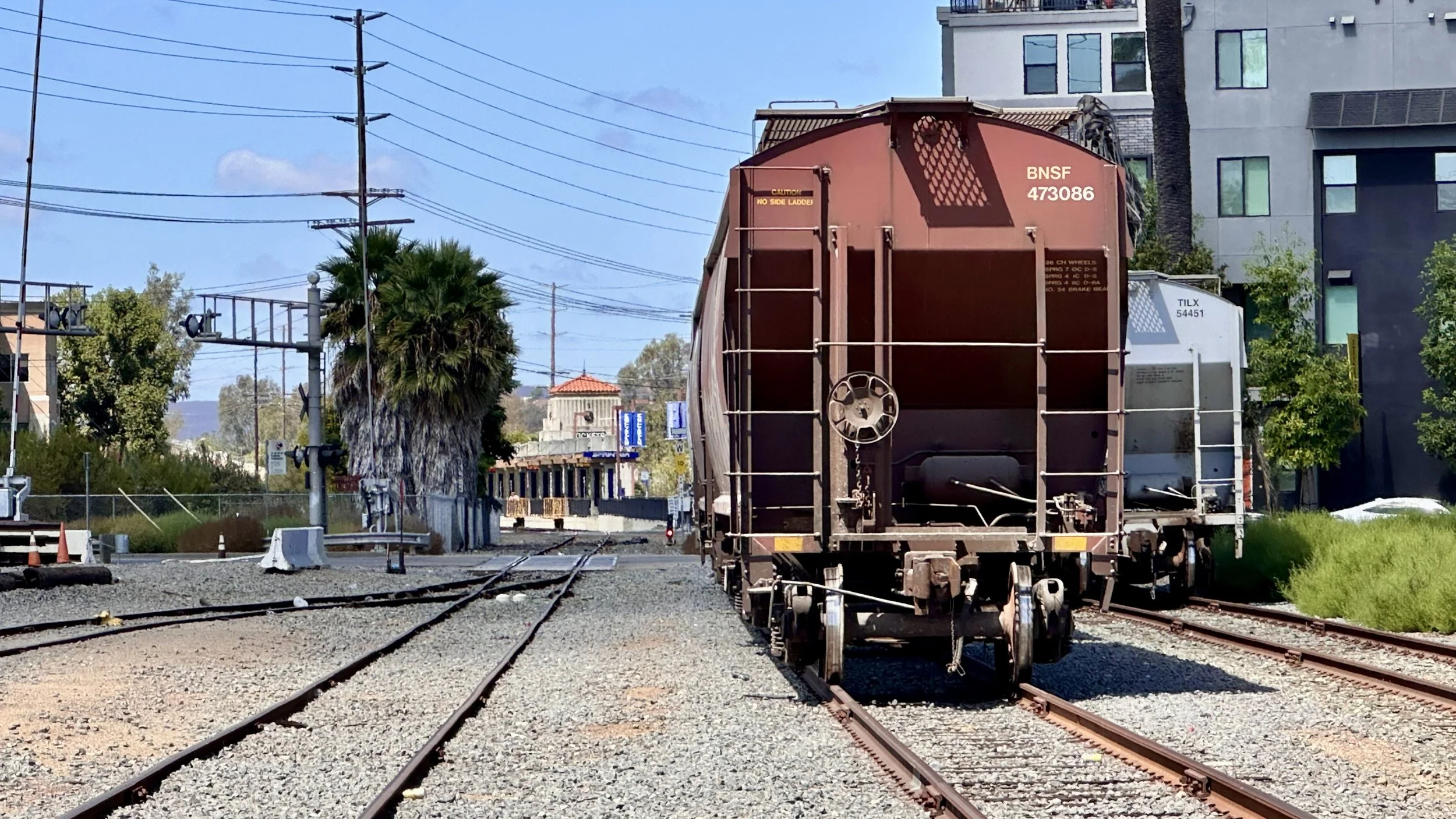
The route is shared with freight trains, but only a few a month to serve the sporadic industry spurs along the line. Notably, there is a divergence mid-route where the DMU takes an elongated double-track concrete viaduct over a highway to an elevated station at Cal State San Marcos then back again, but the freight train keeps the original right of way at ground level and serves a few industries. Most significantly, freight trains carry on two blocks past the end of the line in Escondido to a large seven-track switching puzzle serving a grain elevator, team track, and oil dealer.
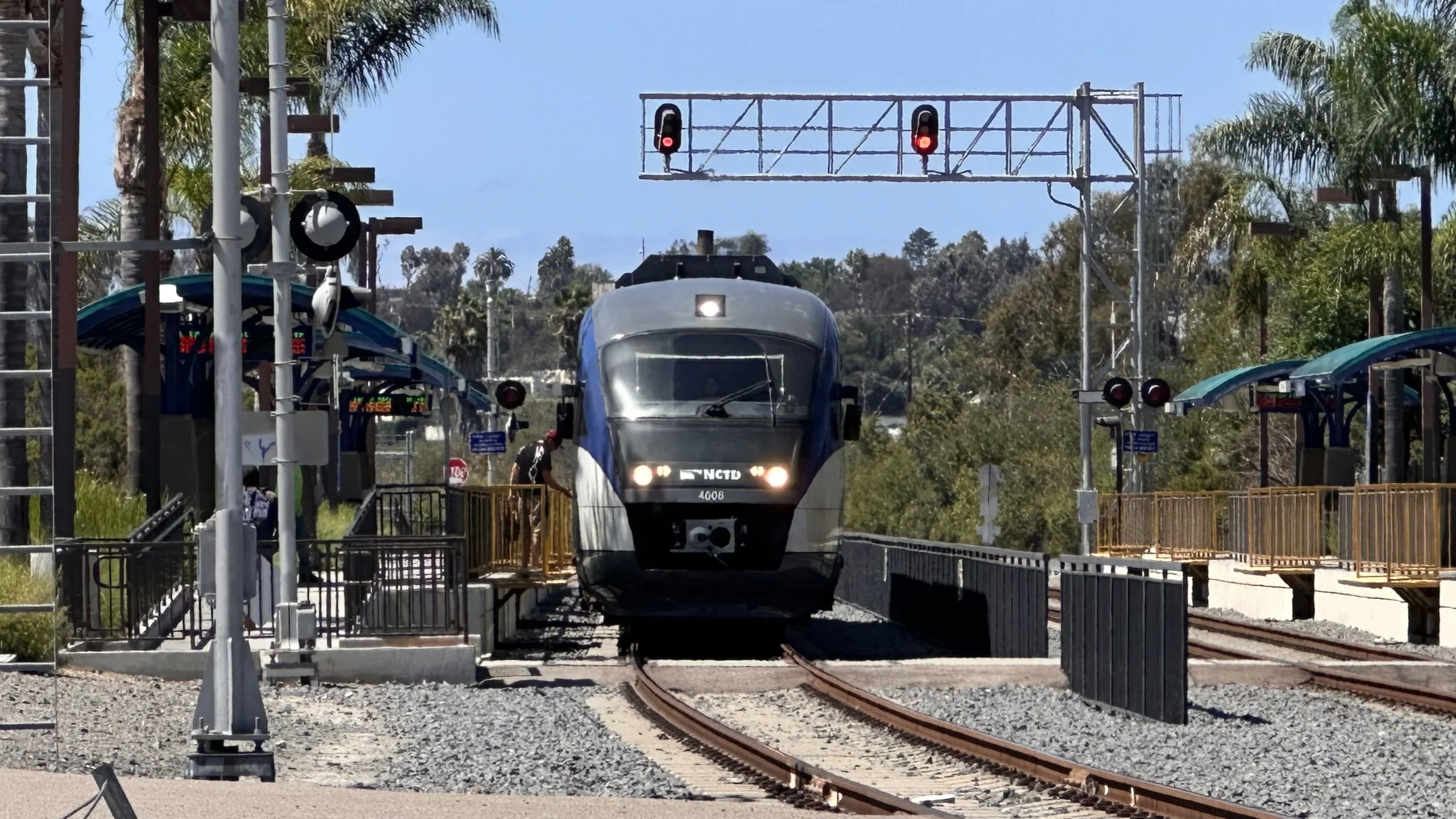
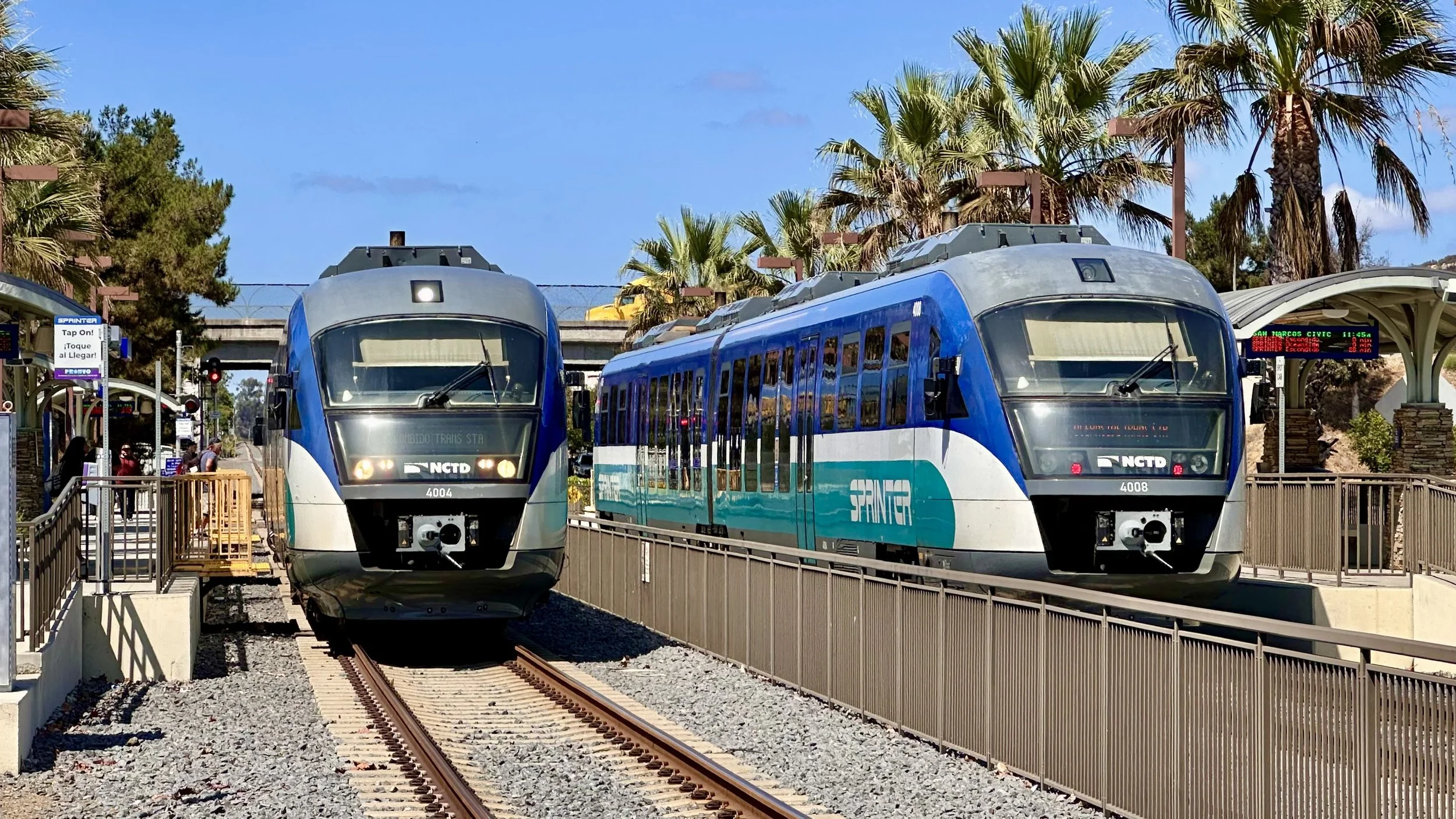
To accommodate freight trains with a wider loading gauge, each platform has yellow gangways that fold up at night allowing freight trains to pass. DMUs historically ran in pairs during peak hours, and platforms are sized to accommodate, but equipment shortages due to aging vehicles currently preclude this. Headways are half-hourly, and almost precisely half the line is double-tracked. The Sprinter also has long portions of its route paralleled by bike trails (primarily on its eastern half), making use of the right of way’s low grades to provide regional bicycle connections. Construction is underway to extend the trails further along the DMU’s route.
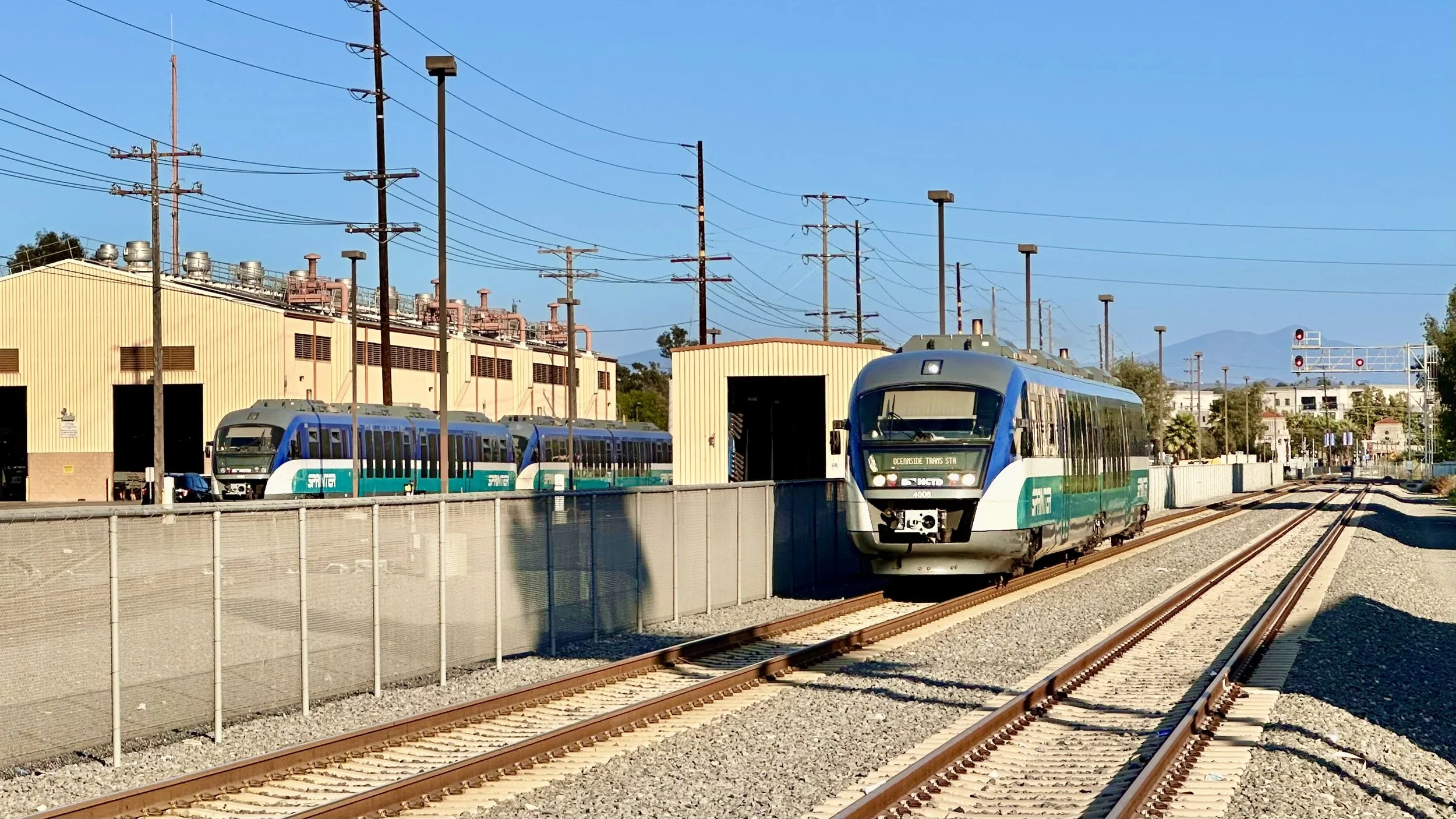
As far as modeling goes, the Sprinter is the easiest to pull off given Piko’s recent offering of DCC Sound Sprinter Desiros in HO Scale, and the relative abundance of Desiro models in other scales for European prototypes. However, the line is much quieter on the freight front and is unlikely to justify a model railroad larger than a small room. The Sprinter’s infrastructure is very pike-sized, with an incredibly modelable Operations and Maintenance Facility (OMF) and Escondido switching puzzle capable of easily fitting on a 4x8 or a narrow shelf layout. Overall, the Sprinter is a spectacular example of DMUs in action, turning underutilized freight lines into regionally-important frequent transit routes, and demonstrating how passenger railroading prototypically fits on even the smallest switching layouts.