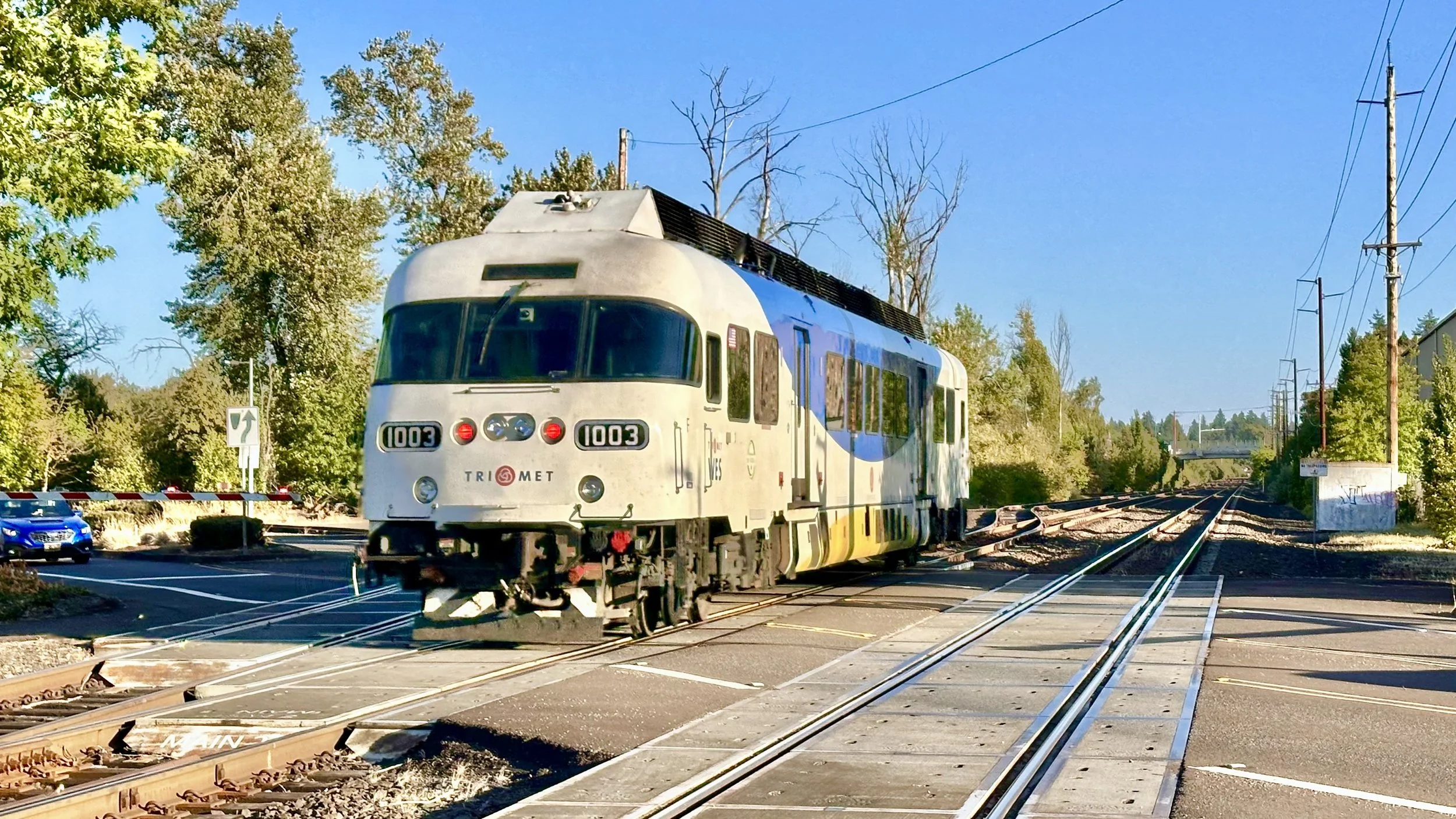
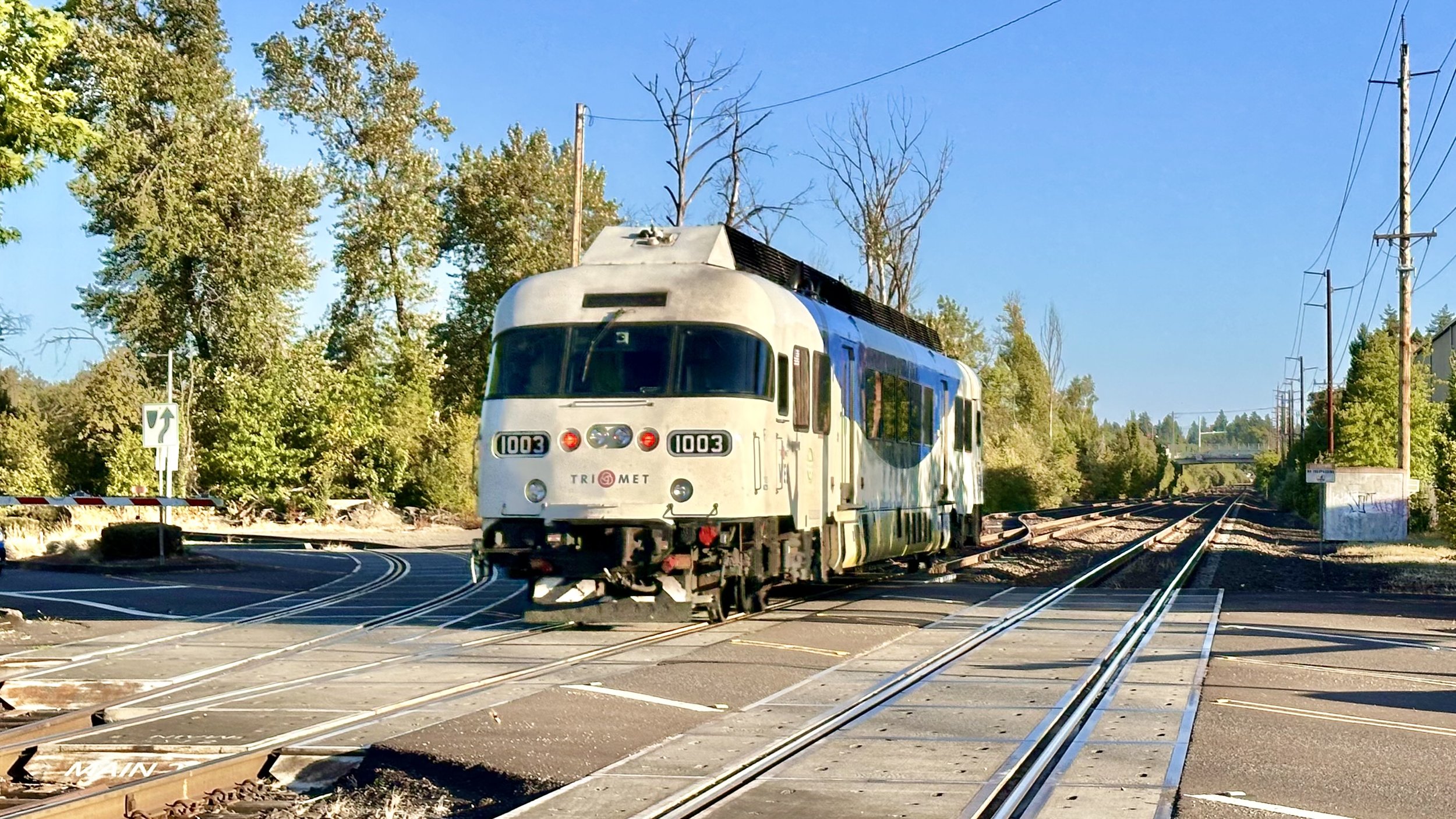
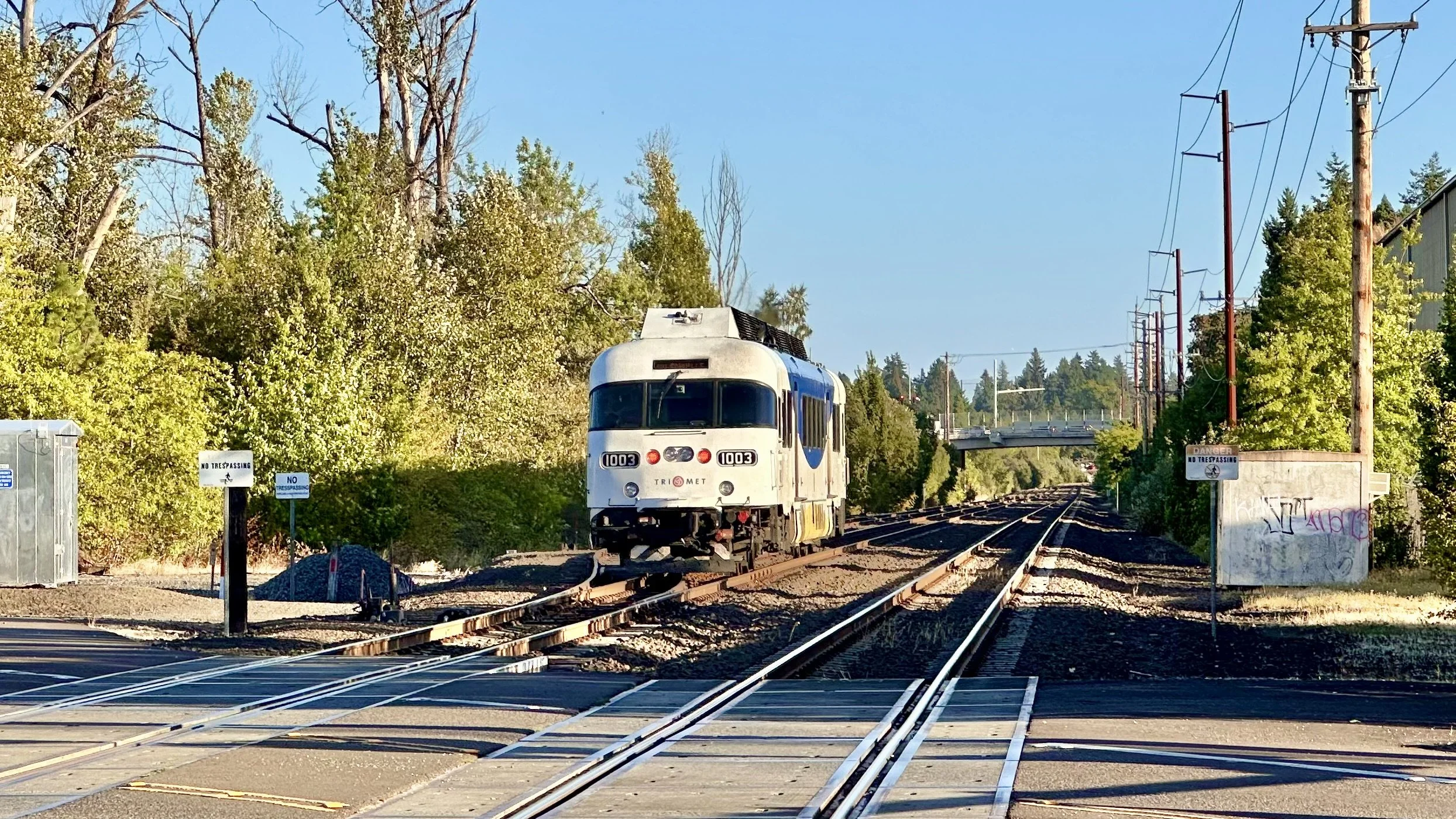
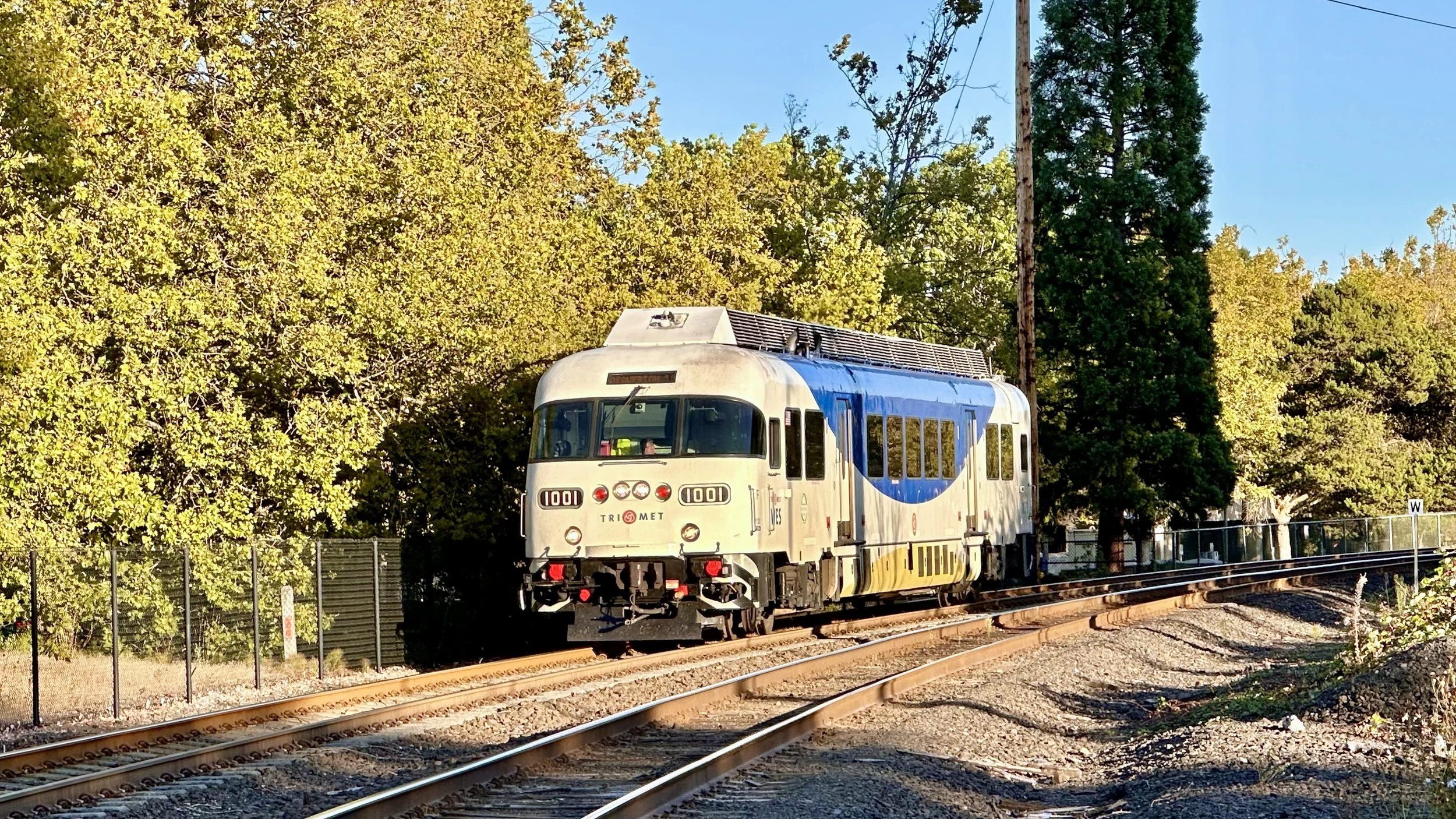
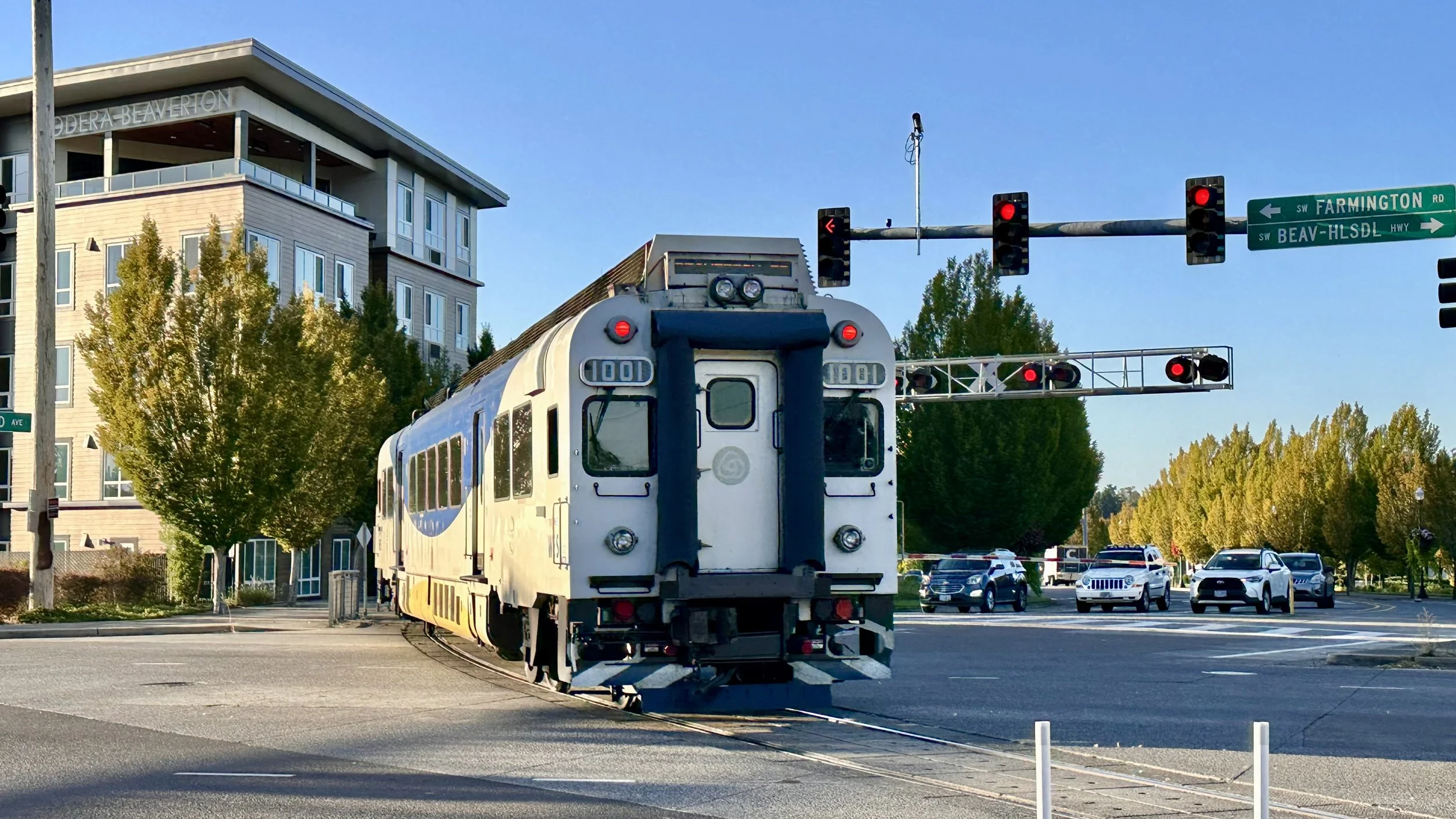
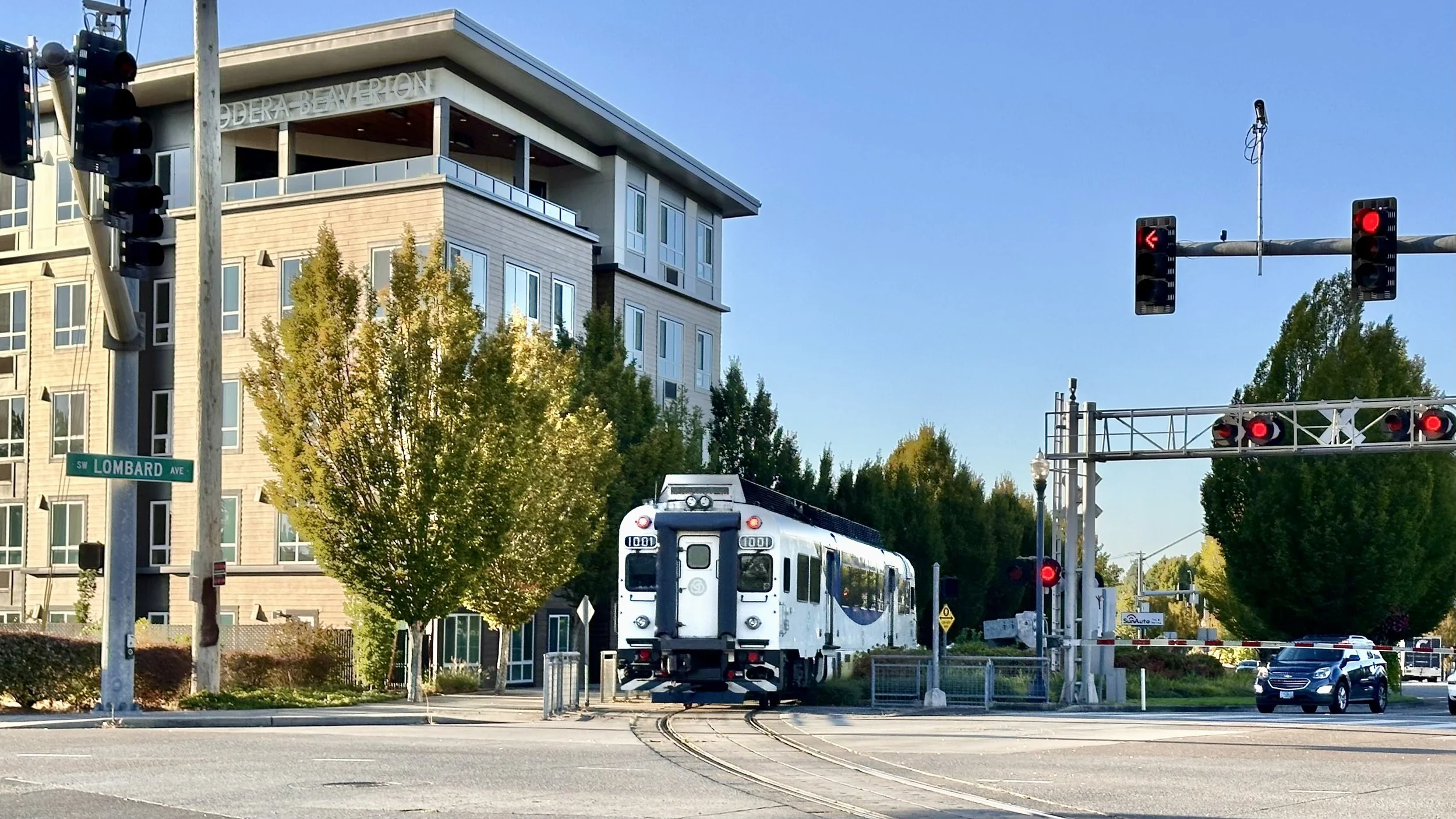
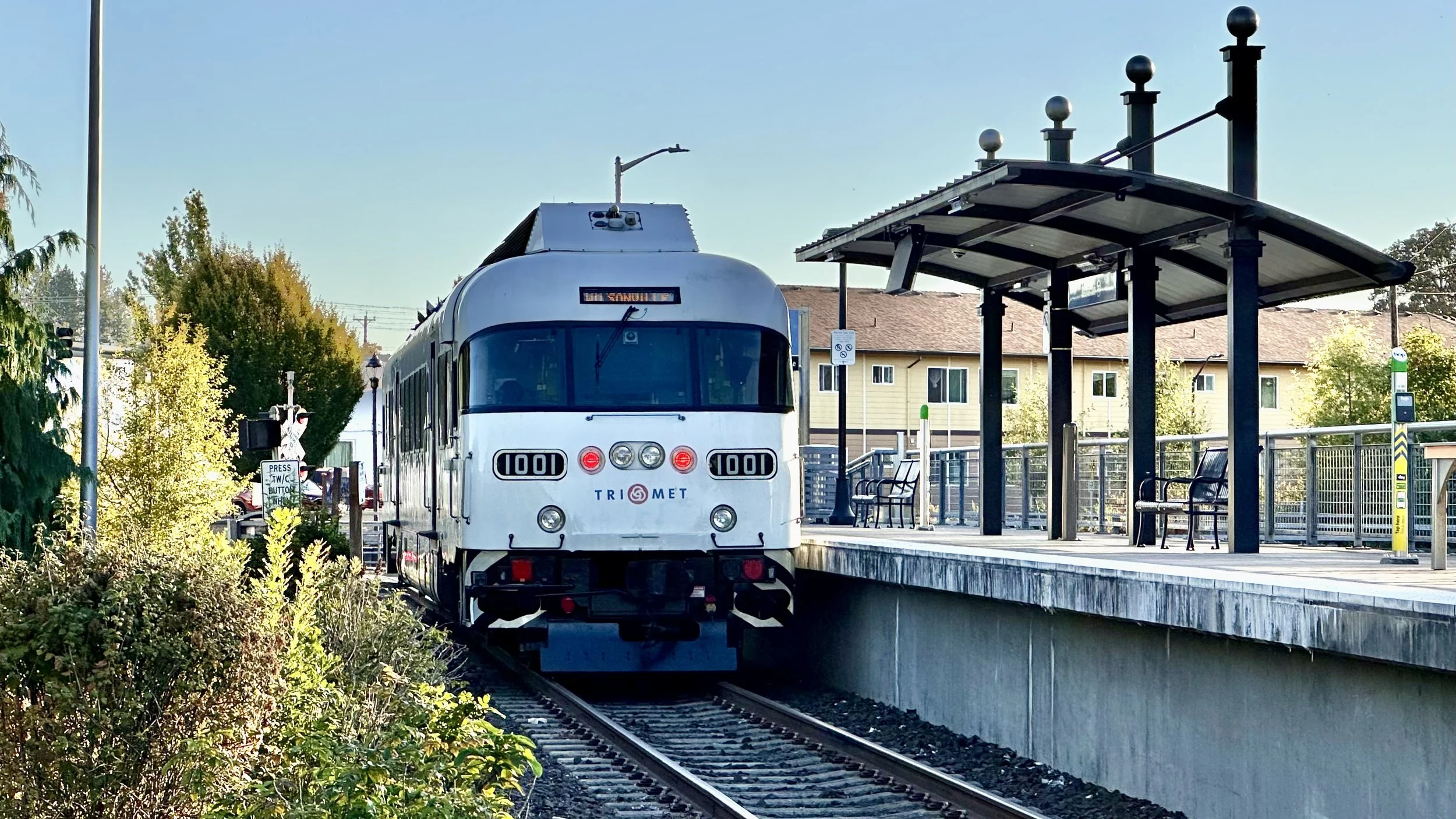
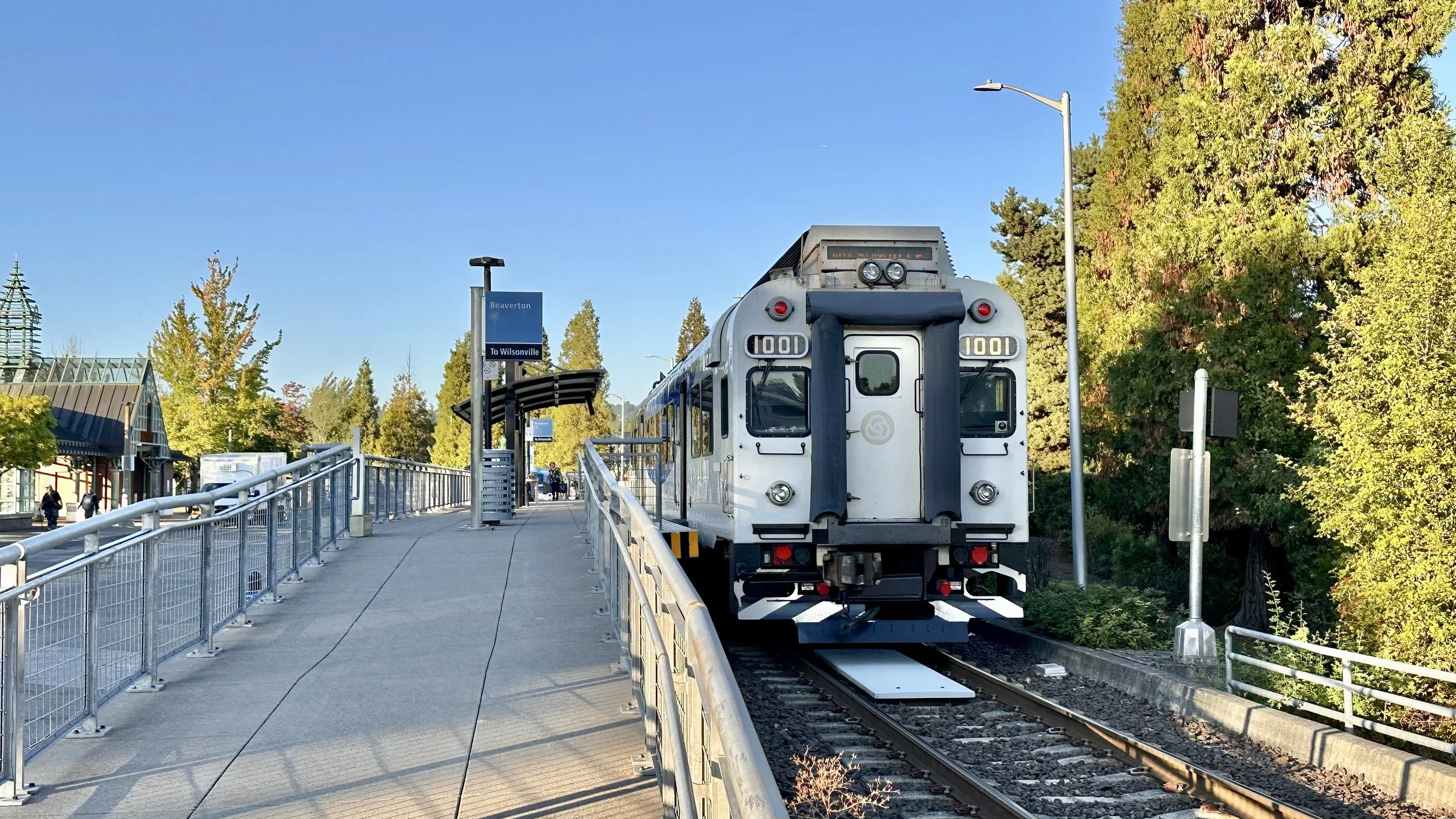
Trimet WES
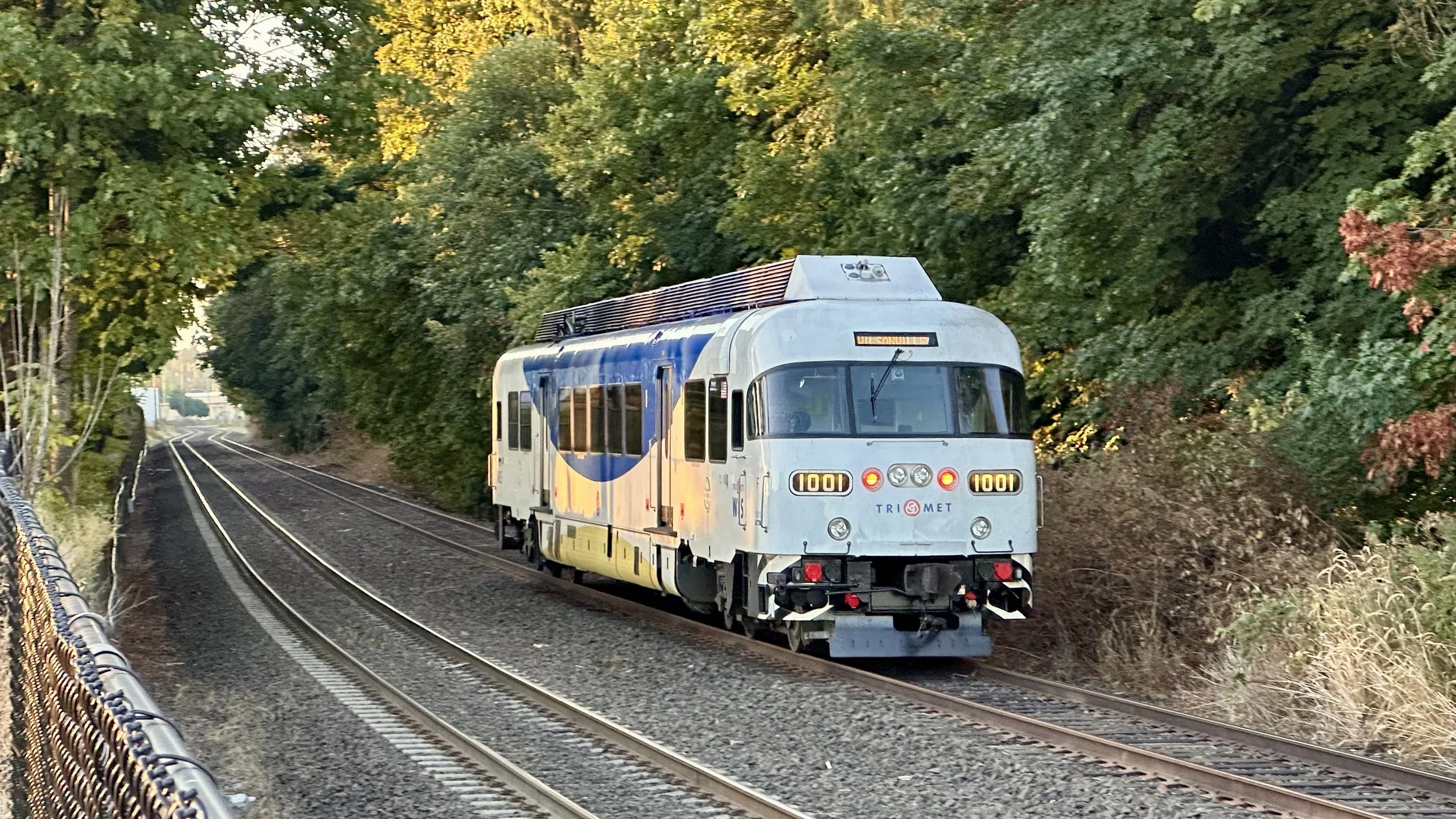
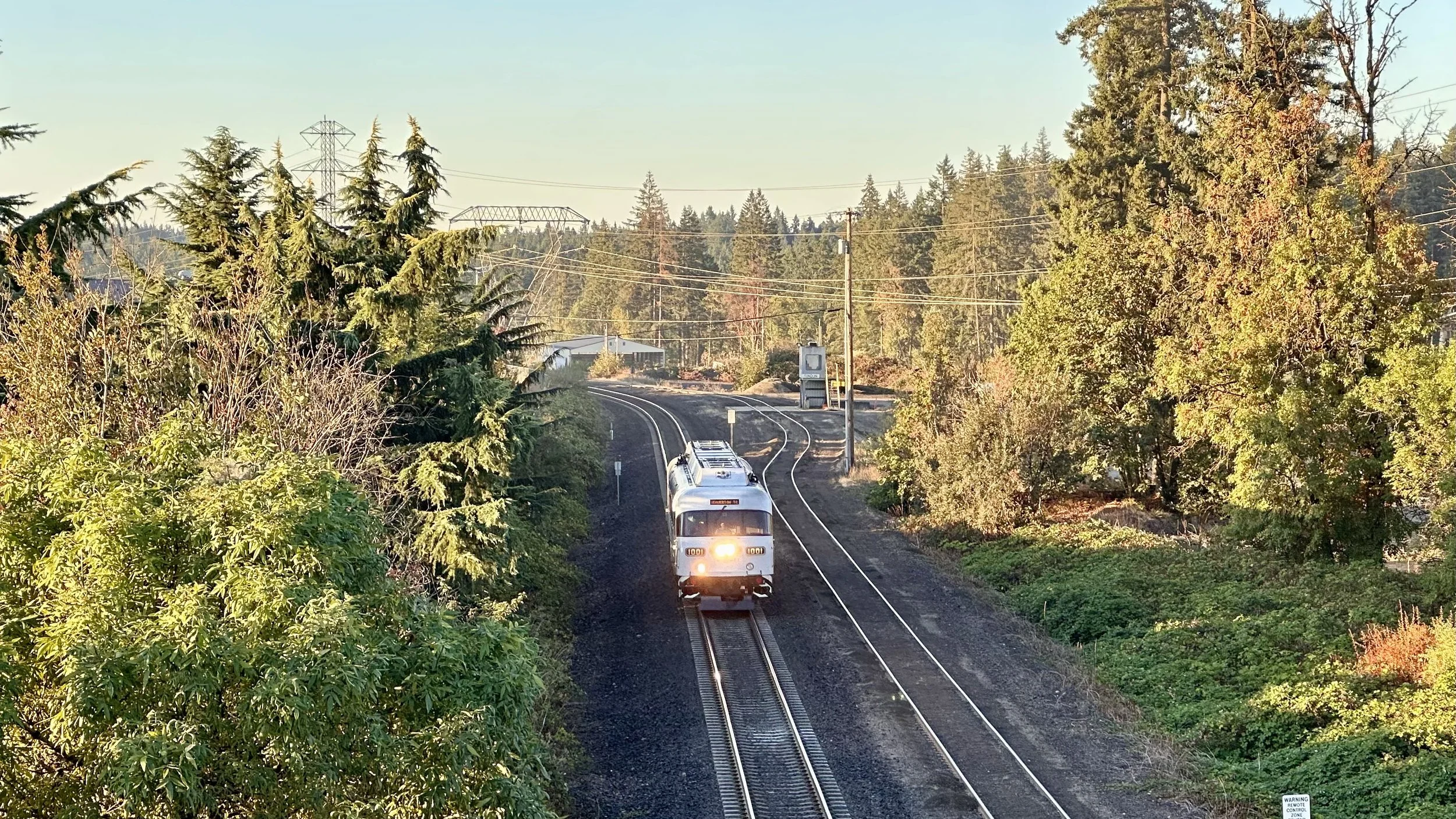
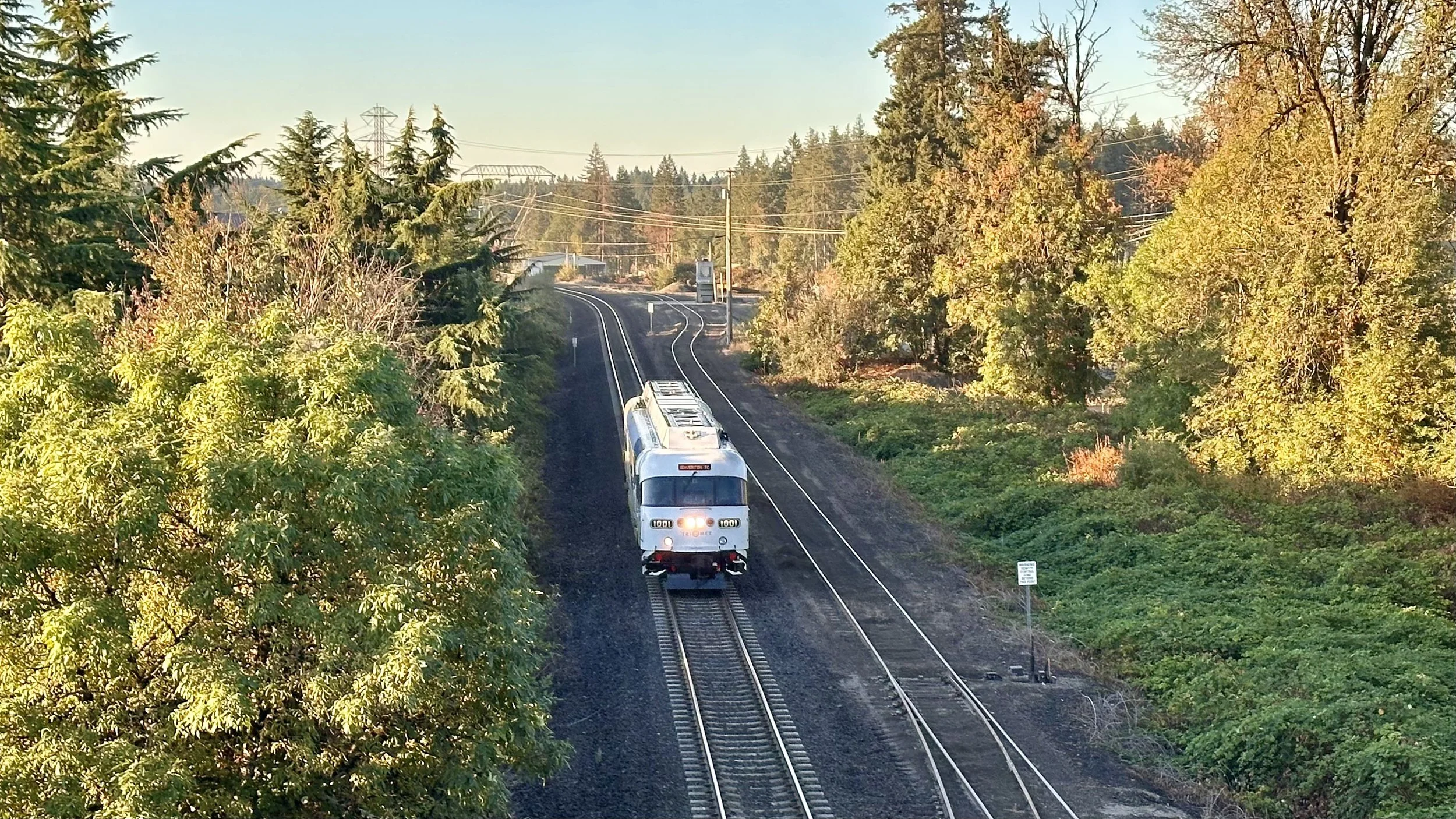
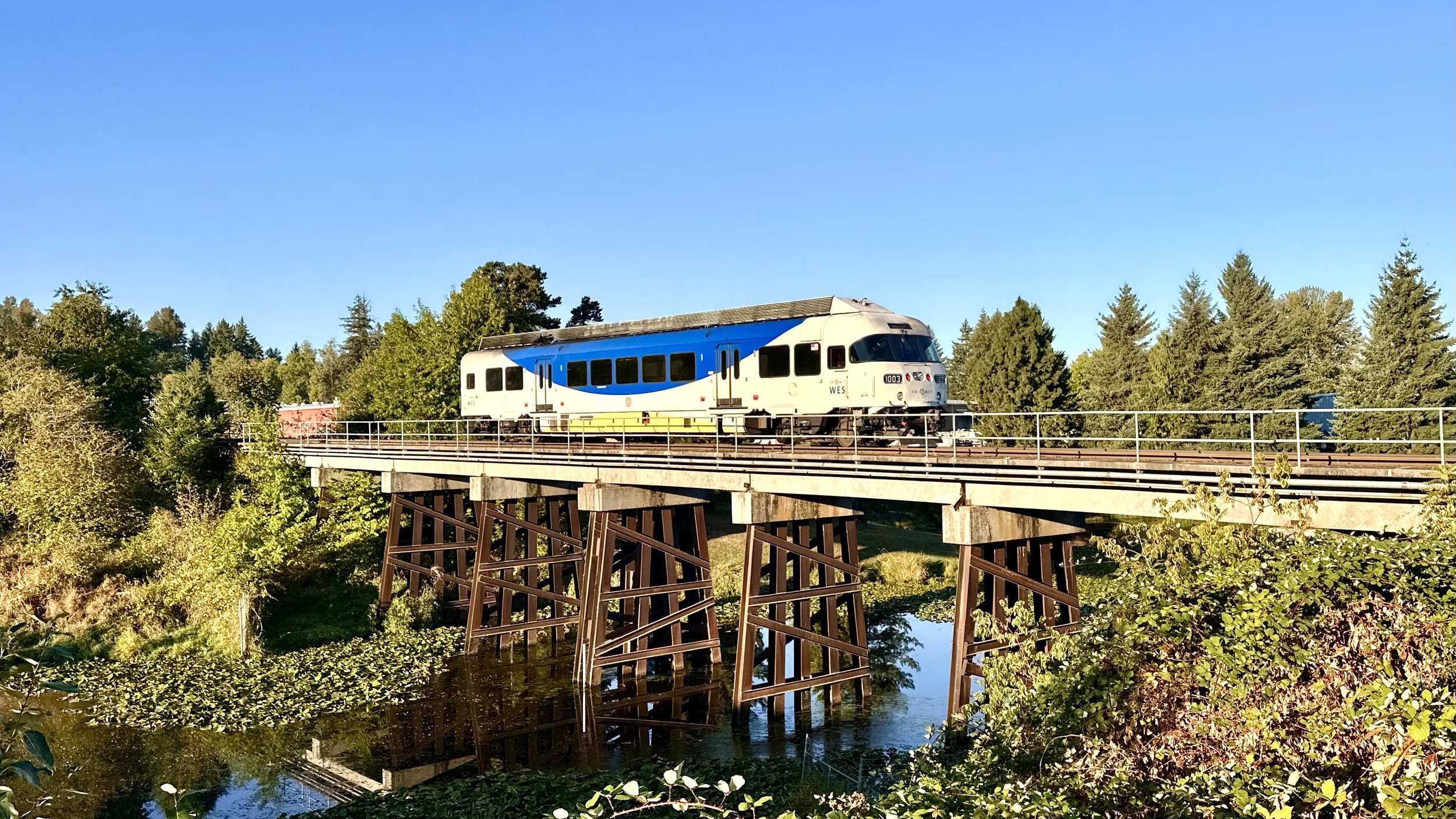
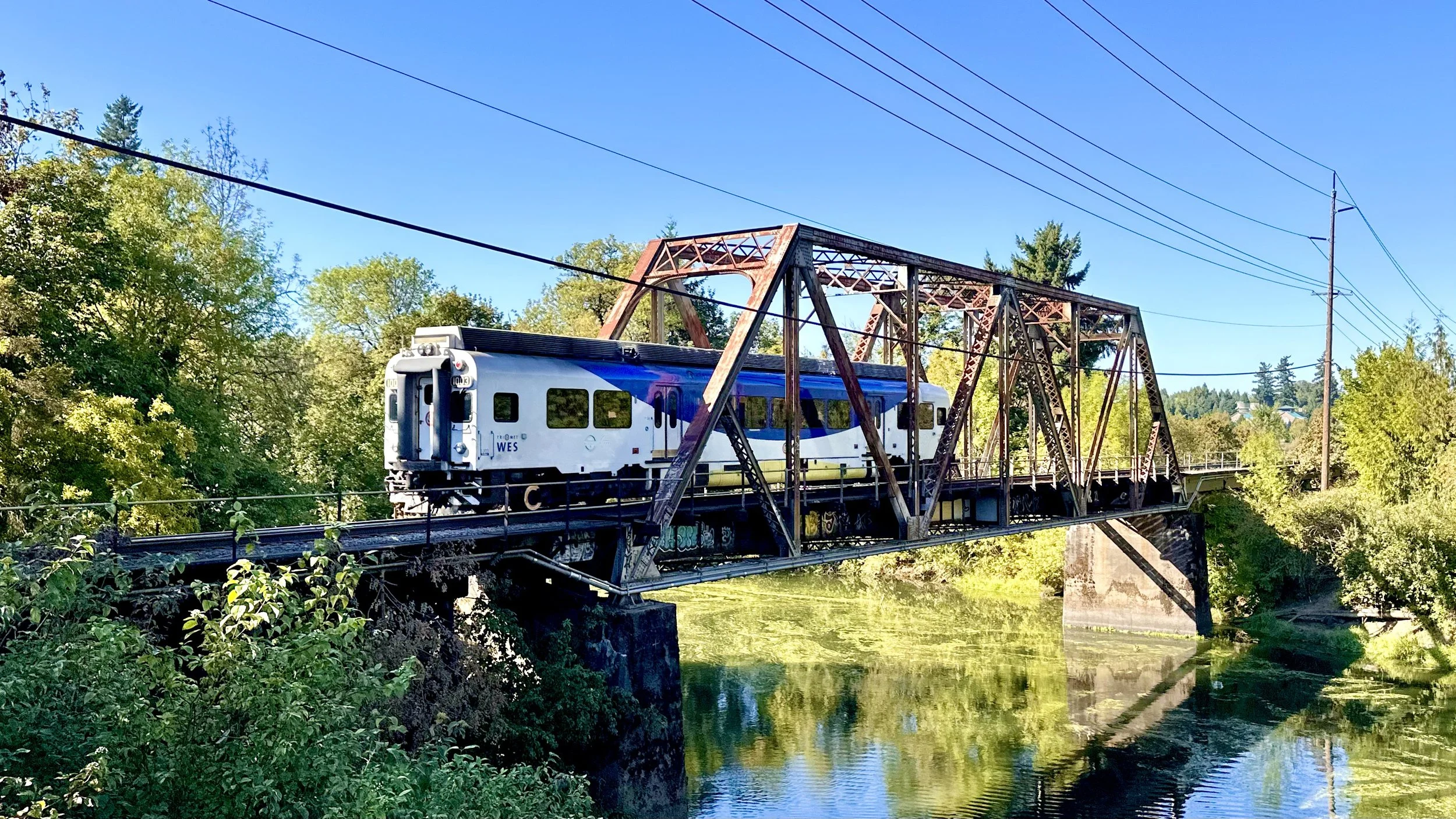
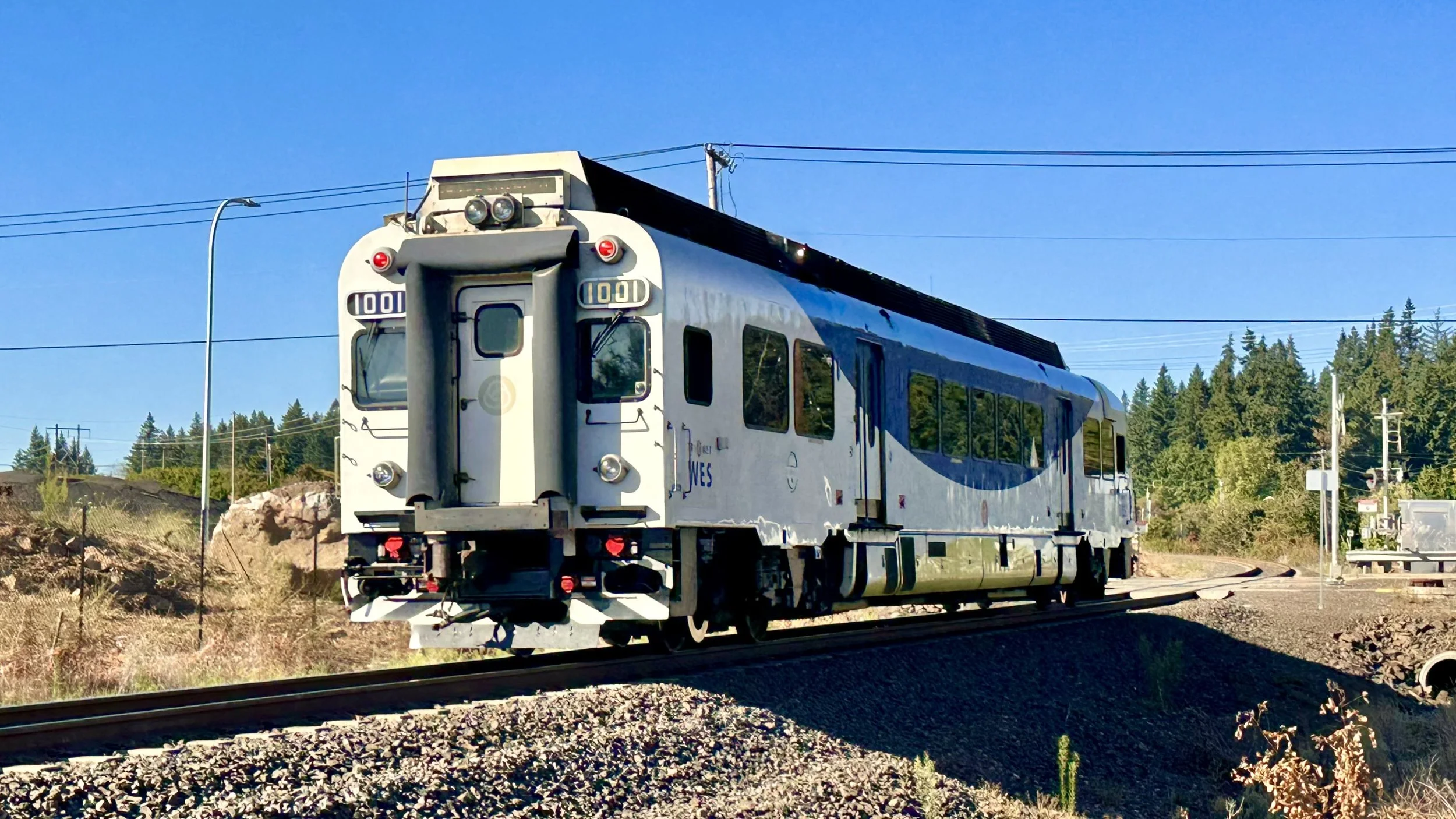
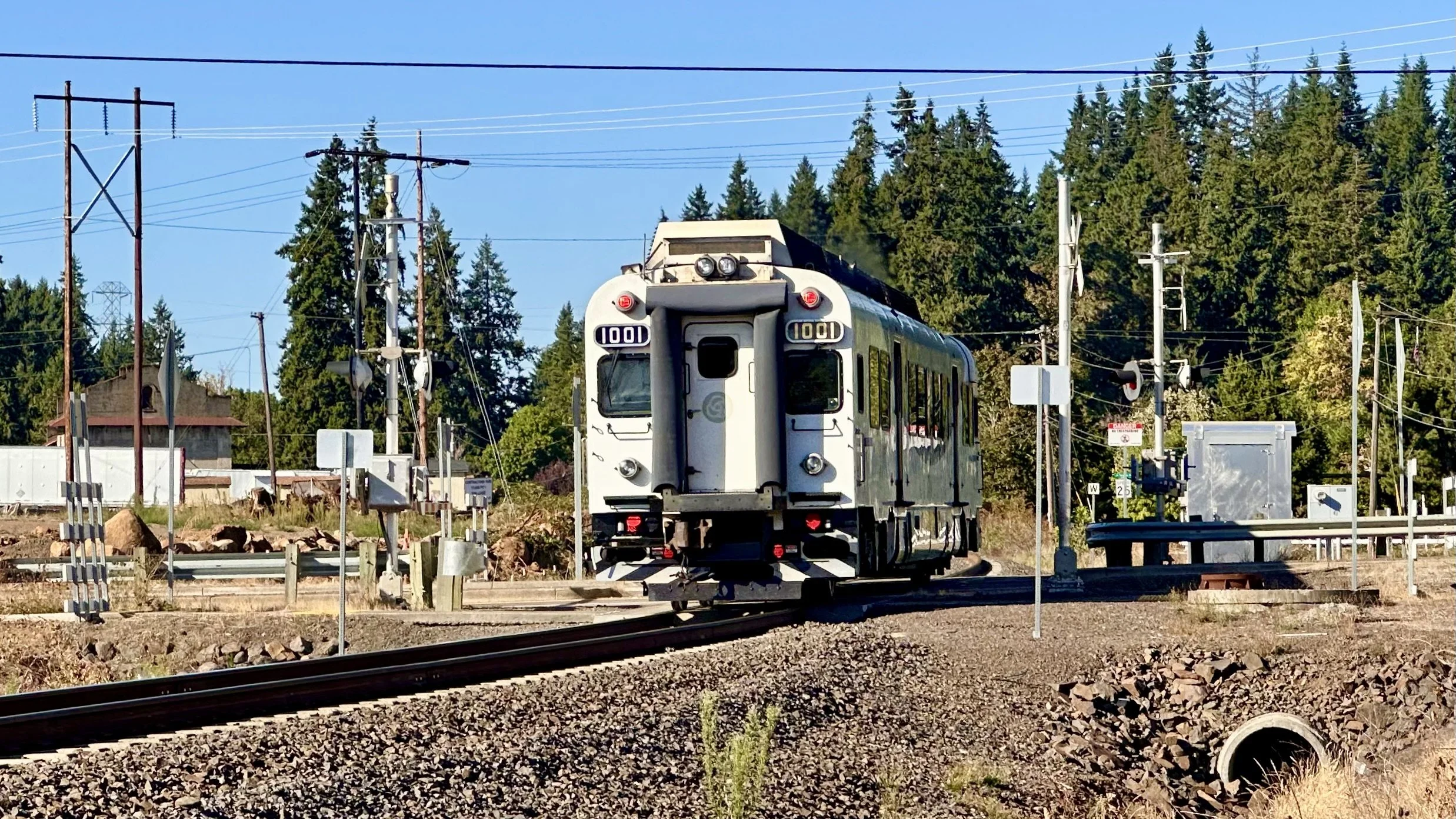
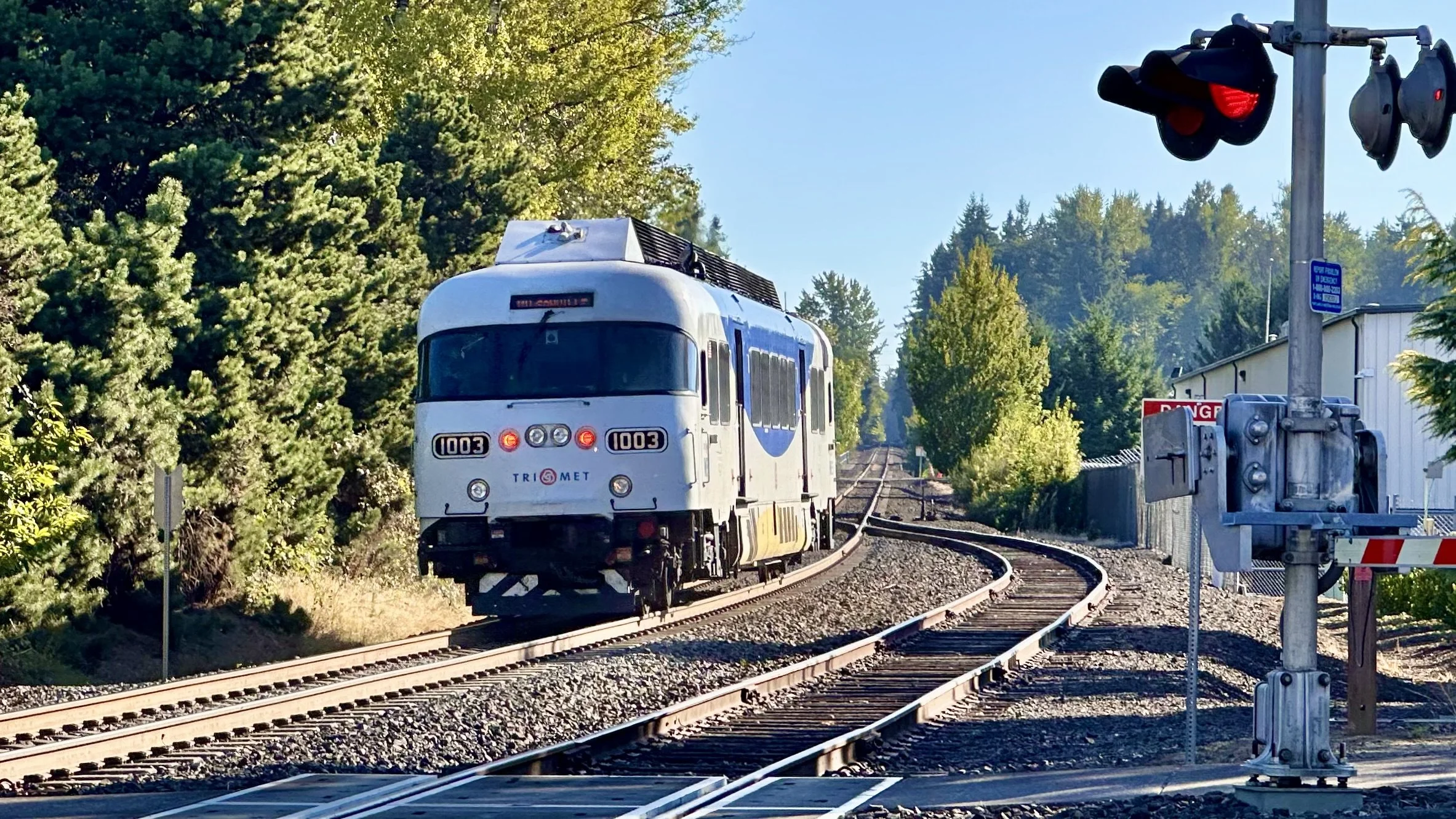
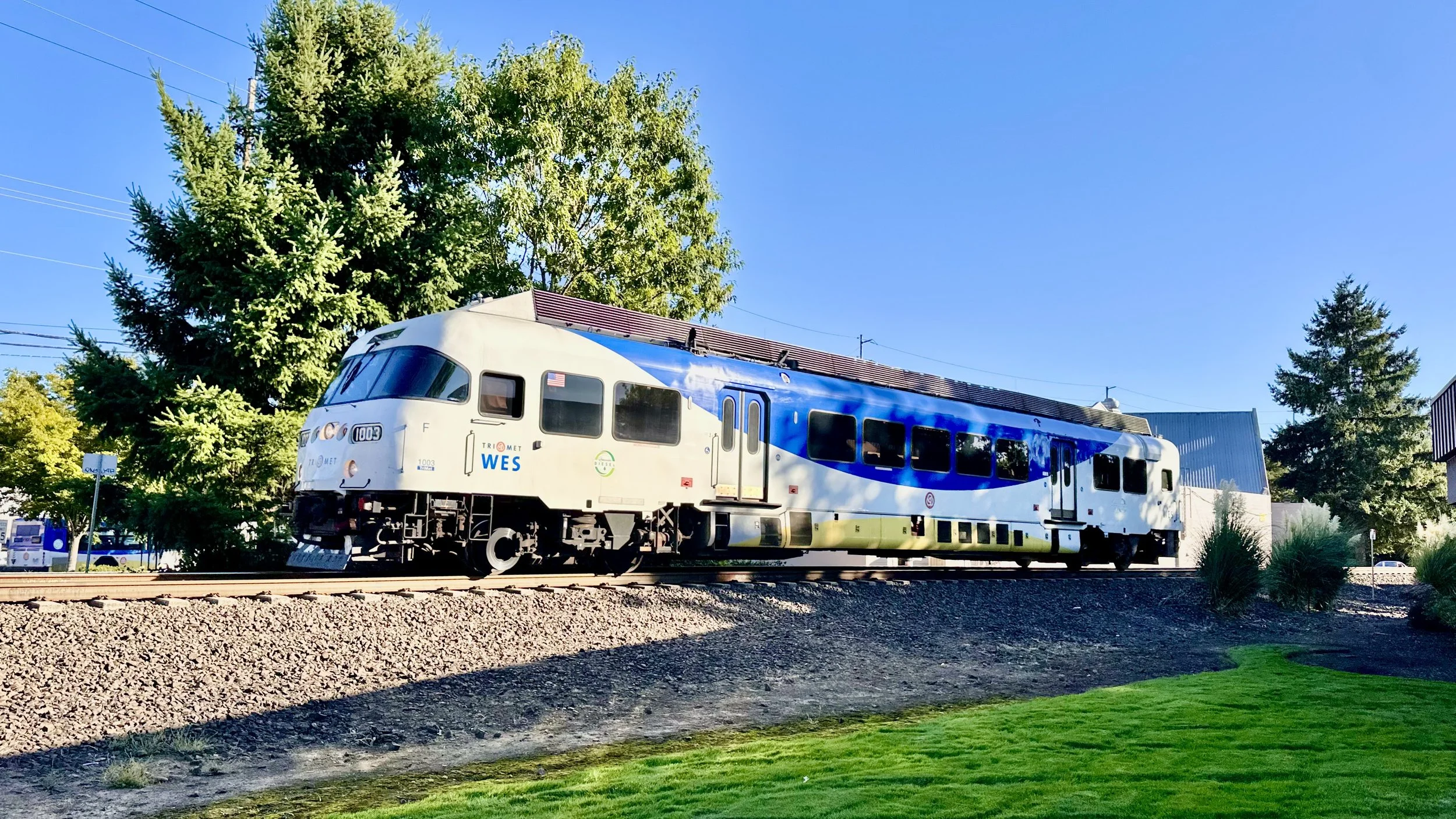
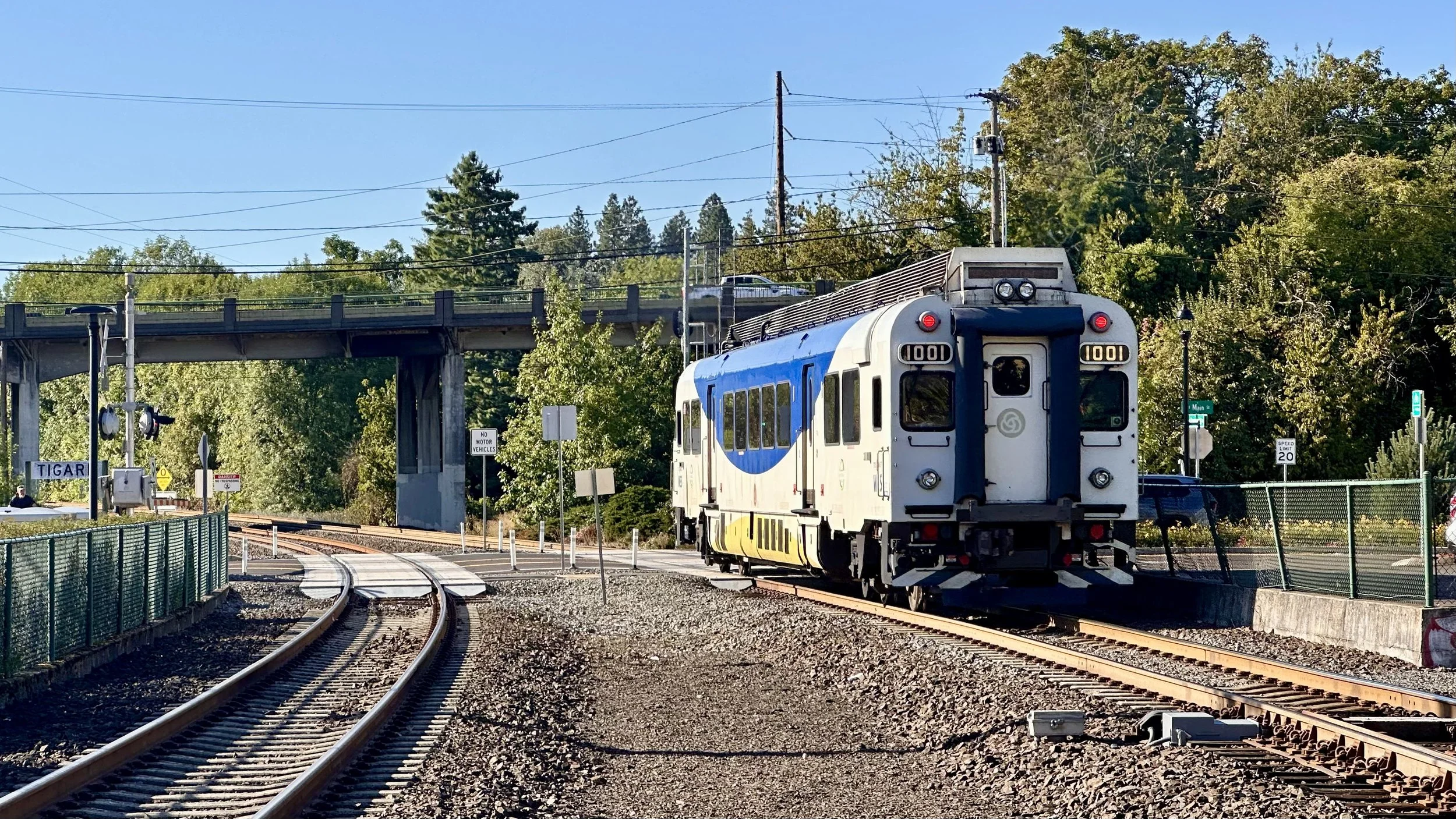
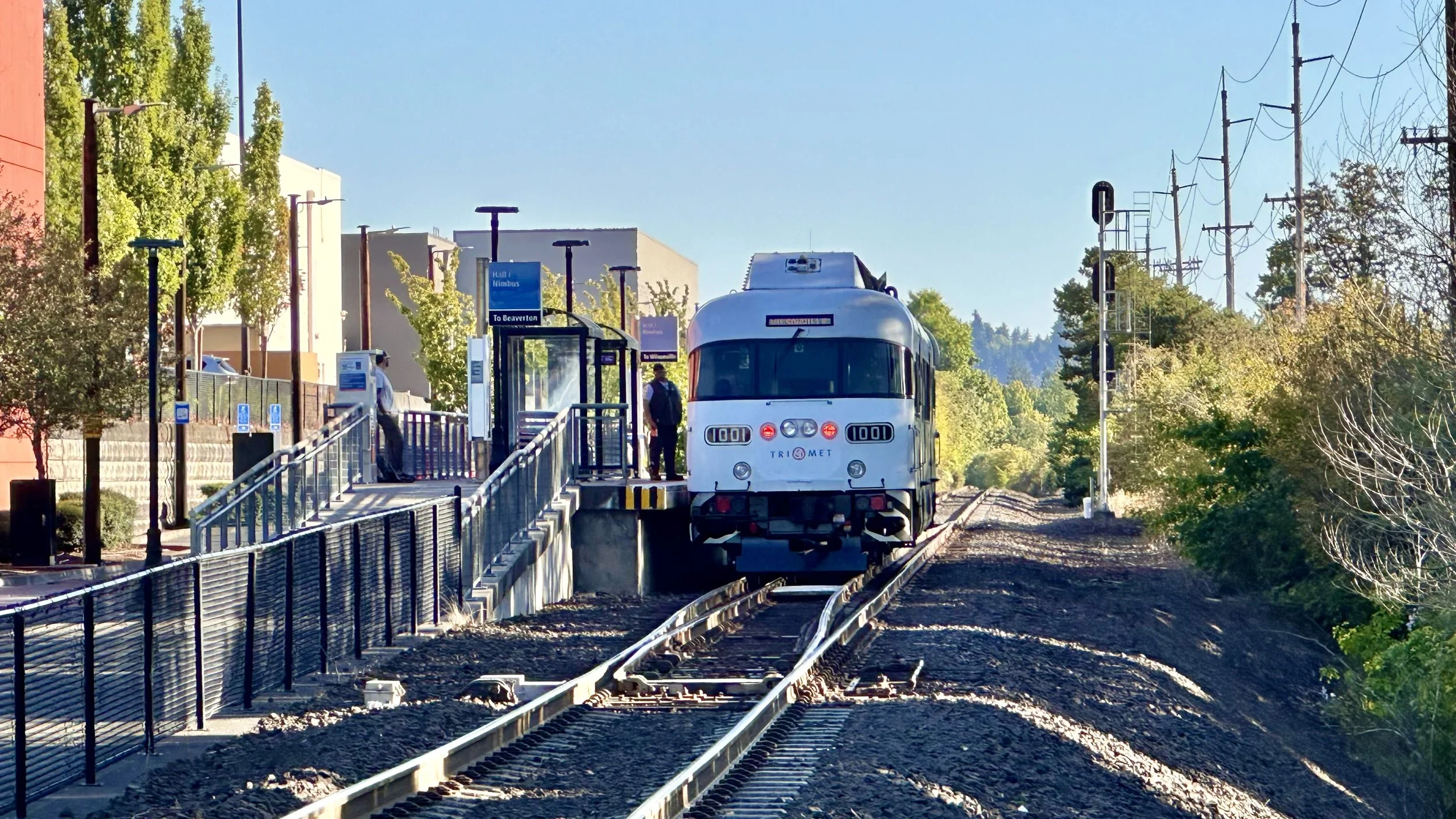
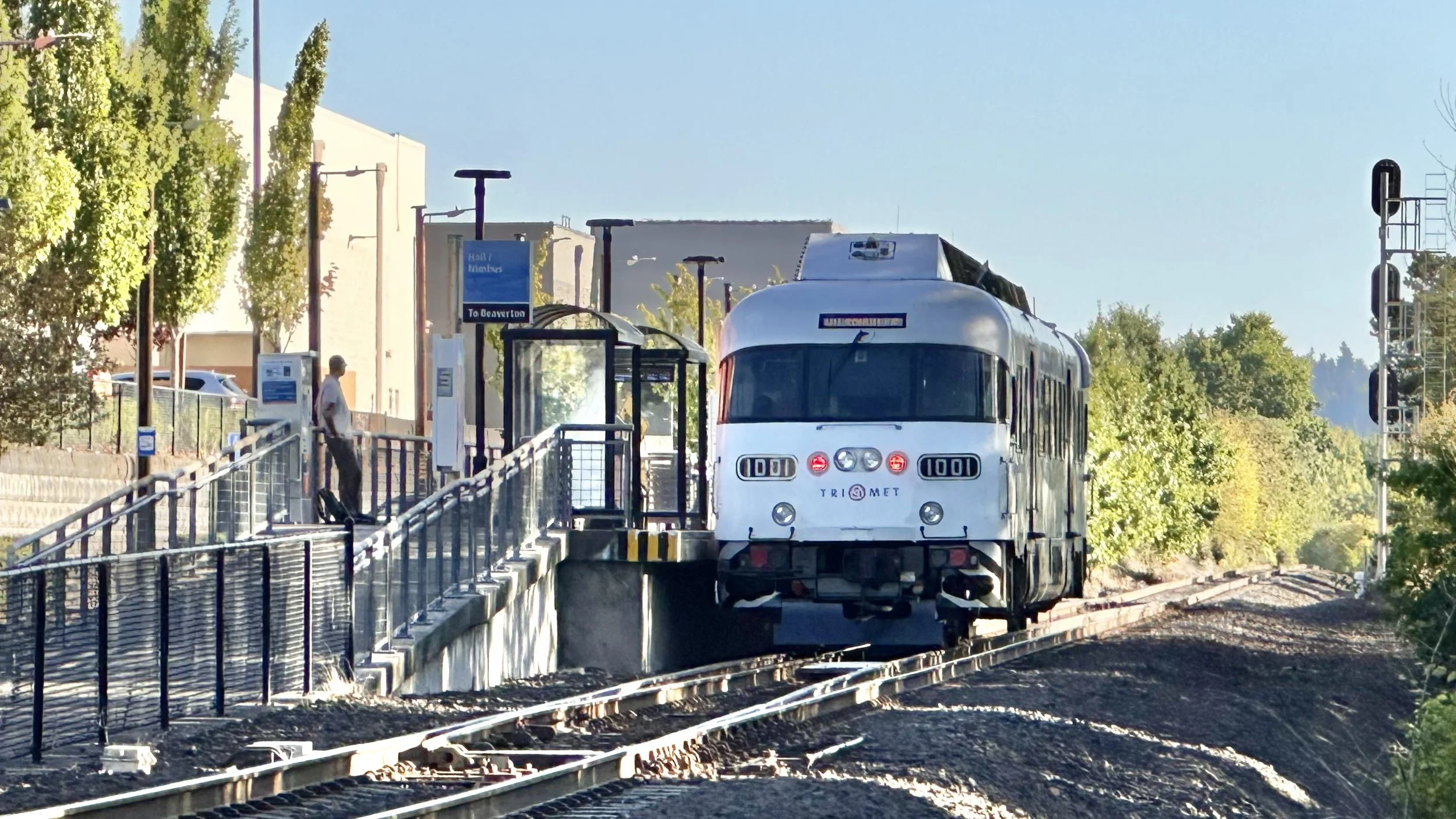
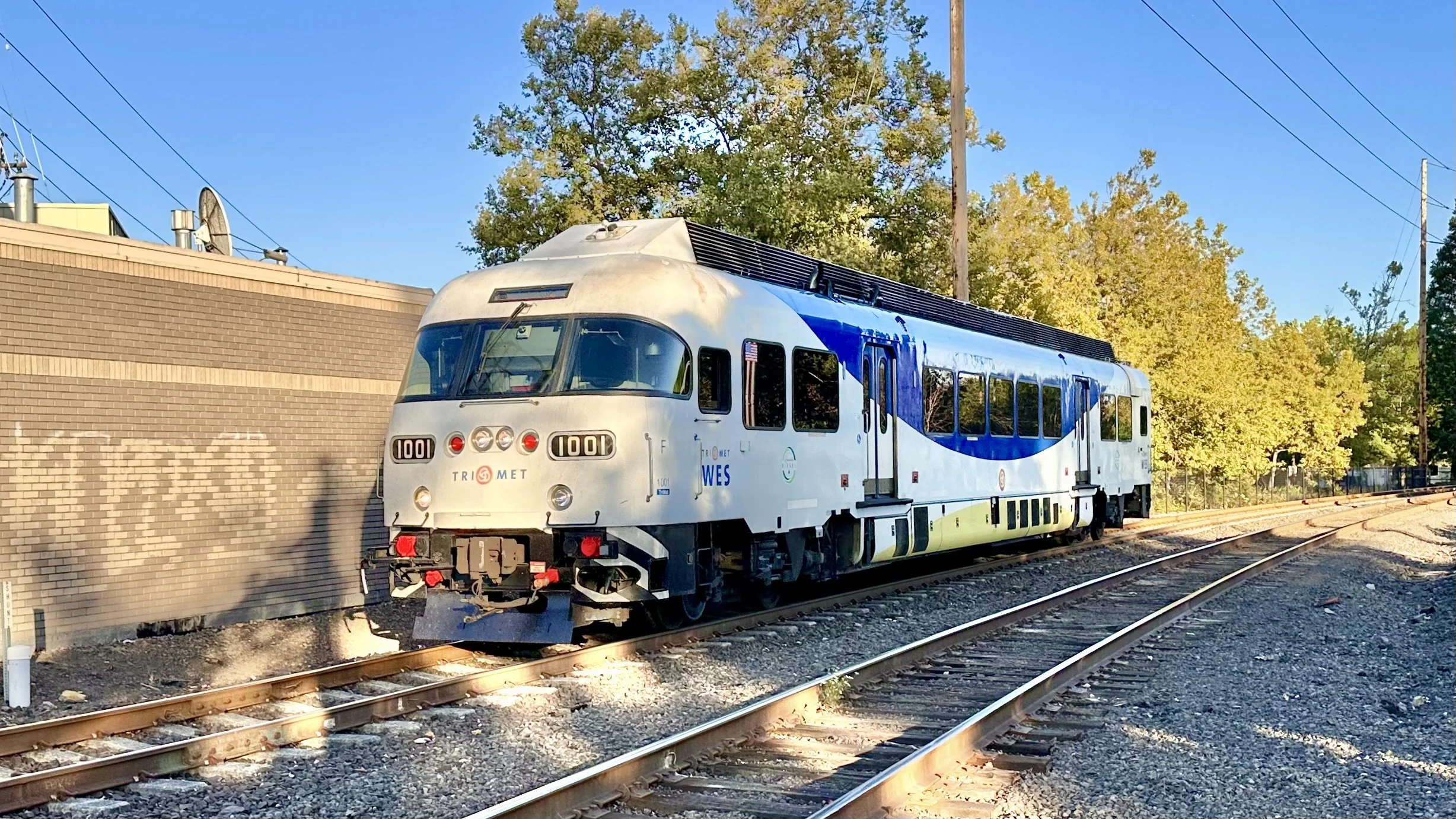
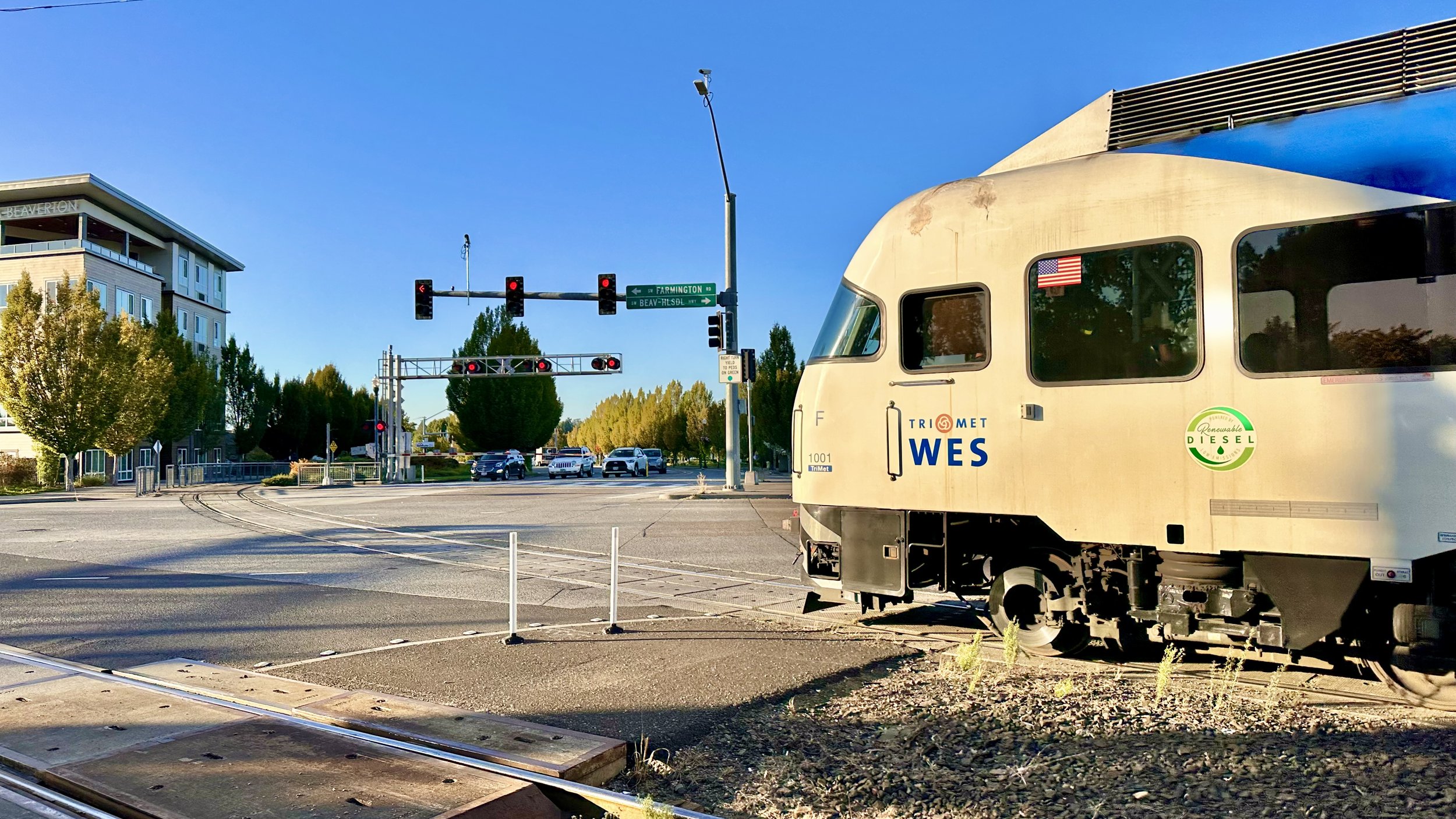
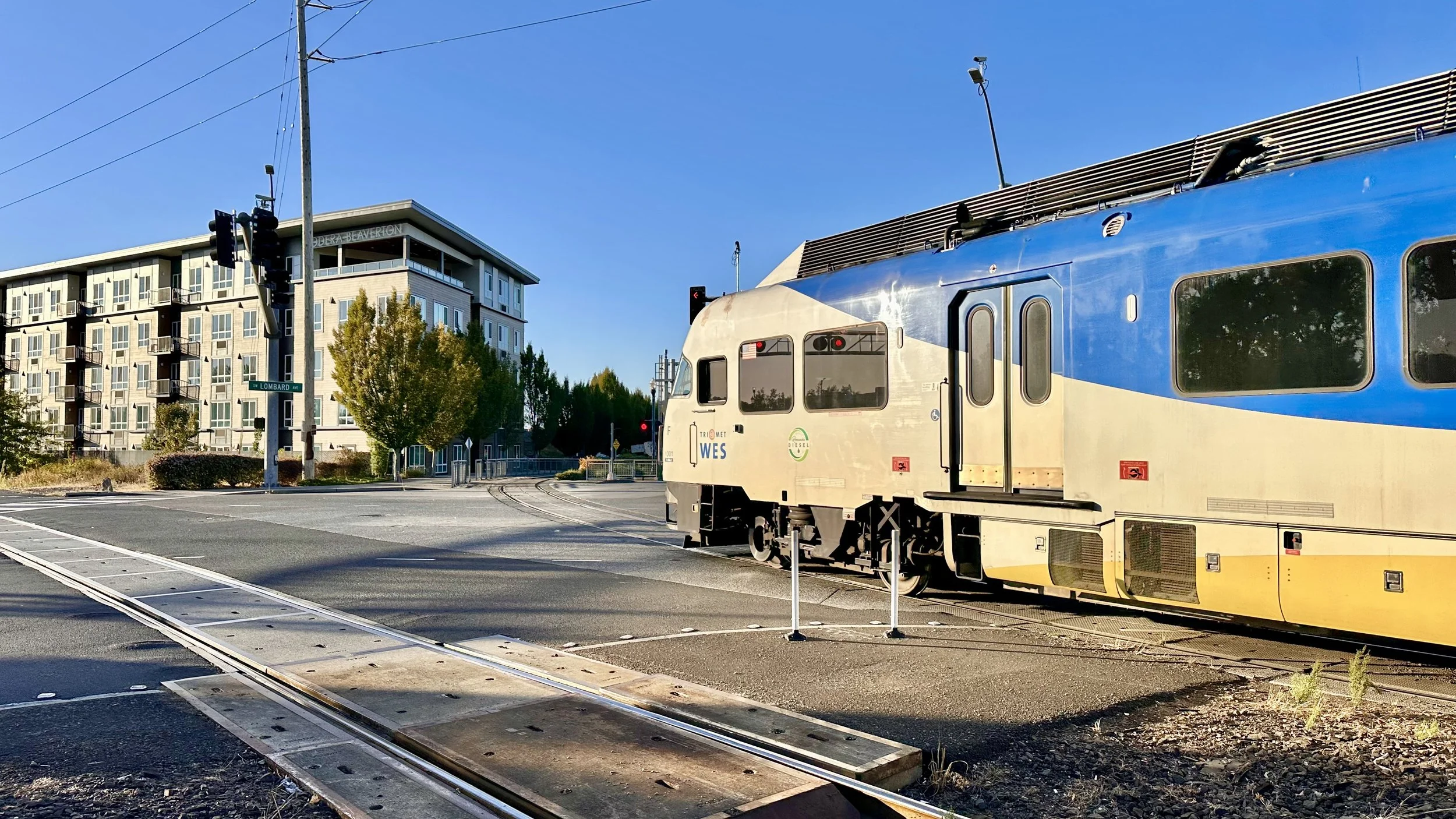
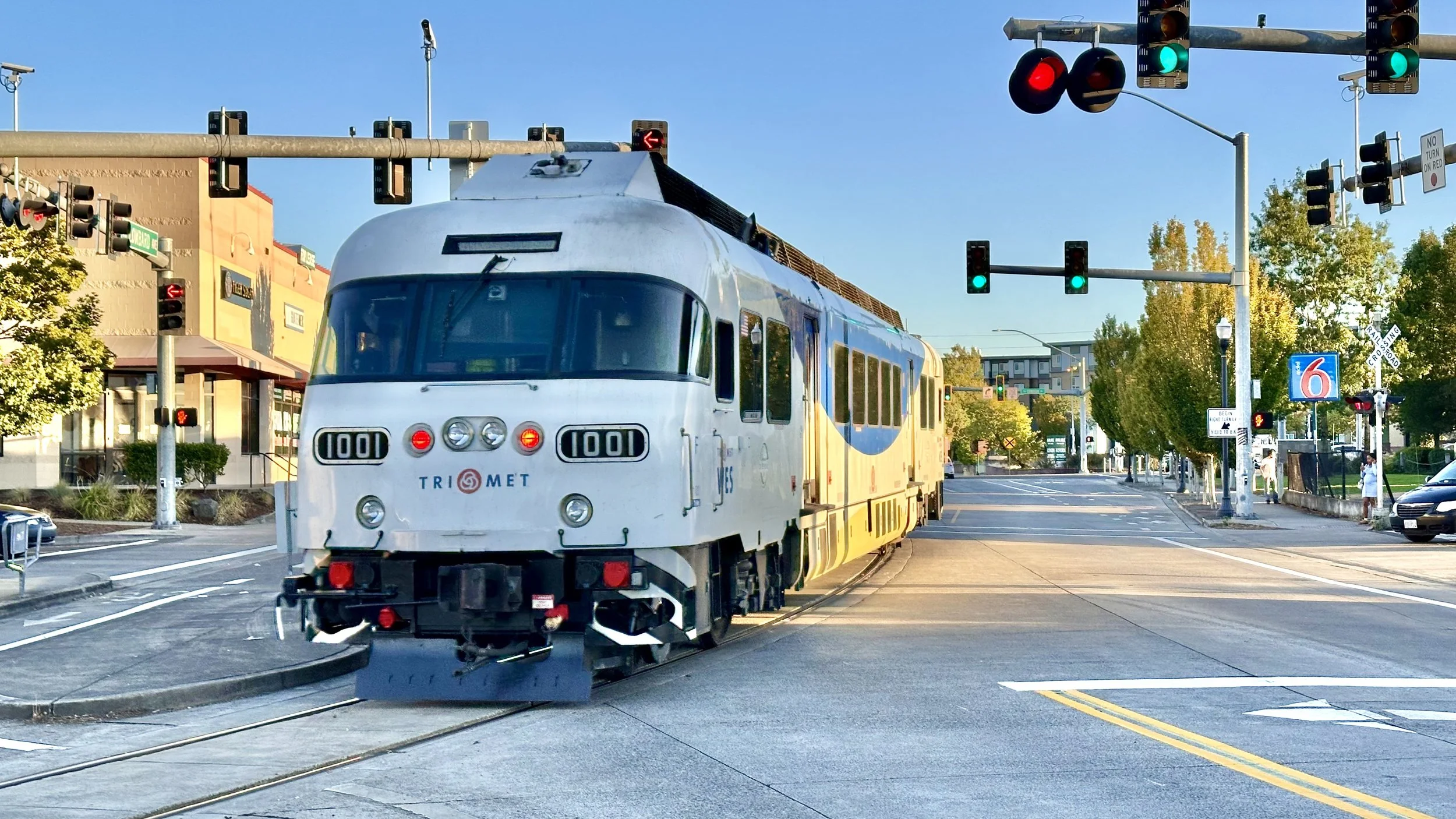
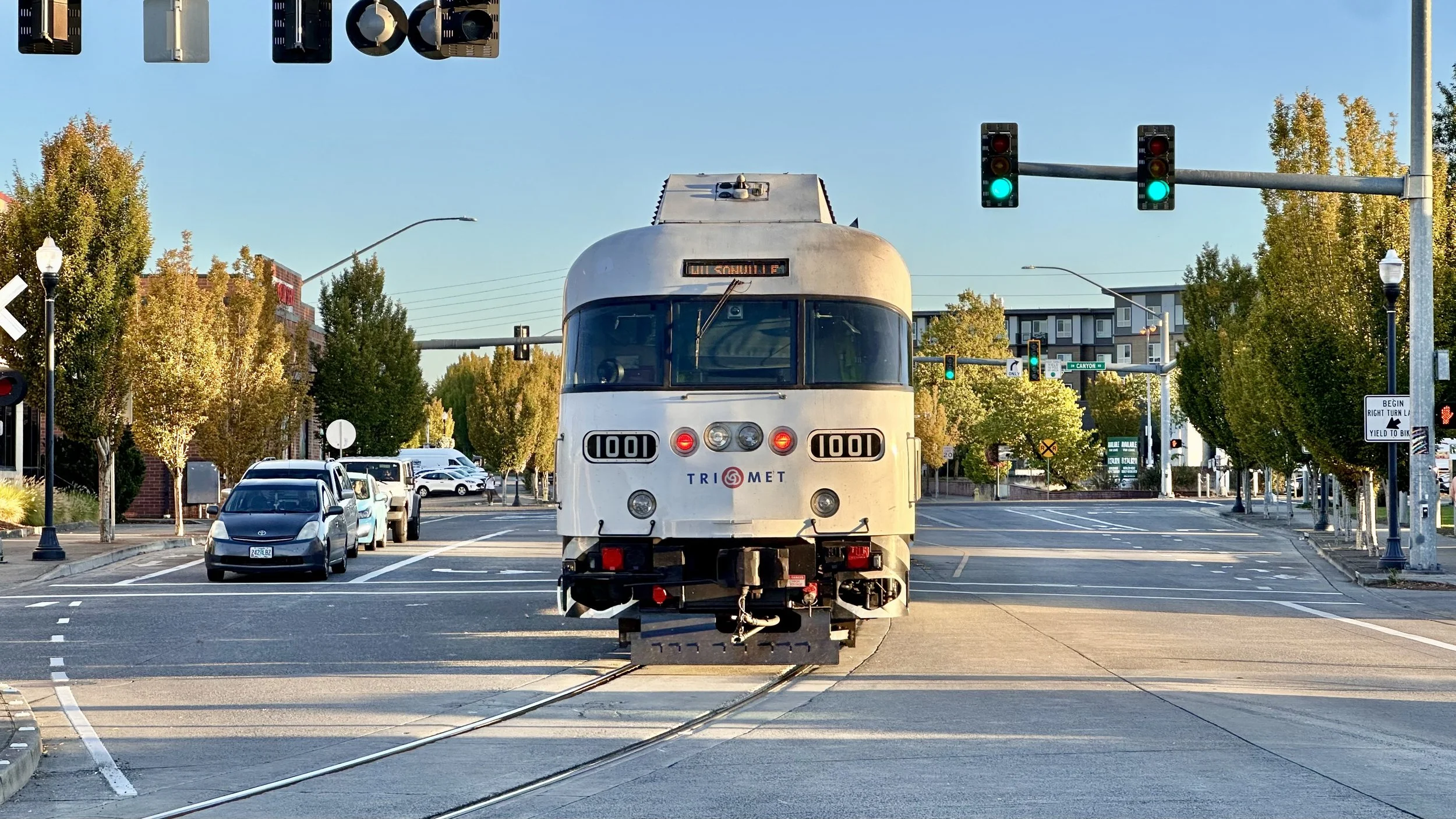
Opening in 2009, the third US DMU and first to use FRA-compliant vehicles, the Westside Express Service serves only five stations between Beaverton and Wilsonville, OR, a mere 10 times a day, every 45min from 0600 to 0900 and 1600 to 1900. However, because it is the most direct connection for southwest Portland communities to the multiple light rail lines at Beaverton, and because it offers reverse commutes with a lack of comparable parallel bus route, each car is almost standing-room-only on every single trip. WES is often mistakenly identified as the lowest-ridership commuter rail in the country, but that’s simply because of a lack of seats offered.
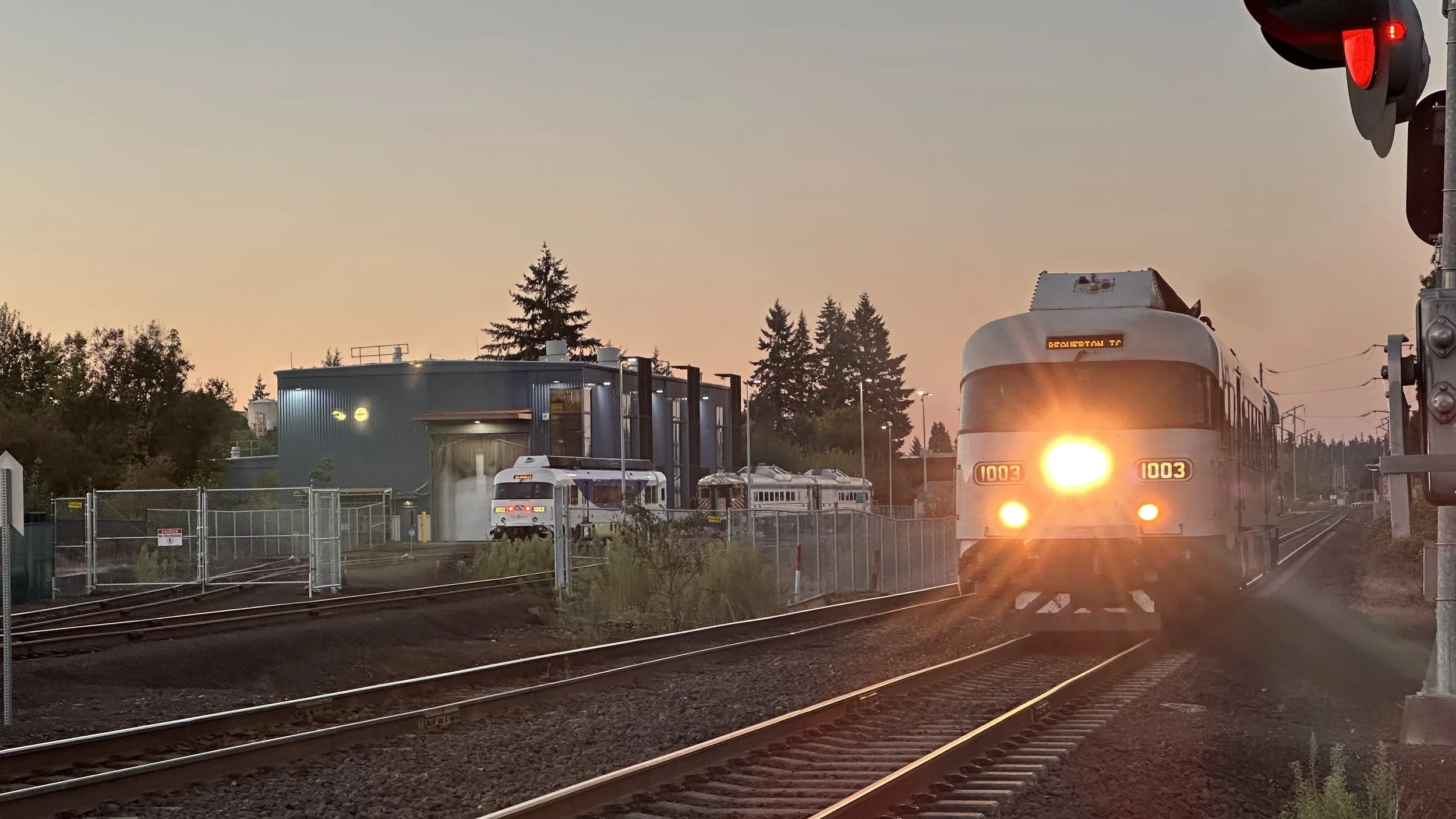
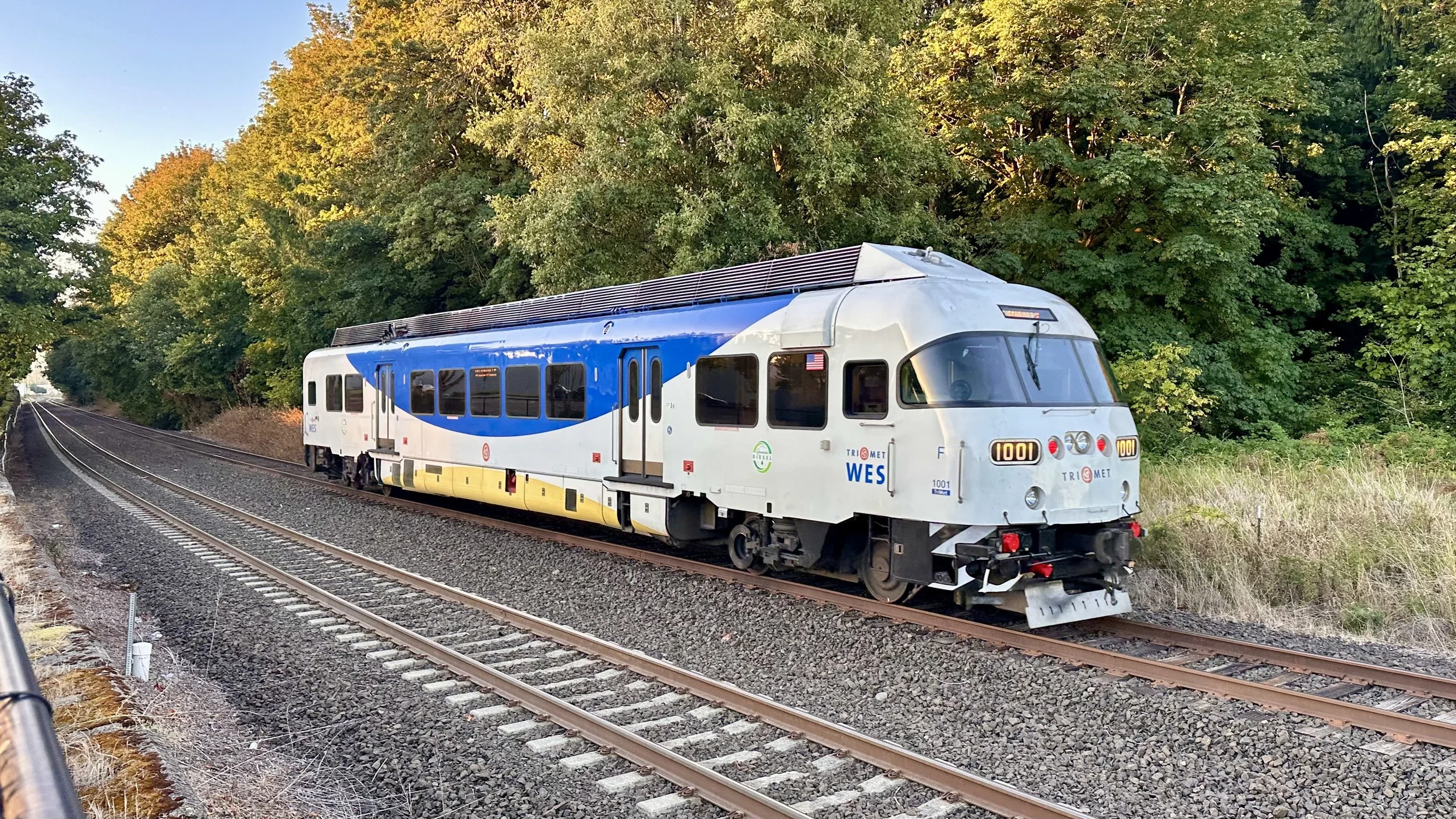
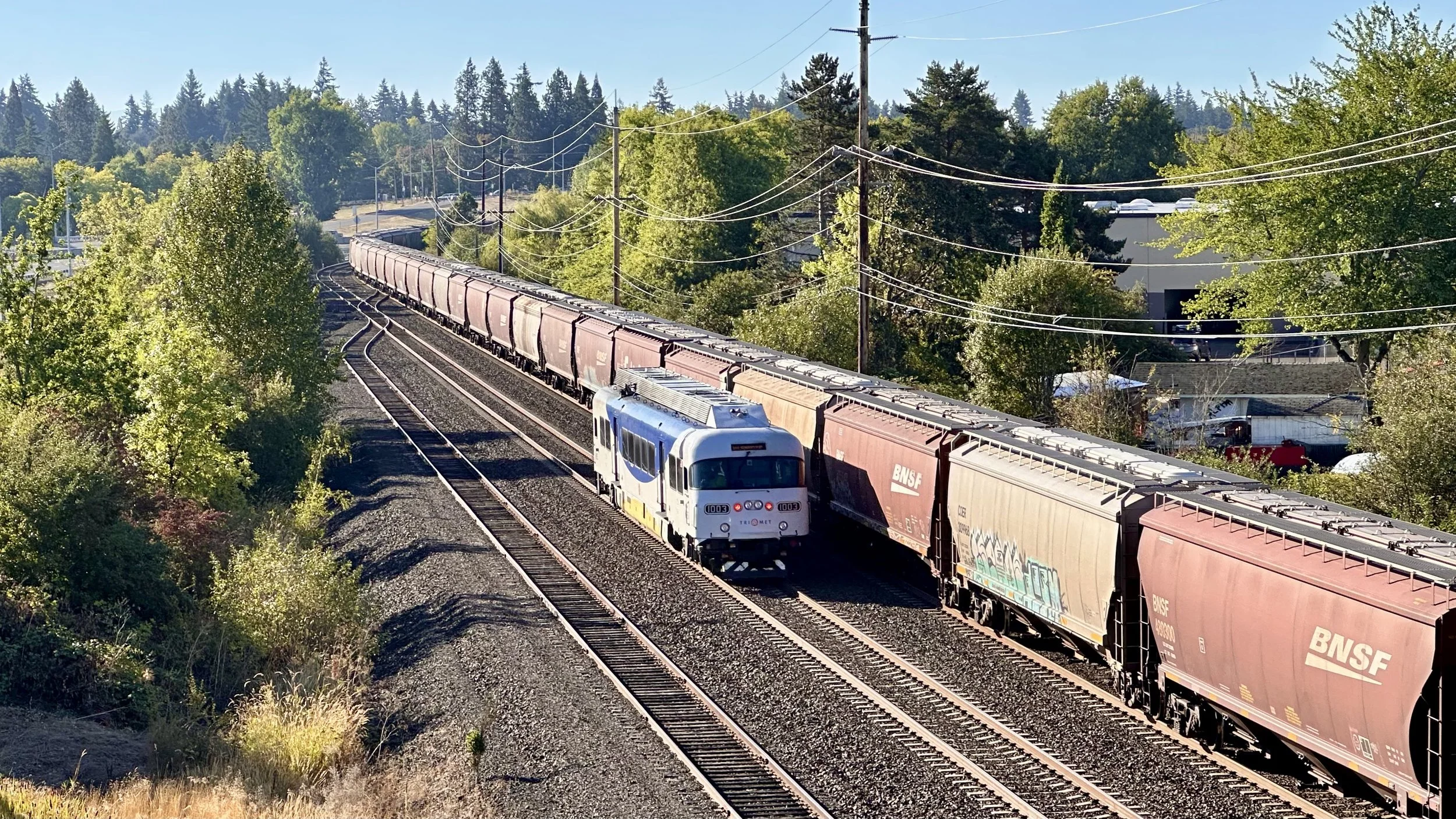
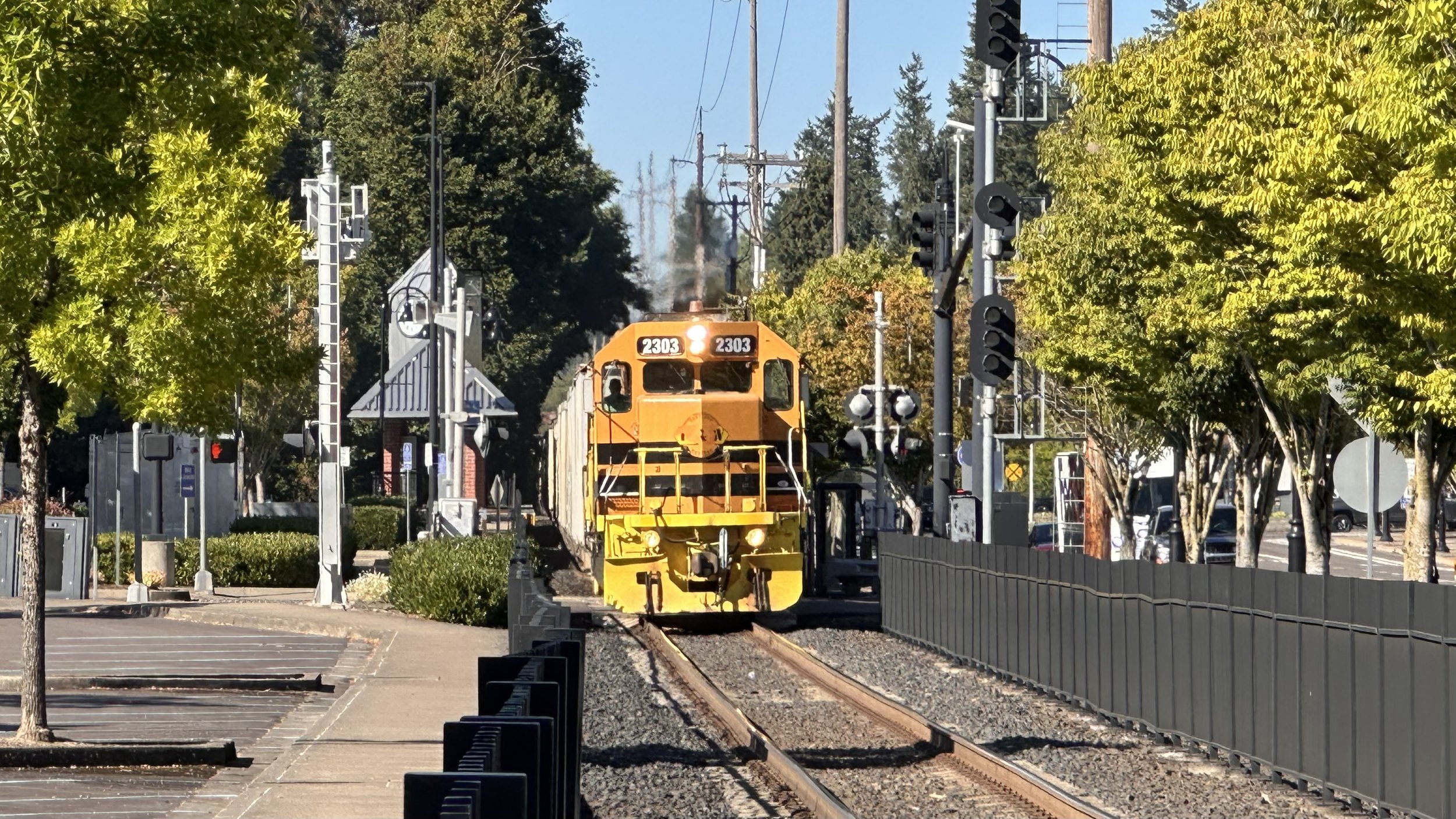
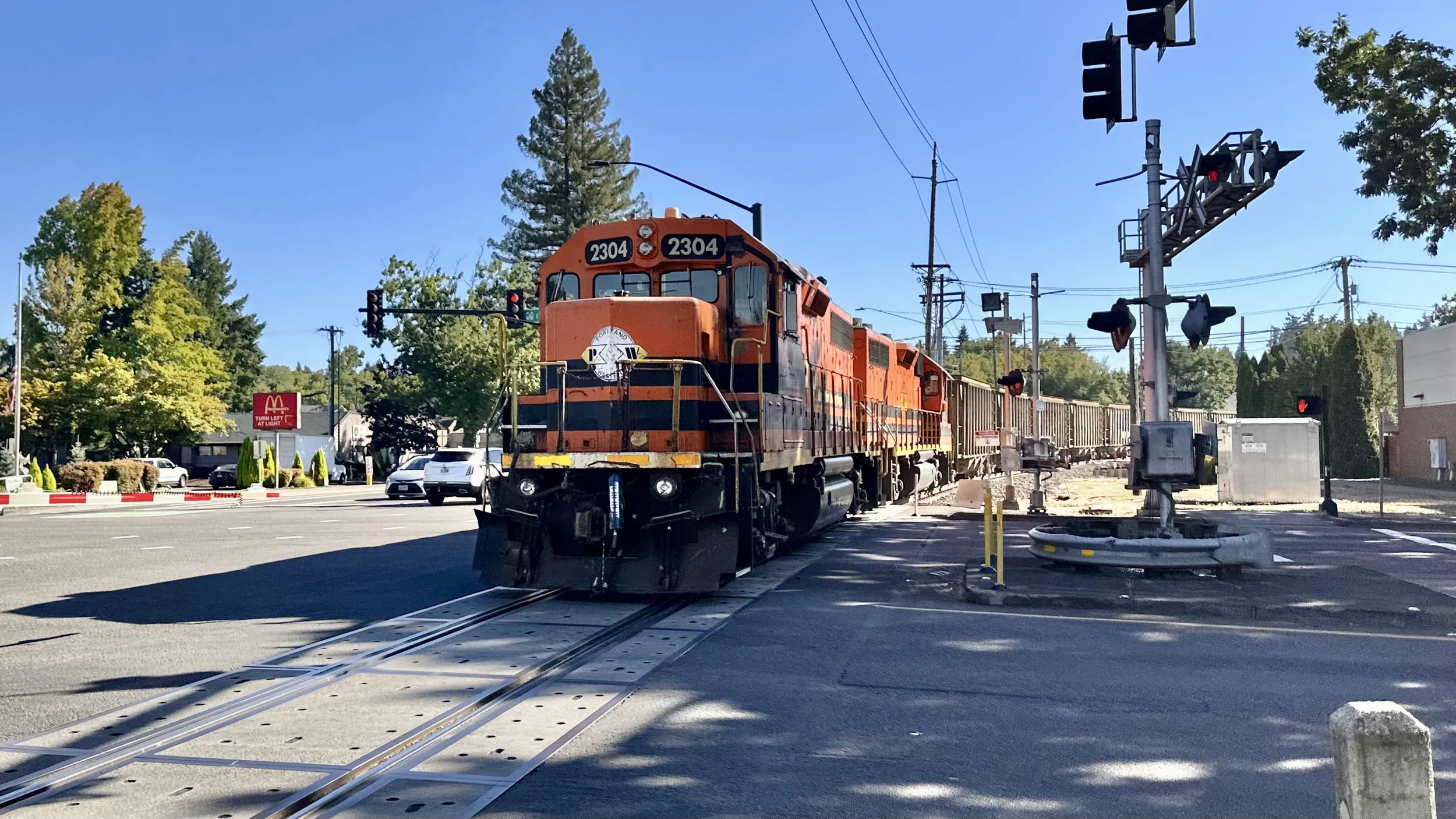
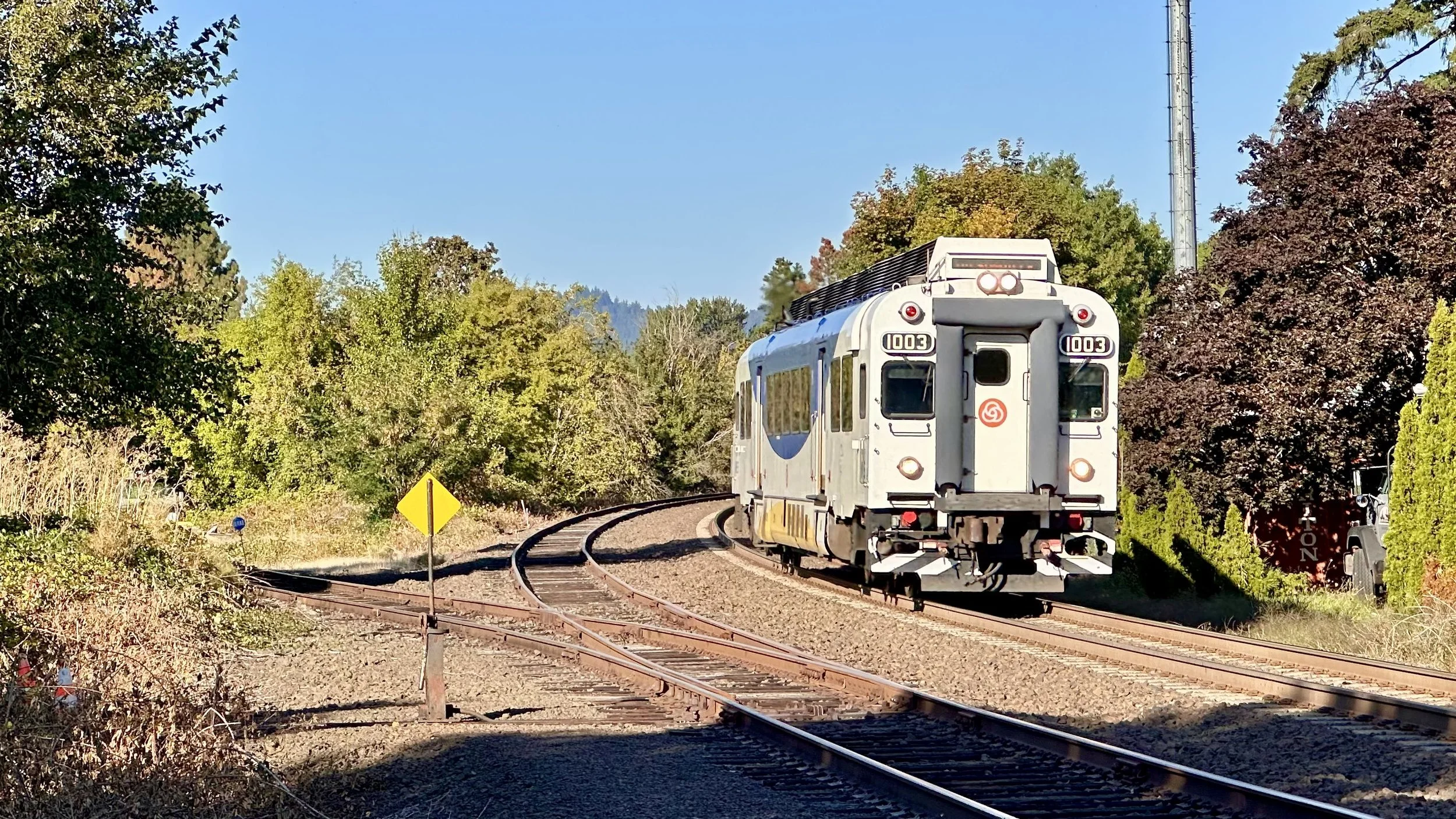
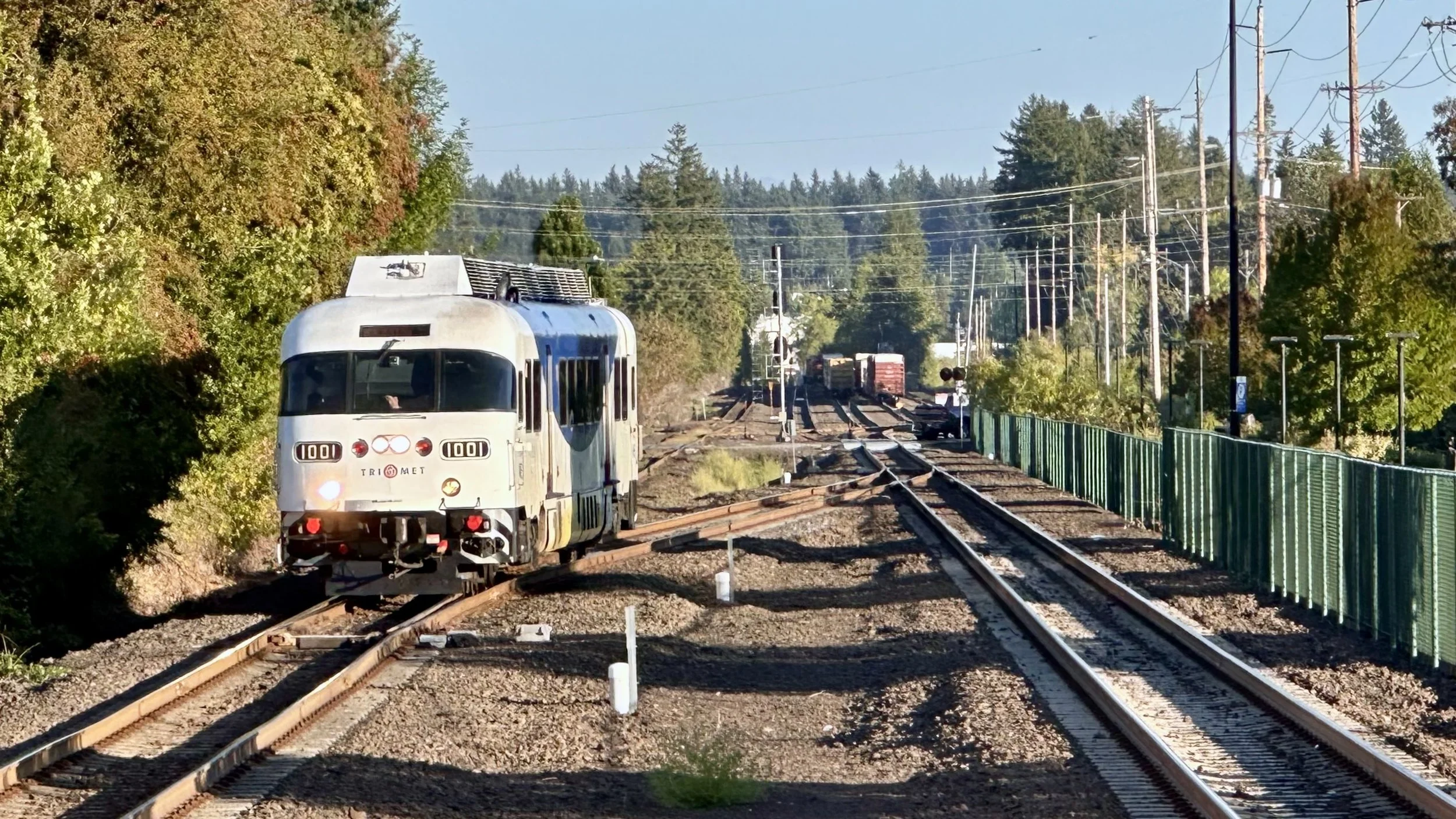
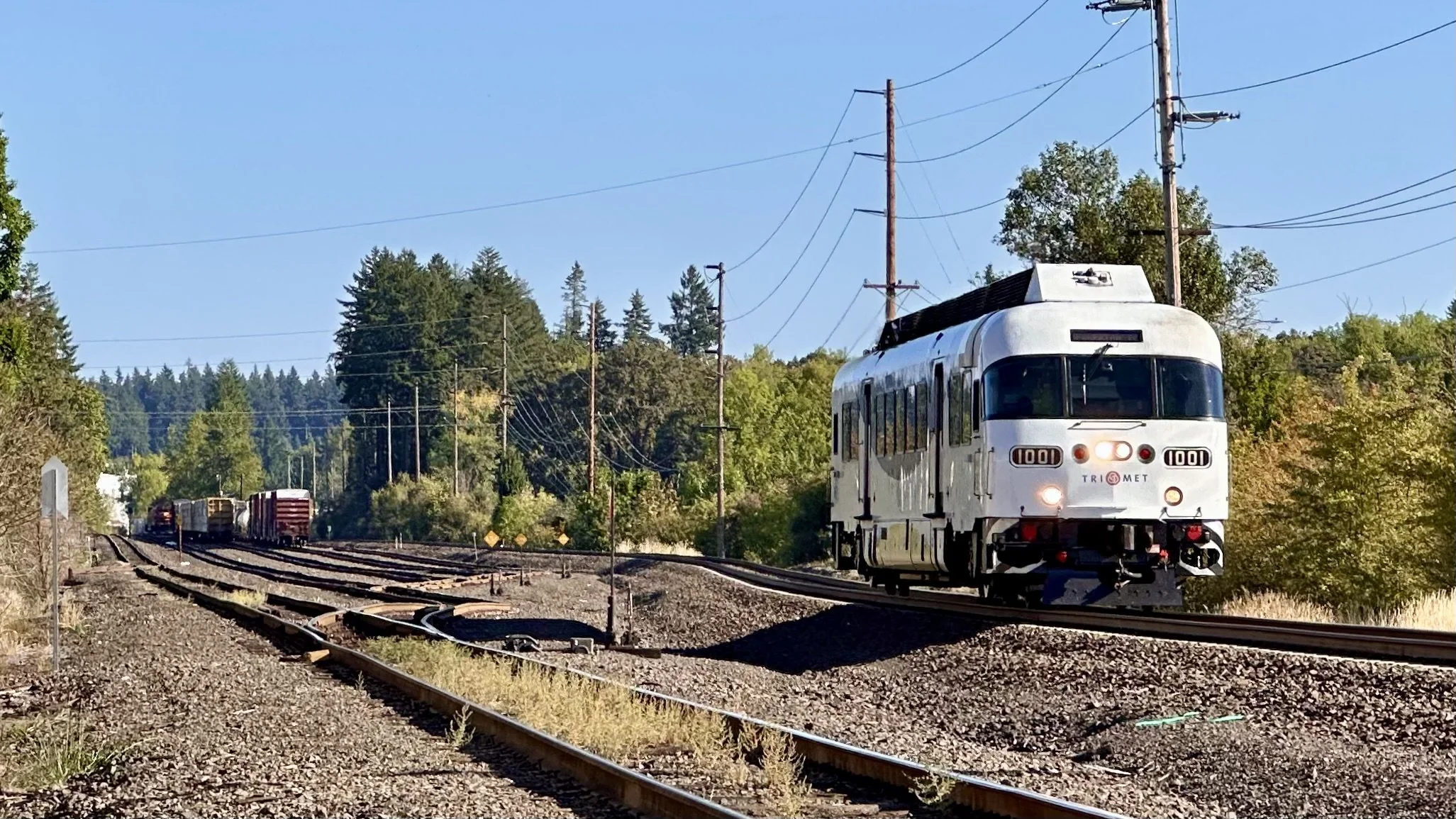
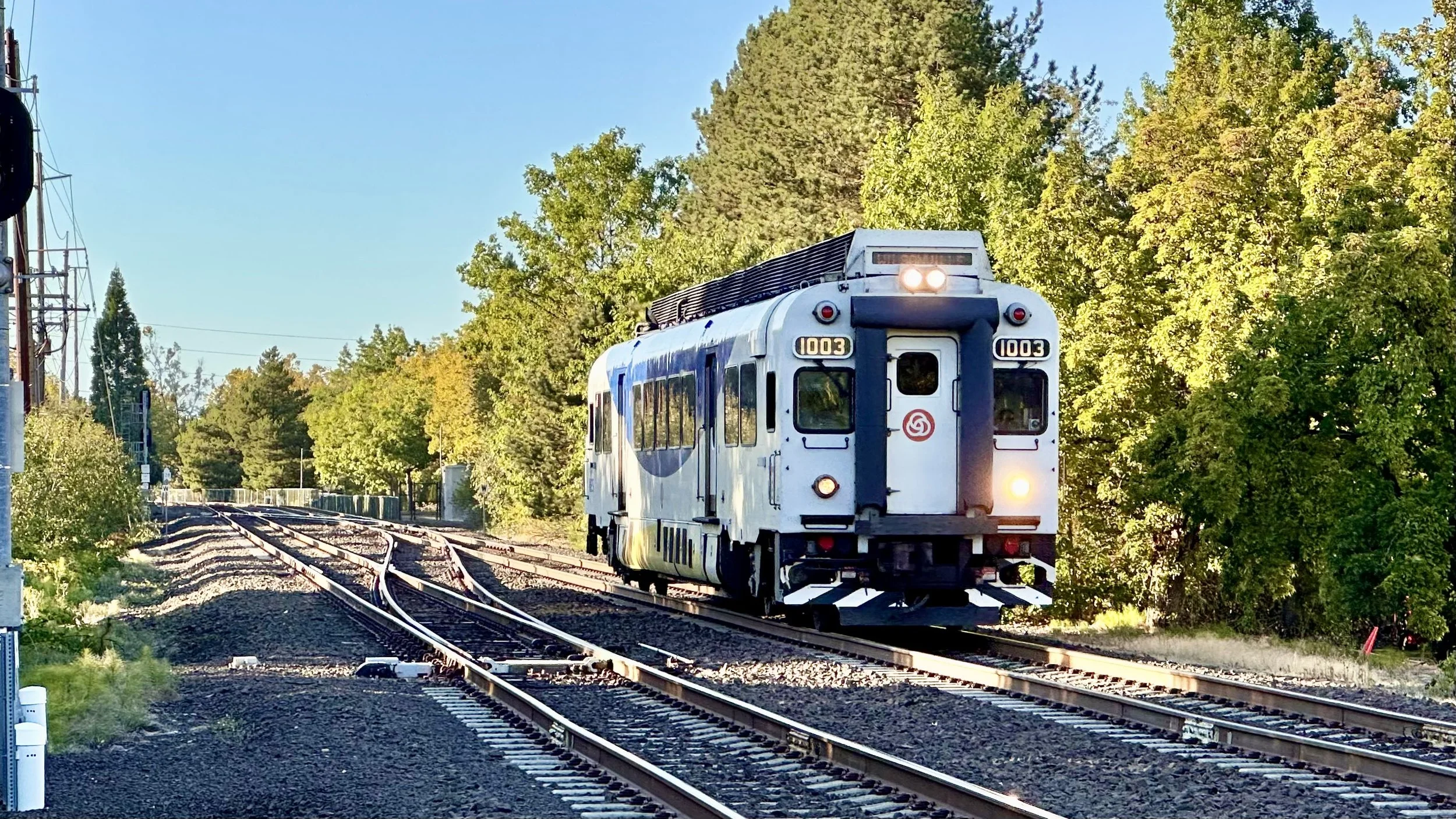
WES’ DMUs were built by the infamous Raider/Colorado/US Railcar which went bankrupt during construction, and are thus five of a kind, never again to be replicated. However, because they were built for the American market, they are FRA-compliant and thus allow unrestricted mixing between passenger and freight trains, in contrast to most other DMUs which temporally segregate passengers during the day and freight at night. This results in much, much more freight activity and almost no DMU-exclusive tracks; G&W subsidiary shortline Portland and Western’s freight trains wind across the line all day, passenger trains or not. Despite all the freight action and several major junctions and yards, there are very few on-line industries and switching opportunities, the tracks primarily being mainline interweavings of routes across the region.
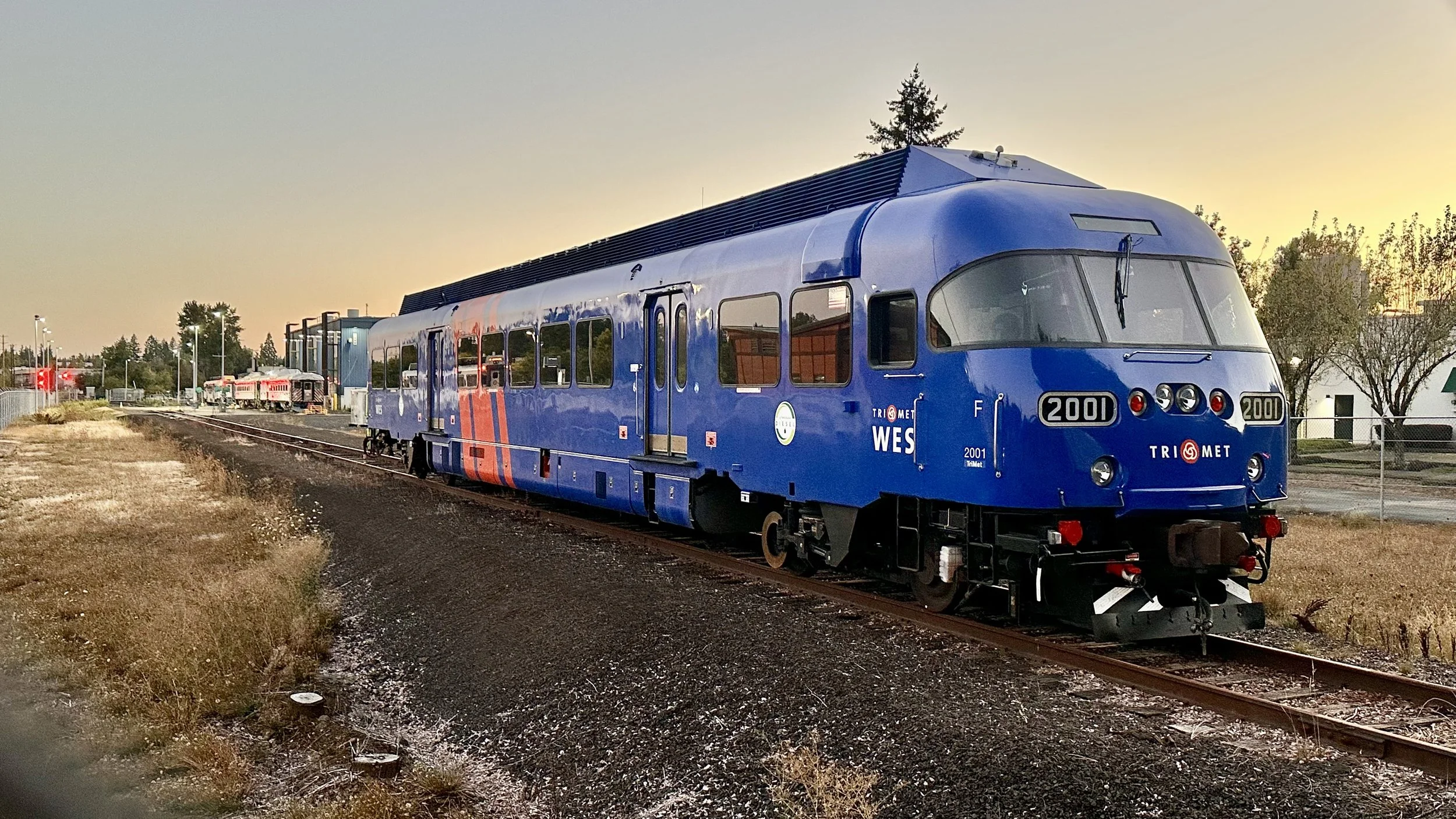
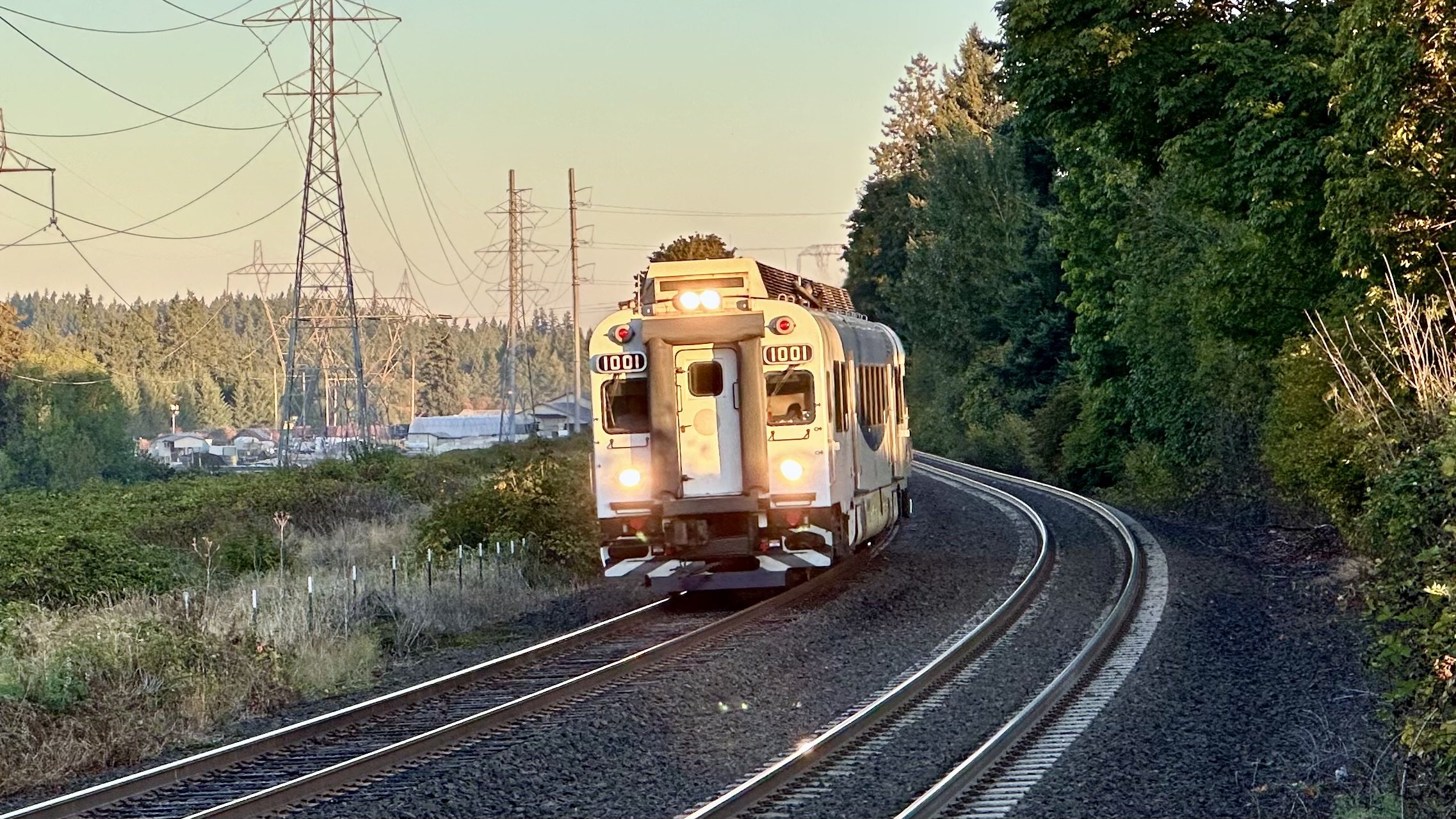
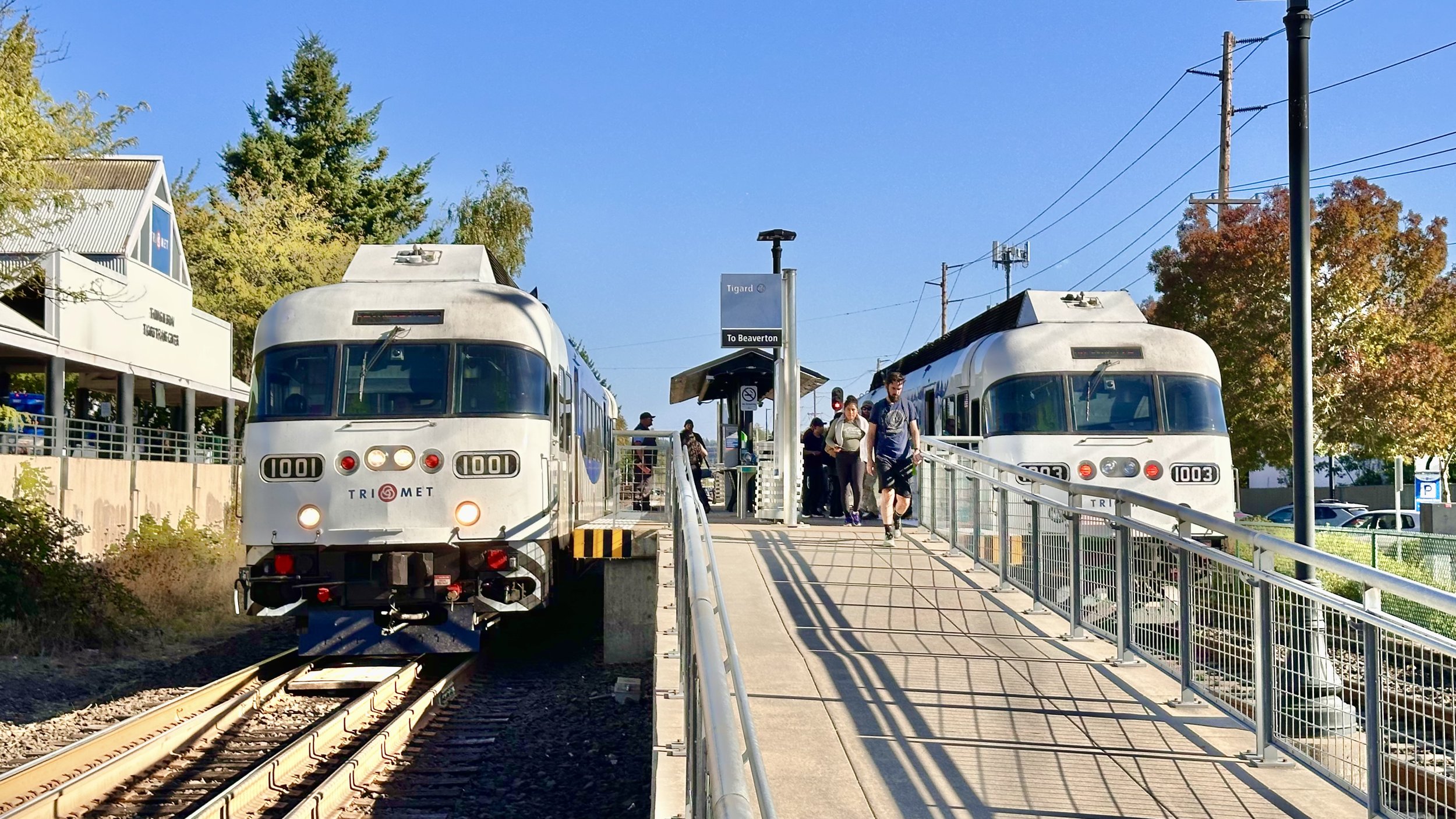
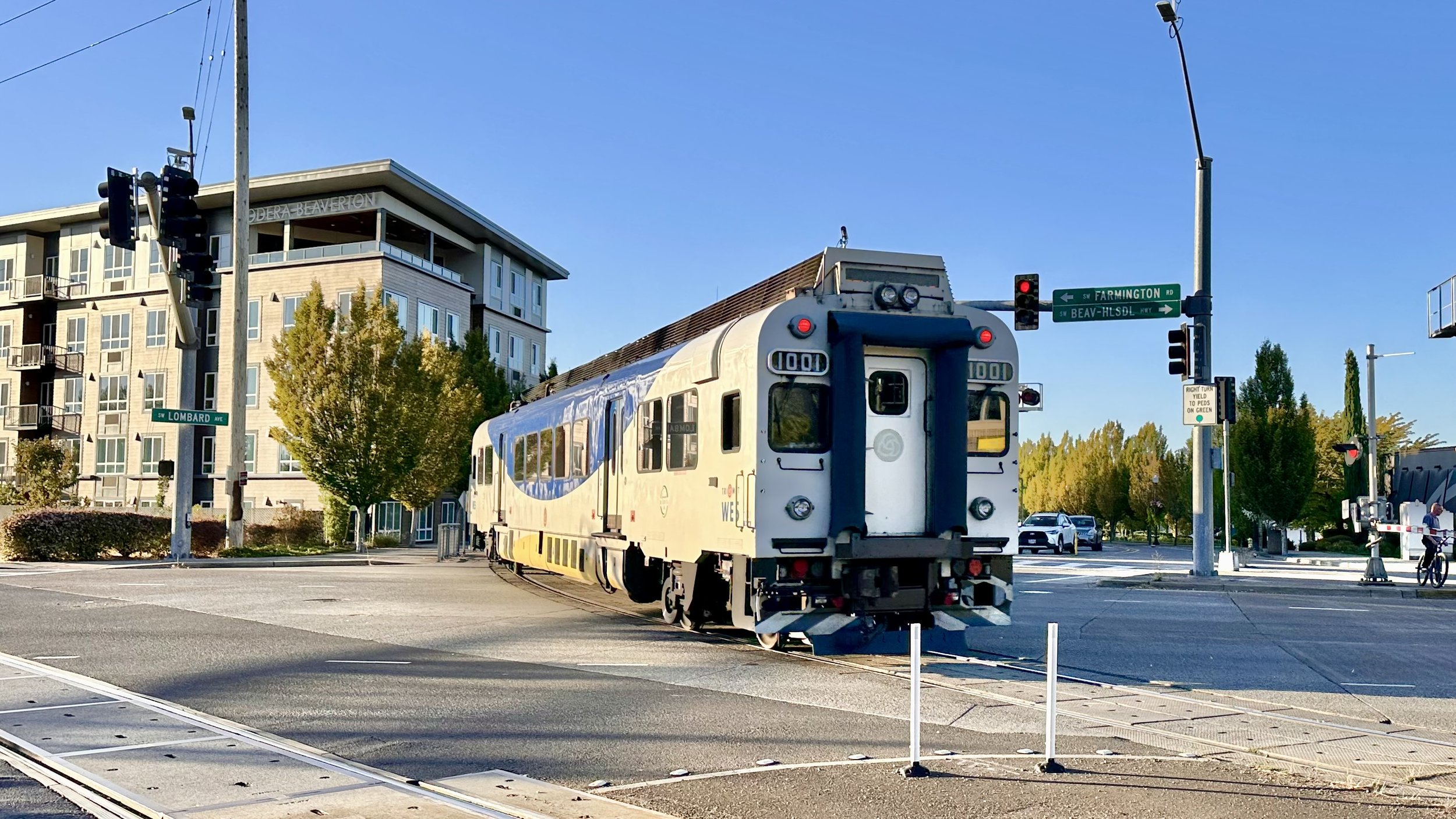
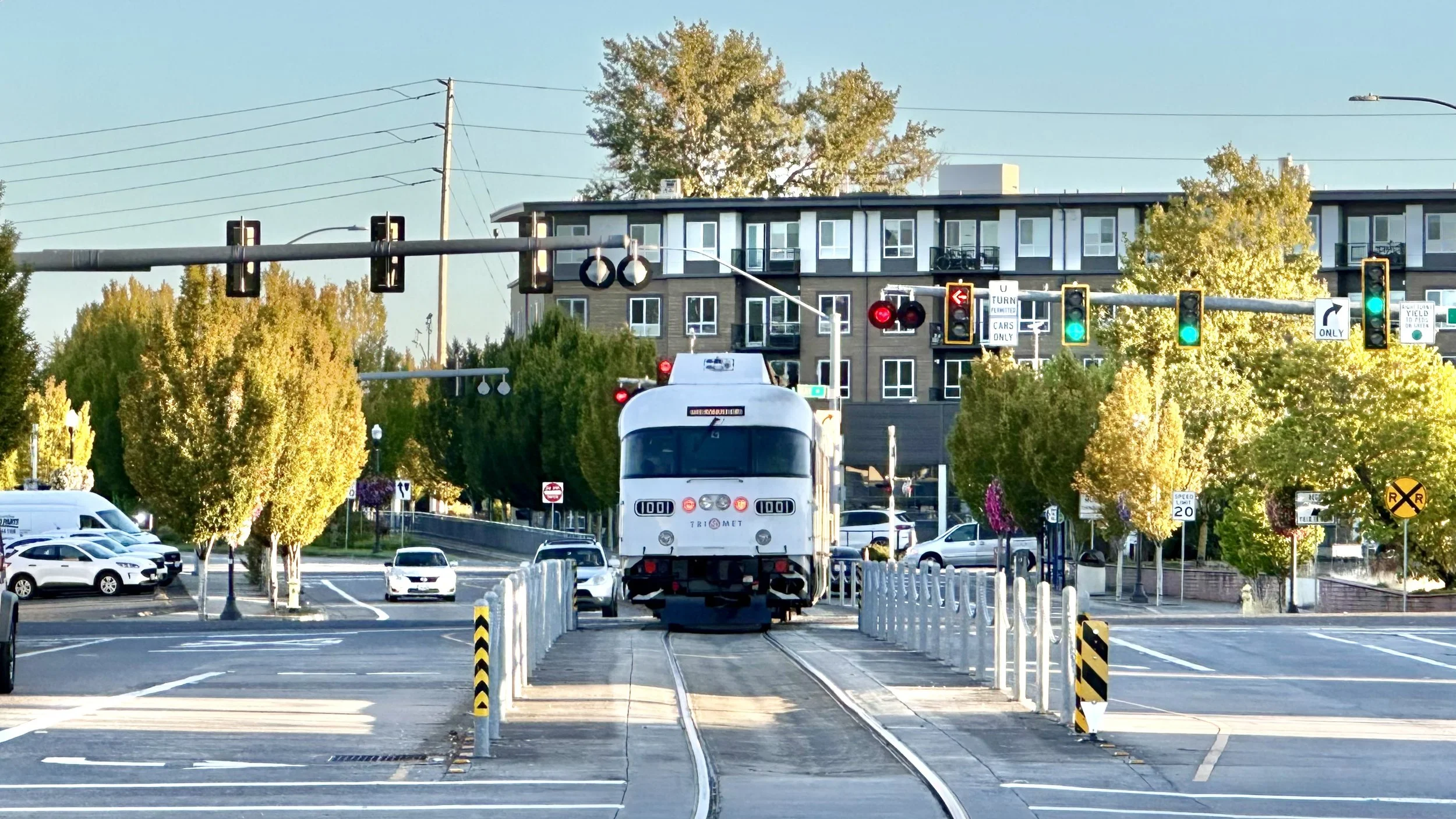
Budd RDCs were used during the startup of operations, and are maintained for occasional use as backups. DMUs are bidirectional, although the southbound cabs are adjacent to a diaphragm for rare pairings with the non-powered trailer car (#2001). To accommodate all the freight traffic, most stations have gauntlet tracks, allowing the DMUs to take the inside rails for centimeter-sized gaps for accessibility, but keeping freight trains well away from the platforms.
While WES punches above its weight as a transit system and demonstrates that even heavy freight mainline railroading can benefit from frequent passenger trains, its lack of switching opportunities, mainline complexity, and difficulty in sourcing vehicles makes it less viable as a modeling subject.